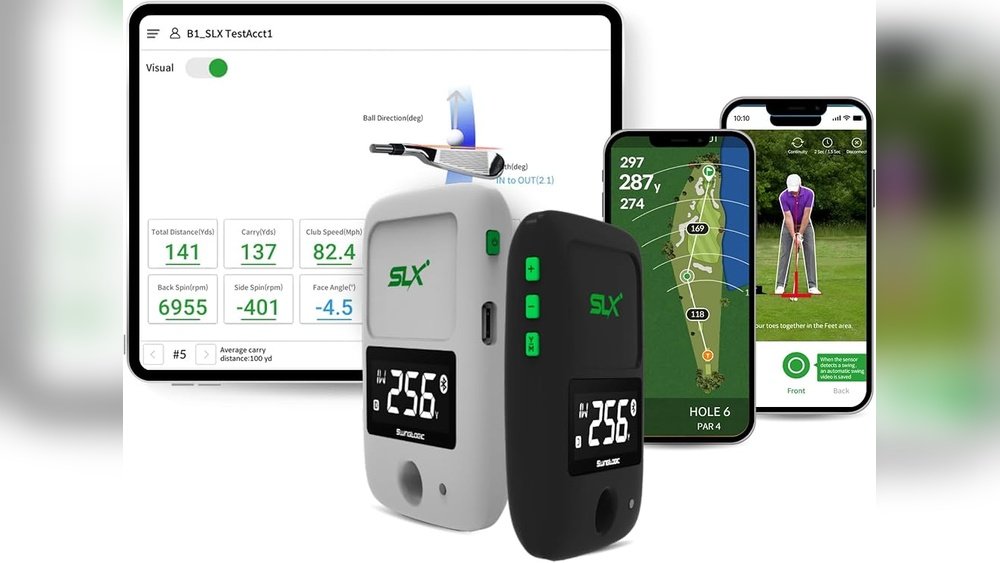
Are you curious if your GPS golf watch can do more than just track your location on the course? Imagine having a tool that not only guides you but also measures your swing speed, helping you improve every shot.
If you want to know whether your golf watch can give you this powerful insight, keep reading. By the end of this article, you’ll understand how swing speed tracking works and whether your device can boost your game like never before.
Don’t miss out on unlocking your full potential with the right technology!
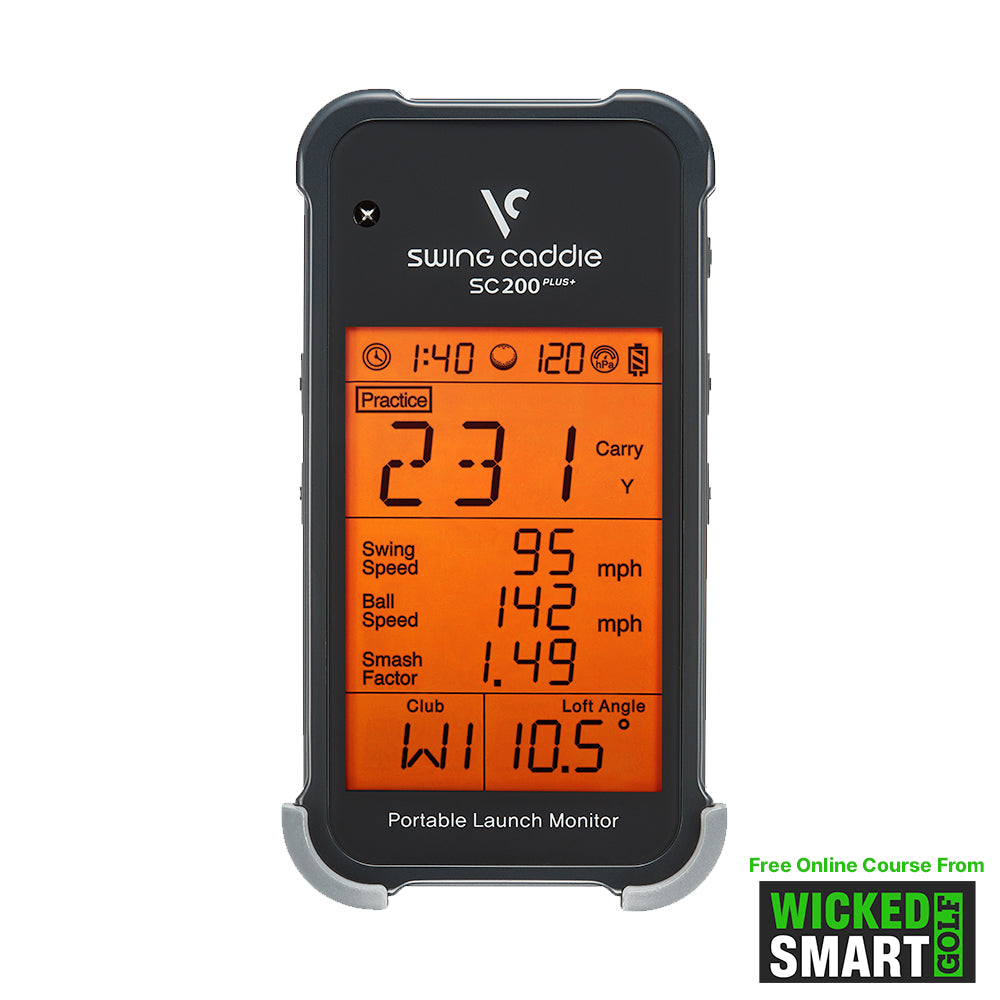
How Gps Golf Watches Work
GPS golf watches help players by showing distance to the hole and hazards. They use satellites to get your exact location on the course. This helps golfers choose the right club and plan each shot carefully.
Besides location, many golf watches also measure other data. This includes your swing, pace, and even heart rate. Combining these details helps improve your game step by step.
Core Features Of Gps Golf Watches
Most GPS golf watches show distances to greens, bunkers, and water hazards. They have digital scorecards and track the number of shots per hole. Some models give a map of the course layout.
Many watches also offer shot tracking and club recommendations. Some can even analyze your swing speed and tempo. These features help you understand your strengths and areas to improve.
Sensors Involved In Tracking
GPS golf watches use GPS satellites to track your position. They also include accelerometers to detect movement and swing speed. Gyroscopes measure the rotation of your wrist during a swing.
Some watches add magnetometers to detect direction and improve accuracy. These sensors work together to give detailed feedback about your swing and shot distance.
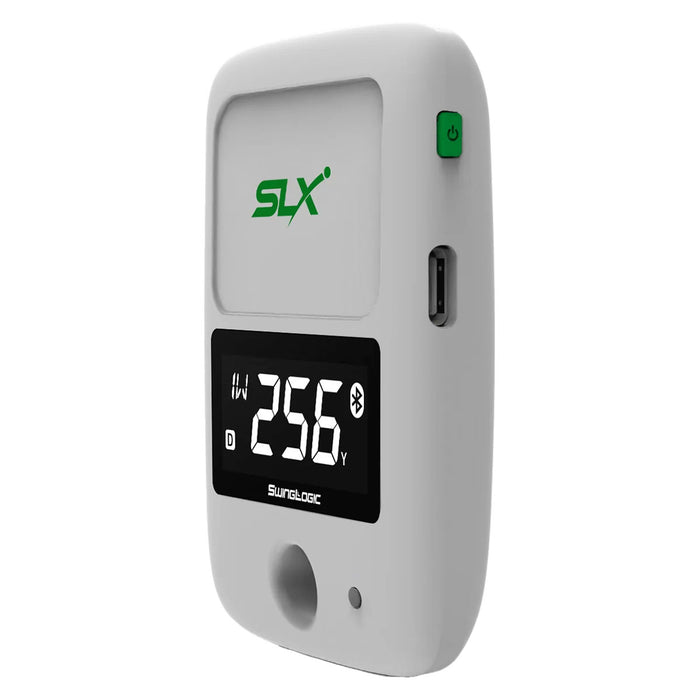
Swing Speed Tracking Basics
Understanding swing speed is key for golfers. It helps improve power and accuracy. Tracking swing speed shows how fast the club moves during a swing. This data guides players to better shots and consistency.
Golfers use tools to measure swing speed. These tools give numbers that show swing strength. Knowing these basics helps players choose the right devices.
What Is Swing Speed?
Swing speed is the speed of the golf club head. It measures how fast the club moves before hitting the ball. Faster swing speed often means more distance. But control and technique matter too. Swing speed varies by player and club type.
Methods To Measure Swing Speed
Various tools track swing speed. Radar devices use radio waves to detect club speed. Sensors attach to clubs or gloves to measure movement. Some golf watches include swing speed tracking features. These watches use built-in sensors to estimate speed. Each method offers different accuracy and ease of use.
Gps Watches And Swing Speed
Golfers want to improve their swing and overall play. Tracking swing speed helps measure power and control. Many golfers wonder if their GPS golf watch can track this key metric. Understanding the capabilities of these watches is important.
GPS watches mainly offer distance and course information. Some advanced models include extra features like swing speed tracking. Knowing which watches do this helps golfers choose the right device.
Capabilities Of Standard Gps Golf Watches
Most standard GPS golf watches show distances to the green, hazards, and layups. They track your position on the course using satellites. These watches also record score and shot locations.
Standard models do not measure swing speed. They lack sensors to detect club head movement or speed. Their main focus is navigation and course data.
Models That Include Swing Speed Metrics
Certain premium golf watches have built-in sensors or connect to external devices. These can track swing speed by measuring club head motion. They provide real-time data on how fast you swing.
Brands like Garmin and Bushnell offer models with swing speed features. These watches help golfers analyze and improve their swings. The data also shows trends and progress over time.
Accuracy Of Swing Speed Data
Accuracy of swing speed data is key for golfers using GPS watches. Knowing true swing speed helps improve technique and club choice. Yet, not all devices measure this data equally well. Understanding accuracy helps golfers trust their readings and make better decisions on the course.
Factors Affecting Accuracy
Several factors affect swing speed accuracy in GPS golf watches. Sensor quality plays a big role. Better sensors track motion more precisely. Watch placement on the wrist also matters. A loose watch can give false readings. The golfer’s swing style impacts data too. Fast or irregular swings may confuse the sensors. Environmental conditions like temperature and vibration also affect results.
Comparing Gps Watches To Dedicated Devices
Dedicated swing speed devices often outperform GPS watches. They use advanced sensors designed just for swing analysis. These devices attach directly to the club or glove for precise data. GPS watches combine many functions, which can reduce swing speed accuracy. Still, GPS watches provide useful estimates. They offer convenience and good enough data for casual golfers. Serious players may prefer dedicated tools for detailed feedback.
Benefits Of Tracking Swing Speed
Tracking swing speed offers clear benefits for golfers of all levels. It helps players see how fast they swing and understand how this affects their shots.
Knowing your swing speed can lead to better practice and smarter play. It gives you data that guides improvement and helps avoid bad habits.
Improving Performance
Tracking swing speed shows how strong and fast your swing is. Faster swings can add distance to your shots. Slower swings may need more power or technique work.
By watching your swing speed, you can set goals. Try to increase speed gradually without losing control. This balance often leads to better overall results on the course.
Analyzing Swing Mechanics
Measuring swing speed helps find issues in your swing. You can see if your speed is consistent or varies too much. Inconsistent speed can mean poor timing or technique.
Golfers and coaches use swing speed data to fix problems. Small changes in swing path or tempo can improve speed. This leads to more accurate and powerful shots.

Limitations To Consider
GPS golf watches offer many features but tracking swing speed has limits. Understanding these limits helps set the right expectations. Some factors affect accuracy and performance. Knowing these can improve your experience and data reliability.
Technical Constraints
GPS golf watches rely on sensors to measure swing speed. These sensors detect movement but may not capture every detail. The watch’s position on your wrist can affect data. The technology inside may not be as precise as dedicated swing trackers. Battery life and signal quality also impact measurement. Data might show slight errors or inconsistencies. The watch often estimates swing speed rather than measuring it directly.
User Errors And Calibration
User actions can influence swing speed tracking accuracy. Worn incorrectly, the watch may record wrong data. Calibration is important to match your swing style. Without proper setup, results may be off. Sudden movements or pauses can confuse sensors. Forgetting to start or stop tracking leads to missing data. Consistent use and correct wearing improve reliability.
Choosing The Right Golf Watch
Choosing the right golf watch can help improve your game. It offers useful data and guides you through each hole. Not all golf watches have the same features. Some track swing speed, while others focus on distances or scores. Selecting one that fits your needs is important.
Key Features To Look For
Look for accuracy in distance measurements. Battery life matters, especially for long rounds. Check if the watch shows detailed course maps. Some models track swing speed and tempo. Ease of use is key for quick access during play. Waterproof design helps in all weather conditions. Compatibility with your smartphone can add extra benefits.
Budget Vs. Functionality
Golf watches come in many price ranges. Cheaper models may lack advanced features like swing speed tracking. More expensive watches often include more sensors and data options. Decide what features matter most before buying. Balance between cost and usefulness saves money. Sometimes mid-range watches offer the best value. Focus on features that improve your play rather than extras.
Frequently Asked Questions
Can A Gps Golf Watch Measure Swing Speed Accurately?
Most GPS golf watches do not measure swing speed directly. They primarily track location and distance. Swing speed requires specialized sensors like accelerometers or radar. Some advanced models combine GPS with swing analysis features, but pure GPS watches focus on course mapping, not swing metrics.
What Features Help Track Swing Speed In Golf Devices?
Devices with built-in accelerometers and gyroscopes can track swing speed. Smartwatches or golf-specific sensors attach to clubs for precise measurement. These features analyze swing tempo, speed, and angle. GPS alone cannot provide swing speed data without these additional sensors.
Are Gps Golf Watches Useful For Improving Swing Speed?
GPS golf watches help improve course strategy and shot tracking. However, they lack detailed swing speed analytics. Golfers seeking swing speed improvement should use dedicated swing analyzers or smart sensors. Combining GPS data with swing metrics offers better performance insights.
Can I Use My Gps Golf Watch For Swing Speed Training?
Most GPS golf watches don’t offer swing speed training tools. For effective training, devices with swing sensors or apps are recommended. Some golf watches integrate with swing apps, enhancing training experience. Check device specifications for swing speed capabilities before purchase.
Conclusion
A GPS golf watch can help track your swing speed in some cases. Not all models have this feature, so check before buying. Many focus more on distance and course data. Swing speed tracking needs special sensors or tech. Using a watch with this helps improve your golf skills over time.
It gives useful info to see your progress. Choose a device that fits your needs and budget. Tracking swing speed is a good step for better golf. Simple tools can make a big difference on the course.


