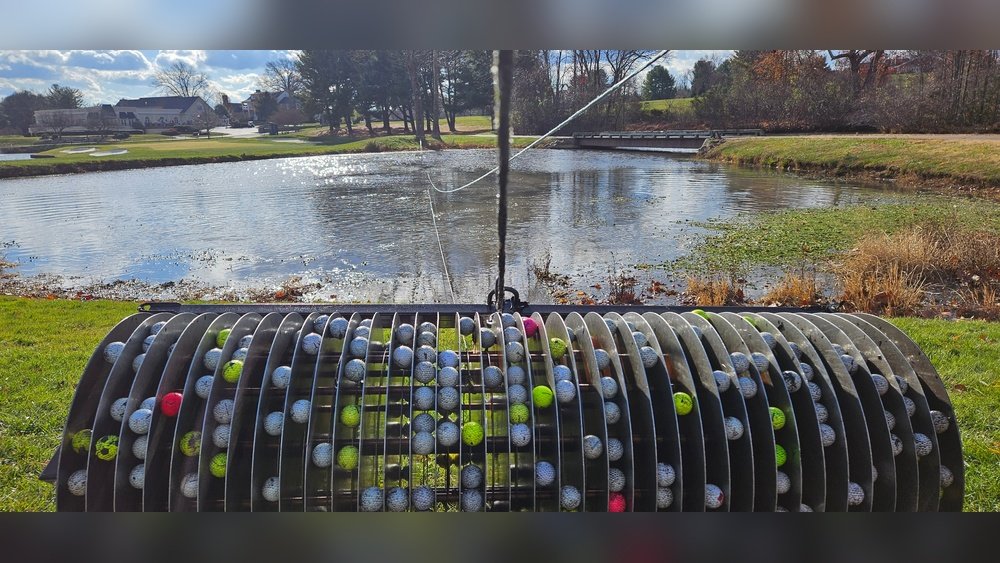
Have you ever wondered if using a golf ball retriever could harm your golf balls? You want to get your ball back without risking damage, right?
Whether you’re a casual player or a golf enthusiast, understanding how your equipment interacts with your balls is crucial. You’ll discover the truth about golf ball retrievers and whether they can cause any harm to your precious golf balls. Keep reading—you might be surprised by what you learn!
How Golf Ball Retrievers Work
Golf ball retrievers help players recover balls lost in water or hard-to-reach places. They extend your reach without needing to enter water hazards or bushes. Understanding how these tools work helps you choose the right one and use it safely.
Design And Materials
Most retrievers have a long, telescoping pole. This pole can stretch to reach distant balls. At the end, a scoop or cage holds the ball securely. Materials vary from lightweight aluminum to strong fiberglass. These materials keep the retriever light and easy to handle. Soft rubber or plastic parts protect the ball during retrieval.
Common Retrieval Methods
One method uses a scoop to catch the ball gently. The scoop slides under the ball and lifts it out. Another method uses a cage that traps the ball inside. Simply push the cage over the ball, then pull it out. Some retrievers have magnets or sticky pads, but these are less common. These methods avoid damaging the ball’s surface.

Potential Risks To Golf Balls
Golf ball retrievers help save balls from water or rough areas. They are useful tools, but some risks exist. These risks can affect the golf balls during retrieval. Understanding these risks helps keep your balls in good shape.
Impact And Pressure Points
When a retriever grabs a ball, it applies pressure. Hard pressure can leave dents or marks. Sudden impacts may crack the ball’s cover. Repeated hits can weaken the ball’s structure. Soft but firm grip designs reduce damage risk.
Material Abrasion
Retriever materials can rub against the ball’s surface. Rough materials may cause scratches or scuffs. Plastic or metal parts can wear down the cover. Smooth, soft materials help protect the ball. Proper care reduces abrasion and keeps balls smooth.
Factors Influencing Damage
Several factors affect whether a golf ball retriever can harm your golf balls. Understanding these helps keep your balls safe and extend their life. Not all retrievers are the same, and conditions change how they interact with balls.
Retriever Quality
High-quality retrievers use soft, smooth materials. They reduce the risk of scratching or denting balls. Cheap retrievers often have rough edges or metal parts. These can cause scuffs and damage easily.
Durability matters too. A sturdy retriever holds its shape well. It applies gentle pressure on the ball. Poor quality retrievers might bend or break, squeezing balls too hard.
Frequency Of Use
Frequent use increases the chance of damage over time. Each retrieval puts some stress on the ball’s surface. Using a retriever daily means more wear and tear. Occasional use usually keeps balls in better shape.
Repeated impacts can weaken the ball’s outer layer. This leads to cracks or dents faster than normal play. Be mindful of how often you use the retriever on the same ball.
Environmental Conditions
Wet, muddy, or rocky areas add risks. Dirt and grit can get trapped between the retriever and ball. This causes scratches during retrieval. Cold weather makes balls harder and more prone to cracking.
Warm, dry conditions are gentler on both ball and retriever. Avoid using the retriever in rough terrain for best results. Clean your retriever regularly to prevent dirt buildup.

Preventing Damage To Golf Balls
Protecting your golf balls from damage is important for every golfer. Golf ball retrievers help save balls from water or rough areas. Using them the right way keeps balls in good shape. Small steps can prevent scratches and dents on your balls. Follow easy tips to keep your golf balls safe.
Choosing The Right Retriever
Select a retriever with soft, padded edges. This reduces impact on the ball’s surface. Avoid metal or hard plastic heads. Lightweight retrievers are gentler and easier to control. A longer handle helps reach balls without force. Choose a retriever designed for smooth handling.
Proper Usage Techniques
Lower the retriever slowly into water or grass. Do not slam it down or push hard. Gently scoop the ball to avoid pressure damage. Keep the retriever steady to prevent shaking the ball. Use slow and smooth movements for safe retrieval. Avoid dragging the ball along rough surfaces.
Maintenance Tips
Clean the retriever after each use to remove dirt. Check for cracks or sharp edges regularly. Fix or replace damaged parts to protect your balls. Store the retriever in a dry place to avoid rust. Lubricate joints to keep smooth operation. Good care extends retriever life and protects balls.
Real User Experiences
Many golfers wonder if a golf ball retriever can harm their balls. Real user experiences give clear insight. These reviews help understand the tool’s effect on golf balls during retrieval. Let’s explore what players say.
Positive Feedback
Most users report no damage to their golf balls. They say the retriever’s design is gentle and safe. Many highlight the soft, rounded edges that protect the ball’s surface. Users appreciate that the retriever saves time and effort without ruining balls. Some mention using it for years with no issues. Many recommend it for retrieving balls from water or rough spots.
Reported Issues
A few users mention minor scuffs on their golf balls. These marks usually happen when balls hit hard or sharp parts of the retriever. Some players say the metal retrievers may leave scratches if used roughly. A small number report dents after frequent use in rocky areas. These issues appear rare and often result from improper use. Users advise checking the retriever’s condition to avoid damage.
Expert Opinions On Ball Safety
Many golfers wonder if using a golf ball retriever can harm their balls. Experts have shared their views on this topic. They focus on the safety of golf balls when retrieved from water or rough areas. Their opinions help players choose the right tools and avoid damage.
Golf Equipment Specialists
Golf equipment specialists say most retrievers do not damage balls. They note that retrievers are made with soft materials. These materials prevent scratches or dents during use. Specialists advise checking the retriever for sharp edges before use. A smooth and well-maintained retriever keeps balls safe. Proper use also reduces risk of damage. Retrievers designed for gentle handling protect the ball’s surface well.
Professional Players’ Insights
Professional players share their real-world experiences with retrievers. Many report no damage after using retrievers carefully. They mention the importance of slow and steady retrieval. Rushing or forceful pulling can harm the ball’s cover. Pros suggest inspecting balls after retrieval for any marks. Most say damage is rare with proper tools and care. Their advice helps amateurs avoid costly mistakes with their golf balls.

Frequently Asked Questions
Can A Golf Ball Retriever Scratch My Golf Balls?
A golf ball retriever with soft, non-abrasive materials rarely scratches golf balls. Using retrievers with rubber or foam tips is safest. Metal or hard plastic tips might cause slight damage if used aggressively. Proper use and gentle handling prevent most scratches effectively.
Do Golf Ball Retrievers Affect Ball Performance?
Golf ball retrievers typically do not affect ball performance. Minor surface marks from aggressive retrieval are rare and usually insignificant. Proper retriever use ensures your ball retains its original feel and flight. Regular inspection keeps your balls in optimal condition.
What Materials Prevent Golf Ball Damage In Retrievers?
Rubber, foam, and silicone tips prevent golf ball damage. These soft materials cushion the ball during retrieval. Avoid retrievers with hard metal or rough plastic tips to protect your golf balls. Choosing the right material ensures safe and damage-free retrieval.
How To Avoid Damaging Balls With A Retriever?
Use gentle, slow movements when retrieving golf balls. Avoid scraping balls against rough surfaces or hard retriever parts. Inspect your retriever for smooth edges and soft tips before use. Regular maintenance of your retriever helps prevent accidental damage.
Conclusion
Golf ball retrievers usually do not harm golf balls. Using them gently helps keep balls safe and clean. Avoid rough handling or sharp edges on retrievers. Choose a retriever with soft materials to protect your balls. Regular checks of your retriever can prevent damage.
Safe use means saving time and money on new balls. Enjoy retrieving balls without worrying about damage. This simple tool can be helpful on the golf course. Remember, care matters more than the tool itself.


