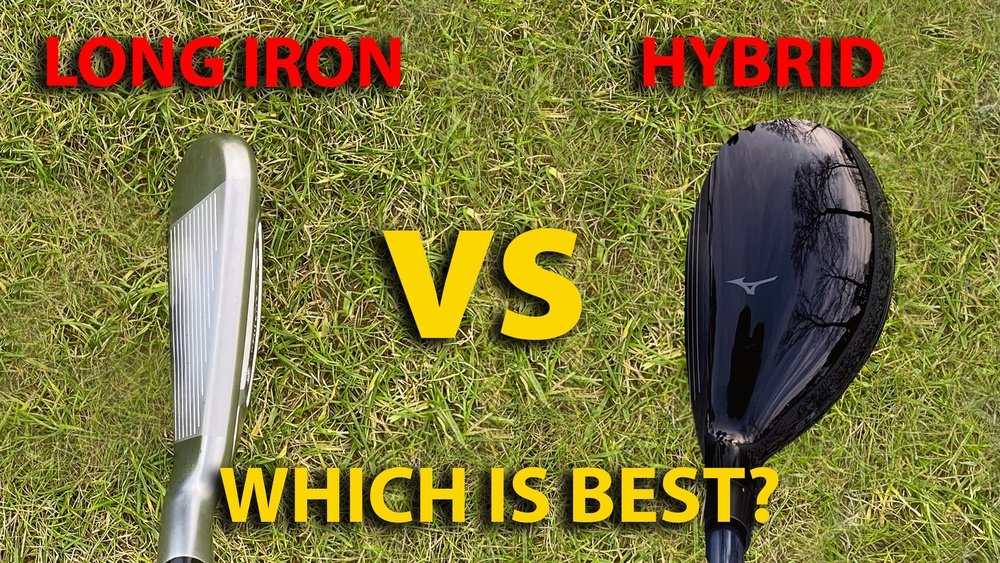
Are you struggling to decide between hybrid clubs and long irons for your golf game? You’re not alone.
Choosing the right club can make a huge difference in your performance and confidence on the course. But which one truly gives you the edge? You’ll discover the key benefits and drawbacks of hybrids and long irons. By the end, you’ll know exactly which club fits your style and helps you hit better shots every time.
Keep reading to find out if hybrid clubs are really better than long irons for you.
Performance Comparison
Choosing between hybrid clubs and long irons depends on how they perform on the course. Both have strengths and weaknesses in different areas. This section compares their distance, accuracy, forgiveness, control, and shot versatility. Understanding these can help you pick the right club for your play style.
Distance And Accuracy
Hybrid clubs generally provide more distance than long irons. Their design helps launch the ball higher with less effort. Long irons require a stronger swing to reach similar distances.
Hybrids also offer better accuracy for many players. The larger clubhead and lower center of gravity reduce mishits. Long irons can be harder to hit consistently straight, especially for beginners.
Forgiveness And Control
Forgiveness means how well the club handles off-center hits. Hybrids excel here due to their wide soles and flexible faces. They help keep the ball on target even with imperfect swings.
Long irons provide more control over the ball’s flight. Skilled players can shape shots better with long irons. They allow for precision but demand solid contact for best results.
Shot Versatility
Hybrids suit various lies and turf conditions. They perform well from rough and fairway alike. Long irons work best from tight lies but can struggle in thick grass.
Long irons allow for a wider range of shot types. Players can hit lower or higher shots by adjusting their swing. Hybrids offer fewer shot-shaping options but are easier to use.
Design Differences
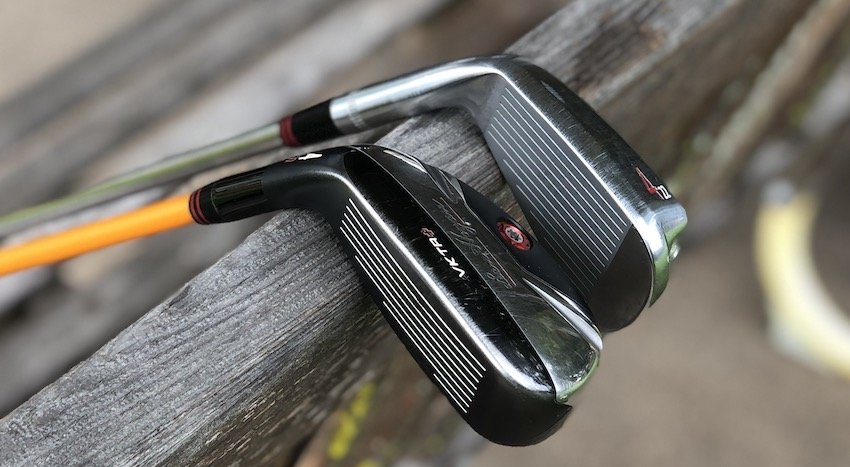
Hybrid clubs and long irons look different and feel different. These design differences affect how each club performs on the course. Understanding these differences helps you choose the right club for your swing and needs.
Each part of the club—from the head to the shaft—has unique features. These features impact distance, control, and ease of hitting the ball.
Clubhead Shape And Size
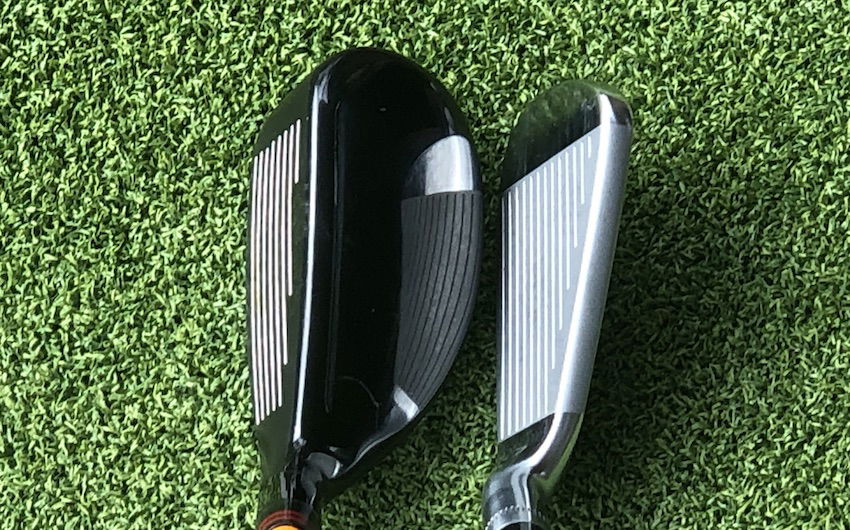
Hybrid clubs have larger clubheads than long irons. The shape is more rounded and wider. This design creates a bigger sweet spot. It helps players hit the ball more easily and with more forgiveness.
Long irons have smaller, thinner clubheads. They require more precise contact with the ball. This can make them harder to hit well, especially for beginners or casual players.
Shaft Flexibility
Hybrids usually have more flexible shafts than long irons. This flexibility helps generate more clubhead speed. It can lead to longer shots with less effort.
Long irons often have stiffer shafts. They give players more control over the ball’s flight. This suits players with faster swings who want accuracy.
Weight Distribution
Weight in hybrid clubs is spread low and deep in the clubhead. This lowers the center of gravity. It helps launch the ball higher and with less spin.
Long irons have weight more evenly distributed. Their center of gravity sits higher. This design allows for a flatter ball flight and more roll after landing.
Player Skill Levels
Choosing between hybrid clubs and long irons depends greatly on the player’s skill level. Each type of club offers different benefits tailored to how well a golfer plays. Understanding these differences helps pick the right club for better performance on the course.
Beginners And High Handicappers
Hybrids suit beginners and high handicappers best. They have a larger clubhead and a lower center of gravity. This design makes it easier to hit the ball higher and farther. Long irons are harder to control and require more skill. Beginners get more confidence and consistency with hybrids.
Intermediate Players
Intermediate players can benefit from both hybrids and long irons. Hybrids help on long shots and tricky lies. Long irons offer more control and precision. Choosing depends on the player’s comfort and shot needs. Many intermediates use hybrids for distance and long irons for accuracy.
Advanced Golfers
Advanced golfers often prefer long irons for better shot shaping. They have the skill to control ball flight and spin. Some also use hybrids for certain shots or course conditions. The choice depends on personal style and specific situations. Advanced players blend both types to optimize their game.
Course Conditions Impact
Course conditions play a big role in choosing between hybrid clubs and long irons. Different parts of the golf course can affect your shot’s success. Understanding how fairways, rough, and weather impact your club choice helps you perform better.
Fairway Shots
Fairway shots require accuracy and distance. Hybrids offer a larger clubface, making it easier to hit the ball cleanly. Long irons need more skill to strike well. On tight fairways, hybrids provide more forgiveness and control. This helps keep the ball on the fairway for better positioning.
Rough And Uneven Lies
Hitting from rough or uneven lies is challenging. Hybrids have a wider sole, helping the club glide through thick grass. Long irons can dig into the turf, causing poor shots. The hybrid’s design lifts the ball easier from tough spots. This makes hybrids a better choice in rough conditions.
Wind And Weather Factors
Wind and weather affect ball flight and distance. Long irons generally produce a lower ball flight, which can cut through wind better. Hybrids launch the ball higher, which may cause more wind drift. On calm days, hybrids can give more carry and control. In strong wind, some players prefer long irons for stability.
Swing Techniques
Swing techniques differ between hybrid clubs and long irons. Each club demands a unique approach for better control and distance. Adjusting your swing to fit the club type improves your shots and confidence on the course.
Adjusting For Hybrids
Hybrids have a wider sole and lower center of gravity. This design helps lift the ball easily. Swing with a slightly more sweeping motion rather than hitting down hard. Keep your hands ahead of the ball at impact. This promotes a clean strike and higher ball flight. Use a smooth tempo and avoid hitting too steeply. Hybrids feel more forgiving on off-center hits.
Adjusting For Long Irons
Long irons require a more precise and controlled swing. Strike the ball with a descending blow to compress it well. Position the ball slightly forward in your stance. Maintain a steady rhythm and avoid rushing your swing. Long irons demand solid contact for distance and accuracy. Focus on a balanced finish to maintain control.
Common Swing Mistakes
Many players hit long irons too steeply, causing thin or fat shots. Swinging too hard with hybrids can lead to loss of control. Poor weight transfer affects both club types and reduces power. Avoid lifting your head early to watch the ball. Keep your eyes on the ball until after impact. Practicing these points helps improve consistency with both hybrids and long irons.
Equipment Trends
Equipment trends in golf show a clear shift toward hybrid clubs over long irons. Hybrids blend features from woods and irons, making them easier to hit. This change affects many players, from beginners to pros. The rise in hybrid clubs reflects changes in player needs and technology.
Popularity Among Pros
More professional golfers choose hybrids for their long shots. Pros value hybrids for their forgiveness and distance. Many top players carry hybrids instead of traditional long irons. This trend influences amateurs and everyday golfers.
Market Availability
Golf shops now stock more hybrid clubs than long irons. Manufacturers produce hybrids in various designs and price ranges. This variety makes hybrids accessible to all players. The market shift shows hybrids meet many golfers’ demands better.
Technological Innovations
New technology improves hybrid club performance each year. Manufacturers use lighter materials for faster swing speed. Face designs increase ball speed and control. These innovations make hybrids easier to use than long irons.
Cost And Value
Cost and value play a big role in choosing between hybrid clubs and long irons. Golfers want clubs that fit their budget and offer good performance. Understanding the price differences and how long clubs last helps make smart choices. Also, knowing resale and upgrade options adds to the overall value.
Price Range Comparison
Hybrid clubs usually cost more than long irons. A single hybrid can be pricier than one long iron. Sets of hybrids are often sold separately or with fewer clubs. Long irons come in full sets and may cost less per club. Beginners might find long irons cheaper to start with. Hybrids offer newer technology, which can raise prices.
Longevity And Durability
Long irons tend to last longer because of their simple design. Hybrids have more parts, which can wear out faster. Steel shafts on long irons are very durable. Hybrids often use lighter materials that may show wear sooner. Regular use and care affect the lifespan of both types. Proper maintenance can extend the life of any club.
Resale And Upgrade Options
Hybrids often keep their value better than long irons. Many golfers prefer buying used hybrids because of their playability. Long irons may be harder to sell due to less demand. Upgrading hybrids is easier as new models come out often. Long irons change less over time, offering fewer upgrade choices. Selling or trading clubs adds value for budget-conscious players.
Frequently Asked Questions
Are Hybrid Clubs Easier To Hit Than Long Irons?
Hybrid clubs are generally easier to hit due to their wider soles and lower centers of gravity. They provide better forgiveness and higher launch angles, making them ideal for players who struggle with consistency using long irons.
Do Hybrids Offer Better Distance Than Long Irons?
Yes, hybrids typically offer more distance than long irons because of their design. They combine the power of woods with the control of irons, resulting in longer, straighter shots for most golfers.
Can Hybrids Replace All Long Irons In A Set?
Many golfers replace long irons (3, 4, 5) with hybrids for improved playability. However, hybrids may not fully replace all long irons depending on personal preference and shot requirements.
Are Hybrids More Forgiving On Off-center Hits?
Hybrids are more forgiving than long irons due to their larger clubface and wider sole. They reduce the impact of mishits, helping maintain distance and accuracy even on off-center strikes.
Conclusion
Choosing between hybrid clubs and long irons depends on your needs and skill. Hybrids offer easier control and better distance for many players. Long irons provide more precision but can be harder to hit well. Think about your comfort and the course you play on.
Try both types to see which fits your style best. Remember, practice with either club will improve your game over time. Your choice should help you enjoy golf more and play with confidence.


