Have you ever lost a golf ball in a pond or thick rough and wished you could get it back? Golf ball retrievers might be the solution you didn’t know you needed.
But are they really worth your time, money, and effort? You’ll discover how these handy tools can save you money, improve your game, and even add some fun to your rounds. Keep reading to find out if a golf ball retriever is the right investment for you.

Benefits Of Golf Ball Retrievers
Golf ball retrievers offer many benefits for players of all skill levels. They make finding and collecting lost balls easier. This tool helps save time, reduce stress, and protect golf gear. Understanding these benefits can help decide if a retriever fits your golf needs.
Saving Time On The Course
Lost balls slow down the game and waste time. A golf ball retriever helps reach balls in water or rough areas quickly. No more long searches or walking back to the tee. This keeps your pace steady and lets you enjoy the game more.
Reducing Frustration And Stress
Losing balls can be frustrating and ruin focus. Using a retriever reduces worries about lost shots. It keeps your mind calm and focused on playing well. Less stress means a better golf experience overall.
Protecting Golf Equipment
Retrievers prevent damage to clubs and balls. Reaching into water or thick bushes without tools can harm your gear. Using a retriever avoids bending or scratching clubs. It also helps keep your balls clean and in good condition.
Types Of Golf Ball Retrievers
Golf ball retrievers come in different types to fit various needs and situations. Choosing the right one can save time and effort during your game. Each type has unique features and benefits. Understanding these can help you decide which retriever suits you best.
Telescopic Retrievers
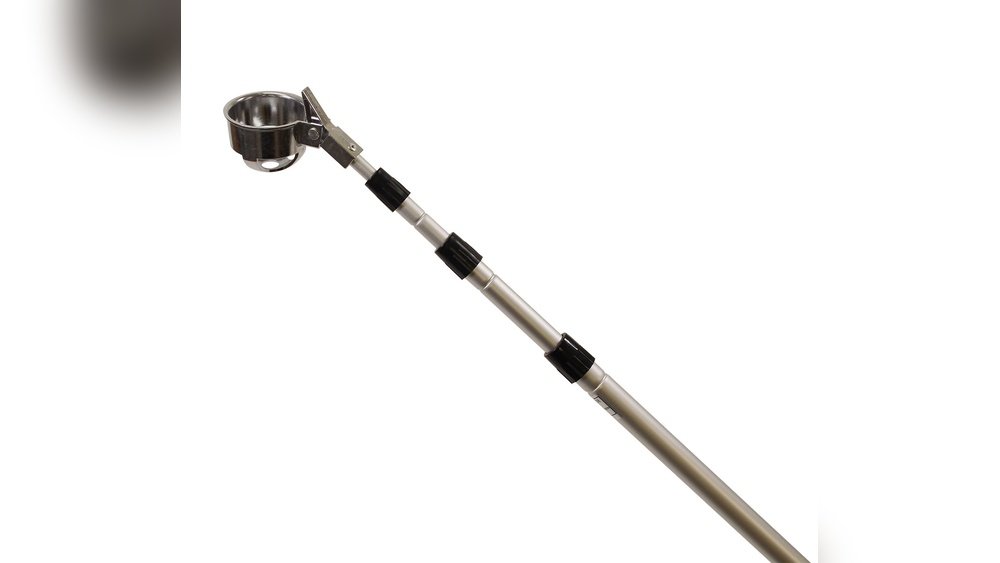
Telescopic retrievers extend to great lengths. They are perfect for reaching balls in water or bushes. These retrievers collapse into a small size for easy carrying. Most have a scoop or a net at the end. They are sturdy and reliable for many golf shots.
Floating Retrievers
Floating retrievers float on water surfaces. They are designed specifically for water hazards. These retrievers often have bright colors for easy spotting. Their buoyant design prevents them from sinking. They help recover balls without getting wet.
Compact And Portable Options
Compact retrievers are small and lightweight. They fit easily in golf bags or pockets. These are great for quick retrievals close by. Some fold or snap together for convenience. Portability makes them a good choice for casual players.
Key Features To Consider
Choosing the right golf ball retriever depends on several key features. These features affect how well the retriever works and how easy it is to use. Understanding these points helps you pick a retriever that fits your needs and budget.
Length And Reach
Length matters for reaching balls in water, bushes, or deep rough. Longer retrievers can reach farther without stepping into water or mud. Telescoping rods offer adjustable length. This flexibility helps when you face different retrieval situations on the course.
Material And Durability
Strong materials keep the retriever lasting for many rounds. Aluminum and stainless steel resist rust and damage. Plastic parts may break easily. Look for retrievers with sturdy construction and weather resistance. This ensures your tool stays reliable over time.
Ease Of Use And Portability
A lightweight retriever is easier to carry during a round. Folding or telescoping designs fit into golf bags neatly. Simple locking mechanisms save time when extending or folding. Good grip handles prevent slipping, even when wet. These features make the retriever convenient and practical.
Common Situations For Use
Golf ball retrievers come in handy in several common situations on the golf course. They help save lost balls and avoid extra costs. These tools are simple but useful for many players. Here are typical moments when a golf ball retriever proves its worth.
Retrieving From Water Hazards
Water hazards cause many lost golf balls. Balls often sink or get stuck near the edge. A retriever with a long pole helps reach these spots safely. It prevents players from wading into water or mud. This tool saves balls that would otherwise be lost.
Recovering From Rough Or Bushes
Thick rough or bushes can hide golf balls. Searching by hand wastes time and energy. A retriever extends reach into dense grass or thorny areas. It allows players to pull balls out without stepping into tough spots. This keeps players clean and speeds up the game.
Use On Driving Ranges
Driving ranges often have many balls scattered around. Retrievers make collecting these balls quick and easy. The long handle covers wide areas without bending down repeatedly. This reduces strain and speeds up practice sessions. It helps keep the range tidy and organized.
Expert Opinions And Reviews
Experts have shared their views on golf ball retrievers. Their insights help golfers decide if these tools suit their needs. Reviews from professionals highlight both benefits and drawbacks. Understanding these opinions can guide your choice effectively.
Pros Shared By Professionals
Golfers praise ball retrievers for saving time and effort. They reduce the frustration of lost balls in water or bushes. Professionals find them easy to carry and use on the course. Many say retrievers help avoid extra ball purchases. They also mention safety benefits by preventing risky searches.
Cons And Limitations
Some experts note that ball retrievers have limited reach. This can make retrieving balls from deep water difficult. A few find some models heavy or awkward to handle. Others mention that retrievers may not work well in thick bushes. Maintenance and occasional repairs also come up as concerns.
Recommended Brands And Models
Professionals often recommend brands like Callaway, Pinemeadow, and PING. These brands offer sturdy, lightweight retrievers with telescoping poles. Models such as Callaway’s Ball Retriever and Pinemeadow’s Extendable Retriever get high marks. Experts suggest choosing retrievers with good grip and durability. These choices balance quality and price well.
Cost Vs. Value Analysis
Understanding the cost versus value of a golf ball retriever helps you decide if it fits your needs. It is important to compare the price with the benefits you get. This way, you can see if the retriever will save you money or time in the long run.
Price Ranges
Golf ball retrievers come in different price ranges. Basic models start around $15 and are good for occasional use. Mid-range retrievers cost between $30 and $50 and offer better durability. High-end options can reach $70 or more and include extra features like telescoping poles and strong grips.
Long-term Savings
Retrievers can save money by reducing the need to buy new golf balls. Losing fewer balls means spending less on replacements. They also save time spent searching in water or bushes. Over time, these savings add up, especially for frequent golfers.
Is It Worth The Investment?
If you often lose balls in water or rough areas, a retriever is helpful. It can pay for itself after a few uses. For casual players who rarely lose balls, it may not be as useful. Think about how often you lose balls and how much you spend on new ones.
Maintenance And Care Tips
Taking care of your golf ball retriever helps keep it in good condition. Proper maintenance ensures it works well for a long time. Simple steps can protect your tool from damage and wear. Follow these easy tips to keep your retriever ready for every game.
Cleaning And Storage
Rinse the retriever with fresh water after each use. This removes dirt and grass stuck on it. Dry it fully before storing to avoid rust or mold. Store in a dry, cool place away from direct sunlight. Avoid leaving it in wet or humid spots.
Avoiding Common Damages
Do not use the retriever to pull heavy objects. Avoid dropping it on hard surfaces. Keep it away from sharp edges that can scratch or break it. Check for loose parts regularly and tighten them as needed. Handle it gently to prevent bending or cracking.
Extending Product Lifespan
Use the retriever only for golf balls. Lubricate moving parts occasionally to keep them smooth. Inspect for rust or wear and address problems early. Replace worn-out parts promptly to avoid bigger damage. Regular care helps your retriever last many seasons.

Frequently Asked Questions
What Are The Main Benefits Of Using Golf Ball Retrievers?
Golf ball retrievers save time and money by recovering lost balls quickly. They reduce frustration and improve play efficiency on water hazards or rough areas. Retrievers also prevent environmental waste from lost balls, making them eco-friendly tools for golfers of all levels.
How Effective Are Golf Ball Retrievers In Water Hazards?
Golf ball retrievers are highly effective in shallow water hazards. Telescoping poles and gripping mechanisms allow easy ball retrieval without entering water. However, very deep or murky water may limit success. Overall, they improve chances of recovering balls and reducing replacement costs.
Are Golf Ball Retrievers Suitable For All Golfer Skill Levels?
Yes, golf ball retrievers are suitable for all skill levels. Beginners benefit from saving lost balls, while advanced players save time during rounds. Their simple design ensures easy use by juniors, seniors, and amateurs. Retrievers are practical tools to enhance every golfer’s experience.
How Long Do Golf Ball Retrievers Typically Last?
Golf ball retrievers usually last several years with proper care. Durable materials like aluminum and fiberglass resist rust and damage. Regular cleaning and storage extend their lifespan. Investing in a quality retriever ensures long-term use and value for money.
Conclusion
Golf ball retrievers save time and reduce frustration on the course. They help you recover lost balls from water or rough areas. Using one can save money over time by avoiding ball replacements. Not every golfer needs one, but many find them useful.
Consider your playing style and course conditions before choosing. A simple tool can make your golf experience more enjoyable. Try one and see if it fits your game. Small help, big difference.


