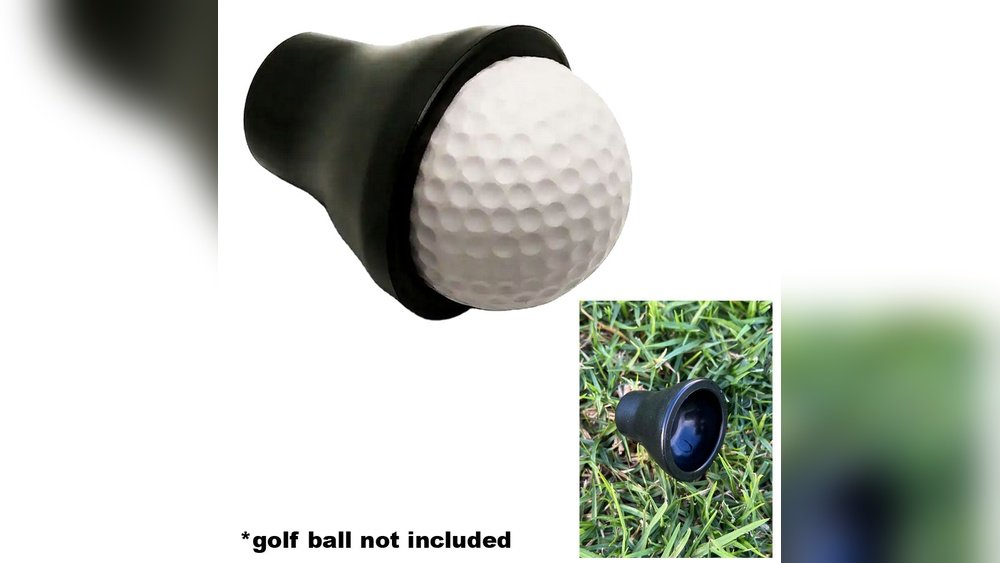
Have you ever lost a golf ball in a tricky spot and wished you had an easy way to get it back? Golf ball retrievers can be a real lifesaver, saving you time and frustration on the course.
But if you play in tournaments, you might be wondering: are these handy tools actually allowed? Knowing the answer could change how you approach your game and keep you from unexpected penalties. Keep reading to find out what the rules say about golf ball retrievers in tournaments and how you can use them without risking your score.
Tournament Rules On Equipment
Golf tournaments have strict rules about what equipment players can use. These rules keep the competition fair. Players must follow guidelines to avoid penalties. Understanding these rules helps players prepare better. Equipment rules cover clubs, balls, and extra tools like retrievers.
Official Golf Ball Retriever Policies
The official rules from golf’s governing bodies say retrievers are allowed. Players can use them to recover balls from water or rough areas. Retrievers must be used carefully to avoid disturbing the course. Some rules limit the length of the retriever. Using a retriever during a shot is not allowed. It must only be used between shots.
Variations Across Different Tournaments
Different tournaments may have specific rules on retrievers. Some smaller or local events may not allow them. Professional tournaments usually follow the official rules strictly. Organizers may check equipment before the event starts. Players should always check the tournament rules before playing. Knowing the rules avoids surprises on the course.
Benefits Of Using Golf Ball Retrievers
Golf ball retrievers offer practical help during a round of golf. They make finding and getting balls easier, especially in hard-to-reach places. Using a retriever can improve the flow of your game and keep you comfortable on the course.
These tools are popular among golfers who want to save effort and time. They also help avoid frustration when balls land in water or thick grass. Here are two main benefits of using golf ball retrievers.
Saving Time During Play
Golf ball retrievers speed up the process of collecting balls. They allow you to reach balls without walking to difficult spots. Less time spent searching means more time playing.
Quicker ball retrieval keeps the game moving smoothly. It reduces delays for you and other players. Using a retriever helps maintain a good pace on the course.
Reducing Physical Strain
Golf ball retrievers reduce bending and stretching. This lowers the chance of back pain or muscle strain. They help players avoid awkward positions to reach balls.
This is especially helpful for older golfers or those with injuries. The retriever lets you stay comfortable and avoid extra effort. It makes the game easier on your body.
Common Restrictions And Penalties
Golf ball retrievers can be helpful tools during casual play. Still, tournaments have strict rules about their use. Understanding common restrictions and penalties helps players avoid problems. Knowing these rules keeps the game fair and respects the sport’s spirit.
When Retrievers Are Prohibited
Many tournaments ban golf ball retrievers completely. This rule applies especially in professional and high-level amateur events. The reason is simple: retrievers can give an unfair advantage. They allow players to find lost balls faster. This speeds up play and can affect the competition.
Some events allow retrievers only in specific situations. For example, retrieving balls from water hazards might be banned. Rules vary, so players must check tournament guidelines before use. Ignoring these rules can lead to penalties or disqualification.
Consequences Of Rule Violations
Breaking retriever rules can bring serious penalties. A player may lose strokes or be disqualified. Penalties depend on the tournament’s rules and the violation’s severity. Referees watch carefully for improper retriever use.
Even accidental rule breaches can hurt a player’s score. Officials expect players to know and follow all equipment rules. Penalties protect fairness and maintain the tournament’s integrity. Respecting these limits shows good sportsmanship and discipline.

Alternatives To Golf Ball Retrievers
Golf ball retrievers are not always allowed in tournaments. Players need other ways to get their balls safely. Alternatives can help find balls without breaking the rules. These options keep the game fair and fun.
Manual Retrieval Techniques
Players often use simple tools like a golf club or their hand. Reaching carefully into bushes or water can bring back lost balls. Walking slowly and scanning the ground helps spot balls quickly. Asking a caddie or partner to assist is common. These methods need patience and care but follow tournament rules.
Using Technology Within Rules
Some gadgets help find balls without touching them. Rangefinders measure distance but do not retrieve balls. GPS watches can track ball location on the course map. Smart apps help remember ball spots after a shot. These tools are allowed as long as they do not interfere with play. Technology helps players save time and stay within rules.
Tips For Tournament Preparation
Preparing for a golf tournament takes more than just skill. Understanding the rules and equipment is important. Being ready helps you avoid penalties and focus on your play. Here are some practical tips to prepare for tournaments with golf ball retrievers.
Checking Equipment Regulations
Every tournament has its own rules about what equipment is allowed. Check the official rulebook or tournament guidelines carefully. Some events may not allow golf ball retrievers. Make sure your retriever meets size and design limits. Knowing the rules saves you from disqualification. Bring only approved equipment to the course.
Practicing Retrieval Skills
Practice using your golf ball retriever before the tournament. Try different techniques to pick up balls quickly and smoothly. Work on reaching balls in water or rough areas safely. Practicing helps you avoid delays during your round. It also builds confidence in using the retriever under pressure. Keep your retriever clean and in good shape for best results.

Frequently Asked Questions
Are Golf Ball Retrievers Allowed In Official Tournaments?
Yes, golf ball retrievers are generally allowed in most official tournaments. However, players should check specific tournament rules before use. Some events may have restrictions on equipment for fairness and pace of play.
Can Using A Golf Ball Retriever Affect Tournament Rules?
Using a golf ball retriever does not usually violate tournament rules. It helps players retrieve lost balls quickly without penalty. Always confirm with the tournament committee to avoid any rule conflicts.
What Types Of Golf Ball Retrievers Are Tournament Legal?
Most telescopic and manual golf ball retrievers are legal in tournaments. They must not provide an unfair advantage or interfere with play. Check tournament guidelines for any specific restrictions on designs or materials.
Why Do Some Tournaments Restrict Golf Ball Retrievers?
Tournaments may restrict retrievers to maintain fairness and speed of play. Excessive use can slow the game or give unfair advantages. Restrictions ensure consistent conditions for all players.
Conclusion
Golf ball retrievers are usually allowed in most golf tournaments. They help players save time and avoid extra strokes. Always check the specific tournament rules before playing. Using a retriever can keep the game smooth and fair. Remember, each event may have its own guidelines.
Playing smart means knowing what tools you can use. Keep your focus on the game, not lost balls. This simple tool can make your experience better without breaking any rules.


