Are you wondering whether to choose spiked or spikeless golf shoes for your next round? The right shoes can make a big difference in your comfort, stability, and even your game.
But how do you know which type suits you best? You’ll discover the key differences between spiked and spikeless golf shoes. By the end, you’ll be confident in picking the perfect pair that matches your style and needs. Keep reading to find out what could improve your swing and your walk on the course.
Spiked Golf Shoes
Spiked golf shoes have been a staple in the golf world for many years. They are designed to give players extra grip and control on the course. These shoes help golfers stay steady during their swings and while walking on different surfaces. Understanding their features can help you decide if they suit your style of play.
Design Features
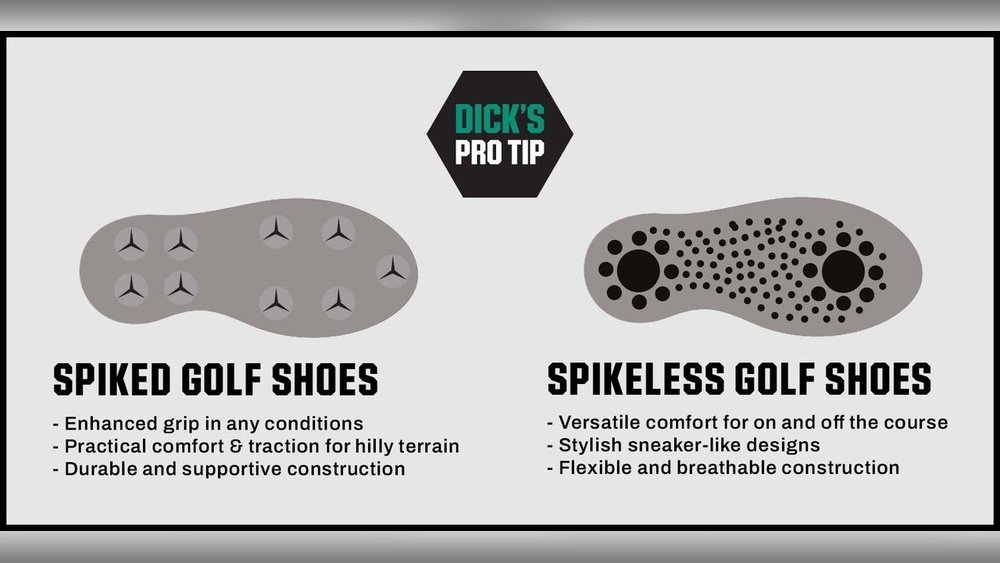
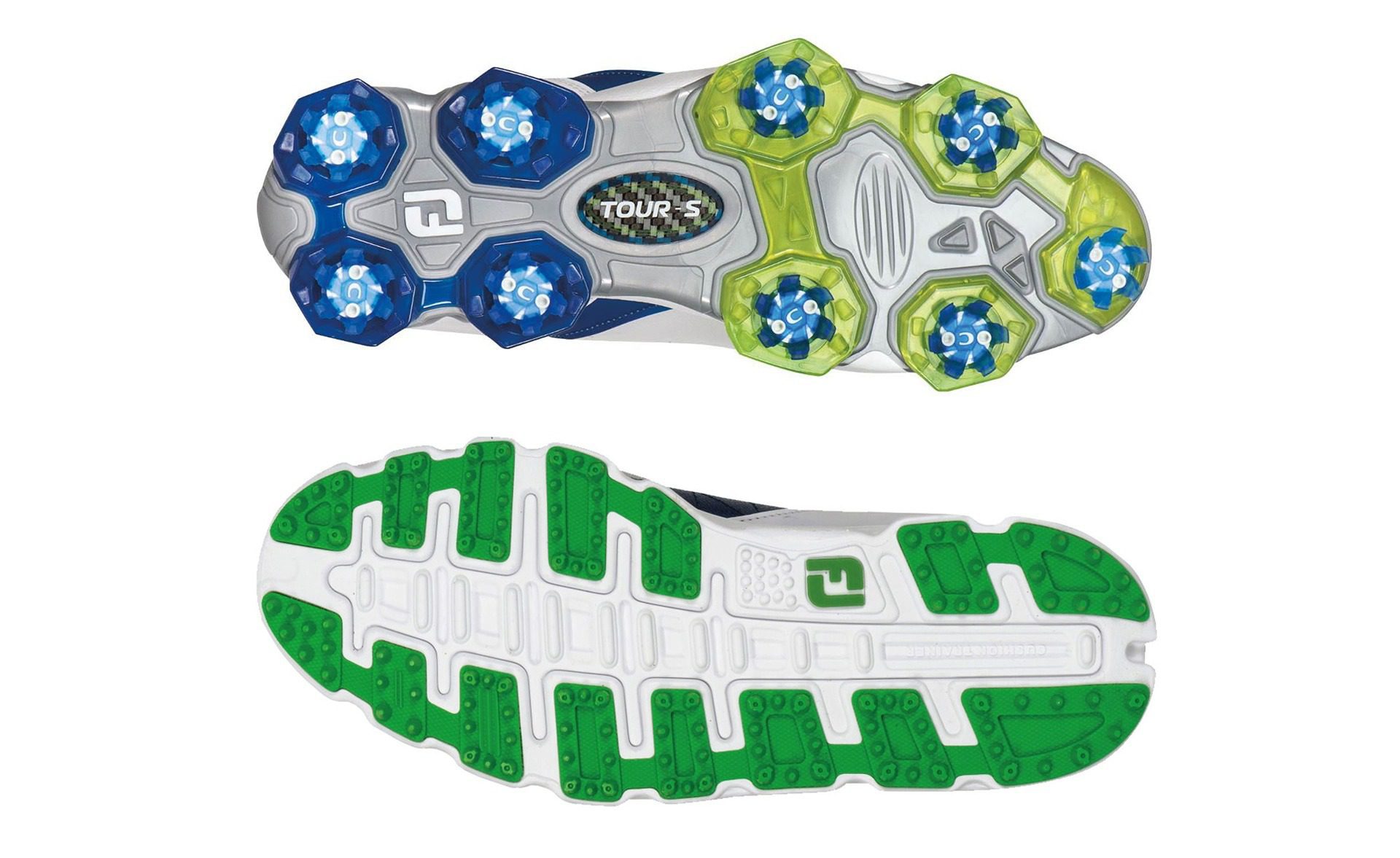
Spiked golf shoes have small spikes on the sole. These spikes are usually made of plastic or metal. They are placed to provide maximum grip and balance. The shoe’s upper part is often made of leather or synthetic materials. This design offers support and comfort during long rounds.
Traction And Stability
Spikes dig into the grass and soft ground. This prevents slipping on wet or uneven surfaces. They give golfers more stability during swings. The extra traction helps maintain balance and improves swing accuracy. This feature is especially helpful on hilly or damp courses.
Performance Benefits
Spiked shoes enhance power and control in your swing. They keep your feet from moving during important shots. This leads to better ball contact and consistency. Many golfers feel more confident wearing spiked shoes. The shoes also reduce fatigue by providing steady footing.
Common Materials
Spiked golf shoes often use leather for durability and breathability. Synthetic materials are common for lightweight and water resistance. The spikes themselves are usually made of plastic to protect greens. Some high-end models use metal spikes for extra grip. These materials balance comfort, performance, and course friendliness.
Spikeless Golf Shoes
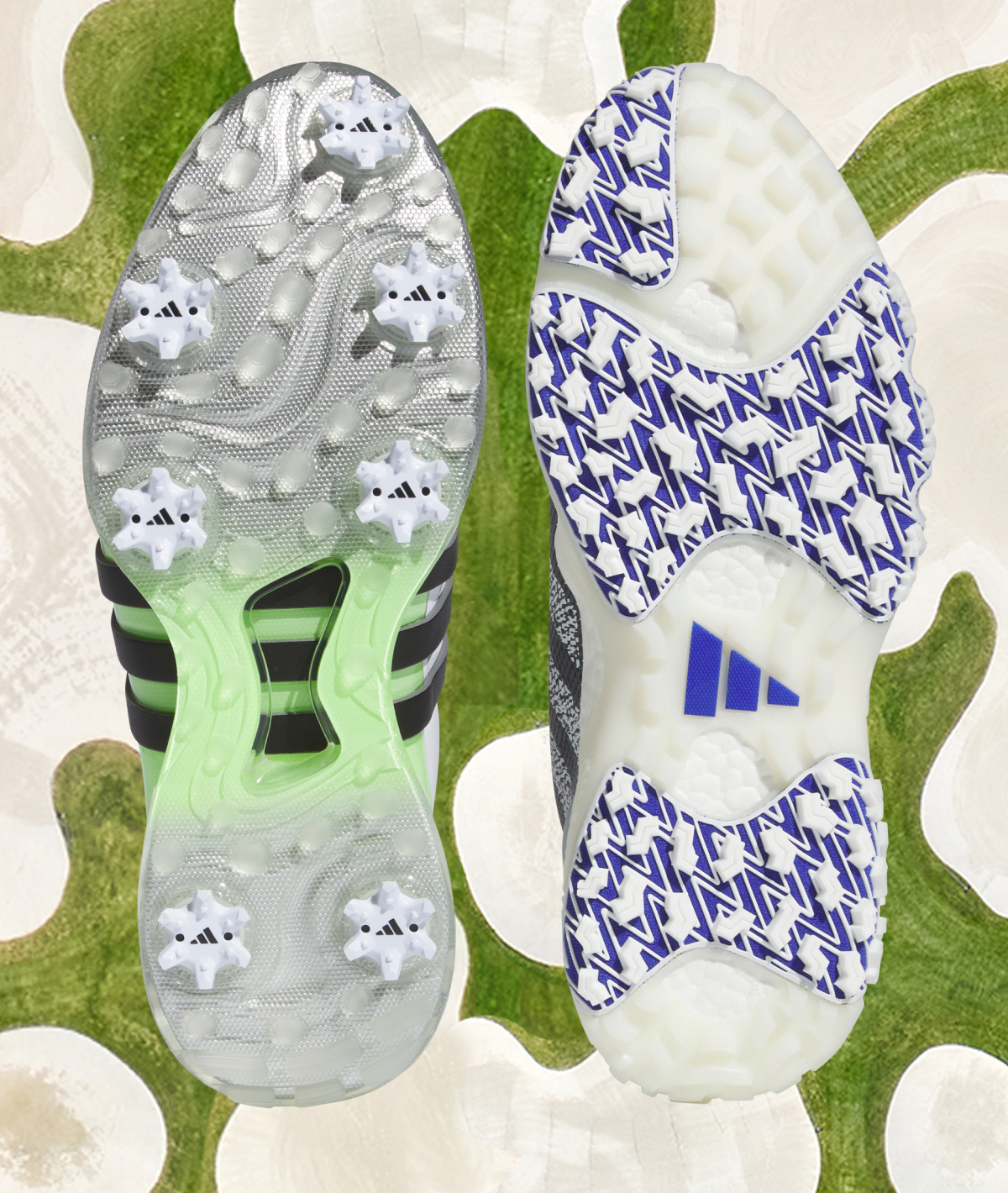
Spikeless golf shoes are a popular choice for many players. They offer a different feel compared to traditional spiked shoes. These shoes provide good grip without the use of metal or plastic spikes. They are designed for comfort and everyday use on and off the golf course.
Design Features
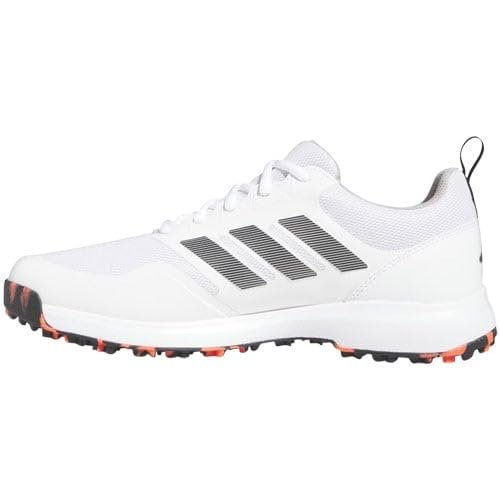
Spikeless golf shoes have flat soles with small rubber nubs or patterns. These designs help grip the grass and ground firmly. The soles are flexible, allowing natural foot movement. The upper part of the shoe often looks like regular sneakers. This design makes them stylish and less bulky.
Comfort And Flexibility
These shoes are known for their comfort. Soft cushioning inside supports the foot well. The flexible soles bend easily with each step. This flexibility reduces foot fatigue during long rounds. The lightweight design adds to the comfort and ease of walking.
Performance Benefits
Spikeless shoes provide solid traction on dry and slightly wet surfaces. They allow quick movements without slipping. These shoes work well on paved paths and inside clubhouses. They are quieter than spiked shoes, causing less disturbance on the course. Many golfers prefer them for their versatility and comfort.
Common Materials
Most spikeless shoes use synthetic leather or mesh for breathability. Rubber soles are common for grip and durability. Some models include waterproof materials to keep feet dry. The use of lightweight fabrics helps with comfort and performance. These materials balance durability and flexibility for good play.
Comparing Traction And Grip
Traction and grip play a key role in choosing golf shoes. These features affect your balance and swing power. Spiked and spikeless golf shoes offer different levels of traction. Understanding these differences helps you pick the right shoe for your needs.
On Different Terrains
Spiked shoes have metal or plastic spikes on the sole. These spikes dig into soft ground, providing strong grip. They work best on wet or uneven turf. Spikeless shoes use rubber nubs or patterns. They give good traction on hard or dry surfaces. On smooth or paved paths, spikeless shoes offer better comfort. Spiked shoes may slip on hard ground without grass.
Weather Conditions Impact
Wet or muddy courses favor spiked shoes. Spikes prevent slipping by piercing the ground. Spikeless shoes lose grip in heavy rain or mud. On dry, sunny days, spikeless shoes perform well. They allow easier walking and less dirt buildup. Cold weather can make spikes less effective on frozen ground. Rubber soles on spikeless shoes maintain grip better in frost.
Comfort And Fit Differences
Comfort and fit play a big role in choosing between spiked and spikeless golf shoes. Each type offers a different feel on your feet during play. Understanding these differences helps you pick the right shoe for your game and foot comfort.
Weight And Flexibility
Spikeless shoes are usually lighter than spiked ones. This makes walking the course easier and less tiring. They also bend more easily, which helps your foot move naturally. Spiked shoes are often stiffer to give better support during swings. This stiffness can feel less flexible but offers more stability on uneven ground.
Breathability
Spikeless golf shoes often use mesh or softer materials. These allow more air to flow, keeping your feet cool and dry. Spiked shoes tend to use tougher materials for durability. They may not breathe as well, which can make feet feel hotter during long games.
Durability And Maintenance
Durability and maintenance play a big role in choosing between spiked and spikeless golf shoes. Both types face different wear and tear. How you care for them affects how long they last. Understanding these differences helps keep your shoes in good shape.
Cleaning Tips
Spiked golf shoes need careful cleaning to protect the spikes. Remove dirt from the spikes using a soft brush. Avoid harsh tools that can damage them. Wipe the shoe surface with a damp cloth. Let shoes dry naturally, away from heat.
Spikeless shoes are easier to clean. Use a brush to remove dirt from the sole. A damp cloth works well for the upper part. Dry them in a cool place. Avoid soaking spikeless shoes in water to prevent damage.
Lifespan Expectations
Spiked shoes usually wear out faster because spikes break or fall off. The spikes may need replacing over time. The sole can also wear down from walking on rough surfaces. Proper care can extend their life.
Spikeless shoes tend to last longer. Without spikes, there is less risk of parts breaking. The sole wears evenly, which helps durability. Regular cleaning and storage keep spikeless shoes lasting well.
Choosing The Right Shoe
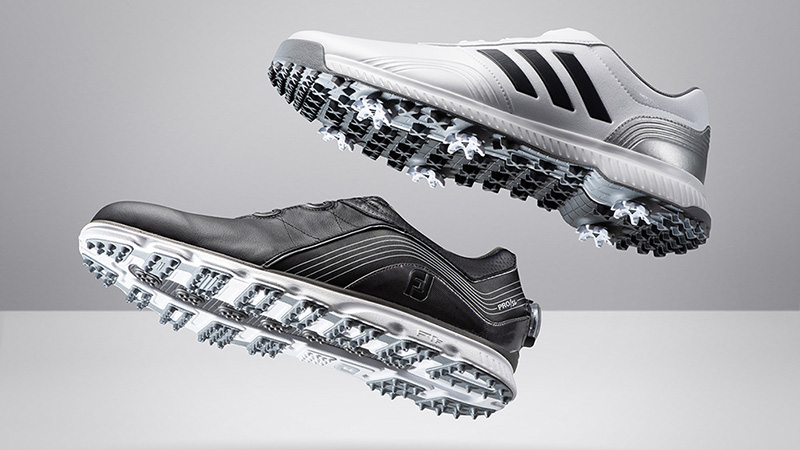
Choosing the right golf shoe is important for comfort and performance. Different shoes suit different needs. Consider your skill, how often you play, and the course type. This helps pick the best option for your game.
Skill Level Considerations
Beginners often find spikeless shoes easier to wear. They offer good grip and comfort for walking. Advanced players may prefer spiked shoes for extra stability. Spikes help maintain balance during a strong swing. Choose shoes that match your skill and comfort.
Playing Frequency
Frequent players benefit from durable shoes with strong traction. Spiked shoes usually last longer on rough courses. Casual players might prefer spikeless shoes for their lightweight feel. Spikeless shoes work well off the course too. Think about how often you play before buying.
Course Type
Wet or hilly courses need shoes with strong grip. Spiked shoes provide better traction in these conditions. Dry, flat courses allow more flexibility in shoe choice. Spikeless shoes perform well on smooth surfaces. Match your shoes to the course conditions for better play.
Frequently Asked Questions
What Are The Main Differences Between Spiked And Spikeless Golf Shoes?
Spiked golf shoes have removable spikes for better grip on grass. Spikeless shoes use rubber nubs, offering more comfort and versatility off-course. Spiked shoes provide superior traction, while spikeless shoes focus on style and casual wear.
Which Golf Shoes Offer Better Traction On Wet Grass?
Spiked golf shoes provide better traction on wet grass. Their spikes dig into soft ground, preventing slips. Spikeless shoes may struggle in wet conditions due to less aggressive soles.
Are Spikeless Golf Shoes More Comfortable Than Spiked Ones?
Yes, spikeless golf shoes are generally more comfortable. They have flexible soles and lighter construction. Spiked shoes can feel rigid and heavier but offer better stability during swings.
Can I Wear Spikeless Golf Shoes Off The Golf Course?
Yes, spikeless golf shoes are versatile for off-course use. Their casual design and comfortable soles make them suitable for walking and everyday activities. Spiked shoes are less practical off the course.
Conclusion
Choosing between spiked and spikeless golf shoes depends on your needs. Spiked shoes offer better grip on soft or wet grass. Spikeless shoes are lighter and more comfortable for walking. They work well on dry, smooth surfaces. Consider where you play most often.
Think about comfort and traction you want. Both types have pros and cons. Your choice affects your balance and game feel. Try both to see which fits your style best. Play confidently with the right golf shoes.