Choosing the right golf shoes can make a huge difference when you’re playing on hilly courses. If you’ve ever struggled with slipping or felt unstable on uneven ground, you know how frustrating it can be.
Your shoes are more than just gear—they’re your foundation for every swing, every step, and every challenge the course throws at you. In this guide, you’ll discover exactly what to look for in golf shoes that keep you steady and comfortable on slopes.
Ready to improve your game and walk with confidence? Let’s dive in.
Key Features For Hilly Terrain
Playing golf on hilly courses needs special shoes. The right shoes help keep balance and comfort on slopes. Choosing shoes with certain features makes walking and swinging easier. These features protect your feet and improve your game.
Grip And Traction Essentials
Good grip is key for hilly terrain. Shoes with strong spikes or cleats prevent slipping on slopes. Look for soles that dig into the ground firmly. This stops sliding during swings or walking uphill. Grip helps maintain steady footing on uneven surfaces.
Sole Flexibility And Support
Flexible soles allow your feet to move naturally. This helps when walking on curved or steep paths. Supportive shoes reduce foot fatigue and protect joints. Choose shoes with cushioned midsoles for extra comfort. Proper support keeps your feet stable on rough ground.
Waterproofing Benefits
Hilly courses often have wet or damp spots. Waterproof shoes keep your feet dry in these conditions. Wet feet can cause blisters and discomfort. Waterproof materials also last longer and resist stains. Staying dry helps you focus on your game, not your feet.
Types Of Golf Shoes To Consider
Choosing the right golf shoes for hilly courses means knowing the types available. Shoes differ in design and function. These differences affect your comfort and grip on slopes. Understanding the types helps pick shoes that keep you steady on hills.
Focus on shoe features that support your feet and improve balance. The two main categories are spiked and spikeless shoes. Another choice is between lightweight and durable models. Each type suits different needs on a hilly golf course.
Spiked Vs. Spikeless Options
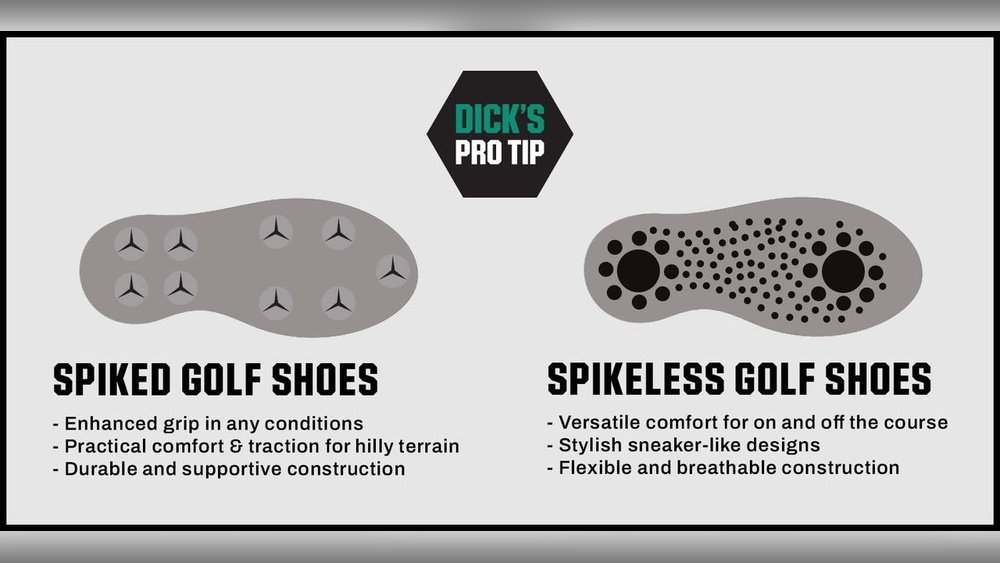
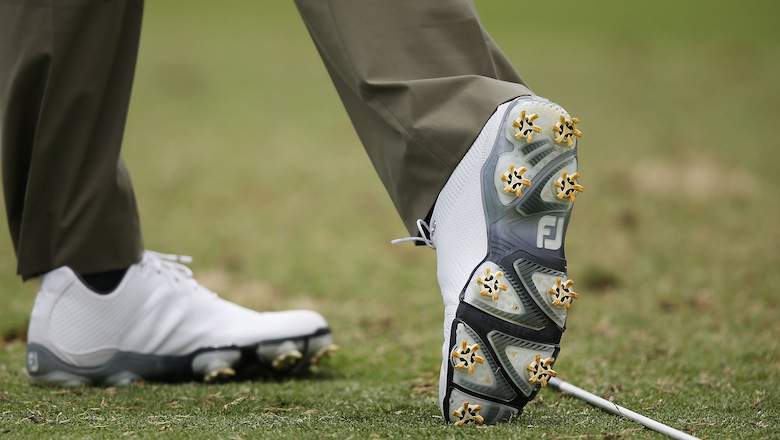
Spiked golf shoes have cleats or spikes on the soles. These spikes dig into the ground for better traction. They help prevent slipping on steep or wet slopes. Spiked shoes offer more stability on uneven terrain.
Spikeless shoes have flat soles with rubber studs. They look more like regular sneakers. These shoes provide good grip on mild slopes. They are comfortable for walking but may slip on wet hills. Choose spikeless shoes for smooth, less steep courses.
Lightweight Vs. Durable Models
Lightweight golf shoes feel less heavy on your feet. They make walking easier on long courses. These shoes are usually made with breathable materials. They keep your feet cool but might wear out faster on rough hills.
Durable golf shoes use strong materials for long-lasting wear. They protect your feet from rocks and rough ground. These shoes are heavier but provide better support. Durable models work well on tough, hilly terrains.
Fit And Comfort Factors
Choosing golf shoes for hilly courses means focusing on fit and comfort. Shoes must keep your feet steady on slopes. They should feel good during long walks. Proper fit helps avoid blisters and discomfort. Comfort supports better balance and control.
Sizing Tips For Stability
Select shoes that fit snug but not tight. Shoes that are too loose cause slipping. Try shoes on with golf socks you wear. Walk around to check for any pressure points. Slightly bigger shoes can cause instability. A firm fit keeps your foot from sliding inside. Size matters more on uneven terrain.
Cushioning And Arch Support
Cushioning absorbs shock from walking on hills. Good cushioning reduces foot fatigue and pain. Look for shoes with padding in the heel and sole. Arch support helps maintain foot alignment. It prevents foot strain on steep slopes. Shoes with proper support improve your balance. Comfort and support help you play longer.
Materials And Durability
Choosing golf shoes for hilly courses means focusing on materials and durability. Shoes must handle rough terrain and keep feet comfortable. The right materials help with grip and support on slopes. Durability ensures shoes last through many rounds on uneven ground.
Leather Vs. Synthetic Materials
Leather shoes feel soft and mold to your feet. They offer strong support and last long. Leather also resists water well, keeping feet dry on wet hills. Synthetic materials are lighter and often cheaper. They dry faster but may wear out sooner. Both types can work, but leather suits tough, hilly courses better.
Breathability And Weather Resistance
Breathable shoes stop feet from getting too hot. This prevents sweat and blisters during long walks. Shoes with weather resistance block rain and mud. Waterproof layers keep feet dry on wet hills. Good golf shoes balance breathability with protection. This helps you stay comfortable no matter the weather.
Additional Features For Hilly Courses
Choosing golf shoes for hilly courses means thinking beyond just style. You need shoes that support your feet on uneven ground. Extra features help keep you steady and comfortable. These features protect your feet and improve your balance during swings on slopes.
Ankle Support And Protection
Hilly courses often have sharp slopes and rough paths. Shoes with good ankle support prevent your ankles from twisting. High-cut designs or padded collars offer better protection. This support keeps your foot stable during uphill and downhill shots. It reduces the risk of injury on tricky terrain.
Weight Distribution And Balance
Balance is crucial on hills. Shoes designed for weight distribution help spread pressure evenly. This reduces foot fatigue during long walks. Look for soles with special grips to prevent slipping. Proper balance improves your stance and swing accuracy on slopes. It makes walking and playing easier on uneven ground.
Testing And Trying Shoes
Testing and trying golf shoes is key for hilly courses. Shoes feel different on flat ground versus slopes. You must check comfort, grip, and support carefully. Taking time to try shoes helps find the best fit for your feet and the course.
On-course Testing Tips
Wear shoes during a real round of golf. Walk on hills and slopes like you will on the course. Pay attention to how the shoes grip on grass and dirt. Notice if your feet slide or feel stable. Try different shoes on various slopes to compare. Walk up and down hills to check comfort and support. Make sure shoes keep your feet steady during swings.
Indoor Vs. Outdoor Trials
Trying shoes indoors is easy but not enough. Indoor floors are flat and smooth. They do not show how shoes behave on uneven ground. Outdoor trials give real feedback on grip and fit. Test shoes on grass, dirt, and slopes outside. This helps find shoes that perform well on hilly courses. Use indoor trials to check fit and comfort first. Then test outdoors to confirm grip and stability.
Maintenance For Longevity
Maintaining golf shoes is key to making them last longer. Proper care keeps the shoes comfortable and stable on hilly courses. Dirt, mud, and sweat can damage the material and reduce grip. Regular maintenance protects your investment and improves performance.
Cleaning Techniques
Remove dirt and mud after each round. Use a soft brush or cloth to clean the surface. Avoid harsh chemicals that can damage the shoe material. For leather shoes, apply a mild leather cleaner. Let shoes dry naturally, away from direct heat. Clean the soles to maintain good traction on slopes. Check for loose spikes and replace them if needed.
Storage Recommendations
Store golf shoes in a cool, dry place. Avoid damp or humid areas to prevent mold and odor. Use shoe trees or stuff shoes with paper to keep their shape. Keep shoes away from direct sunlight to avoid fading. Let shoes air out after each use to reduce moisture. Proper storage helps shoes stay firm and comfortable on hilly terrain.

Frequently Asked Questions
What Features Make Golf Shoes Ideal For Hilly Courses?
Golf shoes for hilly courses need excellent traction, stability, and comfort. Look for deep spikes or aggressive soles to prevent slipping. Lightweight and supportive shoes help maintain balance on uneven terrain. Waterproof materials keep feet dry during varied weather conditions.
How Important Is Grip On Golf Shoes For Hills?
Grip is crucial on hilly courses to avoid slipping and maintain balance. Shoes with soft spikes or cleats provide better traction on steep slopes. Good grip enhances confidence and stability while walking or swinging, reducing injury risk.
Should Golf Shoes For Hills Be Waterproof?
Yes, waterproof shoes are beneficial on hilly courses. Hills often expose players to wet grass and mud. Waterproof materials keep feet dry and comfortable, preventing blisters and discomfort during long rounds.
Can Lightweight Golf Shoes Improve Performance On Hills?
Lightweight shoes reduce foot fatigue during uphill walking and climbing. They enhance mobility and comfort without compromising support and traction. Choose shoes balancing lightness with durability for best hill performance.
Conclusion
Choosing the right golf shoes for hilly courses takes some thought. Focus on shoes with good grip and strong support. Comfort matters a lot during long walks uphill and downhill. Shoes that fit well help keep balance on uneven ground.
Remember, the right shoes make your play easier and safer. Take your time to try different pairs before deciding. A good choice helps you enjoy the course more every time.