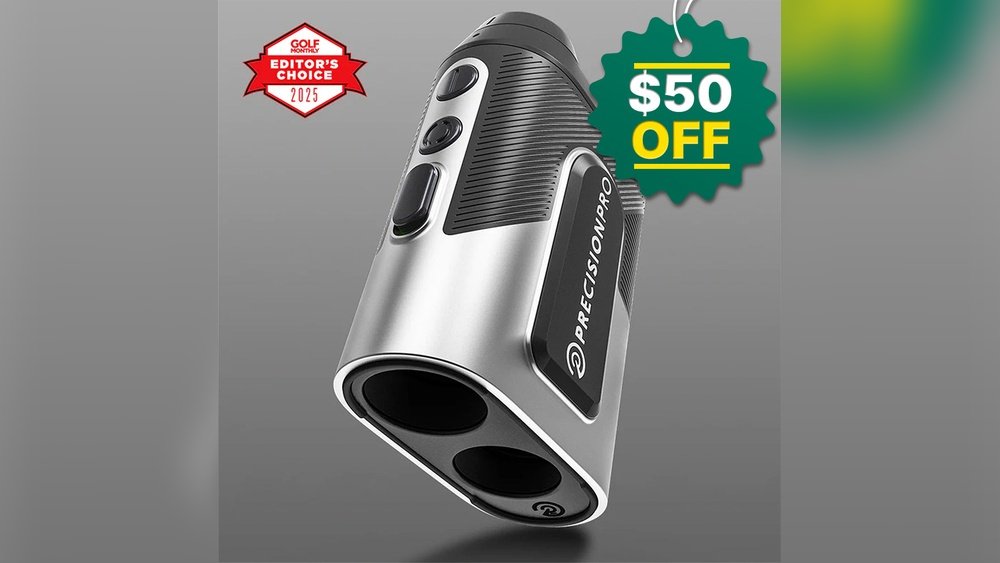
Have you ever wondered if your golf rangefinder works the same way on every course you play? You rely on it to measure distances accurately and improve your game.
But what if the course conditions or layout affect how well it performs? Understanding this can make a big difference in your score and confidence on the green. Keep reading to find out how rangefinders work across different courses and what you need to know to get the most out of yours.
How Golf Rangefinders Operate
Golf rangefinders help players know the distance to targets on the course. They provide quick and accurate measurements. This helps golfers choose the right club and improve their shots.
Rangefinders use special technology to measure distances. They send signals to the target and calculate how far it is. Different types of rangefinders use different methods for this.
Technology Behind Rangefinders
Most golf rangefinders use laser or GPS technology. Laser rangefinders send a laser beam to the target. The device measures the time it takes for the beam to return. This gives the exact distance to the target.
GPS rangefinders use satellite data. They know the golfer’s position and the course layout. They calculate the distance based on this information. Both types aim to give precise readings quickly.
Types Of Rangefinders
Laser rangefinders are popular for their accuracy. They work well on clear days and open courses. They can measure distances to flags, hazards, and trees.
GPS rangefinders are useful on all courses. They show distance to the green and other key points. They do not depend on line of sight. This makes them helpful in hilly or wooded areas.
Some devices combine both laser and GPS features. This offers versatility for different course conditions. Choosing the right type depends on personal preference and course style.
Course Conditions Affecting Rangefinder Use
Golf rangefinders help measure distance on the course. Their accuracy depends on course conditions. Different factors can affect how well they work. Understanding these factors helps golfers use rangefinders better. Two main elements that affect performance are terrain and weather.
Terrain And Obstructions
Hills, trees, and bushes can block the rangefinder’s signal. Steep slopes may cause incorrect distance readings. Thick forests or dense bushes create challenges. Rangefinders work best with a clear line of sight. Some courses have more obstacles than others. Open fairways give more accurate results. Courses with many hills and trees might reduce device accuracy.
Weather Impact
Rain, fog, and mist reduce the rangefinder’s effectiveness. Water droplets scatter the laser beam. Strong sunlight can also interfere with readings. Cold temperatures might affect battery life and device function. Wind does not directly affect rangefinder accuracy. Wet or foggy conditions often mean less reliable distances. Clear, dry days offer the best performance for rangefinders.
Rules And Regulations On Different Courses
Golf rangefinders help players measure distances accurately. But their use is not allowed everywhere. Different golf courses have specific rules about rangefinders. Knowing these rules can save you from trouble on the course.
Tournament Restrictions
Tournaments often have strict rules about rangefinders. Many do not allow any electronic devices that assist with distance. Some tournaments only allow rangefinders that measure distance, not slope or wind. Always check the tournament rules before using a rangefinder.
Local Club Policies
Local clubs set their own rules for rangefinder use. Some clubs allow all types of rangefinders. Others limit or ban them during regular play. Club policies depend on tradition and fairness for all players. It is best to ask the club before using a rangefinder there.
Compatibility With Course Features
Golf rangefinders are useful tools for players of all levels. Their ability to work well depends on the course features. Different courses have unique layouts and challenges. Rangefinders must handle these well to provide accurate readings. Understanding compatibility with course features helps golfers choose the right device.
Measuring Distances To Flags
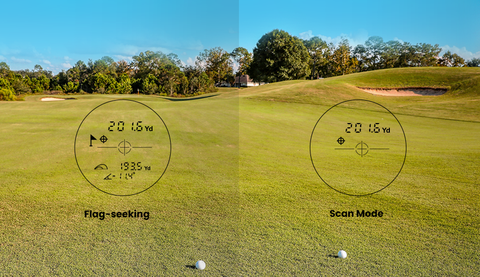
Rangefinders use lasers to measure distance to the flag. This works best on clear, open courses. Trees and bushes can block the laser beam. Some rangefinders have special modes to focus on flags. They ignore background objects to avoid confusion. This feature improves accuracy on busy courses.
Handling Elevation Changes
Many golf courses have hills and slopes. Elevation changes affect the true distance to the hole. Basic rangefinders show only straight-line distance. Advanced models adjust for elevation automatically. This helps golfers choose the right club. Accurate elevation data means better shots and scores.
Common Limitations Of Rangefinders
Golf rangefinders help players measure distances on the course. They offer useful information for better shots. Still, these devices have limits that affect their use. Knowing these limits helps golfers use rangefinders well.
Battery Life And Maintenance
Rangefinders need batteries to work. Battery life varies by model and use. Running out of power during a round can be a problem. Keeping spare batteries is smart. Some models use rechargeable batteries. These need regular charging for best performance.
Maintenance keeps rangefinders accurate. Dirt, dust, and moisture can damage parts. Clean lenses carefully and store devices safely. Avoid dropping or hitting the rangefinder. Regular care extends device life and reliability.
Accuracy Challenges
Rangefinder accuracy can change on different courses. Trees, hills, and buildings may block signals. This causes wrong distance readings. Weather conditions like rain or fog also affect accuracy.
Some rangefinders struggle to measure distances on very long holes. Reflective surfaces can confuse the laser. Using the device correctly helps reduce errors. Practice improves understanding of each rangefinder’s limits.
Tips For Maximizing Rangefinder Performance
Golf rangefinders can improve your play by giving accurate distance readings. To get the best results, you need to use them correctly. Small tips can boost the performance of your rangefinder on any golf course.
Focus on choosing the right model and using proper techniques. Both steps help you make the most of your device. This section explains how to do that clearly.
Choosing The Right Model
Select a rangefinder that fits your skill level and budget. Some models offer basic distance only. Others include slope measurement or pin-seeking features. Think about what features you need most.
Check the range accuracy and battery life. A device with clear optics and easy controls makes measuring easier. Also, consider the size and weight for comfort during play.
Proper Usage Techniques
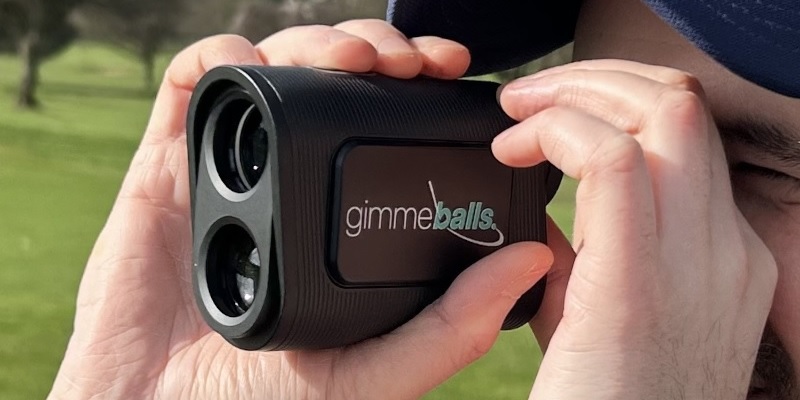
Hold the rangefinder steady for a clear reading. Use both hands if needed. Aim directly at the flag or target. Avoid aiming at shiny or reflective surfaces.
Take multiple readings to confirm the distance. Use the slope function only if allowed by your golf rules. Practice using the device before playing a full round.

Frequently Asked Questions
Do Golf Rangefinders Work On All Golf Courses?
Most golf rangefinders work on nearly all courses. However, some courses restrict their use during tournaments or casual play. Check local rules before using one to avoid penalties or disputes.
Can Rangefinders Measure Distances Through Trees Or Obstacles?
Rangefinders typically require a clear line of sight. Trees or obstacles can block the laser, causing inaccurate readings or failure to measure distance.
Are Gps And Laser Rangefinders Equally Effective On Courses?
GPS rangefinders provide distance based on course maps, while laser rangefinders measure actual distances. Both work well, but laser models offer greater precision when clear views exist.
Do Golf Rangefinders Help Improve Game Performance?
Yes, rangefinders provide accurate distance data, aiding club selection and shot planning. This helps players make better decisions and improve overall performance on the course.
Conclusion
Golf rangefinders work well on most courses. Terrain and weather can affect their accuracy sometimes. Always check course rules before using one. They help players judge distances quickly and clearly. Using a rangefinder can improve your play. Choose one that fits your needs and budget.
Practice with it to get comfortable on the course. Technology aids, but skill still matters most in golf.