The Bushnell Launch Pro (GC3) is the most accurate camera-based pick today.
You want dependable numbers without the fuss. Maybe you’re building a home sim, grinding at the range, or fixing a persistent miss. A smart launch monitor can help you see what the eyes miss. The right unit shows ball flight, face angle, and path in an instant. It also gives feedback you can trust. In this guide, I break down the Best camera-based golf launch monitor options and a few hybrids that use both cameras and radar. I tested ease of use, data depth, and value. I also share who each one suits best, so you can buy once and be happy for years.

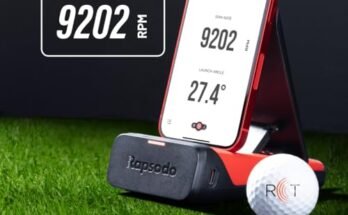
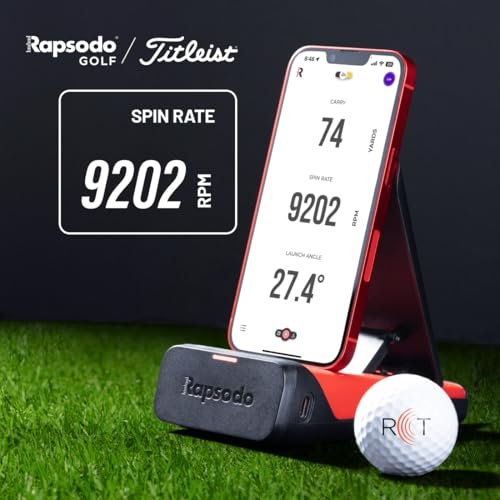
Rapsodo – Mobile Launch Monitor…
Pro-Level Golf Launch Monitor with GPS Tracking – The Rapsodo mobile launch monitor delivers tour-level accuracy for shot distance, ball speed, club speed, and launch angle, with GPS satellite view…

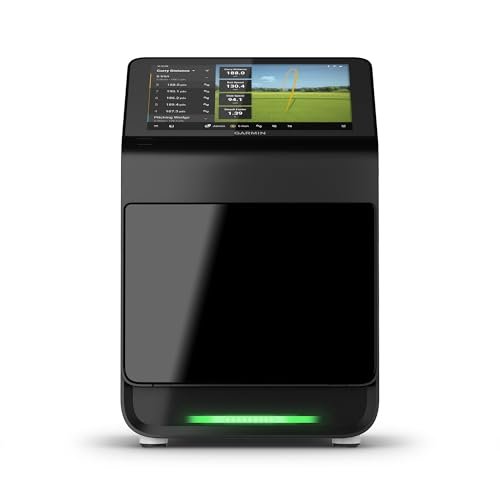
Garmin Approach® R50, Premium Golf…
Fine-tune your form with this premium launch monitor and simulator that utilizes a 3-camera system for precision metrics Tap into insights, select courses, review impact videos, or play a virtual…
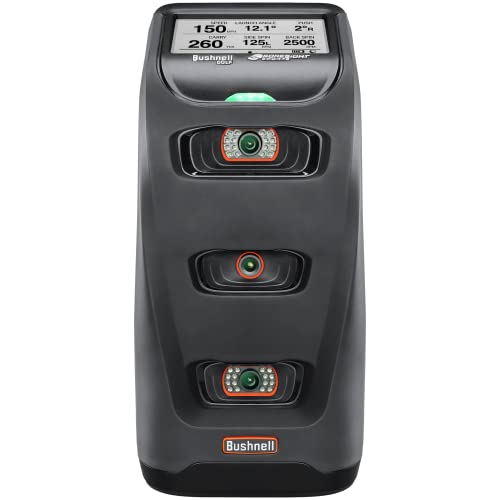
Bushnell Golf Launch Pro –…
WHAT WE MEASURE – The Bushnell Golf Launch Pro captures and measures thousands of frames per second, giving the most reliable and accurate launch condition and ball flight in the…
Rapsodo Mobile Launch Monitor (iPhone/iPad)

The Rapsodo Mobile Launch Monitor (MLM) uses your iPhone or iPad camera to give instant video feedback with shot tracer. It is portable, quick to set up, and friendly for new users. You can see ball speed, club speed, launch angle, and more in a simple app. GPS range mapping and session summaries make practice fun and trackable.
While the core measurements use radar, the app’s camera-based video is the star. It captures each swing and overlays ball flight. This makes it easy to connect numbers to feel. If you want a low-cost way to start, it is a solid step. It is not as precise as pro photometric systems, but it punches above its price.
Pros:
- iPhone/iPad camera gives clear swing video and shot tracer
- Fast setup and simple workflow at the range
- Useful metrics for speed and launch training
- GPS shot mapping for course and range sessions
- Great value for casual players and beginners
Cons:
- iOS only; no native Android
- Radar-based measurements are less precise indoors
- Needs good lighting and space for best results
My Recommendation
If you want video-led practice and easy sharing, this is ideal. It is not the Best camera-based golf launch monitor in terms of pure camera accuracy. But it gives camera-driven context at a friendly price. It is great for speed training and swing checks. It also fits players who do not need full simulator play.
| Best for | Why |
|---|---|
| Beginners | Simple app, clear video, and helpful metrics |
| Range rats | Quick setup and GPS mapping make practice fun |
| Budget shoppers | Low cost entry to video and data together |
Garmin Approach R50 Launch Monitor

The Garmin Approach R50 is a premium launch monitor and simulator with a built-in 10-inch color touchscreen. It is designed for easy control without a phone. You can read metrics on the large display and dive into settings fast. This makes it a strong pick for a clean, stand-alone setup.
Garmin’s strength is smart software. Expect smooth connectivity, app support, and simulator options. With the screen onboard, you spend more time hitting balls than fiddling with menus. If you want a tidy home bay that feels pro, the R50 delivers. It pairs visuals with data in a user-friendly way.
Pros:
- Large 10-inch touchscreen for easy control
- Premium design for home and studio use
- Strong software ecosystem with sim options
- On-device metrics reduce phone dependence
- Clean user experience that speeds up practice
Cons:
- Higher price than entry devices
- May require subscriptions for full sim features
- Needs space and good lighting for best accuracy
My Recommendation
Choose the R50 if you want a polished setup with a big screen. It suits home sim users who value ease and design. It brings you close to the Best camera-based golf launch monitor experience with a sleek interface. It is also appealing if you want less reliance on phones and tablets.
| Best for | Why |
|---|---|
| Home simulators | Built-in screen and smooth sim workflow |
| Tech lovers | Smart features and easy navigation |
| Display-first users | Read data without a separate device |
Bushnell Launch Pro (Ball & Club Data)

The Bushnell Launch Pro is built on Foresight’s photometric engine (think GC3). High-speed cameras capture impact details with elite precision. You get trustworthy ball and club data indoors or outdoors. The unit is rugged, reliable, and validated by fitters and coaches.
If accuracy drives your choice, this is the standard under premium units. It reads shots without stickers on the ball. Club data may require club marker stickers for max detail, but results are consistent. It shines in tight indoor spaces where radar can struggle. That is why many call it the Best camera-based golf launch monitor for serious practice.
Pros:
- True photometric, high-speed camera system
- Excellent indoor accuracy in short spaces
- Trusted by coaches and fitters
- Stable readings in variable lighting
- Works for both ball and club data packages
Cons:
- Higher initial cost than entry devices
- Software and sim features may require subscriptions
- Club data often needs face stickers
My Recommendation
This is my top pick if you want dependable data every swing. It is the Best camera-based golf launch monitor for home bays and fitting-level feedback. It helps you dial in spin, launch, and path with confidence. If you pay for quality once, this is it.
| Best for | Why |
|---|---|
| Indoor accuracy | Photometric cameras excel in tight spaces |
| Club fitting | Consistent ball and club metrics you can trust |
| Serious practice | Stable performance across sessions |
Garmin Approach R10 Portable Launch Monitor
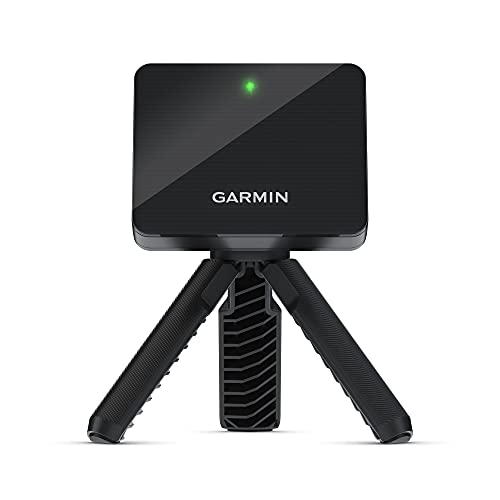
The Garmin Approach R10 is a popular radar-based monitor that offers big value. It is ultra-portable and runs for up to 10 hours. It tracks key metrics for game improvement and supports simulator play through partner software. The companion app organizes sessions and helps you see trends.
While not a camera-based unit, you can pair it with phone video to review swings. Accuracy is strong outdoors with proper alignment. Indoors, you’ll need space for radar to read well. If you want a light, flexible option, the R10 is a great budget path into the launch monitor world.
Pros:
- Excellent price-to-performance
- Long battery life for range days
- Portable and easy to travel with
- Simulator support through apps
- Helpful app analytics for progress tracking
Cons:
- Radar needs more space indoors
- Not a pure camera-based system
- Setup alignment matters for accuracy
My Recommendation
Pick the R10 if you want a budget-friendly, travel-ready companion. It is not the Best camera-based golf launch monitor, but it gives a lot for the money. Pair it with video for a fuller picture. It is perfect for the range, trips, and casual sim play.
| Best for | Why |
|---|---|
| Travel golfers | Small size and long battery life |
| Budget sim users | Low cost entry to simulator play |
| Data newbies | Simple metrics and app insights |
Voice Caddie SC200 Plus Launch Monitor

The Voice Caddie SC200 Plus is a compact radar device for quick feedback. It reads swing speed, ball speed, smash factor, and distance. The screen shows numbers on the unit itself. It is easy to use and fits in any range bag.
This is not a camera-based monitor, but it covers the basics well. The voice output is a neat touch for pace of practice. It works fine outdoors and in larger indoor spaces. If you want to work on speed and distance control on a budget, it does the job.
Pros:
- Simple and affordable tool
- On-unit display with voice feedback
- Good for speed and distance practice
- Portable and durable
- Battery life supports long sessions
Cons:
- Not a camera system
- Limited metrics compared to premium units
- No simulator play
My Recommendation
Buy this if you need basic numbers and a fast routine. It is not the Best camera-based golf launch monitor, but it is a handy speed trainer. I like it for wedge gapping and tempo work. It is a low-hassle tool that keeps practice moving.
| Best for | Why |
|---|---|
| Budget training | Low cost with core metrics |
| Speed work | Quick readouts and voice prompts |
| Range simplicity | On-device display, no apps required |
Voice Caddie SC4 Pro Launch Monitor

The SC4 Pro adds a built-in screen and a 3D driving range simulator mode without fees. It reads carry, total, ball speed, and more with a radar engine. The onboard display helps if you prefer to leave your phone in your pocket. It is a flexible tool for indoor nets or outdoor ranges.
Though not camera-based, the no-fee simulator mode is a big value play. It makes practice more engaging. You can still pair with a device for more visuals if you want. For a clean, no-subscription routine, the SC4 Pro is compelling.
Pros:
- Built-in screen for instant feedback
- No-fee 3D range simulator
- Good portability and easy setup
- Solid metrics for gapping and control
- Works indoors and outdoors
Cons:
- Radar, not photometric cameras
- Limited club data depth
- Accuracy depends on space and alignment
My Recommendation
Pick the SC4 Pro if you hate subscriptions and love a simple screen. It is not the Best camera-based golf launch monitor in a strict sense. But it makes everyday practice smooth and affordable. It suits golfers who want to enjoy practice without extra apps or fees.
| Best for | Why |
|---|---|
| No-fee practice | 3D range mode without subscriptions |
| Screen-first users | Onboard display shows core data |
| Home nets | Easy setup and steady feedback |
SkyTrak Max Launch Monitor

The SkyTrak Max uses dual Doppler radar and photometric cameras. That hybrid approach balances indoor and outdoor needs. The cameras lock in impact, while radar helps with club tracking and speed training. It is a big step up from first-gen units in speed and connectivity.
SkyTrak’s ecosystem is rich with game modes and sim links. The Max adds improved processing and ports for modern setups. If you like the idea of both radar and cameras, this is a smart pick. It offers a middle path toward the Best camera-based golf launch monitor experience without elite pricing.
Pros:
- Hybrid of photometric cameras and radar
- Stronger indoor accuracy than pure radar
- Improved hardware and connectivity
- Great software and game modes
- Good value for the feature set
Cons:
- Subscriptions may be required for advanced features
- Club data depth varies with setup
- Lighting and ball markings can matter
My Recommendation
Choose SkyTrak Max if you want hybrid power at a fair price. The camera side drives impact precision, which edges it closer to the Best camera-based golf launch monitor tier. The radar side supports speed and path insights. It is a well-rounded home sim engine.
| Best for | Why |
|---|---|
| Hybrid seekers | Cameras for impact, radar for speed |
| Home sim users | Strong software ecosystem |
| Value buyers | Balanced price with pro-like results |
Garmin Approach R50 Bundle with Case

This bundle includes the Garmin Approach R50 with a carrying case and extra accessories. The 10-inch touchscreen makes it a center-piece device. You get advanced ball and club metrics in a premium shell. The bundle helps protect your investment and keeps gear organized.
If you plan to move your setup between spaces, the case matters. It makes it easier to store and travel. You get the same clean UI and simulator options as the base R50. If you want a neat, ready-to-go package, this bundle is worth a look.
Pros:
- Includes case and accessories for protection
- Large screen for easy reading
- Advanced metrics and sim features
- Polished setup for home or studio
- Streamlined, stand-alone use
Cons:
- Bundle raises the price
- Requires space for optimal indoor accuracy
- Subscriptions may apply for sim content
My Recommendation
Go with the bundle if you want a premium, portable kit. It gives you the R50 plus protection and organization. For many, this is the closest to the Best camera-based golf launch monitor feel with pro-level convenience. It is a safe buy for a home sim cornerstone.
| Best for | Why |
|---|---|
| Mobile setups | Carrying case keeps gear safe |
| Home studios | Large screen and clean workflow |
| Gadget lovers | Polished hardware and accessories |
PRGR HS-130A Portable Launch Monitor

The PRGR HS-130A is a tiny radar unit that focuses on speed and distance. It gives club speed, ball speed, smash factor, and carry. The screen is basic but readable. It is a go-to for speed training and gapping on a tight budget.
This is not a camera device and does not offer sim play. But it shines as a no-frills practice tool. If you are doing speed sticks or off-season drills, it is perfect. It is the lowest barrier to entry for real numbers in your bag.
Pros:
- Very affordable
- Instant setup and easy to use
- Great for speed training
- Portable and sturdy
- Good battery life
Cons:
- No camera or simulator features
- Limited data compared to mid-tier units
- Accuracy sensitive to environment
My Recommendation
If you want numbers with zero fuss, get the PRGR. It is not the Best camera-based golf launch monitor. But it is the best “throw in the bag” speed companion. For training programs, it keeps you honest and motivated.
| Best for | Why |
|---|---|
| Speed training | Fast, repeatable readings |
| Budget buyers | Low cost with core metrics |
| Simple practice | No apps or setup headaches |
Bushnell Launch Pro (Ball Data Only)

This version of the Launch Pro focuses on ball data using high-speed cameras. You get the same photometric accuracy at a lower entry cost. It is ideal if you care most about carry, spin, and launch. You can upgrade software later for more features.
Indoor users will love the stability of a camera system. It is forgiving in tight spaces and gives consistent numbers. If you want the Best camera-based golf launch monitor feel without full club data, this is a smart buy. It keeps costs down but quality high.
Pros:
- Photometric precision at a lower price
- Great indoor performance in small bays
- Upgradeable software path
- Trusted Foresight/Bushnell pedigree
- Consistent readings swing after swing
Cons:
- No advanced club data unless you upgrade
- Subscriptions for some sim features
- Best results with proper lighting and setup
My Recommendation
Pick this if you want elite ball data at a fair price. It brings you into the Best camera-based golf launch monitor tier for impact accuracy. You can always add features as you grow. For many indoor golfers, it is the sweet spot.
| Best for | Why |
|---|---|
| Indoor practice | Photometric cameras excel inside |
| Ball flight tuning | Precise spin and launch data |
| Upgraders | Future-proof with software options |
FAQs Of Best camera-based golf launch monitor
Are camera-based launch monitors more accurate indoors?
Yes. Photometric cameras read impact at short distances. They are often more stable indoors than pure radar, which needs space.
Do I need special balls or club stickers?
Some camera systems work best with club face stickers for detailed club data. Many read ball data fine without special balls.
Can I use these monitors outdoors?
Yes. Camera-based units work outdoors. Just avoid harsh shadows and ensure stable placement for consistent reads.
What metrics matter most for improvement?
Start with carry distance, spin, launch angle, and face-to-path. These connect to control, gapping, and shot shape.
Which is the Best camera-based golf launch monitor for small rooms?
The Bushnell Launch Pro line is excellent. Photometric cameras handle tight indoor spaces well.
Final Verdict: Which Should You Buy?
If you want elite accuracy indoors, get the Bushnell Launch Pro. It is the Best camera-based golf launch monitor for stable, trusted numbers.
If you need a hybrid value, consider the SkyTrak Max. For budget video-led practice, Rapsodo MLM is a smart start.