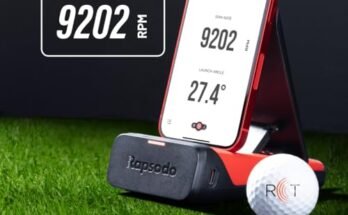
Are you curious about how reliable portable golf launch monitors really are? If you want to improve your game but wonder if these handy devices give you accurate data, you’re not alone.
Knowing the truth about their precision can save you time, money, and frustration. You’ll discover what affects their accuracy and how to get the most out of your launch monitor. Keep reading to make sure your practice sessions count and your swing improves like never before.
Types Of Portable Launch Monitors
Portable golf launch monitors come in different types. Each type uses unique technology to measure your shots. Understanding these types helps you choose the right one for your needs. Below are the main categories of portable launch monitors.
Radar-based Devices
Radar-based devices use radio waves to track the golf ball. They send signals that bounce off the ball and return to the device. The time it takes for the signal to return helps calculate speed and distance. These devices work well outdoors and provide accurate ball flight data.
They are popular for their ability to capture long shots. Radar-based monitors usually require some space behind the golfer. They may struggle indoors due to limited space or interference.
Camera-based Devices
Camera-based devices use high-speed cameras to record the ball and club movement. These images analyze the ball’s launch angle, spin, and speed. Cameras work well indoors and in small spaces. They offer detailed data on your swing and ball contact.
These devices often need good lighting for the best results. They can be very precise but might miss longer shots outdoors. Cameras focus more on the initial moments of the shot.
Hybrid Models
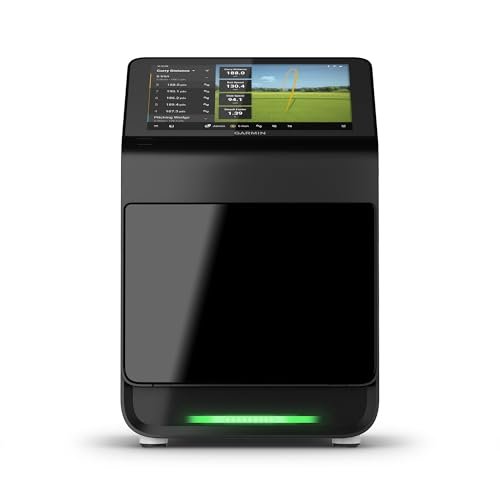
Hybrid models combine radar and camera technology. They use radar to track ball flight and cameras for swing analysis. This combination offers a fuller picture of your golf performance.
Hybrids work both indoors and outdoors. They provide detailed and accurate data on each shot. These models tend to be more expensive but deliver more complete information.

Key Metrics Measured
Portable golf launch monitors track several important numbers to help golfers improve. These devices measure key metrics that show how the ball flies and how the club moves. Understanding these numbers helps players see what works and what needs fixing.
Ball Speed And Launch Angle
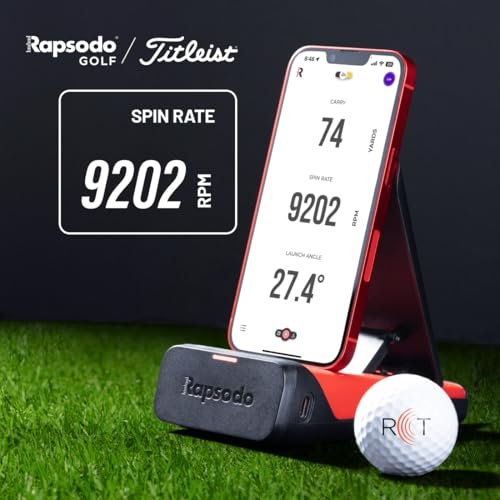
Ball speed shows how fast the ball leaves the clubface. It affects how far the ball will travel. Launch angle is the height at which the ball takes off. This number influences the ball’s flight path and distance. Accurate readings of these help players choose the right club and swing better.
Spin Rate And Spin Axis
Spin rate tells how fast the ball spins after being hit. Spin affects how the ball rises and curves. Spin axis shows the tilt of the spin, which controls the ball’s curve direction. Knowing spin rate and axis helps golfers understand ball control and shot shape.
Clubhead Speed And Path
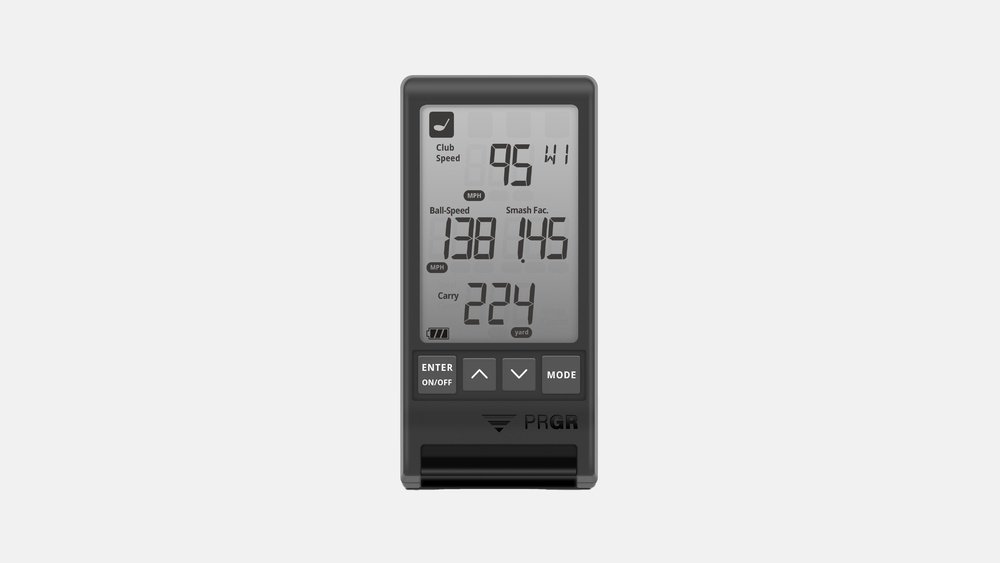
Clubhead speed measures how fast the club moves during the swing. It is a big factor in how far the ball goes. Club path shows the direction of the club’s movement through impact. This helps golfers correct swing mistakes and hit straighter shots.
Factors Affecting Accuracy
Accuracy of portable golf launch monitors depends on several key factors. These factors influence the reliability of the data you get after each shot. Understanding them helps users get better results and trust the readings.
Environmental Conditions
Weather plays a big role in monitor accuracy. Wind can affect ball flight and confuse sensors. Rain or fog may block the device’s camera or radar. Bright sunlight can create glare, making it hard to capture clear data. Temperature and humidity also change ball behavior, affecting readings.
Device Placement And Setup
Correct device placement is essential for accurate results. The monitor must be positioned at the right angle and distance from the ball. Poor setup leads to missed or wrong data. Some monitors need a clear view of the ball’s path. Setting up on uneven ground can also cause errors.
User Skill Level
User knowledge impacts the quality of data collected. Beginners may have trouble following setup instructions. Inconsistent swings or incorrect ball placement affect readings. Skilled users understand how to prepare the device and swing properly. Practice improves the consistency of the results.
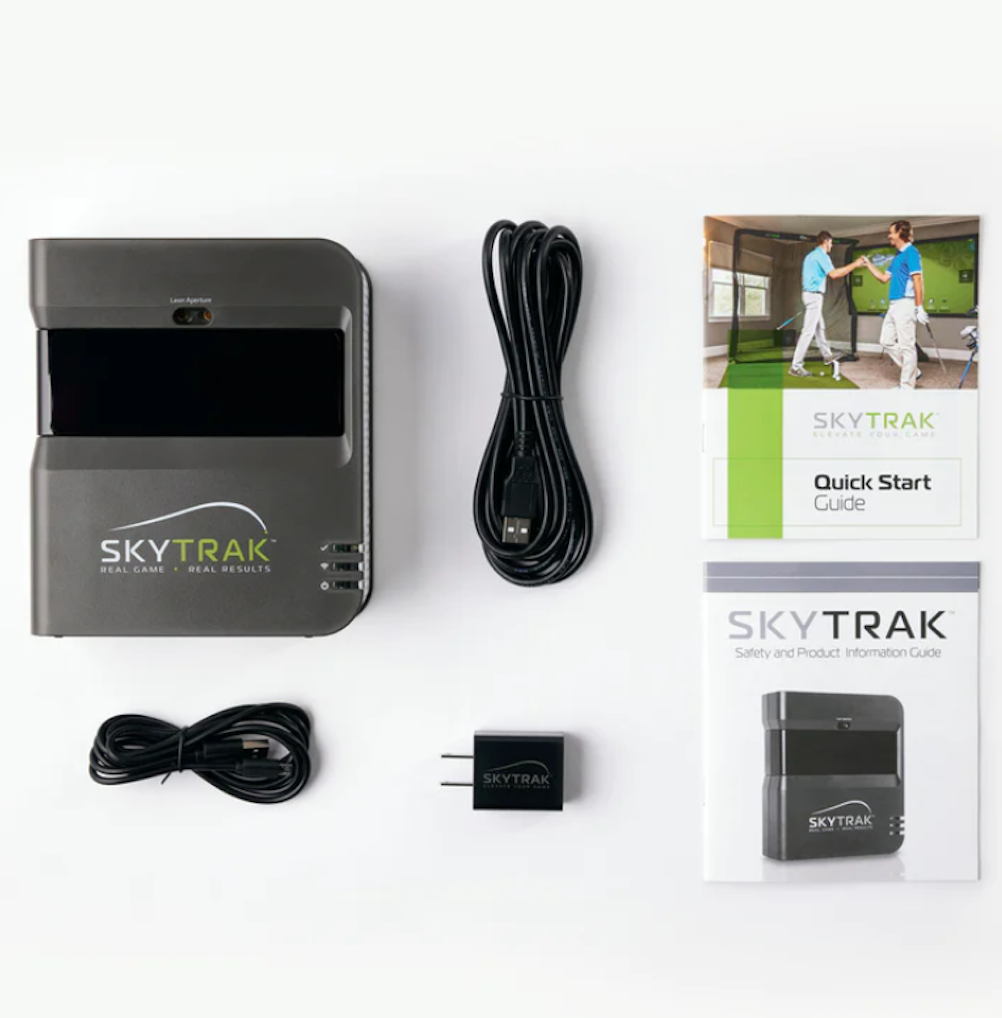
Comparing Portable Vs. Professional Systems
Comparing portable golf launch monitors with professional systems helps golfers pick the right tool. Each type has clear benefits and drawbacks. Understanding these can improve practice and performance.
Portable monitors offer convenience and affordability. Professional systems provide detailed data and higher accuracy. The choice depends on needs and budget.
Cost And Portability
Portable launch monitors cost less than professional systems. They are small and easy to carry. You can use them indoors or outdoors. Professional systems are expensive and often fixed in one place. They need more space and power to operate.
Data Precision And Reliability
Professional systems give very precise data. They track ball speed, spin, launch angle, and more. Portable monitors provide good data but with less accuracy. They may miss small details or have minor errors. For casual practice, portable data is usually enough.
Use Cases And Limitations
Portable monitors work well for quick checks and practice sessions. They fit players who travel or practice at home. Professional systems suit coaches, club fitters, and serious players. These systems support detailed analysis and training. Portable monitors may struggle in poor light or tight spaces. Professional systems require trained users for best results.
Expert Opinions And Testing Results
Experts and testers have studied portable golf launch monitors closely. Their opinions help golfers know what to expect. Testing results provide facts about accuracy and reliability. This section explores views from independent reviews, pro players, and lab tests.
Findings From Independent Reviews
Reviewers check launch monitors for accuracy and ease of use. Many models show good results for ball speed and distance. Some struggle with club speed or spin measurements. Accuracy varies by brand and model. Reviews often highlight the best options for casual golfers.
Pro Player Feedback
Professional golfers use launch monitors during practice and training. They value precise data to improve their swings. Pros say some portable monitors meet their needs well. Others lack the detail or consistency needed for serious play. Their feedback guides buyers who want pro-level tools.
Laboratory And Field Tests
Labs test monitors with controlled swings and exact measurements. Field tests happen on golf courses with real shots. Both test types show portable monitors are fairly accurate for ball speed. Spin and launch angle data can be less reliable. Test results help users pick devices that suit their goals.
Improving Launch Monitor Accuracy
Improving the accuracy of portable golf launch monitors helps golfers trust their data. Accurate readings lead to better practice and improved skills. Small steps can make a big difference in the data quality.
Calibration Techniques
Calibration adjusts the launch monitor to match real-world conditions. Follow the device manual to perform calibration correctly. Use known distances and ball speeds to check the readings. Regular calibration ensures the monitor stays reliable over time.
Regular Software Updates
Manufacturers release updates to fix bugs and improve accuracy. Keep the launch monitor’s software up to date. Updates often include new features and improved measurement algorithms. Updating helps the device work better with changing conditions.
Optimal Usage Practices
Use the launch monitor on a flat, even surface for best results. Avoid strong sunlight or shadows that can affect sensors. Place the device at the right distance from the ball. Consistent setup reduces errors and improves data quality.
Choosing The Right Monitor
Choosing the right portable golf launch monitor is key for accurate results. Each monitor offers different features and suits different needs. Picking one that fits your budget, usage, and device compatibility matters most.
Budget Considerations
Set a clear budget before searching for a monitor. Prices vary widely, from basic models to advanced ones. Higher price often means more accuracy and features. But even affordable monitors can provide good data for casual players. Focus on value, not just cost.
Intended Usage
Think about how you will use the monitor. For example, practice at home, on the course, or for coaching. Some monitors work better indoors, while others perform well outdoors. Choose one that fits your environment and skill level. Accuracy depends on the monitor’s design and purpose.
Compatibility And Features
Check if the monitor works with your devices, like smartphones or tablets. Some need specific apps or operating systems. Also, look for features like ball speed, spin rate, and shot tracking. More features can help improve your game but may raise the cost. Pick the features that matter most to you.
Frequently Asked Questions
How Accurate Are Portable Golf Launch Monitors?
Portable golf launch monitors offer good accuracy, typically within 1-3% for key metrics. However, accuracy varies by model, conditions, and calibration. High-end devices provide more reliable data, while budget options may show slight deviations. Proper setup and usage improve result consistency.
What Factors Affect Launch Monitor Accuracy?
Accuracy depends on sensor technology, environmental conditions, and user setup. Radar-based monitors may struggle indoors, while camera-based ones need good lighting. Calibration, device placement, and swing consistency also impact data precision. Understanding these factors helps optimize launch monitor performance.
Can Portable Monitors Replace Professional Golf Simulators?
Portable monitors provide valuable swing data but lack the full simulation experience. They don’t offer detailed course graphics or immersive gameplay. However, they are cost-effective for practice and improvement. For comprehensive training, combining both may be ideal.
Are Portable Launch Monitors Reliable For Club Fitting?
Yes, many portable monitors provide reliable data for club fitting. They measure ball speed, spin, and launch angle accurately. This helps fitters recommend suitable clubs. Still, high-end devices yield more consistent results for precise fitting.
Conclusion
Portable golf launch monitors offer useful data for practice and improvement. Their accuracy varies by brand, model, and conditions. Most provide good estimates, but small errors can happen. For casual players, these devices help track progress easily. Serious golfers may want to compare results with high-end monitors.
Understanding their limits helps set realistic expectations. Overall, portable launch monitors add value to training sessions. They make golf practice more informed and enjoyable. Choose a model that fits your needs and budget. Practice smart. Play better.