When you’re out on the golf course, every yard counts. You want to know exactly how far you are from the hole or hazards to make the best shot.
But should you rely on a golf rangefinder or a golf GPS app? Both tools promise to improve your game, but which one fits your style and needs? You’ll discover the key differences between these two gadgets, helping you choose the perfect companion for your next round.
Keep reading, because the right choice could lower your score and boost your confidence on the green.
Golf Rangefinder Basics
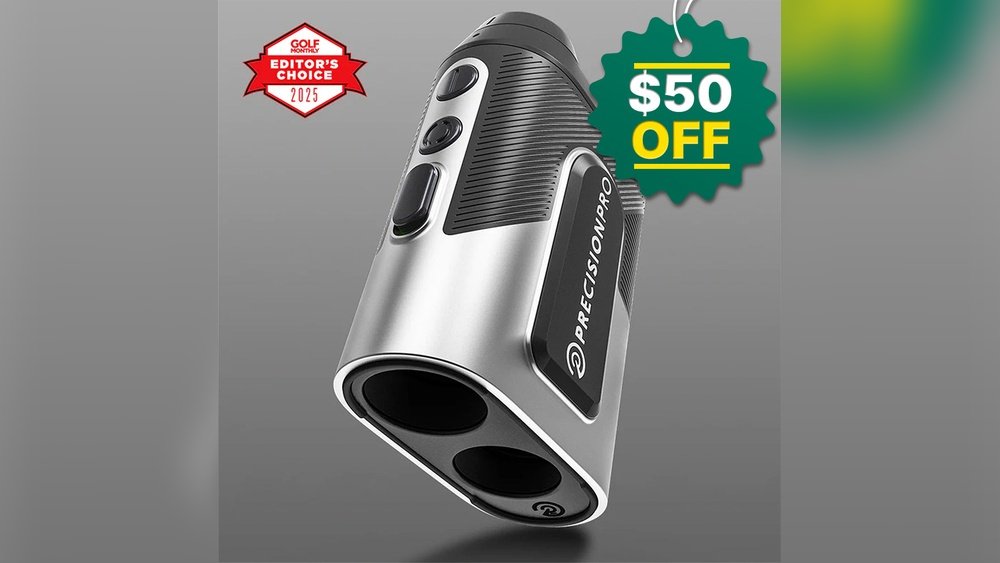
Golf rangefinders help players measure distances on the course. They give accurate readings quickly. This helps players choose the right club and improve their shots.
Understanding how rangefinders work and their features can guide you in choosing the right one. Different types offer different benefits for various golfers.
How Rangefinders Work
Rangefinders use laser or optical technology. They send a beam toward a target, like the flag or tree. The device measures the time the light takes to return. It then calculates the distance from this data. This process happens in seconds, giving fast results.
Some models also adjust for slope, showing the true distance uphill or downhill. This helps players make smarter club choices on uneven terrain.
Key Features To Look For
Accuracy is the most important feature. Most rangefinders measure within one yard or meter. Look for a clear display for easy reading. Compact size and light weight make carrying easier. Battery life matters, especially on long rounds. Extra features like slope measurement and vibration alerts add value.
Types Of Rangefinders
There are two main types: laser and GPS hybrid. Laser rangefinders use a beam to measure distance. GPS hybrids combine satellite data with laser or mapping features. Some models are simple and affordable. Others offer advanced functions for serious players. Choose one that fits your needs and budget.

Golf Gps App Essentials
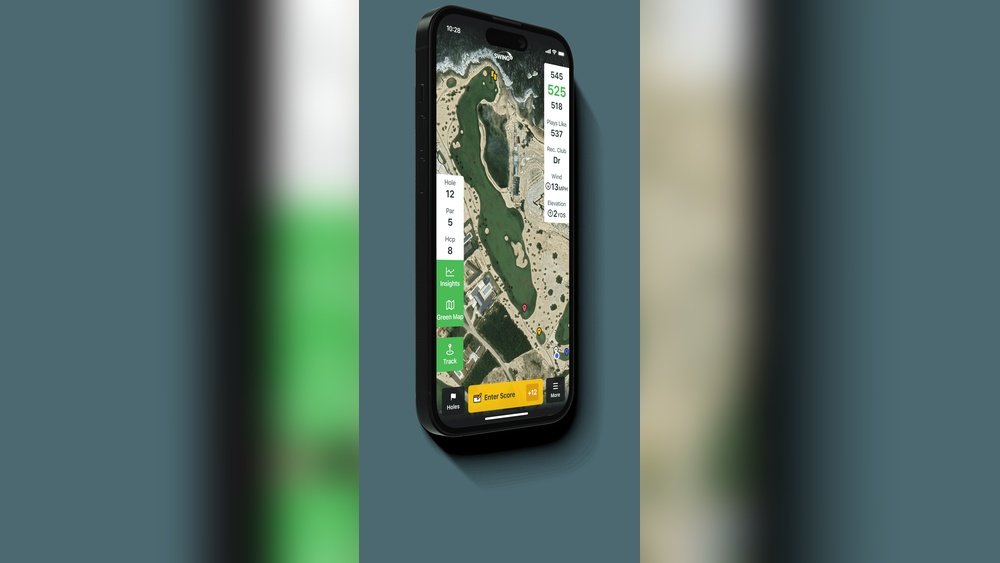
Golf GPS apps have become popular tools for golfers. They offer a smart way to measure distances on the golf course. Unlike traditional rangefinders, these apps use satellite data to give accurate yardages. They also provide useful info about each hole, hazards, and the layout.
Many golfers use GPS apps to save time and improve their game. These apps work on smartphones, making them easy to carry. They also update course info regularly, so players get fresh data. Understanding the basics of golf GPS apps helps choose the right tool for your needs.
Functionality Of Gps Apps
Golf GPS apps show distances to the front, middle, and back of the green. They also mark hazards like bunkers and water. Some apps offer shot tracking and scorekeeping features. This helps players review their game later. A few apps provide 3D course maps for better visualization.
Most GPS apps work offline after downloading course maps. This means no need for internet on the course. They use GPS signals to locate your position and calculate distances. Simple taps or swipes let users access key information fast.
Popular Golf Gps Apps
Several golf GPS apps have gained trust among players. Golfshot offers detailed maps and score tracking. Hole19 is known for its easy interface and social features. 18Birdies combines GPS with coaching tips and challenges. Each app has unique tools suited for different golfer needs.
These apps cover thousands of courses worldwide. Users can find local courses and international ones too. Many apps offer free versions with basic features. Paid versions unlock advanced options like club recommendations and statistics.
Device Compatibility
Golf GPS apps usually work on iOS and Android devices. This covers most smartphones and tablets. Some apps also sync with smartwatches for quick distance checks. Battery life is important since GPS apps use power continuously.
Before downloading, check if your device supports the app. Some older phones may not run the latest versions. Also, consider screen size for easy reading on the course. Most apps require location permissions to function properly.
Accuracy Factors
Accuracy plays a big role in choosing between a golf rangefinder and a golf GPS app. Knowing which tool gives more precise distance helps you pick the right one. Both devices have strengths and limits in accuracy. Understanding these factors can improve your game and reduce guesswork on the course.
Rangefinder Precision
Rangefinders use laser beams to measure distance. They send a laser to the target and calculate how far it is. This method often gives very precise results. The typical error is just a few yards. Rangefinders work best when you have a clear view of the flag or target. They allow you to measure distances to specific points like bunkers or hazards.
Gps App Accuracy
Golf GPS apps use satellite data to estimate distances. They calculate your position and the location of course features. These apps offer a good overview of the hole layout. The accuracy depends on satellite signals and map data quality. Usually, the error margin is within five to ten yards. GPS apps provide distances to hazards, layup spots, and greens.
Environmental Influences
Weather and surroundings affect both tools’ accuracy. Heavy rain or fog can weaken laser signals from rangefinders. Trees and hills may block the laser beam or GPS signals. Bright sunlight may cause glare on rangefinder screens. GPS signals can be less stable in deep valleys or dense forests. Checking conditions before use helps get the best results.
Ease Of Use
Ease of use matters a lot in golf gadgets. A tool that is simple to operate saves time and keeps focus on the game. Both golf rangefinders and golf GPS apps offer different experiences in usability. Understanding these differences helps choose the right device for your play style.
User Interface Comparison
Golf rangefinders usually have a small screen and few buttons. This makes navigation quick and direct. You point and press to get the distance. Golf GPS apps show detailed maps on your phone. They offer more info but need more taps. The app’s screen is bigger and easier to read in bright light.
Setup And Calibration
Rangefinders need little setup. Just turn on and aim. Some models ask for calibration but it is simple and fast. GPS apps require initial setup. You must allow location access and sometimes download course maps. Calibration happens automatically in apps but can take extra seconds to connect to satellites.
Real-time Feedback
Rangefinders deliver instant distance to the target. This is helpful for quick decisions. They work best in clear view of the hole. GPS apps provide ongoing information like hazards and shot history. This feedback updates as you move. It helps plan shots but may lag slightly in real time.
Cost And Value
Cost and value are key factors in choosing between a golf rangefinder and a golf GPS app. Both tools help improve your game but differ in price and ongoing expenses. Understanding these costs helps you pick the best option for your budget and needs.
Price Range Of Rangefinders
Golf rangefinders typically cost between $100 and $500. Basic models offer essential distance measurements. Advanced models include slope calculations and target lock features. Higher prices usually mean better accuracy and more functions. One-time purchase with no extra fees after buying.
Subscription Fees For Gps Apps
Most golf GPS apps offer free basic versions. Premium features often require monthly or yearly subscriptions. Costs range from $5 to $20 per month. Some apps charge a one-time fee instead. Subscriptions unlock detailed maps, shot tracking, and course updates.
Long-term Investment
Rangefinders require only an initial payment. Battery replacement might add small future costs. GPS apps need ongoing subscription fees for premium use. Over years, app fees may surpass the cost of a rangefinder. Consider how often you play to decide what saves money.
Battery Life And Maintenance
Battery life and maintenance are important for both golf rangefinders and GPS apps. They affect how long you can use the device during your game. Proper care helps avoid interruptions and keeps your tools ready for use.
Rangefinder Battery Options
Most golf rangefinders use replaceable or rechargeable batteries. Some models have AA or AAA batteries. Others come with built-in lithium-ion batteries. Rechargeable types offer many uses before needing a charge. Carry extra batteries for longer rounds. Check battery status before starting your game.
Gps App Power Consumption
Golf GPS apps run on your smartphone’s battery. These apps can drain power quickly. Using GPS and screen constantly uses more energy. Lower screen brightness to save battery. Turn off other apps while playing. Carry a portable charger for backup power.
Maintenance Tips
Keep your rangefinder clean and dry. Wipe lenses gently with a soft cloth. Store it in a protective case. Avoid exposing your device to extreme heat or cold. For GPS apps, update the app regularly. Clear cache and close unused apps to improve performance. Regular checks keep your devices ready and reliable.
Additional Features
Choosing between a golf rangefinder and a golf GPS app involves more than just distance measurement. Both tools come with extra features that can impact your play and experience on the course. These additional functions help golfers make smarter decisions and improve their skills over time.
Slope And Elevation Adjustments
Slope and elevation affect how far your ball will travel. Rangefinders often include slope adjustment to show true distance uphill or downhill. This feature helps you pick the right club and shot. Some GPS apps also offer slope data, but it depends on the app and device. Knowing the terrain can make your shots more accurate and save strokes.
Course Updates And Maps
Golf courses change with new hazards and layouts. GPS apps update their maps regularly to reflect these changes. This keeps your data current without extra cost. Rangefinders usually come with preloaded courses. Some models allow updates, but this might need a computer connection. Updated maps ensure you see the latest course details and plan your shots better.
Data Tracking And Analytics
Tracking your game helps you improve faster. Golf GPS apps often include shot tracking, scorecards, and performance stats. They show trends over time, like average distance or accuracy. Rangefinders usually focus on distance and aim, offering less data tracking. Apps provide a clearer picture of your strengths and weaknesses. This insight helps golfers practice smarter and lower their scores.
.webp)
Choosing The Right Tool
Choosing the right tool for golf can improve your experience on the course. Both golf rangefinders and golf GPS apps offer benefits. Understanding your needs helps pick the best fit. Consider skill level, course type, and personal likes carefully. This guide breaks down key points to help you decide.
Player Skill Levels
Beginners often benefit from golf GPS apps. They provide easy-to-understand distances and course maps. Intermediate players may prefer rangefinders for precise yardage. Advanced golfers usually want quick, exact measurements. Rangefinders help with tricky shots and hazards. Choose the tool that matches your current skill.
Course Types And Conditions
Large courses with many holes suit GPS apps well. They show full layouts and hazards on your phone. Small or local courses may not need GPS features. Rangefinders work best on courses with clear sightlines. Hilly or wooded courses can challenge GPS signals. Think about your usual course environment before choosing.
Personal Preferences
Some players like using technology on their wrist or phone. Others prefer a handheld device like a rangefinder. Battery life matters for long rounds or multiple days. Consider ease of use and how fast you want data. Weight and size can affect comfort while playing. Pick what feels right and fits your style.

Frequently Asked Questions
What Are The Main Differences Between Golf Rangefinders And Gps Apps?
Golf rangefinders use laser technology for precise distance. GPS apps rely on satellite data and maps. Rangefinders offer accuracy; GPS apps provide course layout and hazard info. Both aid shot decisions but serve different purposes.
Which Is More Accurate: Golf Rangefinder Or Gps App?
Golf rangefinders generally provide more precise distance measurements. GPS apps are accurate but can vary due to satellite signals. Rangefinders measure exact yardage to targets; GPS apps offer overall course distances and features.
Are Golf Gps Apps Better For Beginners Or Pros?
Golf GPS apps are user-friendly and great for beginners. They offer course guidance and hazard warnings. Pros may prefer rangefinders for accuracy and shot control. Both tools can enhance play depending on skill level.
Can Golf Rangefinders And Gps Apps Be Used Together?
Yes, many golfers use both for comprehensive course info. Rangefinders give exact distances; GPS apps show course layout. Combining both tools improves decision-making and strategy on the course.
Conclusion
Choosing between a golf rangefinder and a golf GPS app depends on your needs. Rangefinders offer quick, accurate distance to the flag. Golf GPS apps give course layout and additional information. Both tools help improve your golf game in different ways.
Think about your budget and how you prefer to get information. Using either can make your play more confident. Try both if possible, then pick the one that fits your style. Enjoy your time on the course with better distance control.