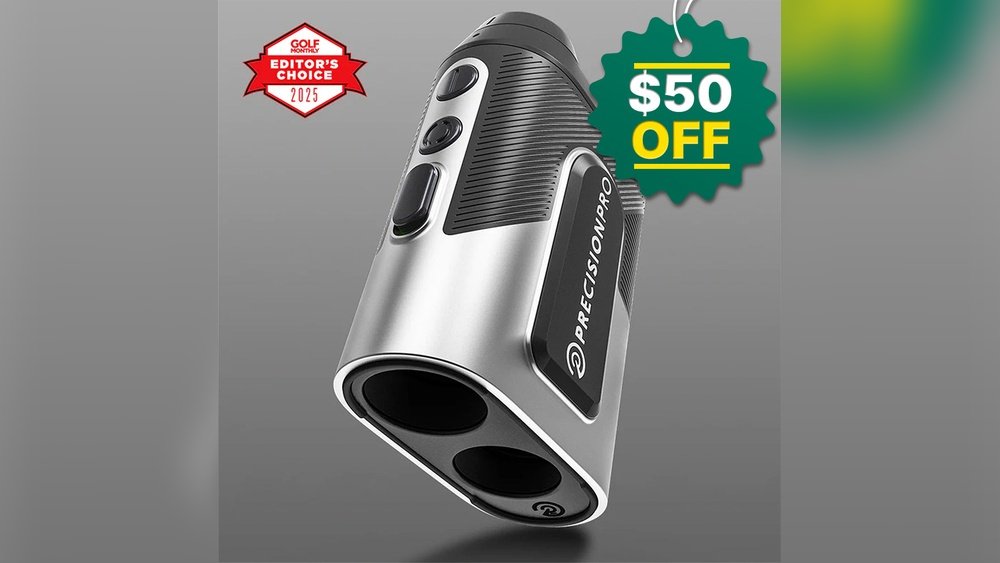
Have you ever wondered if the weather could be messing with your golf rangefinder’s accuracy? Whether you’re playing under a blazing sun or a cloudy sky, the conditions outside might be playing a bigger role than you think.
If you want to trust your device and improve your game, understanding how weather affects your rangefinder is key. Keep reading to discover the surprising ways weather can impact your shots and how you can adjust for it to get the most out of every swing.
How Weather Impacts Rangefinder Performance
Weather plays a big role in how well a golf rangefinder works. Different weather conditions change the way the device measures distance. The accuracy can go up or down depending on rain, temperature, and wind. Understanding these effects helps golfers get better readings.
Rangefinders use laser beams to calculate distance. Weather can block or scatter these beams. This causes wrong or unclear measurements. Knowing what to expect in various weather helps improve your game and choice of equipment.
Effects Of Rain And Humidity
Rain and humidity add moisture to the air. This moisture can scatter the laser beam. It makes the beam weaker and less focused. Heavy rain can blur the device’s lens. The result is less accurate distance readings.
High humidity also slows down the laser speed slightly. This small change affects how the rangefinder calculates distance. Light rain or fog can cause the same problem. Dry, clear days give the best results.
Influence Of Temperature Changes
Temperature changes affect air density. Cooler air is denser and slows the laser beam. Warmer air is lighter and lets the beam travel faster. This speed difference changes the distance calculation.
Rapid temperature shifts can confuse the rangefinder’s sensor. It may give unstable or inconsistent readings. Cold weather can also reduce battery life, affecting device performance. Moderate temperatures are ideal for accurate results.
Wind And Its Impact On Readings
Wind does not directly change the laser beam. But strong wind can shake the rangefinder or the golfer’s hand. This movement makes it hard to aim exactly. A shaky aim leads to wrong distance measurements.
Wind can also move flags or targets slightly. Moving targets are harder to measure correctly. Calm conditions make it easier to get precise readings. Using a steady stance helps reduce wind effects.
Rangefinder Technology And Weather Resistance
Rangefinder technology plays a big role in golf accuracy. Weather can affect how well these devices work. Knowing how rangefinders handle weather helps golfers trust their tools. Some rangefinders deal with rain, fog, and bright sun better than others. Understanding their weather resistance can guide your choice for clear shots.
Laser Vs Gps Rangefinders
Laser rangefinders send a beam to the target and measure the time it takes to return. Bright sunlight or fog can affect the laser beam’s path. GPS rangefinders use satellites to find distances. They work well in most weather but may lose signal under thick clouds or heavy rain. Each type has strengths and limits in tough weather.
Waterproof And Fogproof Features
Many golf rangefinders come with waterproof cases. This keeps rain and splashes from damaging the device. Fogproof lenses prevent moisture buildup inside the rangefinder. These features keep the device clear and working well during wet or humid conditions. They help maintain accuracy when weather is not perfect.
Sensor Calibration In Different Conditions
Rangefinders have sensors that need to adjust to the environment. Cold, heat, or humidity can change sensor readings. Good rangefinders auto-calibrate to keep distance measurements correct. Some models require manual calibration for best results. Proper calibration reduces errors caused by changing weather conditions.
Common Weather-related Accuracy Issues
Weather can change how well a golf rangefinder works. Different weather conditions can affect its accuracy. Understanding these common issues helps golfers get better readings.
Signal Interference Causes
Rain, fog, and snow can block or weaken the laser signal. Strong winds may shake your hands, making it hard to keep steady. These factors cause the rangefinder to give wrong distances.
Visibility Challenges
Poor light or heavy fog makes it hard to see the target clearly. Dim light reduces the device’s ability to find the flag or marker. This leads to slower or incorrect measurements.
Reflection And Obstruction Factors
Water, glass, or shiny surfaces can reflect the laser beam wrongly. Trees, bushes, or hills may block the signal path. Reflections and obstacles confuse the rangefinder and lower accuracy.
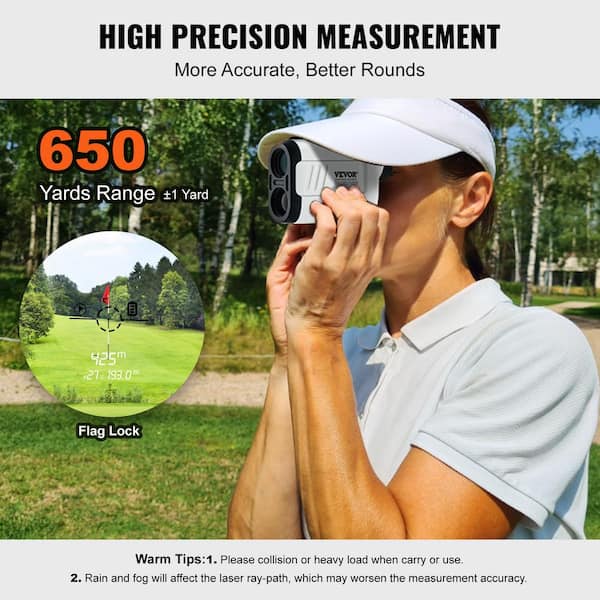
Tips To Improve Accuracy In Various Weather
Weather can change how well your golf rangefinder works. Rain, fog, or bright sun may affect its accuracy. Knowing how to adjust your use can help get better readings. Simple tips can improve results in all weather types.
Optimal Usage Techniques
Hold the rangefinder steady to avoid blurry readings. Aim at a clear, solid target like the flagstick. Avoid looking through glass or mist. Use the device quickly to reduce hand shake. Take multiple readings and use the average for best results.
Maintenance And Care Tips
Keep lenses clean and free from dirt or water drops. Use a soft cloth to wipe the lens gently. Store the rangefinder in a dry place after use. Avoid exposing it to extreme heat or cold for long. Regularly check battery life to prevent sudden shutdowns.
Choosing The Right Device For Your Climate
Pick a rangefinder designed for your local weather conditions. Some models work better in fog, rain, or bright light. Look for waterproof and fog-resistant features if you play in wet areas. Choose devices with strong batteries if your climate is cold. Match the rangefinder to your usual golf environment for best accuracy.
Real-world Testing And User Experiences
Real-world testing and user experiences reveal how weather impacts golf rangefinder accuracy. Practical trials show how different conditions affect device performance. Insights from players and experts add valuable perspective. Real feedback helps golfers choose the right rangefinder for their needs.
Case Studies In Different Climates
Tests across various climates highlight key accuracy changes. In humid regions, moisture can blur lenses and affect readings. Cold weather sometimes slows laser response times. Windy conditions may cause slight aiming errors. Dry, clear environments often produce the most consistent results. These studies help understand what to expect in each climate.
Professional Golfer Insights
Pro golfers share their rangefinder experiences under tough conditions. Many report minor accuracy shifts in rain or fog. Some prefer devices with stronger beams for low visibility. Professionals often adjust their use based on weather changes. Their advice guides amateurs in choosing reliable models. They stress the importance of practice with the rangefinder in varied weather.
User Reviews And Feedback
Everyday users provide honest feedback on rangefinder performance. Many note reduced accuracy during heavy rain or snow. Others mention that bright sunlight can cause screen glare. Battery life also varies with temperature changes. Users recommend models with weather-resistant features. This feedback helps buyers find durable and accurate rangefinders.
Frequently Asked Questions
How Does Weather Impact Golf Rangefinder Accuracy?
Weather conditions like rain, fog, and humidity can reduce a rangefinder’s accuracy. Moisture scatters the laser beam, affecting distance measurement. Strong sunlight or glare may also interfere with readings. Overall, adverse weather can cause slight errors but high-quality rangefinders minimize this impact.
Can Temperature Changes Affect Rangefinder Performance?
Yes, temperature fluctuations can influence laser speed and battery life. Extreme cold may reduce battery efficiency, while heat can affect internal sensors. These factors might cause minor inaccuracies in distance readings. However, most modern rangefinders are designed to handle typical temperature variations effectively.
Does Rain Interfere With Golf Rangefinder Readings?
Rain can scatter the laser beam and reduce signal strength. This interference may cause less precise distance measurements. Many rangefinders have waterproof features but heavy rain still challenges accuracy. Using a rain cover or waiting for lighter conditions improves performance.
Is Fog A Problem For Golf Rangefinder Accuracy?
Fog contains moisture droplets that scatter laser signals. This scattering reduces beam clarity and rangefinder precision. Dense fog can significantly impair distance readings, making it harder to get accurate data. It’s best to avoid using rangefinders in thick fog for reliable results.
Conclusion
Weather can change how well your golf rangefinder works. Rain, fog, and heat may cause small errors. Wind does not affect the device directly but can change your shot. Cold weather might shorten the battery life. Knowing these effects helps you plan better.
Always check your rangefinder before playing in tough weather. Simple care keeps it accurate for longer. Play smart, and use your tool wisely to enjoy the game more.