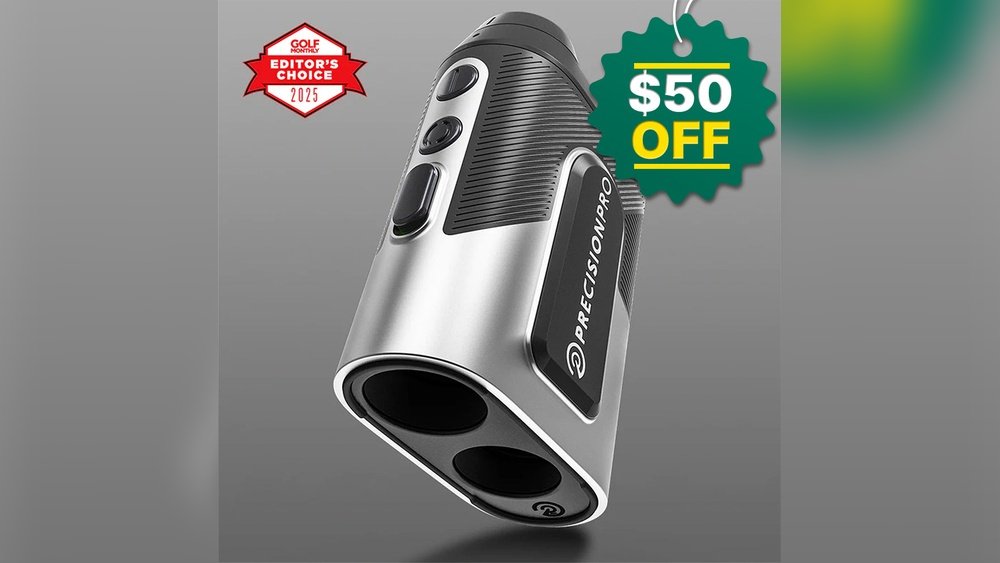
Are you wondering if your hunting rangefinder can help improve your golf game? It’s a question many players ask when they want to save money or try something new on the course.
You might already have a hunting rangefinder and wonder if it can give you accurate distances for your golf shots. But is it really the right tool for golf? Keep reading to discover the surprising truth about using a hunting rangefinder on the golf course—and find out if it can boost your game or hold you back.
Differences Between Hunting And Golf Rangefinders
Hunting and golf rangefinders serve different purposes and have unique features. These differences affect their design, accuracy, and functions. Knowing these can help you decide if a hunting rangefinder fits golf needs.
Design And Build
Hunting rangefinders are built tough for outdoor use. They resist water, dust, and shock well. Their size is often compact for easy carrying. Golf rangefinders focus on comfort and grip. They often have ergonomic shapes and lighter weight for long use. Some golf models include a bright screen for sunlight. Hunting devices may lack this feature.
Measurement Accuracy
Golf rangefinders provide very precise distance readings. Golf needs exact yardage to choose the right club. Hunting rangefinders offer good accuracy but focus on estimating distances to animals. They often measure longer distances but with less fine detail. Golf devices measure in yards, while hunting ones may use meters or yards.
Range And Targeting Features
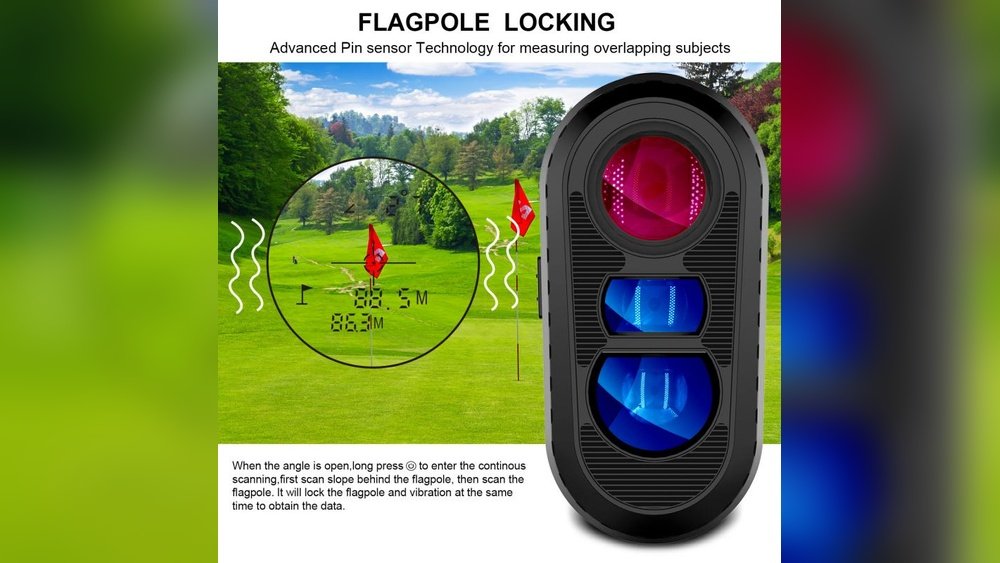
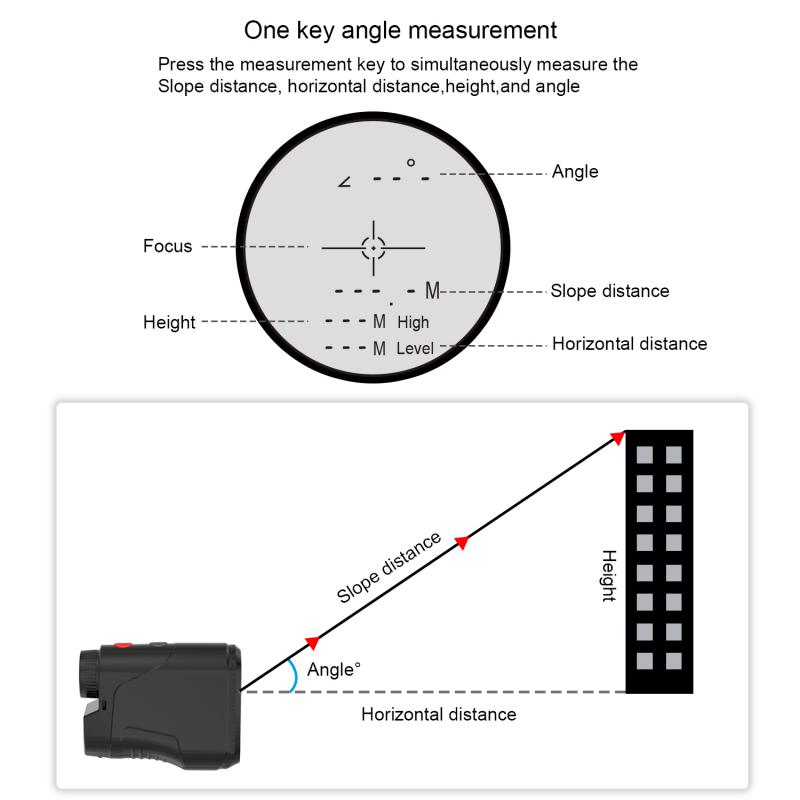
Hunting rangefinders have longer range capabilities. They can target objects up to 1000 yards or more. They include features like angle compensation for steep hills. Golf rangefinders usually measure up to 400 yards. They focus on flagstick targeting and slope adjustments. Golf models often have locking features to hold distance. Hunting models prioritize quick target acquisition.
How Hunting Rangefinders Perform On The Golf Course
Hunting rangefinders can work on a golf course, but their performance varies. These devices are built for tracking animals in the wild, not for measuring golf shots. Still, they offer some useful features for golfers. Understanding how they perform helps decide if they fit your golf needs.
Golf requires precise distance measurement and ease of use across different terrain. Hunting rangefinders can provide distance data, but there are limits to their accuracy and function on the course. Let’s explore their strengths and weaknesses in golf settings.
Distance Measurement For Golf Shots
Hunting rangefinders measure distance using laser technology. They often give quick and clear readings for faraway targets. This can help golfers estimate the distance to the flag or hazards. However, these devices may not always lock onto small targets like golf flags easily. They work best on larger objects or tree lines.
Usability On Varied Terrain
Golf courses have hills, trees, and water hazards. Hunting rangefinders are designed for outdoor use, so they handle varied terrain well. They can measure distances across slopes and rough areas. Their compact size makes them easy to carry during a round. Still, their angle measurement features for golf slopes are often missing or less accurate.
Limitations In Golf Settings
Hunting rangefinders lack golf-specific features like slope adjustment and pin seeking modes. Some models do not filter background objects well, causing inaccurate readings. Also, they do not connect to golf apps for tracking scores or stats. Battery life and screen visibility in bright sunlight can be issues on the course.
Benefits Of Using Hunting Rangefinders For Golf
Using a hunting rangefinder for golf brings several benefits. These devices offer features that suit golf players well. They can help measure distances accurately on the course. Many golfers find hunting rangefinders reliable and easy to use. Their design often supports outdoor use in different conditions.
Below are some key benefits of using hunting rangefinders for golf.
Cost Advantages
Hunting rangefinders usually cost less than golf-specific models. They provide good value for money. You get accurate distance measurements without spending too much. This makes them a smart choice for budget-conscious golfers. Savings can be used for other golf gear or lessons.
Durability And Weather Resistance
Hunting rangefinders are built tough for rough outdoor use. They resist rain, dust, and shocks well. This durability keeps them working on wet or windy golf days. Golfers can trust the device to last many seasons. It means less worry about damage during play.
Versatility For Multiple Activities
These rangefinders work well beyond golf. They are useful for hunting, hiking, and other sports. This multi-use ability makes them a practical investment. You can carry one device for many outdoor activities. It saves space and reduces gear clutter.
Drawbacks And Challenges To Consider
Using a hunting rangefinder for golf may seem like a good idea. Both devices measure distance, but differences matter. Several drawbacks and challenges can affect your golf experience. Knowing these can help you decide if a hunting rangefinder suits your game.
Lack Of Golf-specific Features
Hunting rangefinders do not include golf-specific tools. They lack features like flag detection or slope adjustment. These help golfers get accurate yardages on the course. Without them, you may not get the precise data needed for golf shots.
Potential Accuracy Issues
Hunting rangefinders often focus on larger, solid objects. Golf targets like flags are smaller and harder to spot. This can cause less accurate distance readings. The device may pick up background trees or hazards instead of the flag.
User Experience Differences
Golf rangefinders are designed for quick and easy use on the course. Hunting models may be bulkier and less comfortable to hold. They also might take longer to give a reading. This can slow your pace of play and cause frustration.
Expert Tips For Using Hunting Rangefinders In Golf
Using a hunting rangefinder for golf can save money and still offer good results. Expert tips help you get the best from these devices on the golf course. You need to adjust and understand certain features to suit golf needs. This section shares useful advice to improve your golf experience with a hunting rangefinder.
Calibration Techniques
Calibration makes the rangefinder more accurate for golf distances. Start by setting the device to measure in yards or meters. Check if the rangefinder has a mode for flat terrain or open spaces. Use a known distance on the golf course to test its reading. Adjust the settings until the readings match the actual distance. Repeat this process regularly to keep accuracy high.
Best Models To Consider
Some hunting rangefinders work better for golf than others. Look for models with clear displays and simple buttons. Devices with a fast scanning mode help find pins quickly. Choose rangefinders with a good battery life to last a full round. Lightweight and compact designs are easier to carry on the course. Brands like Bushnell and Nikon have models that suit both hunting and golf.
Maximizing Performance On The Course
Use the rangefinder in good light for clearer readings. Hold the device steady and aim carefully at the flag or target. Avoid obstacles that can block the laser or confuse the sensor. Practice using the rangefinder before playing to gain confidence. Keep the lens clean to improve measurement accuracy. Combine the rangefinder data with your knowledge of the course for better shots.

Alternatives To Hunting Rangefinders For Golfers
Hunting rangefinders can measure distances, but golf requires more specific tools. Golfers need devices designed for the golf course. These alternatives offer features to improve accuracy and ease during play. They help players understand distances to the green, hazards, and other important spots.
Dedicated Golf Rangefinders
Golf rangefinders focus on golf-specific distances. They measure yardages to pins, bunkers, and water hazards. These devices include slope adjustments for elevation changes. Most have clear displays to read distances quickly. They are lightweight and easy to carry on the course.
Gps Golf Devices
GPS golf devices provide digital maps of courses. They show distances to the front, middle, and back of greens. Some models track your shots and store scores. These devices update course layouts regularly. They work well in all weather and light conditions.
Smartphone Apps
Golf apps on smartphones offer convenient distance measuring. Many apps use GPS to show course layouts and distances. They often include score tracking and shot analysis. Some apps work offline, saving battery life. Smartphones are handy, as most golfers already carry them.
Frequently Asked Questions
Can A Hunting Rangefinder Work For Golf Distances?
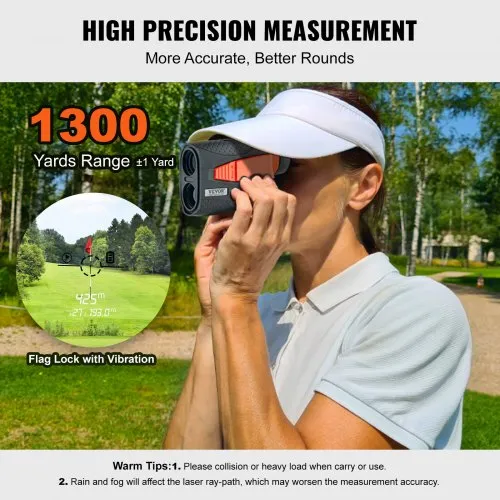
Yes, a hunting rangefinder can measure golf distances, but it may lack golf-specific features like flag-lock or slope adjustments. It might not be as precise for short-range targets compared to golf rangefinders designed specifically for the game.
Are Hunting Rangefinders Less Accurate On Golf Courses?
Hunting rangefinders can be less accurate on golf courses due to their focus on longer distances and moving targets. Golf rangefinders are calibrated for precise measurements of static flags and hazards, improving accuracy for golfers.
What Features Does A Golf Rangefinder Have Over Hunting Ones?
Golf rangefinders include features like flag-lock, slope measurement, and yardage to hazards. Hunting rangefinders prioritize long-distance detection and fast-moving game tracking, which may not benefit golfers.
Can Using A Hunting Rangefinder Affect My Golf Game?
Using a hunting rangefinder might slow you down or give less accurate readings on golf courses. Golf rangefinders provide quicker, more reliable measurements tailored for golf, improving your course strategy and pace of play.
Conclusion
A hunting rangefinder can measure distances well on the golf course. Still, it may lack features made for golf, like flag-lock or slope adjustment. Using one might work for casual play or practice. Serious golfers often prefer devices built specifically for golf.
Think about what features matter most to you. Choose a rangefinder that fits your needs and budget. This way, you get useful help without extra confusion. Simple, clear, and right for your game.