Are you struggling to get more power and accuracy in your golf swing? One simple change can make a huge difference: improving your shoulder turn.
When your shoulders move correctly during the swing, you generate more speed and control, helping you hit longer, straighter shots. But how do you unlock that full shoulder rotation without losing balance or timing? You’ll discover easy tips and exercises to boost your shoulder turn right away.
Keep reading, and get ready to take your golf game to the next level!

Importance Of Shoulder Turn
The shoulder turn is a key part of a strong golf swing. It helps you generate power and control the ball’s direction. A proper shoulder turn allows your body to coil and store energy. This energy releases during the swing, giving your shot more distance.
Good shoulder rotation also helps maintain balance. It keeps your swing smooth and consistent. Without a full shoulder turn, your swing can feel stiff and weak. Improving this part of your swing makes a big difference on the course.
Impact On Power And Accuracy
The shoulder turn sets the stage for power in your swing. A larger turn lets you build more force. This force transfers from your body to the club, then to the ball. More power means longer drives and better shots.
Accuracy also depends on the shoulder turn. It helps align your body properly. A correct turn keeps your arms and club on the right path. This reduces slicing or hooking the ball. Better control leads to more consistent shots.
Common Mistakes To Avoid
Many golfers make mistakes with their shoulder turn. One common error is turning only the arms, not the shoulders. This limits power and causes poor contact with the ball.
Another mistake is over-rotating the shoulders. This can lead to loss of balance and timing issues. It often causes inconsistent shots and fatigue.
A tight or stiff shoulder turn also reduces swing fluidity. Relax your muscles and allow a natural rotation. This helps you swing more freely and hit better shots.
Key Elements Of A Proper Shoulder Turn
A proper shoulder turn is essential for a powerful and consistent golf swing. It helps generate speed and control. Understanding the key elements of a good shoulder turn can improve your swing quickly. Focus on body mechanics, spine angle, and arm movement to build a strong foundation.
Body Rotation Mechanics
Body rotation starts from the hips and moves up to the shoulders. The shoulders should turn fully, allowing the chest to face away from the target. This rotation stores energy for the downswing. Keep your lower body stable to avoid sway or loss of balance. A proper turn uses the whole torso, not just the arms.
Maintaining Spine Angle
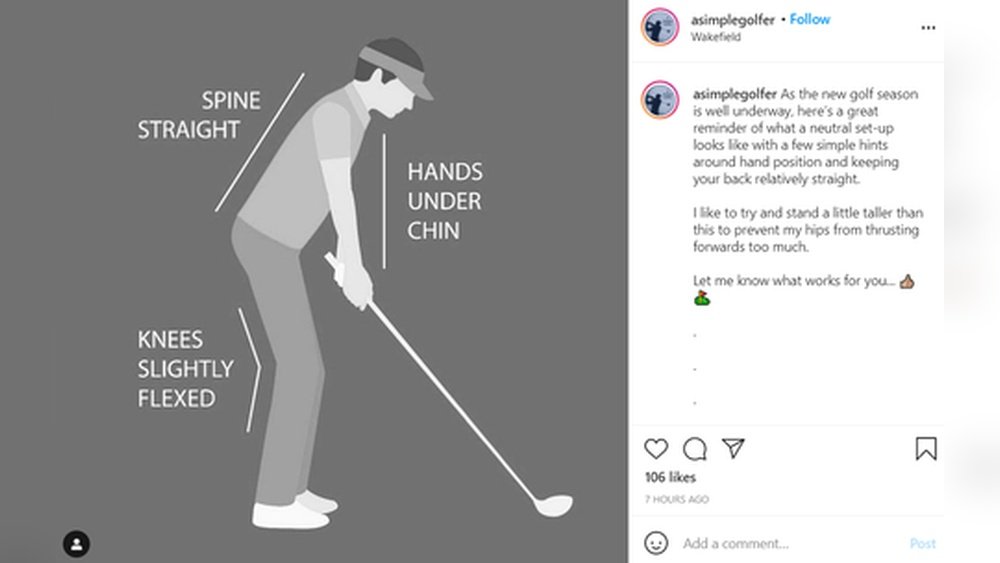
Keeping your spine angle steady is crucial during the shoulder turn. A consistent spine tilt helps maintain balance and control. Avoid lifting or dipping your head. This keeps your swing on the right plane and improves ball contact. A good spine angle protects your back and promotes better posture.
Arm And Shoulder Coordination
Your arms and shoulders must work together during the turn. The lead arm stays straight but relaxed, guiding the club. The trail shoulder moves down and around your back. This coordination creates a wide swing arc. It increases power and accuracy in your shots. Smooth movement between arms and shoulders prevents tension.
Effective Drills To Enhance Shoulder Turn
Improving your shoulder turn can boost your golf swing power and accuracy. Practicing specific drills helps build the right movement and flexibility. These exercises focus on control and body awareness.
Try these drills regularly. They develop better shoulder rotation and improve your swing.
Seated Shoulder Turn Drill
Sit on a chair with your feet flat on the ground. Hold a golf club across your shoulders. Slowly rotate your upper body to one side, keeping your hips still. Stop at the point where you feel a stretch but no pain. Hold for a few seconds, then return to center. Repeat on the other side. This drill improves your upper body rotation without lower body movement.
Wall Rotation Exercise
Stand close to a wall with your back facing it. Place your hands on the wall at shoulder height. Rotate your shoulders slowly to the right, keeping your hands in place. Feel the stretch across your chest and shoulders. Hold briefly, then rotate to the left. This helps increase shoulder flexibility and control during your swing.
Golf Club Alignment Drill
Hold a golf club vertically in front of you with both hands. Keep your arms straight and shoulders relaxed. Turn your shoulders to one side while keeping the club aligned with your body. Stop when you feel a good stretch. Hold, then return to the start. Repeat on the opposite side. This drill teaches proper shoulder turn and club alignment for better swings.
Flexibility And Mobility Tips
Improving shoulder turn in a golf swing requires good flexibility and mobility. Tight muscles and stiff joints limit your range of motion. This makes it hard to rotate your shoulders fully. Stretching and mobility exercises help your body move better. They prepare your muscles and joints for a smooth, powerful swing.
Regular practice of these tips can increase your shoulder turn. It also reduces the risk of injury. Focus on the shoulders and upper back. These areas play a big role in your golf swing.
Stretching Exercises For Shoulders
Start with simple shoulder stretches to improve flexibility. Cross-body shoulder stretch loosens tight muscles. Hold one arm straight across your chest. Use the other arm to pull it closer. Hold for 20 seconds and switch arms.
Doorway stretch opens the front shoulder muscles. Stand in a doorway with your arms on the frame. Step forward gently. Feel a stretch in your shoulders and chest. Hold for 20 seconds.
Shoulder circles warm up the joints. Slowly rotate your shoulders forward in a circle. Do 10 rotations. Then reverse the direction for 10 more. These exercises increase blood flow and reduce stiffness.
Improving Thoracic Spine Mobility
The thoracic spine is the middle part of your back. It must rotate well for a good shoulder turn. Sit on a chair with your feet flat on the floor. Cross your arms over your chest.
Slowly twist your upper body to one side. Hold for 10 seconds. Repeat on the other side. Do this 5 times on each side. This exercise increases spinal rotation.
Foam rolling the thoracic spine also helps. Lie on a foam roller placed under your upper back. Roll gently up and down for 1-2 minutes. This loosens tight muscles and improves mobility.
Common Challenges And Solutions
Improving shoulder turn in a golf swing can be tough. Many golfers face common challenges that slow progress. These issues affect power and accuracy. Understanding these problems helps find effective solutions. Here are some key challenges and how to overcome them.
Overcoming Limited Range Of Motion
Limited shoulder movement restricts your swing. It reduces distance and control. Stretching exercises can increase flexibility. Try gentle shoulder rolls and arm circles daily. Warm up before playing to loosen muscles. Gradual practice improves motion without pain. Use a mirror to check your shoulder turn angle. Consistent effort leads to better rotation over time.
Avoiding Early Arm Lift
Raising your arms too soon breaks the swing flow. It causes poor timing and weak shots. Focus on turning your shoulders first. Keep your arms relaxed and close to your body. Practice slow swings to build muscle memory. A smooth, connected motion improves swing rhythm. Record your swing to spot early arm lifts. Correcting this habit boosts your shot consistency.
Balancing Lower Body Movement
Too much lower body movement affects shoulder turn. It can throw off your balance and swing path. Keep your feet steady and stable. Engage your hips to support shoulder rotation. Shift weight smoothly from back to front foot. Practice with slow swings to control body motion. Balanced movement creates a powerful and accurate swing. Focus on coordination between upper and lower body.
Using Technology And Feedback
Improving shoulder turn in a golf swing needs clear feedback. Technology helps you see and feel your swing better. It shows what you do right and what needs work.
Using tools like video and sensors gives quick, accurate feedback. You can track progress and fix mistakes faster. This way, practice becomes smarter and more effective.
Video Analysis Benefits
Video analysis lets you watch your swing in slow motion. You see how your shoulders move during the swing. It helps spot small errors that are hard to feel.
You can compare your swing to pro golfers. This shows the ideal shoulder turn and posture. Coaches use video to give clear tips based on what they see.
Many apps and software offer easy video capture. You can record swings anywhere and review them anytime. This makes practice flexible and focused on real improvement.
Golf Swing Sensors And Apps
Sensors attach to your club, wrist, or body to measure movement. They track shoulder rotation, swing speed, and angle. This data helps understand your swing better.
Apps connect with sensors and give instant feedback. They show charts and numbers that explain your shoulder turn. You learn what to adjust for a smoother swing.
Some sensors give vibration or sound cues during the swing. This helps you feel the right shoulder turn in real time. It builds muscle memory faster than guessing.
Pro Advice For Consistent Improvement
Improving your shoulder turn in golf requires steady effort and smart practice. Pro golfers focus on specific routines and mental strategies. These help build consistent and effective shoulder rotation over time. The right approach makes every practice session count.
Consistency in shoulder turn improves power and accuracy. Professionals recommend simple, focused habits to develop this skill. Mental focus plays a key role in controlling your body during the swing. Let’s explore practical advice to help you improve step by step.
Practice Routine Recommendations
Start with slow, controlled swings to feel your shoulder movement. Use a mirror to check your form and alignment. Practice turning your shoulders fully without moving your hips. Repeat this motion daily for muscle memory.
Incorporate drills that isolate the upper body. Try drills with a towel under your arms to keep them close. Use a golf club to simulate the swing without hitting a ball. Gradually increase speed while maintaining control.
Track your progress by recording your swings. Review the videos to spot improvements and mistakes. Stay patient and focus on small, steady gains over time.
Mental Focus Techniques
Clear your mind before each practice or round. Visualize your shoulder turn as a smooth, full rotation. Imagine the power flowing from your shoulders through the club.
Use simple breathing exercises to stay calm and focused. Breathe in deeply, then exhale slowly before swinging. This helps reduce tension and improves control.
Create a mental checklist for your swing steps. Repeat it silently before each shot. This keeps your mind on the process, not the outcome.

Frequently Asked Questions
What Is Shoulder Turn In A Golf Swing?
Shoulder turn is the rotation of your upper body during the golf swing. It helps generate power and accuracy. A proper shoulder turn improves swing consistency and distance.
How Can I Increase My Shoulder Turn Flexibility?
Regular stretching and mobility exercises for shoulders and upper back improve flexibility. Yoga and dynamic warm-ups also enhance your range of motion for a better shoulder turn.
Why Is Shoulder Turn Important For A Golf Swing?
A good shoulder turn creates torque and stores energy, boosting swing speed. It also helps maintain balance and control for more precise shots.
How Do I Practice A Better Shoulder Turn?
Use drills like the “half swing” or “pause at the top” to focus on rotation. Practice in front of a mirror to ensure full, smooth shoulder movement.
Conclusion
Improving your shoulder turn takes practice and patience. Focus on smooth, controlled movements during your swing. Keep your shoulders relaxed and rotate fully for better power. Small changes can lead to big improvements over time. Practice drills regularly to build muscle memory.
Notice how your swing feels with each change. Stay consistent and give your body time to adjust. Better shoulder turn can help you hit the ball farther and straighter. Keep working on it, and enjoy playing golf more.