Have you ever watched your golf shot slice away or feel like your swing just isn’t flowing right? One common problem that might be holding you back is something called a “chicken wing.” If you’ve noticed your lead arm bending awkwardly during your swing, you’re not alone—and understanding why this happens can change your game for the better.
You’ll discover the real causes behind the chicken wing in golf and simple ways to fix it, so you can swing with more power and accuracy every time. Ready to take control of your swing? Let’s dive in.

Why Chicken Wings Happen
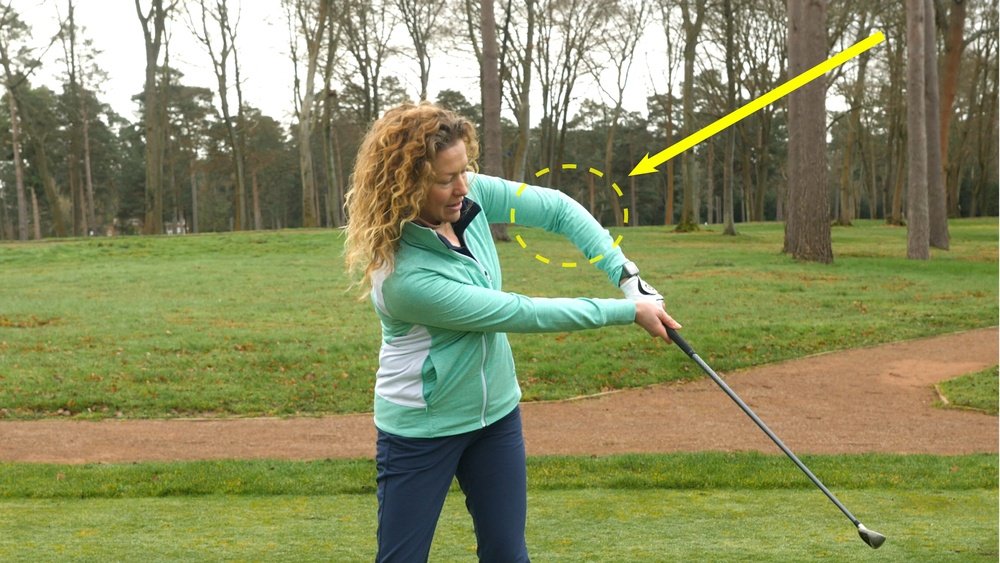
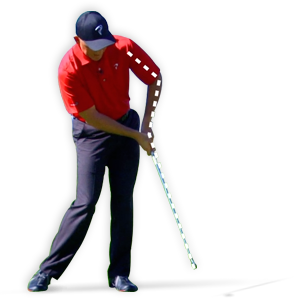
Chicken winging in golf happens when the lead arm bends sharply after impact. This flaw causes loss of power and accuracy. Many golfers face this issue due to certain common mistakes. Understanding why it happens helps fix the problem faster.
Common Swing Flaws
One main cause is poor swing path. Swinging too much from the inside or outside can force the arm to bend. Another flaw is early release of the wrists. This causes the arm to break down too soon. These mistakes reduce control and cause the chicken wing effect.
Body Position Issues
Improper body rotation leads to chicken wings. If the hips and shoulders do not turn properly, the arms try to compensate. Leaning too far forward or backward disrupts balance. This forces the lead arm to bend to keep the club on track.
Grip And Arm Mechanics
A weak or tight grip affects arm movement. Gripping too hard restricts natural arm extension. Also, poor arm mechanics, like not extending fully through impact, cause the elbow to flare out. This creates the classic chicken wing shape during the swing.
Effects On Your Game
The chicken wing in golf affects many parts of your play. It changes how the ball moves and can cause problems with your swing. This flaw also raises the chance of hurting your arm or shoulder. Understanding these effects helps you see why fixing the chicken wing is important.
Impact On Ball Flight
The chicken wing causes the clubface to open at impact. This leads to slices or weak fades instead of straight shots. The ball may also fly lower than expected. Control over distance and direction decreases. Your shots become less accurate and less powerful.
Consistency Problems
Repeating a good swing becomes hard with a chicken wing. Your arm moves in the wrong path each time. This causes unpredictable ball strikes and results. You might hit fat or thin shots more often. Overall, your scoring suffers because shots lack reliability.
Injury Risks
Using a chicken wing puts extra stress on joints. Your elbow and shoulder bear the brunt of the wrong motion. Over time, this can lead to pain or injury. Tendonitis and strains are common problems. Protect your body by correcting this swing flaw early.
Spotting The Chicken Wing
Spotting the chicken wing in golf is the first step to fixing it. This issue happens when your lead arm bends outward after impact. It causes less power and poor ball flight. Knowing how to see this flaw helps you correct it faster. Watch your swing closely and learn the common signs.
Key Signs To Watch
The lead arm bends at the elbow after hitting the ball. The elbow points away from your body. Your wrist may look like it is “chicken winging” out. The clubface often opens too soon. The ball might slice or go off target. These signs show the chicken wing is present.
Video Analysis Tips
Record your swing from the front and side views. Pause the video at impact. Look at your lead arm’s position. Check if the elbow bends outward. Compare your swing to pro golfers’ swings. Use slow motion to catch small movements. Video makes spotting the chicken wing easier.
Feedback From Coaches
Coaches watch your swing and point out errors. They explain how your arm moves during impact. They suggest drills to keep the lead arm straight. Coaches help you feel the right arm position. Their feedback guides your practice sessions. Learning from a coach speeds up improvement.
Fixing Your Swing
Fixing your swing is key to stopping the chicken wing in golf. This problem often happens when your lead arm bends too much after impact. A straight, strong lead arm helps keep the club on the right path. Small changes can make a big difference in your swing and shot accuracy.
Proper Arm Positioning
Keep your lead arm straight but not locked throughout the swing. Avoid bending it too early after hitting the ball. Hold the club firmly but relaxed. This helps control the clubface and prevents the winged elbow look. Practice slow swings focusing on arm position before adding speed.
Improving Wrist Release
Good wrist release lets the clubhead square up naturally. Avoid flipping your wrists too soon or too late. Let your wrists roll over smoothly after impact. Try drills that help you feel the right wrist movement. This reduces tension and prevents a chicken wing.
Body Rotation Drills
Rotate your shoulders and hips through the swing. A strong body turn supports your arms and wrists. Practice drills that focus on turning your torso instead of just your arms. This keeps your swing fluid and balanced. It also stops your lead elbow from flying out.
Practice Routines
Use drills that target arm position, wrist release, and rotation. Start slow and build speed as you gain control. Record your swing to check your form. Consistent practice helps build muscle memory. Over time, your swing will become smoother and the chicken wing will disappear.
Equipment And Setup Tips
Fixing a chicken wing in golf often starts with the right equipment and setup. Small changes here can stop the elbow from flying out. This section covers simple tips that help keep your swing smooth and controlled.
Choosing The Right Club
Use a club that matches your skill level and swing style. A club too heavy or too light can cause poor control. Make sure the shaft flex suits your swing speed. Proper club length helps keep your arms in the right position.
Adjusting Your Grip
A grip that is too tight or too loose can cause tension or slip. Hold the club firmly but relaxed. Check that your hands work together as one unit. Position your hands so the clubface stays square through impact.
Stance And Alignment
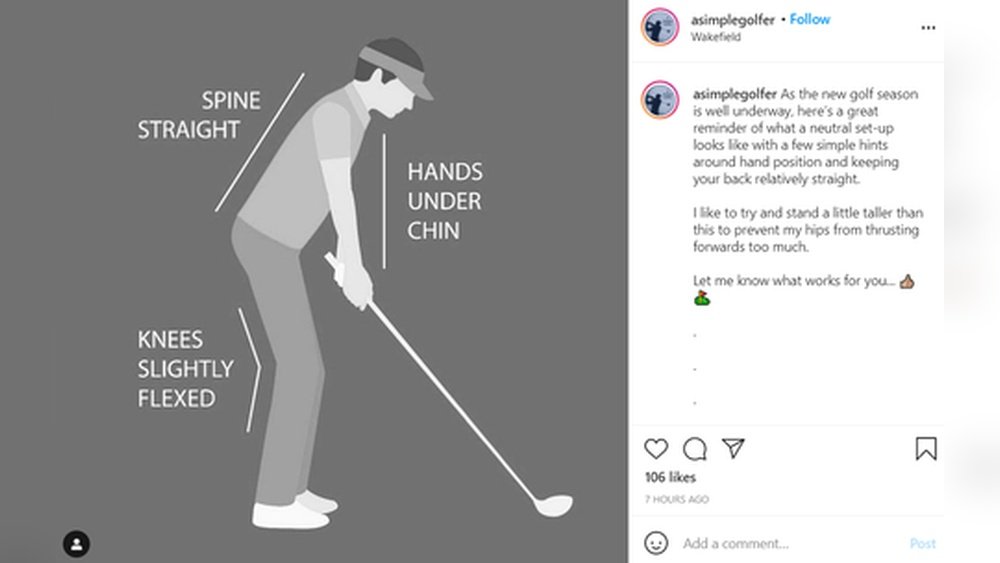
Stand with your feet shoulder-width apart for balance. Align your body parallel to the target line. Keep your weight evenly distributed on both feet. Good stance helps your arms move naturally without flaring out.
Maintaining A Smooth Swing
Maintaining a smooth swing helps avoid the chicken wing in golf. A smooth swing keeps your arms and body working together. It stops your elbow from flaring out. Good control means better shots and fewer mistakes.
Focus on steady movements and strong muscle memory. Practice is key to building a smooth, natural swing. Small changes can make a big difference in your golf game.
Warm-up Exercises
Warming up prepares your muscles for a smooth swing. Start with gentle arm circles to loosen your shoulders. Stretch your wrists and elbows carefully. Try slow practice swings to feel the right motion. Warm muscles reduce tension and improve control.
Mental Focus Techniques
Clear your mind before each swing. Focus on your target, not your mistakes. Take deep breaths to relax your body. Visualize a smooth, fluid swing in your mind. Stay calm and confident during every shot.
Tracking Progress
Keep a record of your swings and results. Note when the chicken wing happens most. Use video to see your swing from different angles. Track improvements and areas to fix. Regular review helps you stay on the right path.

Frequently Asked Questions
What Causes A Chicken Wing In Golf Swings?
A chicken wing occurs when the lead arm bends excessively after impact. This reduces swing power and accuracy. Poor technique and timing often cause it.
How Does A Chicken Wing Affect Golf Shots?
It leads to inconsistent ball contact and poor direction. The shot may slice or lose distance. Control and follow-through suffer significantly.
Can Chicken Wing Be Fixed With Practice?
Yes, focused drills can correct arm position and timing. Strengthening exercises and professional coaching help eliminate the chicken wing. Consistent practice is key.
Why Is Chicken Wing Bad For Golf Performance?
It limits proper wrist release and reduces clubhead speed. This causes weaker shots and less control. Maintaining a straight lead arm is essential.
Conclusion
A chicken wing in golf happens when your lead arm bends too soon. This mistake affects your swing path and power. Fixing it takes practice and focus on arm position. Keep your lead arm straight through impact for better shots.
Remember, small changes bring better results on the course. Play with patience and enjoy improving your swing each day.