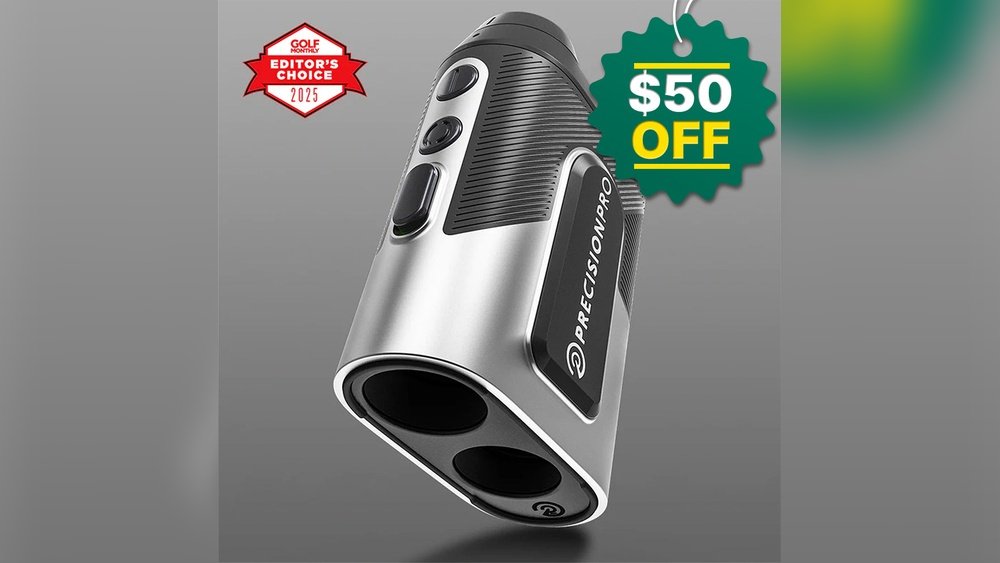
Have you ever wondered just how far your golf rangefinder can measure? Whether you’re aiming for that perfect shot or trying to improve your game, knowing the exact distance is key.
But not all rangefinders are the same, and understanding their limits can make a big difference in your performance. You’ll discover how far your device can really reach and what factors affect its accuracy. Keep reading to unlock the full potential of your golf rangefinder and take your game to the next level.
Golf Rangefinder Basics
A golf rangefinder helps measure the distance to a target on the golf course. It gives players a clear idea of how far they need to hit the ball. Understanding the basics of golf rangefinders can improve your game and confidence. These tools are simple but very useful for golfers of all levels.
Types Of Rangefinders
There are two main types of golf rangefinders: laser and GPS. Laser rangefinders use a laser beam to find the distance to the target. They are accurate and quick. GPS rangefinders use satellites to determine your location and the distance to the hole. They provide course maps and other helpful data. Both types have their own benefits and suit different players.
How Rangefinders Work
Laser rangefinders send a laser beam towards the target. The beam bounces back to the device, which calculates the distance. This process happens in seconds. GPS rangefinders use satellite signals to find your position on the course. Then, they measure the distance to the hole or other points. Both types give accurate distance readings to help choose the right club.
Maximum Measuring Distances
Golf rangefinders vary in how far they can measure distances. The maximum measuring distance depends on the device’s technology and design. Knowing these limits helps golfers choose the right rangefinder for their needs.
Short Range Limits
Most golf rangefinders measure distances starting around 5 to 10 yards. These devices perform best within 300 to 400 yards. At short ranges, they provide quick and accurate readings. This helps golfers make precise shots on the course.
Some budget models may have shorter maximum distances. They usually lack advanced features but still work well for most holes. Short range limits suit players who focus on close and mid-range shots.
Long Range Capabilities
High-end rangefinders can measure distances beyond 400 yards. Some models reach up to 1,000 yards or more. These devices use advanced lasers and optics for long-distance accuracy.
Long range capabilities help golfers judge hazards and carry distances. They work well on long holes and open courses. These rangefinders often include extra features like slope measurement and target lock.
Factors Affecting Range Accuracy
Range accuracy depends on many factors. Understanding these can help you get better results with your golf rangefinder. Some conditions make measuring distance easier. Others may cause errors or reduce the rangefinder’s effectiveness.
Weather Conditions
Weather plays a big role in range accuracy. Rain, fog, or mist can block the laser beam. This makes it harder for the device to find the target. Bright sunlight may also affect the reading by creating glare. Wind does not affect the laser but can move objects, confusing the device.
Terrain And Obstacles
Uneven land or hills can change how the laser hits the target. Trees, bushes, and other obstacles may block the line of sight. This forces the rangefinder to measure a closer object instead. Open, flat terrain offers the best conditions for clear readings. Always aim directly at the flag or target to improve accuracy.
Device Quality
Not all rangefinders are the same. Higher quality devices use better lasers and sensors. They can measure longer distances with more precision. Cheaper models may have shorter ranges and less accuracy. Features like angle compensation can help in hilly areas. Choose a rangefinder that fits your needs and budget.
Choosing The Right Rangefinder
Choosing the right golf rangefinder can improve your game. It helps you measure distances accurately on the course. Not all rangefinders are the same. Some suit certain types of courses and players better than others. Think about what you need before buying one. This section will guide you through key points to consider.
Range Needs Based On Course
Different courses have different layouts. Some have long holes, others shorter. If your course has many long holes, choose a rangefinder with a longer measuring distance. Many rangefinders measure up to 400 yards or more. For shorter courses, a rangefinder with a 200-300 yard range may be enough. Also, think about obstacles like trees or hills. You may need a device with clear targeting to measure through these.
Budget Considerations
Rangefinders come in many price ranges. Basic models cost less but still offer good accuracy. More expensive models have added features like slope measurement or faster readings. Set a budget before shopping. Decide what features you need most. Spending more does not always mean better for your needs. Choose a model that fits your budget and course demands.
Additional Features
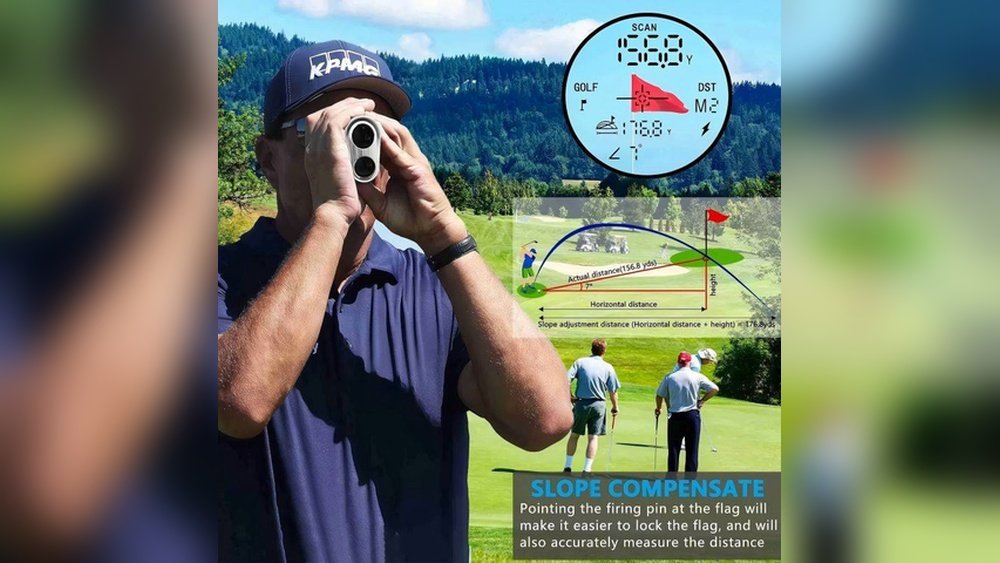
Some rangefinders offer extra features. Slope measurement shows the angle of elevation or decline. This helps adjust your shot power. Pin-seeking technology locks onto the flag for precise readings. Some devices have vibration alerts or clear displays for easy reading. Weather resistance is useful for wet or foggy conditions. Pick features that will help you on your specific course. Avoid paying for extras you won’t use.
Tips To Maximize Measurement Distance
Maximizing the measurement distance of your golf rangefinder helps improve your accuracy on the course. Proper use and care can extend the effective range and provide more reliable readings. Simple steps make a big difference in performance. Follow these tips to get the most from your device.
Proper Usage Techniques
Hold the rangefinder steady for clear targeting. Use both hands if needed to reduce shaking. Aim directly at the flag or target for precise distance. Avoid aiming at objects behind the target. Check for clear line of sight without obstacles. Use the device in good lighting conditions. Avoid bright sunlight shining directly into the lens.
Maintenance And Calibration
Keep the lens clean using a soft cloth. Dirt or smudges reduce measurement accuracy. Store the rangefinder in a dry, safe place. Avoid dropping or exposing it to water. Regularly check calibration using known distances. Follow the manufacturer’s instructions for adjustments. Proper calibration maintains distance accuracy over time.

Frequently Asked Questions
What Is The Maximum Distance A Golf Rangefinder Can Measure?
Most golf rangefinders measure distances up to 400 to 600 yards. Some premium models extend beyond 1,000 yards, ideal for long-range shots. Accuracy and range depend on device quality and environmental conditions like weather and visibility.
How Does A Golf Rangefinder Measure Distance Accurately?
Golf rangefinders use laser or GPS technology to calculate precise distances. Laser rangefinders send a beam that reflects off the target and measures the return time. GPS rangefinders use satellite data to estimate distances to various points on the course.
Can Weather Affect Golf Rangefinder Distance Accuracy?
Yes, weather conditions like fog, rain, or strong sunlight can reduce a rangefinder’s accuracy. These factors interfere with laser signals or GPS reception. Always check your device’s performance in different weather for reliable measurements.
Are Golf Rangefinders Effective On Hilly Or Uneven Terrain?
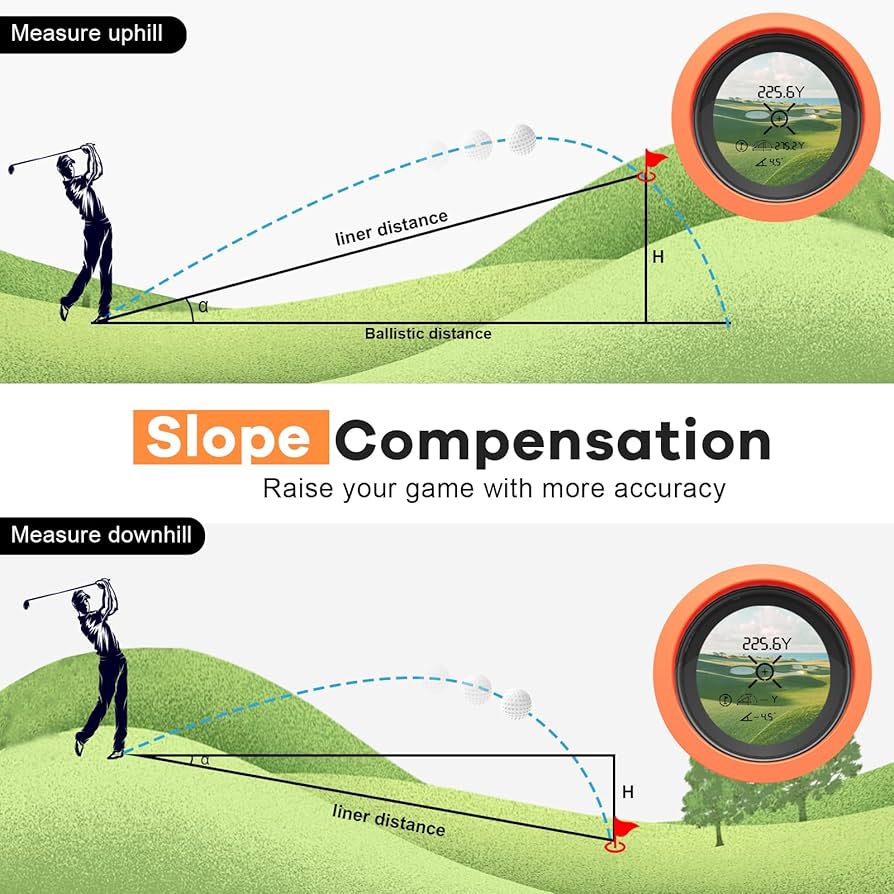
Golf rangefinders with slope technology adjust distances based on terrain elevation. This feature provides accurate yardages on uphill or downhill shots, helping golfers select the right club for challenging course layouts.
Conclusion
Golf rangefinders measure distances clearly and quickly. Their range varies by model and conditions. Most devices work well up to 400 yards. Some advanced models can measure even farther. Knowing your device’s range helps improve your game. Always check the product details before buying.
Using the right rangefinder gives you confidence on the course. It helps choose the best club for each shot. Precision matters, and rangefinders deliver just that. Keep practicing, and your distance control will improve too.