Have you ever wondered if using a swing trainer can really make a difference in your golf game? If you’re looking to improve your swing but aren’t sure where to start, swing trainers might be the tool you need.
They promise better control, power, and consistency—but do they actually deliver? You’ll discover how swing trainers work, whether they fit into your practice routine, and how they can help you take your golf swing to the next level. Keep reading to find out if this simple device could be the game-changer you’ve been searching for.
Benefits Of Swing Trainers
Swing trainers offer many benefits for golfers of all levels. They help improve your golf swing by focusing on key areas. Regular use can lead to better consistency and confidence.
These tools guide your body and arms to follow the right path. This practice builds good habits and reduces common mistakes. The result is a smoother, more controlled swing.
Enhanced Swing Mechanics
Swing trainers teach the correct movement of your arms and shoulders. They help you keep a steady rhythm throughout the swing. This leads to better ball contact and accuracy. By improving your form, trainers reduce the chance of injury.
Muscle Memory Development
Using swing trainers regularly builds muscle memory. Your body learns to repeat the correct swing without thinking. This makes your swing more natural and automatic. Muscle memory helps you perform well even under pressure.
Increased Swing Speed
Swing trainers can help increase your swing speed safely. They encourage faster arm movement while maintaining control. A faster swing often results in longer shots. Speed combined with good form improves your overall game.
Types Of Swing Trainers
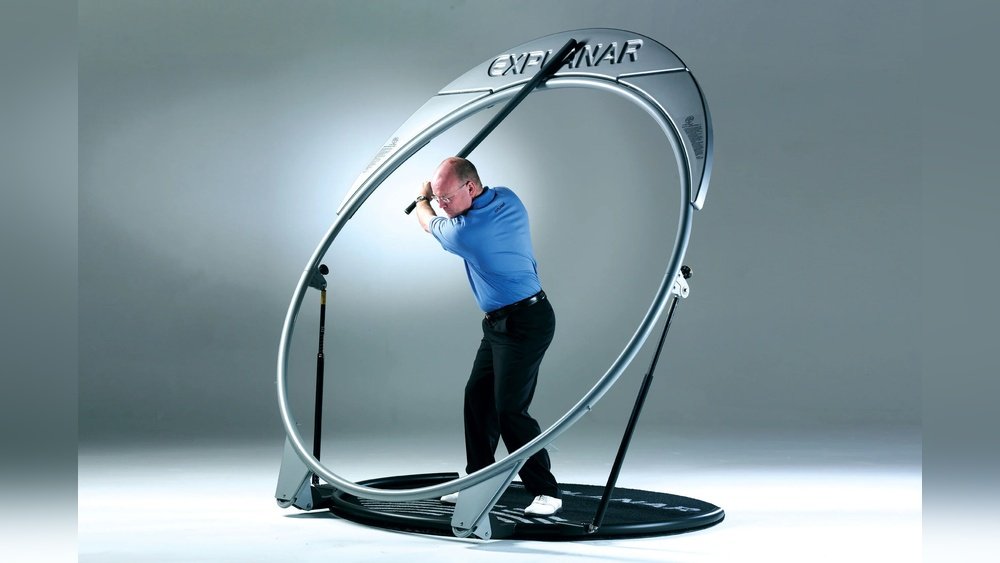
Golf swing trainers come in various types to help improve your swing. Each type targets different parts of your golf swing. Choosing the right trainer depends on what you want to improve. Some trainers build strength, while others focus on swing mechanics. Understanding these types can help you practice better.
Weighted Clubs
Weighted clubs are heavier than regular golf clubs. They build strength in your arms and wrists. Using them regularly can improve your swing speed. They also help you feel the correct swing path. Start with light weighted clubs to avoid injury.
Swing Analyzers
Swing analyzers are small devices attached to your club. They track your swing speed, angle, and tempo. The data helps you see what needs improvement. Many analyzers connect to your phone or tablet. This makes it easy to review and adjust your swing.
Resistance Bands
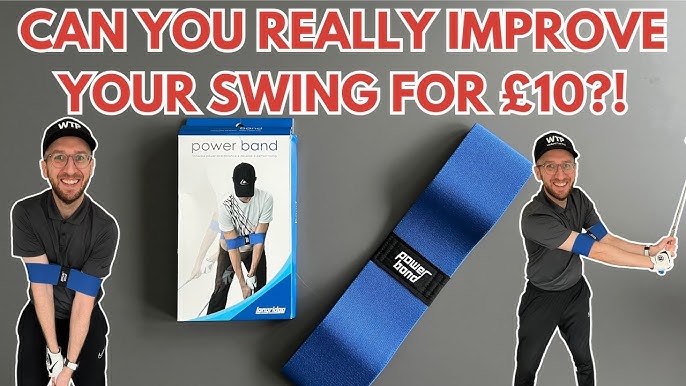
Resistance bands add tension during your golf swing practice. They strengthen muscles used in the swing. Bands improve your flexibility and control. They are lightweight and easy to carry. Use them to practice your swing motion slowly and correctly.
How To Use Swing Trainers Effectively
Using swing trainers can improve your golf swing if done right. These tools help you practice and build muscle memory. Proper use makes your training more effective and safe.
Proper Technique
Hold the swing trainer as you would a real golf club. Focus on your grip and stance. Practice slow, smooth swings to feel the correct motion. Watch your body alignment and wrist movement closely. Using the right technique helps build good habits.
Training Frequency
Practice with the swing trainer regularly but avoid overdoing it. Aim for short sessions, about 10 to 15 minutes each day. Consistent practice works better than long, infrequent sessions. Give your muscles time to rest and recover.
Avoiding Common Mistakes
Do not swing too hard or too fast with the trainer. This can cause injury and bad habits. Avoid neglecting your posture and balance. Using the trainer without focus wastes time. Keep your eyes on form, not just power.

Impact On Different Skill Levels
Swing trainers affect golfers differently based on skill level. Each group benefits in unique ways. Understanding these effects helps choose the right tool.
Beginners
Swing trainers help beginners learn the basics. They guide the correct grip and swing path. This builds good habits early. Trainers also boost confidence by showing instant feedback. Beginners often see quick improvement with regular use.
Intermediate Players
Intermediate players use trainers to refine skills. They focus on timing and consistency. Trainers highlight subtle errors hard to feel. This helps correct flaws before they become habits. Using a swing trainer can raise overall performance steadily.
Advanced Golfers
Advanced golfers use trainers for fine tuning. They work on precision and power control. Trainers assist in maintaining form under pressure. Small adjustments make a big difference at this level. Experienced players benefit from detailed feedback and practice drills.
Common Myths About Swing Trainers
Swing trainers are popular tools among golfers. They promise to help improve your golf swing quickly. Many players believe these devices solve all swing problems instantly. Some myths around swing trainers can mislead you. Understanding these myths helps set the right expectations. It also guides you on how to use these tools effectively.
Instant Improvement Claims
Many ads say swing trainers fix your swing right away. The truth is improvement takes time and practice. Swing trainers help build muscle memory slowly. You must use them regularly and correctly. Expecting quick results can cause frustration. Real progress comes with patience and effort.
Overreliance Risks
Relying too much on swing trainers can harm your game. These tools should support your training, not replace it. Overuse may create bad habits or limit your swing freedom. Golf requires natural feel and timing, not just mechanics. Balance training with real play to avoid problems.
Suitability For All Players
Not every swing trainer fits every golfer. Beginners and pros have different needs. Some trainers suit specific skill levels or swing types. Choosing the wrong device can cause confusion or injury. Learn about your swing before picking a trainer. Personalized advice helps find the best match.

Measuring Progress With Swing Trainers
Measuring progress with swing trainers helps golfers see real improvements. These tools provide clear data to guide practice sessions. Tracking changes over time gives motivation and focus.
Using a swing trainer lets you measure key aspects of your golf swing. You can track speed, consistency, and get instant feedback. This information helps you adjust and improve efficiently.
Tracking Swing Speed
Swing speed shows how fast the club moves during a swing. Swing trainers often have sensors to measure this speed. Faster swings can add distance to your shots.
By tracking swing speed regularly, you notice gradual changes. You learn what feels right for better control and power. Data helps avoid swinging too fast or too slow.
Evaluating Consistency
Consistency means repeating the same swing motion every time. Swing trainers capture details like swing path and angle. This helps identify patterns or mistakes.
Practicing with feedback on consistency builds muscle memory. You develop a reliable swing that works well on the course. Small improvements add up to big results.
Feedback Tools
Many swing trainers come with feedback features like lights or sounds. These cues tell you if your swing meets the goal. Instant feedback helps correct errors immediately.
Some devices connect to apps showing detailed reports. Visual data makes it easier to understand what needs work. Feedback tools keep practice focused and productive.
Tips To Maximize Results
Using a swing trainer can help improve your golf swing. To get the best results, follow some simple tips. These tips will help you practice smarter and improve faster. Focus on combining tools, training, and motivation.
Combining With Professional Coaching
Working with a golf coach helps you use the swing trainer well. A coach can spot mistakes you might miss. They give advice on how to adjust your swing. This makes your practice time more effective.
Coaches can create a plan that fits your skill level. They also show how to practice with the trainer correctly. This leads to better and faster improvement.
Incorporating Fitness Training
Golf needs strength and flexibility. Adding fitness exercises can improve your swing power and control. Focus on exercises for your core, legs, and arms. Stretching helps your body move smoothly during swings.
Strong muscles reduce the risk of injury. Fitness training supports the skills you build with the swing trainer. Together, they improve your overall golf performance.
Maintaining Motivation
Practicing regularly is key to improvement. Set small goals for each session. Celebrate progress, even if it is small. This keeps your interest and drive alive.
Try different drills with the swing trainer to stay engaged. Mix practice routines to avoid boredom. Remember, steady effort brings lasting results.
Frequently Asked Questions
What Are Swing Trainers For Golf?
Swing trainers are tools designed to improve your golf swing mechanics. They help develop muscle memory, timing, and consistency. These trainers guide your swing path and tempo. Regular use can enhance your overall golf performance and reduce common swing errors.
Do Swing Trainers Improve Swing Speed?
Yes, swing trainers can help increase swing speed. They strengthen key muscles used in the golf swing. By promoting proper technique, they allow more efficient energy transfer. This leads to faster, more powerful swings over time.
Can Swing Trainers Fix My Slice?
Swing trainers can help reduce or fix a slice. They encourage correct swing path and clubface alignment. Practicing with these tools builds better control and accuracy. However, combining trainers with professional coaching yields the best results.
How Often Should I Use A Swing Trainer?
For best results, use a swing trainer 3-5 times per week. Short, focused sessions of 10-15 minutes improve muscle memory. Consistency is key to developing better swing habits and form.
Conclusion
Swing trainers help build better golf swings through practice. They improve timing, control, and muscle memory. Regular use can lead to more consistent shots on the course. Still, they work best when combined with proper coaching and real play. Not every golfer will see quick results, but patience pays off.
Try a swing trainer to see if it fits your routine. Small improvements add up over time. Practice smart and enjoy your progress.