Have you ever wondered what makes a perfect golf swing? Whether you’re just starting out or looking to improve your game, understanding the stages of a golf swing can change the way you play.
Each step in the swing matters and mastering them can help you hit the ball farther and straighter. You’ll discover the key stages that make up a great golf swing, and how paying attention to each one can boost your confidence on the course.
Ready to take your swing to the next level? Let’s dive in!

Grip And Setup
The grip and setup form the foundation of a good golf swing. They influence control, power, and accuracy. A proper grip and setup help you hit the ball clean and straight. This section explains the key steps to prepare your hands and body before swinging.
Choosing The Right Grip
The grip is how you hold the golf club. It affects your swing path and clubface angle. There are three main grips: the overlapping grip, the interlocking grip, and the ten-finger grip. The overlapping grip places the pinky finger of the trailing hand over the index finger of the lead hand. The interlocking grip weaves the pinky and index fingers together. The ten-finger grip has all fingers on the club, like a baseball bat.
Pick a grip that feels comfortable and secure. Your hands should work as one unit. Avoid gripping too tight. A firm but relaxed grip gives better control.
Stance And Alignment
Your stance sets the base for your swing. Stand with feet shoulder-width apart. Balance your weight evenly on both feet. Point your toes slightly outward for stability.
Align your body parallel to the target line. Your feet, hips, and shoulders should face the same direction. This helps you swing along the correct path. Keep the ball position consistent depending on the club used.
Posture And Balance
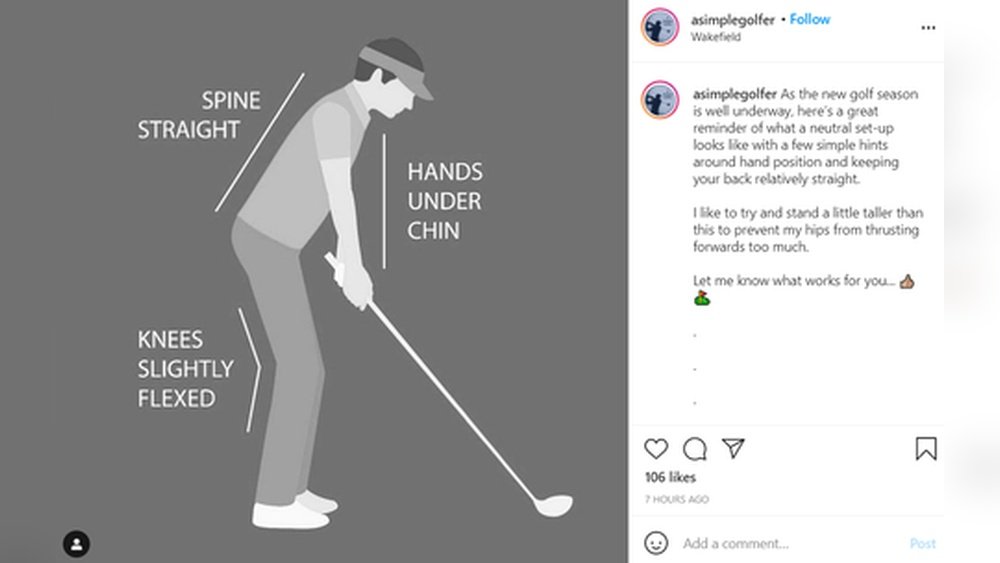
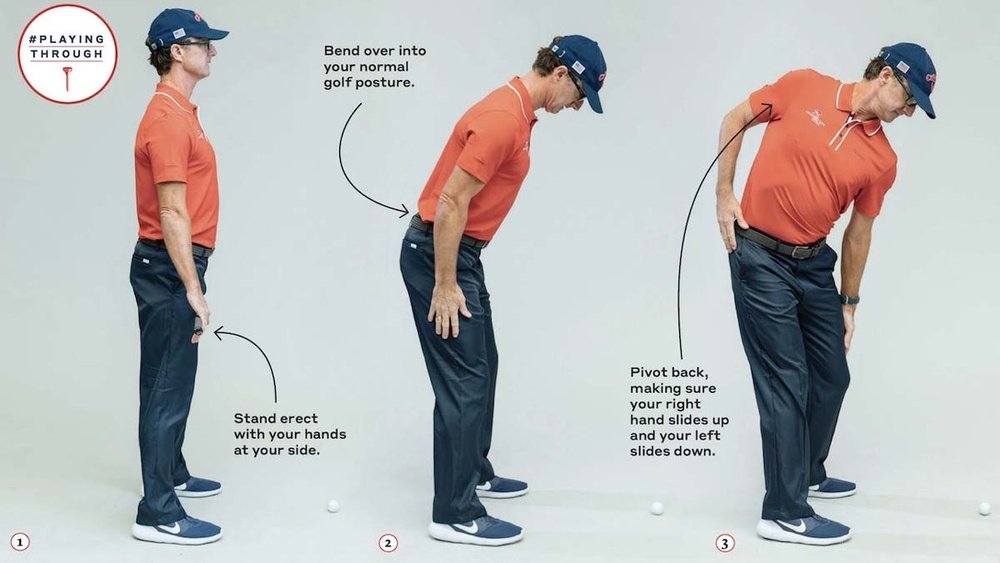
Good posture improves your swing mechanics. Bend slightly from the hips, not the waist. Keep your back straight and chest up. Let your arms hang naturally down to the club.
Maintain a slight knee bend to stay athletic. Balance your weight on the balls of your feet. Avoid leaning too far forward or backward. This stance allows smooth rotation and power during the swing.

Backswing
The backswing is the first major part of the golf swing. It sets the stage for power and control. A smooth backswing helps you hit the ball accurately. This part of the swing moves the club away from the ball and prepares your body to generate force.
Starting The Takeaway
The takeaway begins the backswing. Move the club slowly and straight back. Keep your hands and arms relaxed. Avoid rushing this step. A good takeaway sets the tempo for the entire swing.
Wrist Hinge And Arm Movement
As the club moves back, your wrists start to hinge. This creates a 90-degree angle between your lead arm and the club shaft. The arms lift smoothly, not forced. This wrist hinge adds power to your swing.
Turning The Shoulders
The shoulders turn away from the target. This turn is key to building energy. Keep your head steady while your shoulders rotate. Your back should face the target at the top. This coil stores power for the downswing.
Transition
The transition in a golf swing is the key moment between the backswing and downswing. It sets the pace and direction of the entire shot. A smooth transition helps generate power and control. It also prevents tension and mistakes.
Shifting Weight
During transition, the weight shifts from the back foot to the front foot. This movement creates momentum for the downswing. Proper weight shift helps the clubhead move faster. It also keeps balance and stability through the swing.
Lower Body Initiation
The lower body starts the downswing in transition. The hips begin to rotate toward the target. This action leads the upper body and arms. Starting with the lower body creates a natural, powerful swing.
Maintaining Rhythm
Rhythm is vital during the transition phase. It ensures the swing flows smoothly without rushing. Keeping a steady tempo helps the club follow the correct path. A good rhythm leads to better contact and distance.
Downswing
The downswing is a key part of the golf swing. It starts after the top of the backswing and moves the club toward the ball. This stage is about speed and control. The goal is to hit the ball with power and accuracy. Each part of the body works together to create the perfect swing path.
Accelerating The Clubhead
The clubhead gains speed during the downswing. It moves faster as it approaches the ball. This acceleration helps create more distance. The hands lead the club, but the whole body adds force. A smooth, fast motion is best for solid contact.
Hip Rotation
Hips start turning toward the target in the downswing. This rotation adds power to the swing. It helps shift weight from the back foot to the front foot. Proper hip movement keeps the body balanced. This keeps the swing steady and strong.
Arm And Wrist Action
Arms guide the club while wrists control the angle. Wrists release just before hitting the ball. This release adds extra speed to the clubhead. Arms stay connected to the body for control. Together, they help hit the ball cleanly and straight.
Impact
The impact is the moment the club hits the ball. This stage is crucial for a good shot. Everything in your swing leads to this point. The position of your club and body here decides the ball’s direction and speed.
Square Clubface
The clubface must be square to the target at impact. A square clubface means it faces straight ahead. This helps the ball go where you want. If the clubface is open or closed, the ball will curve. Practice keeping the clubface steady for better shots.
Body Position
Your body should be balanced and firm at impact. The hips turn slightly, and the weight shifts to the front foot. Keep your head steady and eyes on the ball. A good body position helps control power and accuracy. Avoid leaning too far forward or back.
Ball Contact
Clean contact with the ball is key. Hit the ball first, then the ground. This makes the ball fly high and straight. Hitting the ground before the ball causes poor shots. Focus on striking the ball in the center of the clubface. This gives you the best distance and control.
Follow-through
The follow-through is the final part of a golf swing. It shows how well you controlled your swing and where the ball will go. A good follow-through helps with power, accuracy, and balance. It also lowers the risk of injury by allowing your body to move naturally after hitting the ball.
Extending The Arms
After hitting the ball, your arms should fully extend toward the target. This extension helps keep the club on the right path. It also ensures you use all your power. Do not stop your arms too soon. Let them stretch out naturally for a smooth finish.
Completing The Rotation
Your body keeps turning after impact. The hips and shoulders rotate toward the target. This rotation is key to transferring energy into the shot. It also helps your balance and control. Keep your head steady while your body turns. This keeps your swing consistent and strong.
Balanced Finish
End your swing standing tall and steady. Both feet should be flat on the ground. Your weight rests mostly on the front foot. A balanced finish shows good control and helps with accuracy. Practice holding this position to improve your overall swing.

Frequently Asked Questions
What Are The Main Stages Of A Golf Swing?
The main stages are setup, backswing, downswing, impact, and follow-through. Each stage is crucial for accuracy and power.
Why Is The Backswing Important In Golf?
The backswing sets the club’s position and builds power. It helps create a smooth, controlled motion for a better shot.
How Does The Downswing Affect The Golf Shot?
The downswing accelerates the club towards the ball. It controls direction, speed, and impact, influencing distance and accuracy.
What Role Does Follow-through Play In Golf?
Follow-through ensures a balanced finish and proper club release. It helps maintain swing rhythm and improves shot consistency.
Conclusion
Understanding the stages of a golf swing helps improve your play. Each stage plays a key role in hitting the ball well. Practice the grip, backswing, downswing, impact, and follow-through often. This builds consistency and control in your shots. Stay patient and focus on smooth movements.
Remember, good golf comes from steady practice and clear steps. Keep these stages in mind every time you swing. Your skills will grow with time and effort. Enjoy the process and have fun on the course.