Are you struggling with inconsistent shots or losing power in your golf swing? Early extension might be the hidden culprit holding you back from playing your best.
This common swing flaw can sneak into your game without you even realizing it, causing frustration and lost distance. But don’t worry—you can fix it. You’ll discover simple, effective tips to stop early extension and improve your swing instantly. Keep reading to unlock the key to a smoother, more powerful golf swing that will boost your confidence on the course.

What Is Early Extension
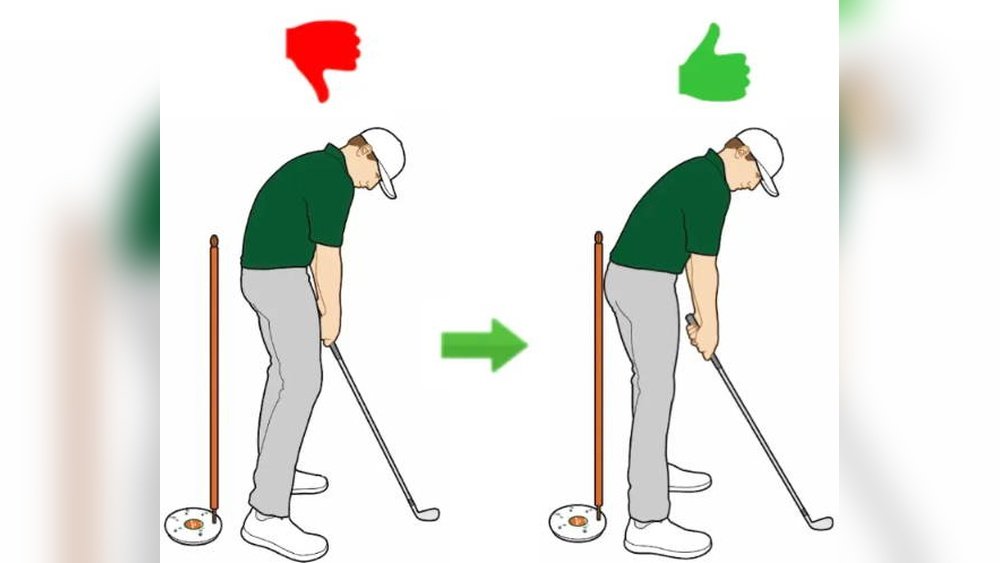
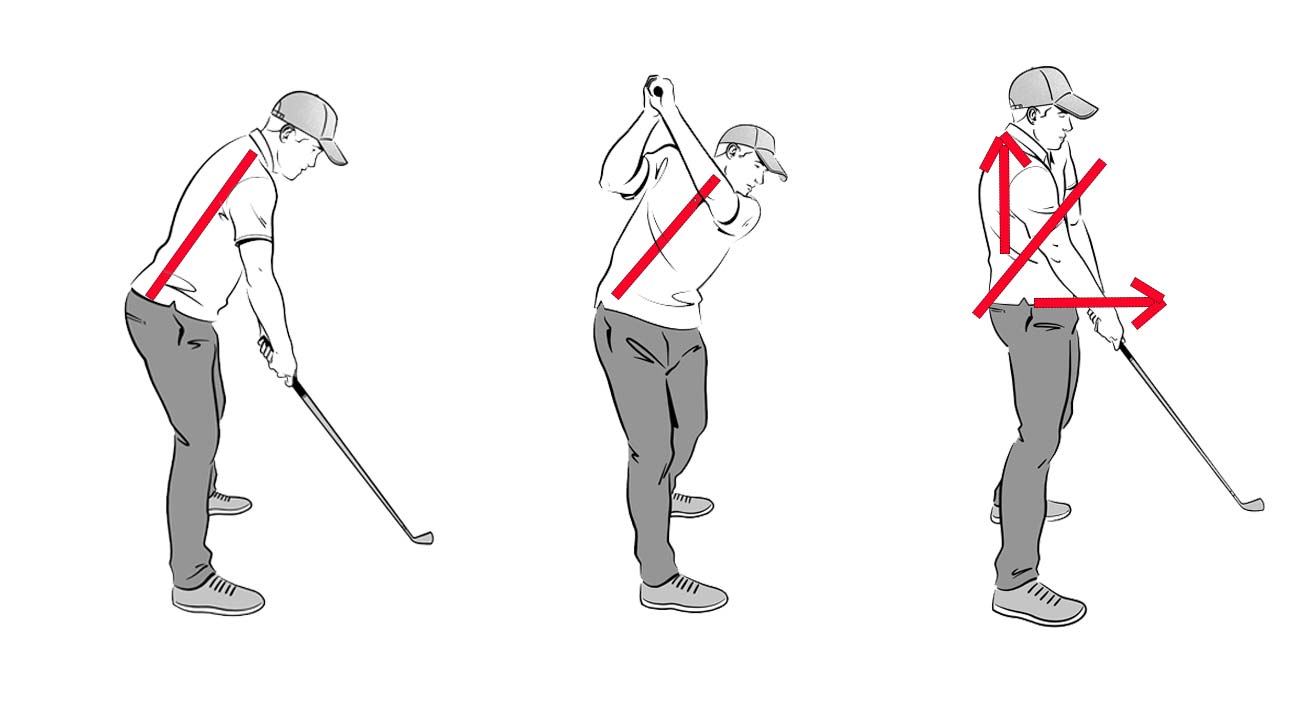
Early extension is a common problem in golf swings. It happens when a player moves their hips toward the ball during the downswing. This motion causes the upper body to lift up and forward. As a result, the swing loses power and accuracy. Many golfers struggle with this without knowing why.
Understanding early extension is the first step to fixing it. It affects your posture and balance. It also changes the club path and contact with the ball. Knowing what it looks like helps you spot it in your own swing.
What Happens During Early Extension?
During early extension, the hips move too close to the golf ball. Instead of turning, the body straightens up. This movement pushes the chest forward. The lower back loses its angle, which affects the swing plane. The result is a loss of control and power.
Why Does Early Extension Occur?
Early extension can happen for several reasons. Tight hips or poor flexibility limit proper hip rotation. Balance issues make it hard to stay steady. Sometimes players use early extension to try to hit the ball harder. Poor swing mechanics also cause this problem.
How To Spot Early Extension In Your Swing
Watch yourself in a video from the side. Look for your hips moving toward the ball early. Check if your chest lifts up and away from the target. Notice if your back straightens during the downswing. These signs indicate early extension.
Common Causes
Early extension in a golf swing often causes inconsistent shots and loss of power. Understanding the common causes helps you fix this problem faster. These causes affect your body position and swing mechanics.
Poor Posture
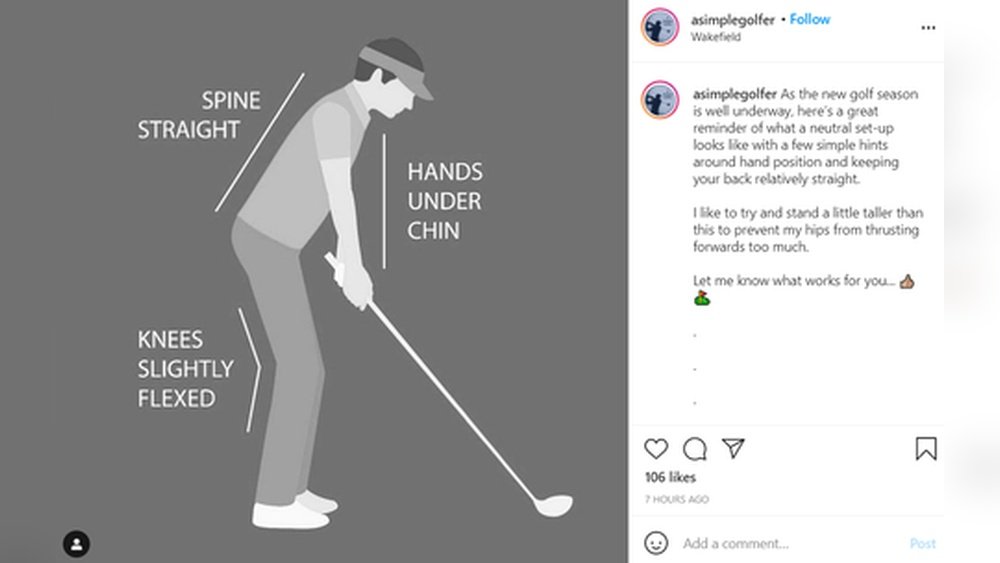
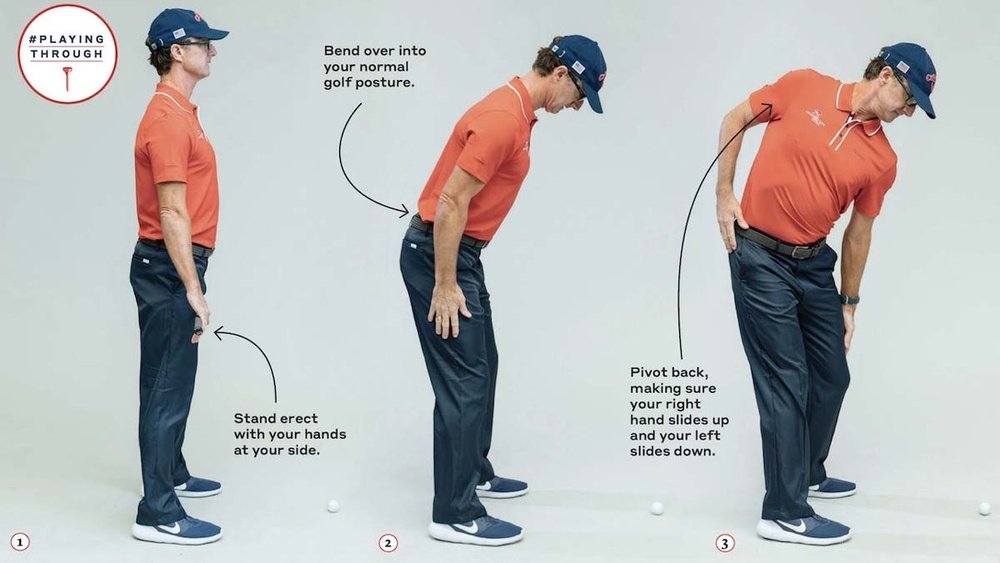
Poor posture leads to early extension. Standing too upright or slouching limits your hip movement. It makes your body move forward during the swing. Keeping a proper spine angle helps maintain balance and control.
Weak Core
A weak core cannot support your body well during the swing. It causes your hips and upper body to push forward. Strengthening core muscles improves stability. This keeps your body steady through the swing.
Improper Weight Shift
Improper weight shift causes your body to move toward the ball early. Shifting weight too soon or too much breaks your swing plane. Learning to transfer weight smoothly helps keep your posture stable. This improves swing consistency.
Impact On Your Swing
Early extension affects many parts of your golf swing. It changes the way your body moves and how you hit the ball.
This flaw makes it hard to keep control during the swing. It causes your hips to move toward the ball too soon. This move reduces your power and accuracy.
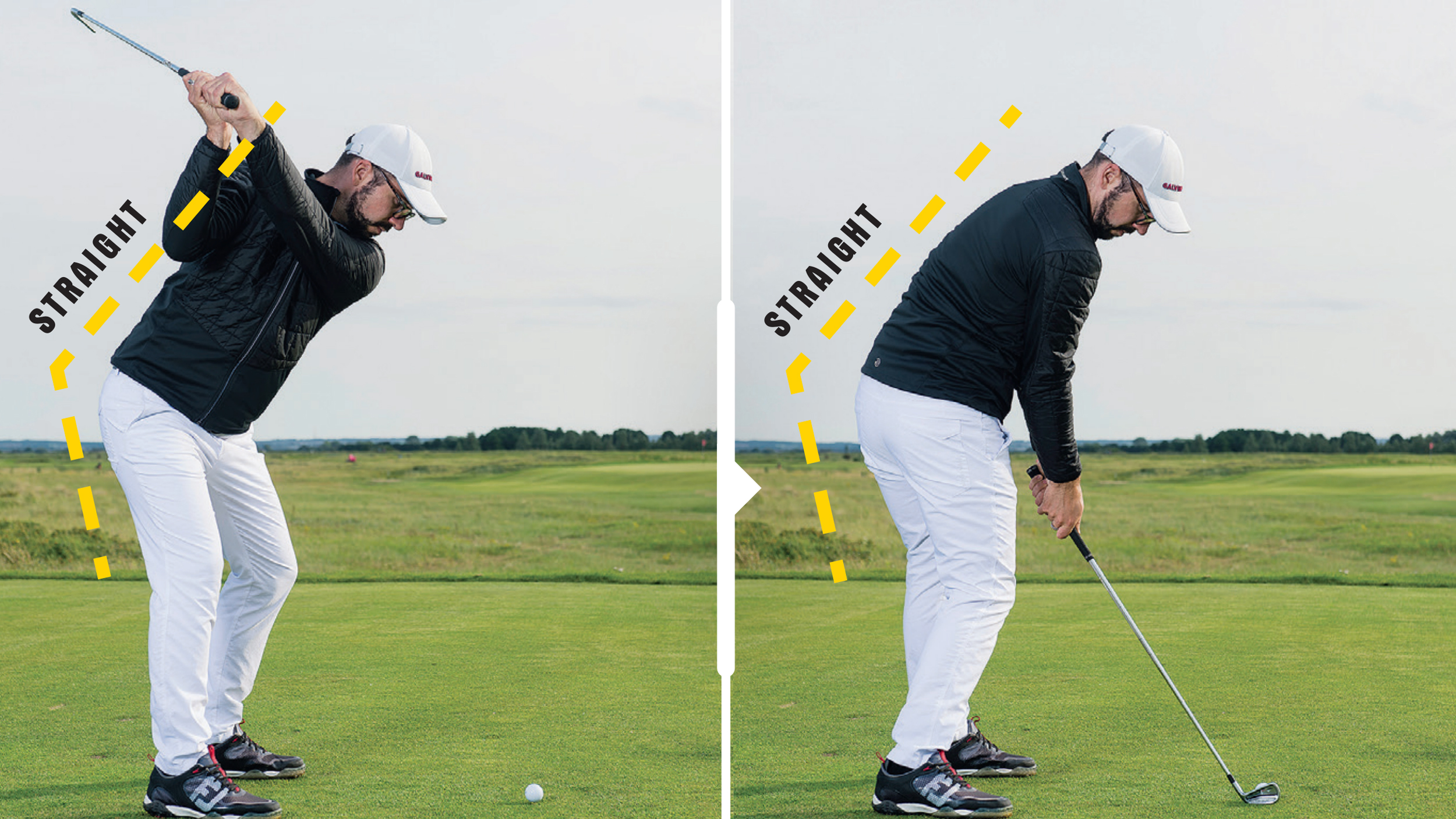
Your spine loses its angle, which is important for a solid swing. Losing this angle can lead to inconsistent shots and less distance.
Loss Of Power
Early extension reduces the energy you can put into the ball. Your hips and body cannot rotate fully. This limits your swing speed and power.
The clubhead slows down, which means less force hitting the ball. You may notice shorter drives and weaker shots.
Poor Ball Contact
It is harder to hit the ball cleanly with early extension. Your body moves forward too soon, causing the club to hit the ground first.
This leads to fat or thin shots, which do not travel far or straight. Consistent ball contact becomes a challenge.
Increased Risk Of Injury
Early extension puts extra stress on your lower back. The awkward movement strains muscles and joints during the swing.
Repeated swings with early extension can cause pain and injury. Maintaining proper posture helps protect your body.
Loss Of Accuracy
Your swing path changes with early extension. The clubface may not square up to the ball correctly.
This causes shots to veer left or right, making it hard to aim well. Controlling the ball flight becomes difficult.
Drills To Correct Early Extension
Early extension in a golf swing causes the hips to move toward the ball. This movement can reduce power and accuracy. Practicing specific drills helps you keep your posture and improve your swing. These drills focus on training your body to stay in the right position.
Wall Drill
Stand with your back close to a wall. Keep your hips and shoulders touching the wall. Practice your golf swing without losing contact. The wall stops your hips from moving forward. This drill trains your body to stay back during the swing.
Chair Drill
Place a chair behind you near your hips. Make sure the chair is close but does not touch you. Swing slowly and try not to hit the chair. This drill helps you feel when you move your hips too far. It encourages better posture and balance.
Step-back Drill
Take your normal stance and swing back slowly. Step your back foot one step back after the backswing. This move forces you to maintain hip position. It trains your body to resist early extension. Repeat this drill to build muscle memory and control.
Strengthening Exercises
Strengthening exercises play a key role in fixing early extension in your golf swing. Early extension happens when your hips move toward the ball too soon during the downswing. This weakens your posture and reduces power. Building strength in certain areas helps keep your hips stable and improves your swing path. Focus on core, hips, and balance to see better control and consistency.
Core Stability Moves
Your core controls your posture and rotation in the swing. Strong core muscles keep your spine steady and prevent you from rising up early. Try planks, side planks, and bird dogs. These moves target deep muscles around your abdomen and lower back. Hold each position for 20 to 30 seconds. Repeat 3 times to build endurance. A stable core stops early extension and supports a smooth swing.
Hip Mobility Routines
Flexible hips allow your body to rotate freely during the swing. Tight hips force your lower body to move forward, causing early extension. Practice hip circles, lunges, and hip flexor stretches daily. Move slowly and breathe deeply to improve range of motion. Better hip mobility keeps your hips back and aligned with your shoulders. This helps maintain posture and power.
Balance Training
Good balance helps you stay steady through the swing. Poor balance makes you shift weight too soon and lose control. Use single-leg stands and balance boards to practice stability. Stand on one foot for 30 seconds, then switch sides. Try closing your eyes to challenge your balance more. Balanced muscles keep your body centered, preventing early extension and improving swing accuracy.
Equipment Adjustments
Adjusting your golf equipment can help fix early extension in your swing. Choosing the right clubs supports better posture and swing mechanics. Small changes to club length and shaft flexibility can improve your stance and balance.
These adjustments help you maintain the correct position through your swing. They reduce the chances of standing up too early and losing power. Proper equipment fits your body and swing style better.
Proper Club Length
Using clubs that are too long can cause early extension. Long clubs force you to stand more upright at impact. This change in posture leads to a loss of control and consistency.
Clubs that match your height and arm length allow a natural bend at the hips. This setup helps keep your spine angle steady. You swing with more confidence and better balance.
Shaft Flex Considerations
The shaft flex affects how the club moves during your swing. A shaft that is too stiff or too flexible can cause early extension. It changes the timing and feel of your swing.
Choosing the right shaft flex improves control and rhythm. It helps you maintain your posture longer. Your swing becomes smoother and more efficient.
Tracking Progress
Tracking progress is key to fixing early extension in your golf swing. It shows if your practice works. You can see changes and adjust your training. Small improvements become clear over time. Staying aware helps keep your swing on track.
Video Analysis
Video analysis lets you watch your swing closely. Record your swing from different angles. Look for early extension signs like hip movement forward. Compare videos week by week to spot changes. Slow-motion helps see details you miss in real time. Use apps or cameras for easy recording. Seeing yourself helps understand what to fix.
Using Launch Monitors
Launch monitors measure your swing data accurately. They track club speed, ball flight, and impact. Data shows if your body position improves during the swing. Some monitors also measure body movement and angles. Use this info to adjust your posture and timing. Tracking numbers helps confirm if you reduce early extension. It gives clear feedback on your swing quality.
Frequently Asked Questions
What Causes Early Extension In A Golf Swing?
Early extension happens when your hips move toward the ball during the downswing. This often results from poor posture or weak core muscles. It can also be caused by trying to lift the ball instead of rotating properly. Fixing these issues helps maintain a consistent swing.
How Can I Improve My Posture To Fix Early Extension?
To improve posture, focus on bending from your hips, not your waist. Keep your spine straight and knees slightly flexed. Practice maintaining this stance during swings. Strengthening your core and hip muscles also supports better posture and prevents early extension.
What Drills Help Prevent Early Extension In Golf?
Try drills that promote hip rotation and maintain spine angle. The wall drill and chair drill are effective. These drills encourage proper hip movement and discourage forward hip movement. Consistent practice helps develop muscle memory for a stable swing.
Can Strengthening Core Muscles Reduce Early Extension?
Yes, a strong core stabilizes your spine and hips during the swing. Exercises like planks and rotational movements improve core strength. This support prevents your hips from moving toward the ball early. A strong core enhances balance and swing consistency.
Conclusion
Fixing early extension takes practice and patience. Focus on keeping your hips steady and your spine angle consistent. Small changes in your stance and swing can make a big difference. Use drills to build better habits. Watch your progress and adjust as needed.
Staying relaxed helps your body move naturally. Keep practicing regularly to see lasting improvements. Early extension won’t fix overnight, but steady effort pays off. Your golf swing can become more powerful and accurate with time. Keep working on these tips and enjoy better shots on the course.