Have you ever wondered why some golfers hit the ball farther and straighter than you? The secret often lies in one simple thing: lag in the golf swing.
Understanding what lag is and how to create it can transform your game, giving you more power and control with every shot. You’ll discover exactly what lag means, why it matters, and how you can master it to take your golf swing to the next level.
Keep reading—your best shot is just ahead.
What Lag Means In Golf Swing
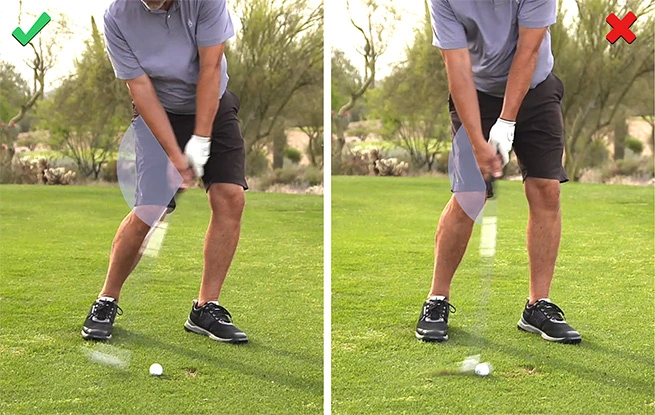
Lag in the golf swing is a key concept for many players. It refers to the angle created between the club shaft and the lead arm during the downswing. This angle helps build speed and power before the club hits the ball. Understanding lag can improve your swing and increase distance.
Defining Lag In Simple Terms
Lag is the angle between your left arm and the golf club shaft as you swing down. It happens naturally when you keep your wrists cocked. This angle stores energy. You release it just before impact. Think of it as a spring ready to snap.
Why Lag Matters For Power
Lag helps create more clubhead speed. The bigger the angle, the more energy you can release. This energy makes the ball go farther. Without lag, your swing loses power. You rely only on arm strength, which is less effective.
Common Misconceptions About Lag
Many believe lag means holding the wrist angle too long. This can cause a slow swing or poor contact. Lag is not about tension but timing. Some think lag is only for pros. Beginners can develop lag with practice and good technique.
How Lag Affects Your Swing
Lag plays an important role in your golf swing. It happens when your wrists stay bent during the downswing. This delay creates a powerful whip-like motion. Understanding how lag affects your swing can help improve your shots.
Impact On Clubhead Speed
Lag helps increase clubhead speed at impact. The bent wrists store energy like a spring. When released, this energy makes the clubhead move faster. Faster clubhead speed means a stronger hit on the ball.
Influence On Ball Distance
More lag usually leads to longer ball distance. The extra speed transfers to the ball, pushing it farther. Better control of lag helps you hit longer shots. This can improve your score on the course.
Effect On Swing Timing
Lag affects the timing of your swing. Holding lag too long can cause a late release. This leads to poor contact and weak shots. Good timing balances lag release with the swing speed.
Key Techniques To Create Lag
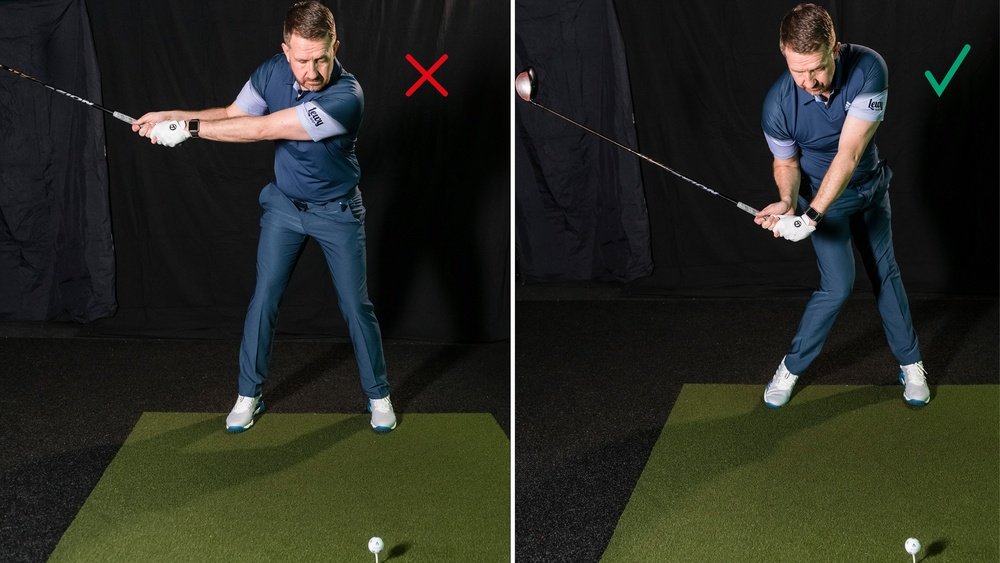
Creating lag in your golf swing is essential for more power and control. Lag means holding the angle between your lead arm and the club shaft during the downswing. This technique stores energy that releases just before impact. Proper lag helps increase club speed and improve shot accuracy.
Proper Wrist Positioning
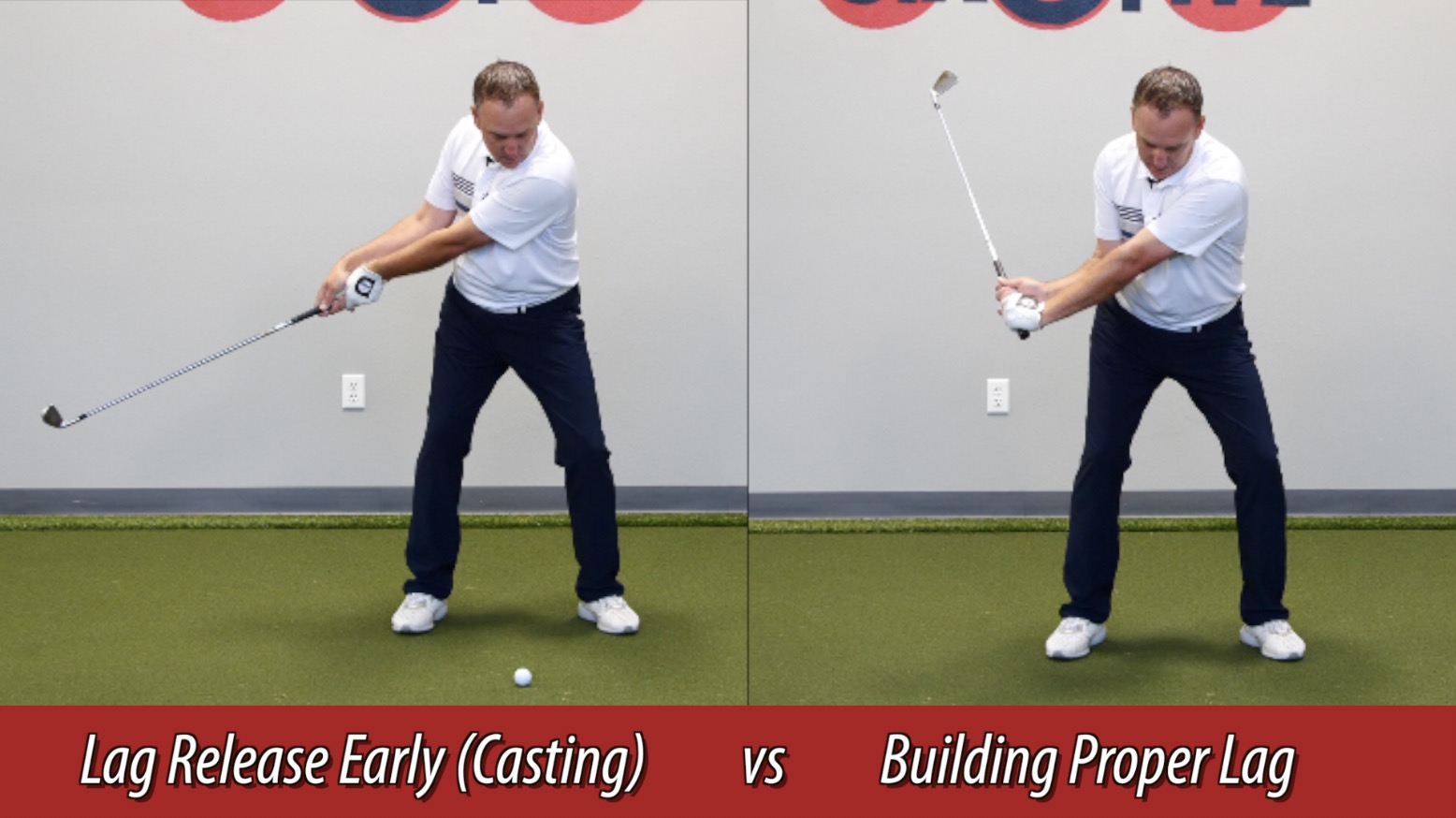
Keep your wrists firm but relaxed during the backswing. The lead wrist should stay flat or slightly bent back. This position helps maintain the angle between your arm and club. Avoid snapping your wrists early in the downswing. Hold the wrist angle as long as possible to build lag.
Maintaining Arm And Club Angle
Focus on keeping the angle between your lead arm and the club shaft. Do not let the club drop too soon. The angle should stay until your hands pass your hips. This delay creates a whipping effect. It boosts clubhead speed at impact for stronger shots.
Sequencing Your Body Movements
Start your downswing with your lower body. Let your hips rotate toward the target first. Your arms and hands follow after the hips move. This sequence helps keep the lag angle intact longer. Proper timing of body movements is key for lag creation.
Drills To Build Lag Strength
Building lag strength is key to a powerful golf swing. Lag means holding the angle between your wrists and the club longer during the downswing. This helps create more speed and control. Practicing specific drills can help you develop this important skill. These drills train your muscles and timing to keep lag in your swing naturally.
Slow-motion Swing Drill
Start by swinging your club very slowly. Focus on keeping the wrist angle until the last moment. Move smoothly and feel the lag in your hands. This slow practice builds muscle memory. It teaches your body to hold the lag longer during the real swing.
Pause-and-hold Drill
Take the club back and pause at the top of your backswing. Hold the wrist angle for a few seconds. Then, swing down while keeping the lag. This pause helps you feel the correct position. It trains your muscles to maintain lag under control and pressure.
Resistance Band Exercises
Use a resistance band to add tension during your swing. Attach the band to a stable object and hold the club. Swing against the band’s pull while keeping the wrist angle. This strengthens your wrists and forearms. Stronger muscles support better lag and faster swings.
Common Mistakes That Kill Lag
Lag in the golf swing helps create more power and control. Many golfers lose lag by making common mistakes. These errors reduce the angle between the club and the wrist too early. This leads to weaker shots and less distance. Understanding these mistakes helps keep lag longer during the swing.
Early Release Errors
Early release means straightening the wrists too soon. This kills the lag angle before impact. Golfers often do this to try hitting harder. It feels natural but lowers clubhead speed. Keeping the wrists hinged longer stores more energy. Wait to release the wrists until just before hitting the ball.
Overactive Hands And Wrists
Too much wrist movement can ruin lag. Some golfers twist or flick their wrists too much. This breaks the wrist angle early and loses power. The hands should stay steady and relaxed. Let the body control the swing, not just the wrists. Smooth, controlled wrist action helps maintain lag.
Lack Of Body Rotation
Body rotation drives the swing and creates lag. Without enough rotation, the arms try to do all the work. This causes the wrists to release early. Turning the hips and shoulders correctly builds lag naturally. Focus on rotating the body to keep the wrists behind the clubhead longer.

Measuring And Tracking Your Lag
Measuring and tracking your lag in the golf swing helps improve your consistency and power. Lag is the angle between your club and your lead arm during the downswing. Keeping this angle longer creates more speed and better shots. Tracking lag lets you see your progress and adjust your swing. There are simple tools and methods to measure lag accurately.
Using Video Analysis
Video analysis is a popular way to check lag. Record your swing from different angles. Watch the video in slow motion. Look for the angle between your club and arm. Software can measure this angle automatically. This method helps you see exactly where you lose lag. You can compare videos over time to track changes.
Swing Sensors And Apps
Sensors attach to your golf club or wrist. They collect data about your swing in real time. Apps show your lag angle and other key stats. Some apps give tips to keep lag longer. This tech provides instant feedback after every swing. It helps you practice smarter and improve faster.
Feedback From Coaches
Coaches watch your swing and check your lag directly. They can spot small mistakes and give advice. Coaches use their experience to guide your practice. They may use video or sensors too. Personalized feedback helps you understand your lag better. A coach can create drills that fit your needs.
Benefits Of Mastering Lag
Learning to keep lag in your golf swing offers many benefits. It helps your swing become smoother and more effective. Lag creates better control and power in your shots. This skill can improve your overall performance on the course.
Let’s explore some key benefits of developing lag in your golf swing.
Increased Power And Distance
Lag stores energy during your backswing. This energy releases at impact with the ball. It adds extra speed to your clubhead. More speed means the ball travels farther. Players with good lag hit longer drives.
Improved Consistency
Lag helps keep your swing on the right path. It promotes better timing and rhythm. Shots become more predictable and accurate. Consistent swings reduce the number of mishits. This consistency lowers your scores over time.
Reduced Injury Risk
Using lag properly reduces strain on your wrists and elbows. It spreads the force evenly through your body. Your muscles work together more efficiently. This lowers the chance of common golf injuries. Staying healthy means more time playing golf.
Frequently Asked Questions
What Does Lag Mean In A Golf Swing?
Lag in golf swing means delaying the wrist release. It stores power for a stronger, controlled shot. This technique helps increase clubhead speed and ball distance.
How Does Lag Improve Golf Swing Power?
Lag creates a whip-like effect by keeping wrists cocked longer. This builds potential energy. Releasing lag at impact boosts clubhead speed and shot distance significantly.
Can Beginners Learn To Create Lag Easily?
Beginners can learn lag, but it takes practice. Focus on wrist control and timing. Using drills and slow swings helps develop proper lag for better shots.
What Common Mistakes Reduce Lag In Golf Swings?
Common mistakes include early wrist release and poor timing. Swinging too fast or stiff limits lag. Relaxed wrists and controlled tempo preserve lag for better impact.
Conclusion
Lag in the golf swing helps create more power and control. It means holding the angle between the club and your wrist longer. This delay builds energy that releases during the swing. Practicing lag can improve your shots and consistency.
It takes time to feel and use lag correctly. Focus on smooth movements and timing. Remember, lag is a natural part of a good golf swing. Keep practicing, and your golf swing will feel better and stronger.