Are you struggling to improve your golf swing no matter how much you practice? The secret might be simpler than you think—your golf grip.
Getting the correct golf grip is the foundation of every great shot. It controls your power, accuracy, and consistency on the course. Imagine hitting the ball exactly where you want every time. Sounds good, right? You’ll discover the step-by-step guide to mastering the perfect grip that feels natural and boosts your game instantly.
Keep reading, because your best golf shots start with the right grip.
Choosing The Right Grip Style
Choosing the right golf grip style is key for better control and comfort. The grip affects how you hold the club and how you swing. Different styles suit different hand sizes and strengths. Pick a grip that feels natural and steady. This helps improve your swing and accuracy.
Overlapping Grip
The overlapping grip is popular among many golfers. The pinky finger of the trailing hand rests on top of the index finger of the lead hand. This grip offers good control and power. It works well for players with larger hands. It helps connect both hands as one unit.
Interlocking Grip
The interlocking grip links the pinky finger of the trailing hand with the index finger of the lead hand. This grip gives a strong bond between hands. It is common among golfers with smaller hands. It helps prevent the hands from slipping during the swing. Many pros prefer this grip for better feel.
Ten-finger Grip
The ten-finger grip, also called the baseball grip, places all fingers on the club without overlapping or interlocking. It is simple and easy to learn. This grip suits beginners and players with weak hands. It allows a natural wrist movement. Many find it comfortable and easy to control.

Hand Placement Tips
Proper hand placement is key to a good golf grip. It affects control, power, and accuracy. The hands must work together as one unit on the club. Small changes in hand position can change the shot’s direction and distance.
Below are simple tips on how to place your lead and trail hands. These tips will help you hold the club comfortably and firmly. Proper grip pressure also matters to keep the club steady without tension.
Positioning The Lead Hand
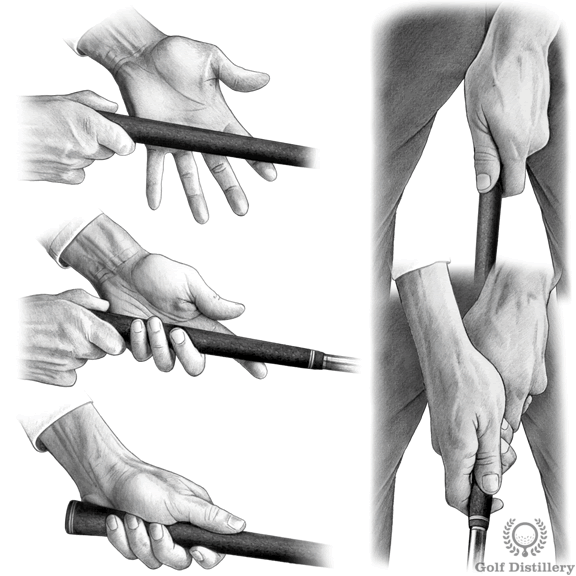
The lead hand is the left hand for right-handed golfers. Place it so the club runs diagonally across the palm. The thumb should point straight down the club shaft. Wrap your fingers around the grip. The grip should rest mainly in the fingers, not the palm. This position gives good control and lets your wrist move freely.
Positioning The Trail Hand
The trail hand is the right hand for right-handed golfers. Place it just below the lead hand. The palm should face the target. The lifeline of the trail hand should cover the thumb of the lead hand. Wrap your fingers around the grip. Avoid placing the hand too far on the side. This helps keep the clubface square through impact.
Grip Pressure Guidelines
Hold the club firmly but not tightly. Too much pressure causes tension and blocks wrist movement. Too little pressure can make the club slip. Imagine holding a tube of toothpaste without squeezing any out. Grip pressure should feel natural and relaxed. Check your grip pressure often during practice and play.
Common Grip Mistakes
Many golfers struggle with their grip. This affects their swing and results. Some common mistakes can cause problems. Knowing these errors helps improve your grip quickly.
Too Tight Or Too Loose
Holding the club too tight makes your hands tense. This limits wrist movement and reduces control. A loose grip causes the club to slip during the swing. Find a balance that feels firm but relaxed.
Incorrect Thumb Alignment
The thumbs guide the club’s position in your hands. Placing thumbs wrong can cause slices or hooks. Keep your thumbs aligned down the shaft. This helps in hitting straighter shots.
Improper Finger Positioning
Fingers should wrap comfortably around the club. Using the wrong fingers or placing them too far apart hurts your grip. Make sure the club rests mostly in your fingers, not the palm. This improves power and accuracy.
Adjusting Grip For Different Clubs
Adjusting your grip based on the club helps improve your control and power. Different clubs need different grips to play well. The shape, weight, and length of clubs affect how you should hold them. Small changes in grip can lead to better shots and fewer mistakes.
Drivers And Woods
Drivers and woods need a light grip. Hold the club firmly but not too tight. This helps generate more swing speed. A looser grip also reduces tension in your arms. Keep your hands slightly ahead of the clubface. This promotes a smooth, powerful swing.
Irons And Hybrids
Irons and hybrids require a balanced grip. Hold the club with moderate pressure. Too tight limits wrist movement, causing poor shots. Too loose reduces control and accuracy. Position your hands so the clubface stays square. This helps produce consistent contact with the ball.
Wedges And Putters
Wedges and putters need a soft grip. Hold the club gently to feel the ball well. A light grip improves touch and precision. Keep your hands steady to control distance. Avoid gripping too hard, which causes tension and affects the stroke.
Improving Your Swing With The Right Grip
Improving your swing starts with the right golf grip. A proper grip helps you control the club better. It also makes your shots more accurate. The grip affects how power moves through the club. This can add distance to your shots. Consistency in your grip leads to steady performance. Small changes in your grip can make a big difference. Let’s explore how the right grip improves your swing.
Enhancing Control And Accuracy
Holding the club correctly improves your control. Your hands guide the clubface through impact. A firm but relaxed grip helps the clubface stay square. This keeps the ball on the intended line. Too tight a grip can cause tension and errors. A loose grip may lead to loss of control. The right grip balances control and freedom of movement. This balance helps you hit straighter shots more often.
Increasing Power And Distance
The grip affects how you release the club. A proper grip allows a smooth wrist action. This increases clubhead speed at impact. More speed means more power behind the ball. The right grip helps transfer energy efficiently. It also prevents the club from twisting in your hands. This adds distance without extra effort. Power grows with better technique, starting with the grip.
Maintaining Consistency
Consistency is key in golf performance. The same grip every time builds muscle memory. This leads to more reliable swings and shots. Changing your grip often causes inconsistency. A steady grip helps you repeat good swings. It reduces errors caused by wrong hand placement. Practicing with the correct grip creates confidence. Confidence leads to better focus and results on the course.

Practice Drills To Perfect Your Grip
Perfecting your golf grip takes more than just knowing the right hold. Practice drills help develop muscle memory and improve control. Regular exercises train your hands to feel the right pressure and position. Consistent practice makes your grip natural and steady during swings.
Grip Pressure Exercises
Hold the club lightly at first. Squeeze the grip slowly. Notice the difference between too tight and too loose. Practice keeping a firm but relaxed grip. This helps avoid tension in your hands and arms. Try gripping for 10 seconds, then release. Repeat this to build grip consistency.
Alignment And Positioning Drills
Place your hands on the club carefully. Check if your thumbs point down the shaft. Align your fingers so they wrap the grip evenly. Use a mirror or record yourself to see hand position. Practice adjusting until your grip feels balanced. This drill improves control and accuracy.
Swing Repetition Techniques
Take slow swings focusing on your grip. Feel how your hands stay in place during movement. Repeat the swing many times without hitting a ball. This builds confidence in your grip. Gradually increase speed while keeping the grip steady. Regular repetition helps make the correct grip automatic.
Frequently Asked Questions
What Is The Best Golf Grip For Beginners?
The best golf grip for beginners is the neutral grip. It balances control and power, making swings easier to learn. This grip places the club handle diagonally across the fingers, allowing consistent ball contact and better shot accuracy.
How Do I Know If My Golf Grip Is Correct?
Check if your grip feels comfortable and natural. Your hands should work together, with no tension. The “V” shapes formed by your thumbs and forefingers should point toward your right shoulder (for right-handed players). A proper grip improves swing control and consistency.
What Are The Main Types Of Golf Grips?
The three main types are the overlapping, interlocking, and baseball grips. Overlapping is most popular among pros. Interlocking is common for players with smaller hands. Baseball grip is easier for beginners. Each grip affects control, power, and comfort differently.
Can A Wrong Golf Grip Affect My Swing?
Yes, a wrong grip can cause poor ball contact and inconsistent shots. It leads to slices, hooks, or loss of power. A proper grip aligns the clubface squarely at impact and helps produce straighter, more accurate shots.
Conclusion
Finding the correct golf grip takes time and practice. It helps you control the club better and hit straighter shots. Try different grips to see what feels best for you. Keep your hands relaxed but firm. A good grip gives you more confidence on the course.
Remember, small changes can make a big difference. Keep practicing, and enjoy your golf journey.