Have you ever wondered why some golfers hit the ball so consistently, while others struggle to find the fairway? The secret often lies in one simple yet powerful factor: your grip.
How you hold the club can make or break your swing, affecting everything from accuracy to distance. If you want to improve your game and lower your scores, understanding the importance of grip is a game-changer. Keep reading to discover why your grip matters more than you think—and how small adjustments can lead to big improvements on the course.
Role Of Grip In Golf Swing
The grip plays a vital role in the golf swing. It acts as the link between the player and the club. A proper grip gives the golfer better control and accuracy. It also helps deliver more power and consistency. Without the right grip, even a good swing can fail to produce good shots.
Understanding the role of the grip can improve every part of the golf swing. Small changes in grip pressure or hand position can affect the entire motion. The grip influences how the club moves and how the ball flies. Paying attention to grip details helps golfers play better and enjoy the game more.
Influence On Club Control
The grip controls the club throughout the swing. It determines how firmly the club is held. A tight grip limits wrist movement and reduces flexibility. A loose grip may cause the club to twist. Proper grip pressure helps guide the clubface squarely at impact. This control leads to cleaner, more accurate shots.
Impact On Swing Path
The grip affects the path the club follows during the swing. Hand placement changes the club’s angle and direction. A strong grip can cause the club to move inside-out. A weak grip often creates an outside-in path. Correct grip position helps keep the swing path consistent. A steady path improves ball striking and shot shape.
Effect On Ball Flight
The way the clubface meets the ball changes ball flight. The grip controls the clubface angle at impact. A neutral grip usually produces a straight shot. A strong grip can cause the ball to curve right. A weak grip may lead to a left curve. Adjusting the grip helps golfers shape shots and control distance.

Types Of Golf Grips
Choosing the right golf grip affects your swing and control. Golf grips come in different styles. Each grip fits different hand sizes and playing styles. Understanding these types helps improve comfort and accuracy.
Interlocking Grip
The interlocking grip links the pinky of the trailing hand with the index finger of the lead hand. This grip offers strong control and helps keep hands together. Many players with smaller hands prefer this style. It reduces the chance of slipping during the swing.
Overlapping Grip
The overlapping grip places the pinky finger of the trailing hand over the index finger of the lead hand. This grip suits players with larger hands. It feels natural and allows some wrist movement. This style is popular among professional golfers.
Baseball Grip
The baseball grip uses all fingers on both hands to hold the club, like holding a bat. It offers maximum power and comfort. Beginners often choose this grip for its simplicity. It helps keep the hands relaxed during the swing.
Finding The Right Grip Pressure
Finding the right grip pressure is key to a good golf swing. It affects control, power, and accuracy. Too much pressure can make your hands tense. Too little pressure can cause the club to slip. The goal is to hold the club firmly but relaxed. This balance helps you swing smoothly and hit the ball better.
Too Tight Vs Too Loose
Holding the club too tight makes your hands stiff. This tension limits wrist movement and reduces swing speed. It can cause the ball to go off target. On the other hand, a grip that is too loose lets the club move in your hands. This leads to less control and poor contact with the ball. Both extremes hurt your performance.
Balance For Consistency
The best grip pressure feels like you are holding a small bird. Firm enough to keep it safe, but gentle enough not to hurt it. This balance keeps your hands relaxed and ready to move naturally. It helps maintain a consistent swing and improves shot accuracy. Practice feeling this balance to improve your golf swing over time.
Common Grip Mistakes
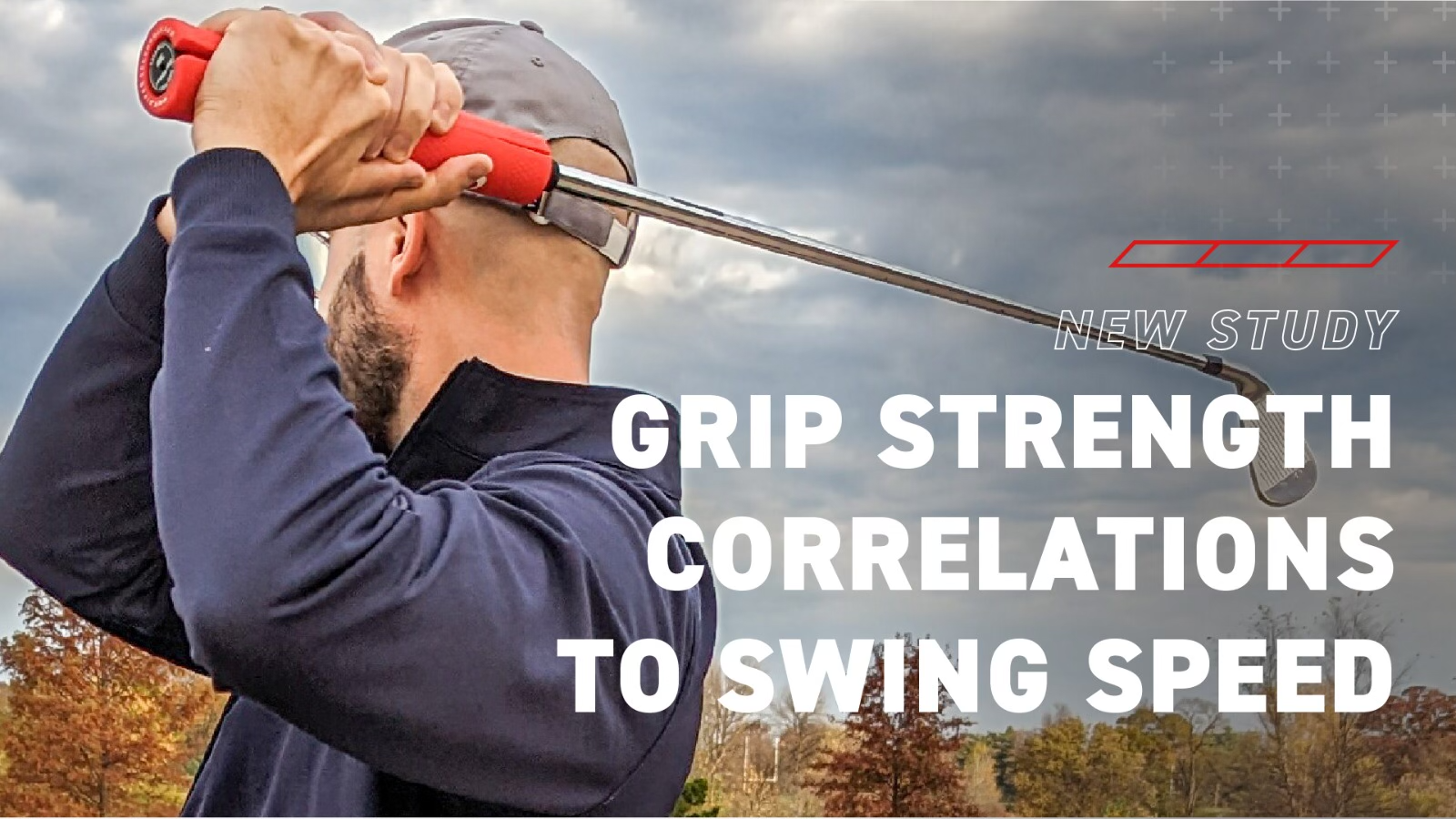
Many golfers struggle with common grip mistakes that affect their swing. The grip is the only contact point with the club. A poor grip causes inconsistent shots and less control. Fixing these mistakes helps improve accuracy and power.
Grip Too Strong Or Weak
A grip that is too strong means the hands turn too far to the right (for right-handed players). This often causes the ball to curve left. A weak grip means the hands turn too far to the left. This can cause the ball to slice or curve right. Both grips reduce control and accuracy.
Finding the right grip pressure is important. Holding the club too tight causes tension. This limits wrist movement and power. Holding it too loose may cause the club to twist during the swing. A balanced grip pressure allows smooth motion and better contact.
Incorrect Hand Placement
Placing the hands too far on top or too far under the club changes the swing path. If the hands sit too high, the clubface often closes too soon. This leads to hooks or pulls. If the hands are too low, the clubface tends to stay open. This creates slices or weak shots.
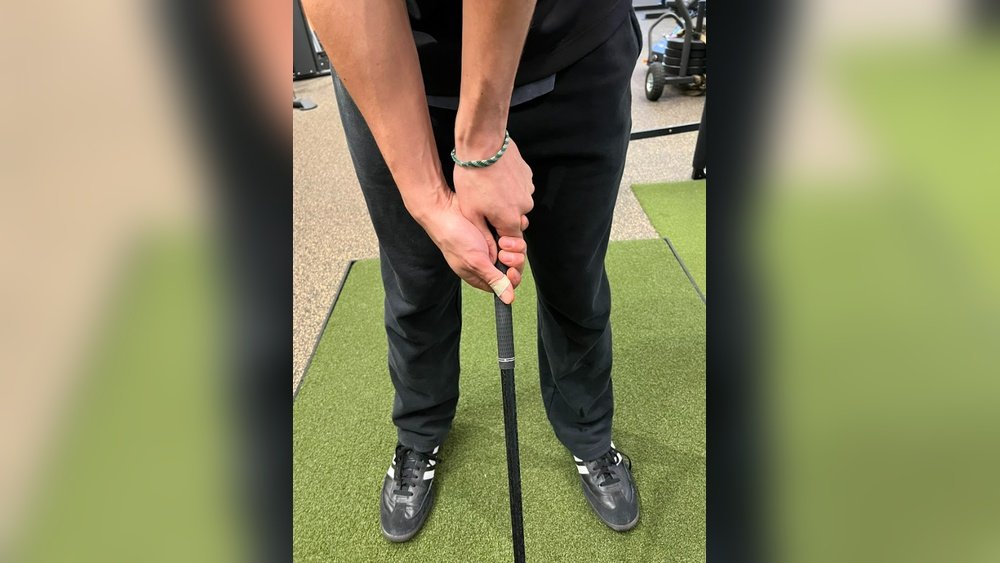
The left hand should cradle the club with the thumb pointing down the shaft. The right hand sits below the left, gripping comfortably. Both hands must work together as one unit. Proper hand placement ensures the clubface stays square through impact.
Improving Your Grip Technique
Improving your grip technique plays a key role in enhancing your golf swing. A good grip helps control the club and directs the ball better. Small changes in how you hold the club can make a big difference in your shots. Practicing the right grip builds confidence and consistency.
Drills For Better Grip
Start by holding the club with a relaxed but firm grip. Too tight can cause tension; too loose can lead to loss of control. Try the “baseball grip” drill. Hold the club like a baseball bat to feel comfort and power. Then, shift to the “V grip,” where the “V”s formed by your thumbs and index fingers point to your right shoulder (for right-handed players).
Practice gripping the club and swinging slowly to check your hand position. Use a mirror or video to see your grip angle. Repeat this drill daily to build muscle memory. This helps your hands stay in the correct position during your swing.
Adjusting Grip For Different Shots
Some shots need a slight grip change for better control. For a draw shot, rotate your hands slightly to the right on the club. This closes the clubface and promotes a right-to-left ball flight.
For a fade shot, rotate your hands slightly to the left. This opens the clubface and creates a left-to-right flight path. Adjust your grip pressure too. A lighter grip helps with finesse shots like chips and pitches.
Practice these grip changes during your training. This builds skill in controlling the ball’s direction and distance. Adapting your grip based on the shot can improve your overall play.
Grip And Injury Prevention
The grip plays a key role in preventing injuries during a golf swing. A proper grip reduces pressure on your hands and wrists. It helps keep your swing smooth and safe. Without a good grip, you risk straining muscles and joints. Injury can slow your progress and cause pain.
Choosing the right grip can protect your wrists and maintain your hand flexibility. This section explains how grip affects injury prevention in golf.
Reducing Strain On Wrists
A correct grip spreads the force evenly across your hands. It prevents too much pressure on your wrists. Tight or incorrect grips cause wrist pain and injuries. A relaxed, balanced grip lowers the chance of strains. It supports natural wrist movement during the swing. This reduces stress and keeps your wrists healthy.
Maintaining Flexibility
A proper grip keeps your fingers and wrists flexible. Flexibility is important for fluid and accurate swings. A stiff grip limits movement and can cause stiffness or pain. Using a grip that fits your hand size helps maintain flexibility. Flexible wrists improve control and reduce the risk of injury. This keeps your swing smooth and your hands comfortable.
Equipment And Grip Choices
Choosing the right equipment plays a key role in your golf swing. The grip connects your hands to the club. It affects control and comfort. Selecting the proper grip can improve your swing and reduce mistakes.
Golf grips come in different materials and sizes. These choices help match your style and needs. Finding the right fit boosts confidence and consistency on the course.
Selecting The Right Grip Material
Grip material affects feel and durability. Rubber grips offer good traction and absorb sweat. They work well in wet or humid conditions. Corded grips provide extra grip with a rough texture. These are best for players who need strong hold. Synthetic grips balance softness and firmness. They suit players who want comfort and control.
Customizing Grip Size
Grip size influences hand placement and swing path. Small grips help prevent tension and promote wrist action. Large grips reduce hand movement, which can fix slicing. Measuring your hand size ensures the right grip. Custom sizes improve comfort and control, making swings smoother.

Frequently Asked Questions
What Role Does Grip Play In A Golf Swing?
Grip controls clubface angle and swing path. A proper grip ensures accuracy, power, and consistency in shots, directly affecting overall performance.
How Does Grip Pressure Affect Golf Swing?
Grip pressure influences swing fluidity and control. Too tight a grip causes tension, reducing swing speed and accuracy, while a relaxed grip promotes better rhythm.
Can A Wrong Grip Cause Common Golf Mistakes?
Yes, an incorrect grip leads to slices, hooks, and inconsistent ball striking. Proper grip alignment helps prevent these common errors.
How Do Professional Golfers Adjust Their Grip?
Pros adjust grip based on shot type and conditions. They maintain a neutral grip for control and modify it slightly for draws or fades.
Conclusion
Grip plays a key role in your golf swing success. A good grip helps control the club better. It affects the direction and distance of your shot. Small grip changes can lead to big improvements. Practice holding the club comfortably and firmly.
Feel the difference in your swing consistency. Remember, a proper grip sets the foundation for every shot. Keep working on it to see steady progress. Simple and steady grip habits create better swings over time.