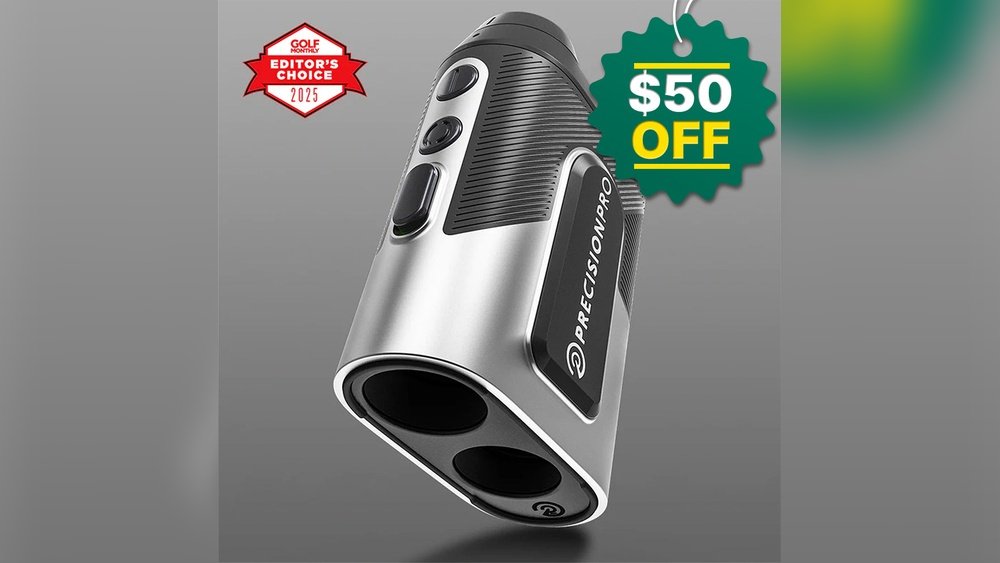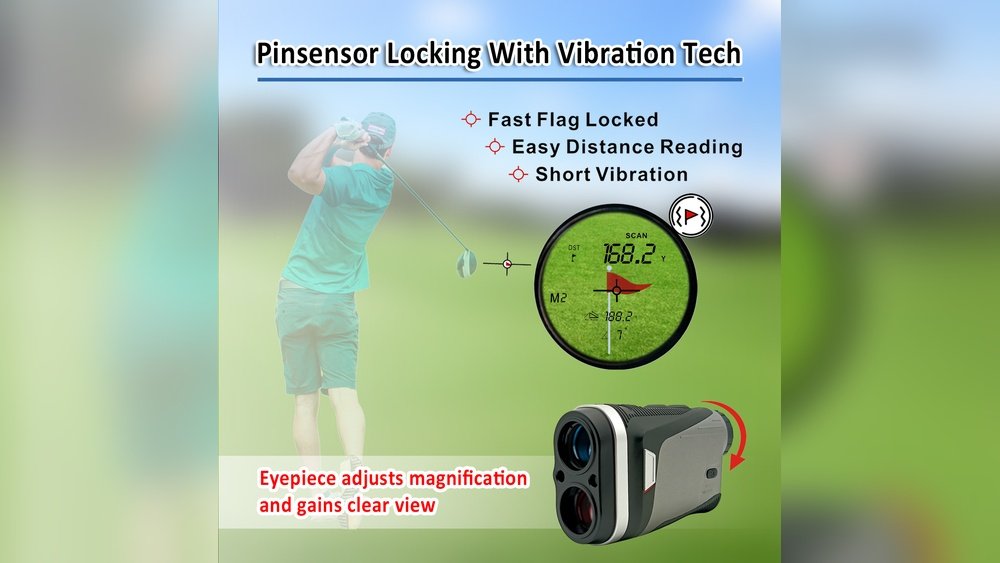
Have you ever wondered how quickly a golf rangefinder gives you a reading? When you’re on the course, every second counts.
Waiting too long for a distance can break your rhythm and affect your shot. You want fast, accurate info to make the best decision right away. You’ll discover just how fast these devices work and what that means for your game.
Keep reading to find out how a quick rangefinder reading can help you play smarter and lower your score.
Speed Of Golf Rangefinders
The speed of golf rangefinders plays a vital role in the game. Quick distance readings help players save time. It keeps the game moving smoothly. A slow rangefinder can cause delays and frustration.
Modern golf rangefinders offer fast and accurate readings. The time taken varies by model and technology. Understanding these differences helps choose the right device.
Factors Affecting Reading Time
Several factors influence how fast a rangefinder reads distance. The quality of the laser affects speed. Stronger lasers provide quicker signals. The complexity of the target also matters. Trees, slopes, and rough terrain can slow readings.
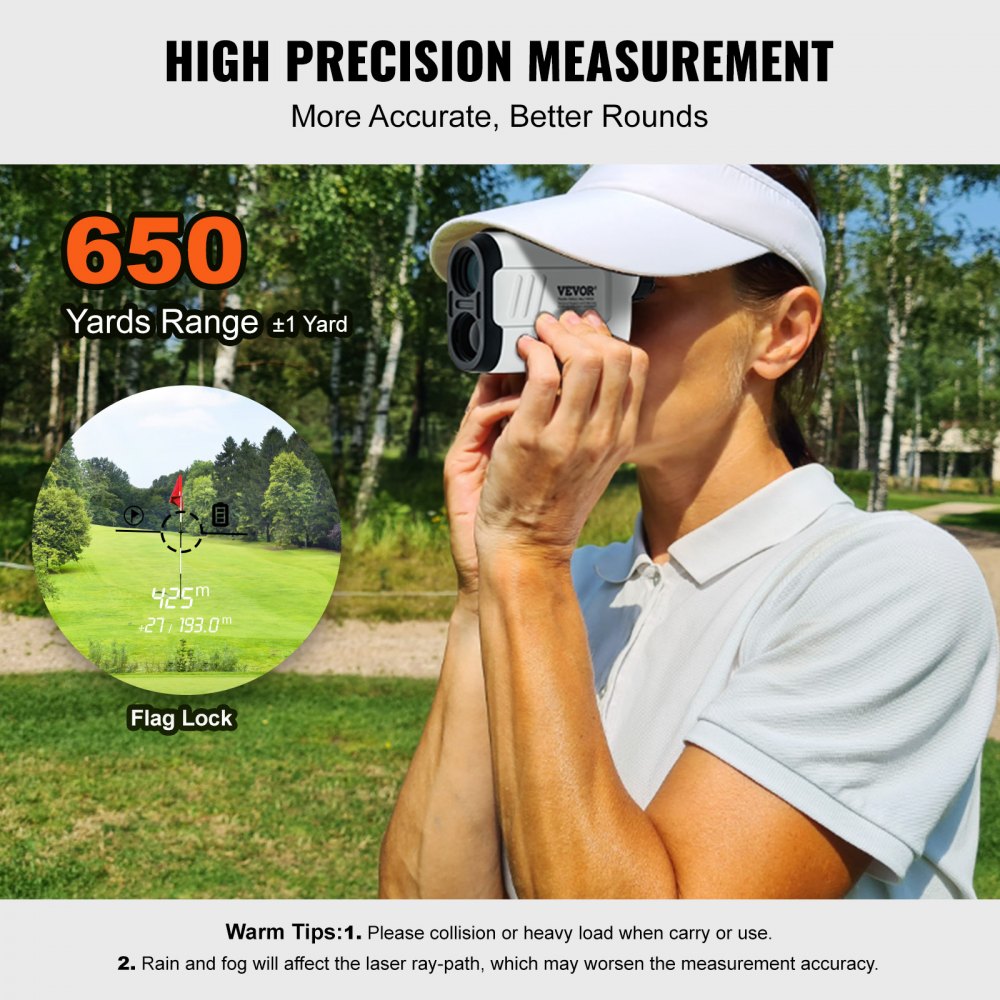
User handling impacts the reading time. Steady hands improve speed and accuracy. Environmental conditions like fog or rain can cause delays. Battery level also affects performance. Low power can slow the device’s response.
Typical Response Times
Most golf rangefinders give readings within 0.3 to 2 seconds. High-end models often provide results in less than one second. Budget options may take longer, up to two seconds or more.
Instant feedback helps players make fast decisions. Quick readings reduce waiting time on the course. This allows for better focus on the next shot.

Technology Behind Instant Readings
Golf rangefinders give quick distance measurements. This speed comes from advanced technology inside the device. These tools use different methods to calculate distance fast and accurately. Understanding these methods helps you know how they work so quickly.
Two main types of golf rangefinders use different technologies. Each type has its own way of measuring distance. Both focus on giving instant results to improve your game.
Laser Vs. Gps Rangefinders
Laser rangefinders use light beams to measure distance. They send a laser pulse to the target and measure the time it takes to return. This method is very fast, giving readings in less than a second.
GPS rangefinders work by using satellite data. They calculate your position and the distance to specific points on the golf course. GPS devices process this data quickly, but their speed depends on satellite signals.
Laser rangefinders offer more precise distance to a target. GPS rangefinders provide broader course information. Both help players make faster decisions on the course.
Signal Processing Techniques
Rangefinders use special signal processing to deliver instant readings. Laser devices analyze the time delay of the laser pulse carefully. This requires fast internal chips that handle data quickly.
GPS rangefinders process satellite signals using complex algorithms. These algorithms filter out noise and errors to give accurate location data. The device updates this information in real time.
Both types use digital filters and error correction. These techniques make sure readings are stable and reliable. Fast processors inside the devices handle all this work silently.
Accuracy And Speed Balance
Finding the right balance between accuracy and speed is crucial for golf rangefinders. A fast reading helps keep the game moving. Accurate distance measurements improve shot decisions. Golfers want both, but these goals can sometimes conflict.
Trade-offs Between Speed And Precision
Fast readings might reduce accuracy. Some rangefinders speed up by simplifying calculations. This can cause small errors in distance. Accurate devices take more time to measure precisely. Golfers must decide what matters more: speed or exactness. Many modern rangefinders try to offer a good mix. But perfect speed and precision at once is rare.
Impact On Gameplay
Quick readings keep play smooth and reduce wait times. Slow, precise readings can improve club selection. Mistakes in distance can lead to poor shots and extra strokes. Faster readings may help during tournaments with strict time limits. Slower readings suit casual play where accuracy is key. The balance affects confidence and game rhythm. Every golfer’s needs differ based on skill and style.
User Experience And Practical Use
Using a golf rangefinder should feel smooth and quick during play. The device’s reading speed affects your pace on the course. A fast response keeps you focused and helps maintain your rhythm. Slow readings can cause frustration and delay your shots. Understanding real-world performance and tips for faster measurements can improve your experience.
Real-world Performance
Rangefinders often show distance in less than two seconds. Most models lock onto targets quickly, even in bright sunlight. Some devices struggle with trees or reflective surfaces. Clear views provide faster, more accurate readings. Battery life and device quality also affect performance. Compact, well-built rangefinders tend to respond faster. Consistent speed helps keep your game moving smoothly.
Tips For Faster Measurements
Hold the device steady and aim carefully at your target. Avoid moving the rangefinder while it scans. Choose clear, unobstructed targets for quicker locking. Use the device’s scan mode to get multiple distances fast. Keep the lens clean to improve sensor accuracy. Practice with your rangefinder before the game. Familiarity cuts down on hesitation and delays.
Future Trends In Rangefinder Speed
The speed of golf rangefinder readings is improving quickly. New technology helps players get distances faster and more accurately. Future trends focus on making devices quicker and easier to use. These changes will help golfers save time and concentrate on their shots.
Advancements In Sensor Technology
New sensors detect distances faster than before. These sensors use better laser and optical parts. They reduce the time needed to find the right measurement. Faster sensors mean quick, reliable readings on the course. This technology keeps improving with smaller and smarter parts.
Ai And Machine Learning Integration
Artificial intelligence helps rangefinders learn and adapt. AI can recognize objects and ignore background noise. This makes the reading process faster and more precise. Machine learning improves performance based on past use. Rangefinders become smarter and quicker with each use.

Frequently Asked Questions
How Quickly Does A Golf Rangefinder Display Distance?
Most golf rangefinders show distance within 1-3 seconds after aiming. Advanced models provide almost instant readings, improving game pace.
What Factors Affect Golf Rangefinder Reading Speed?
Battery life, device quality, and environmental conditions impact reading speed. Clear lines of sight and steady hands help faster, accurate results.
Can Weather Influence Golf Rangefinder Accuracy And Speed?
Yes, fog, rain, or bright sunlight can slow rangefinder readings and reduce accuracy. Good weather ensures faster, clearer distance measurements.
Are Laser Or Gps Rangefinders Faster In Reading Distances?
Laser rangefinders typically provide quicker distance measurements than GPS models. Laser devices deliver near-instant readings, while GPS may take a few seconds.
Conclusion
Golf rangefinders give readings almost instantly. This quick response helps you save time on the course. Most devices show distance within a second or two. Fast readings let you focus more on your swing. Choosing a rangefinder with speed in mind benefits your game.
Remember, a quick device keeps your play smooth and steady. Speed matters, but so does accuracy and ease of use. A balance of these factors makes your rounds better. Trust your rangefinder to provide fast, reliable distance readings.