Are you struggling to add more power and control to your golf swing? The secret might be in creating lag—a key move that can transform your game instantly.
Imagine hitting the ball farther and straighter without extra effort. Sounds great, right? You’ll discover simple, effective steps to build lag in your swing. By mastering this technique, you’ll unlock a smoother, more powerful swing that feels natural. Keep reading, and you’ll find out how to take your golf skills to the next level today.
What Lag Means In Golf Swing
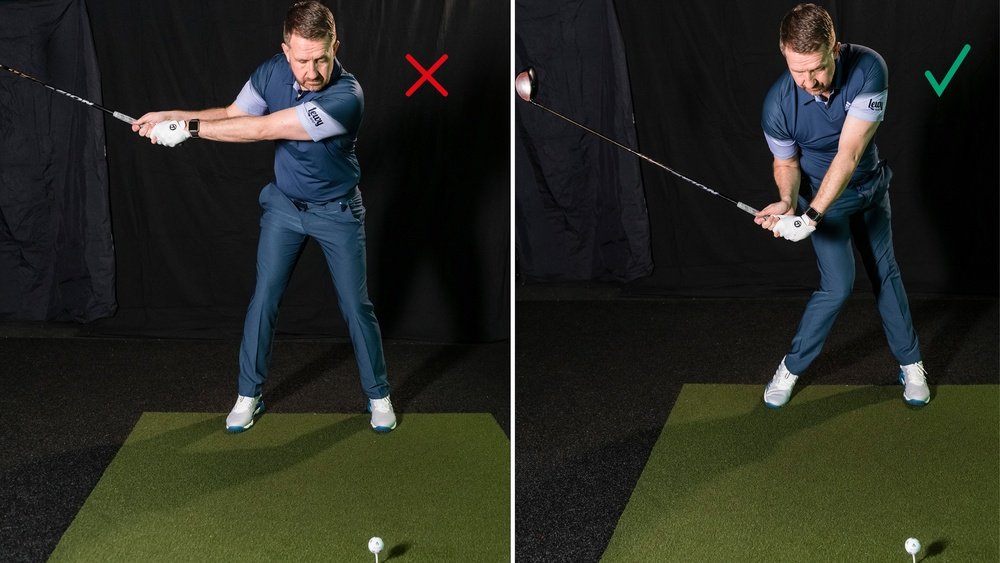
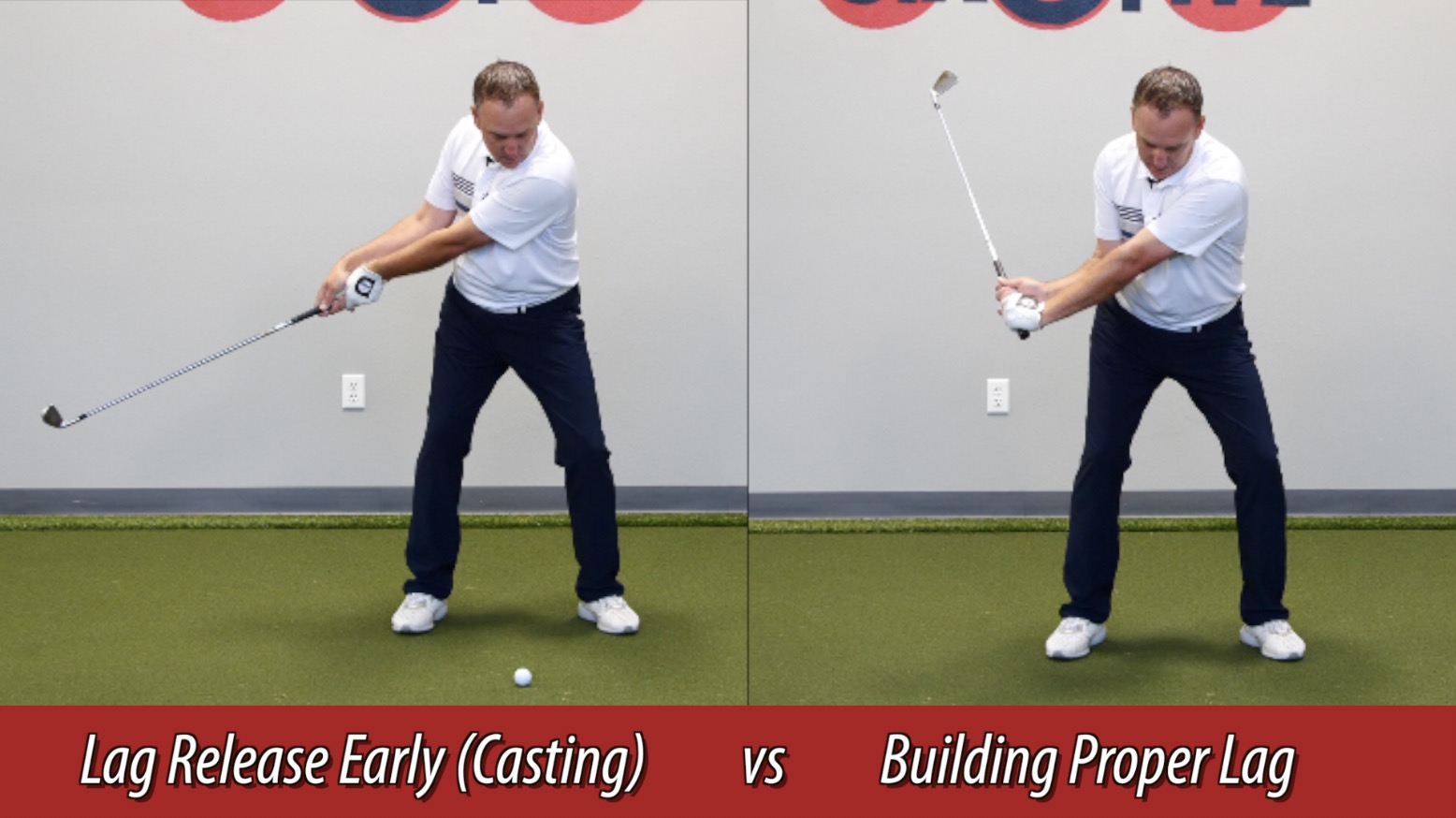
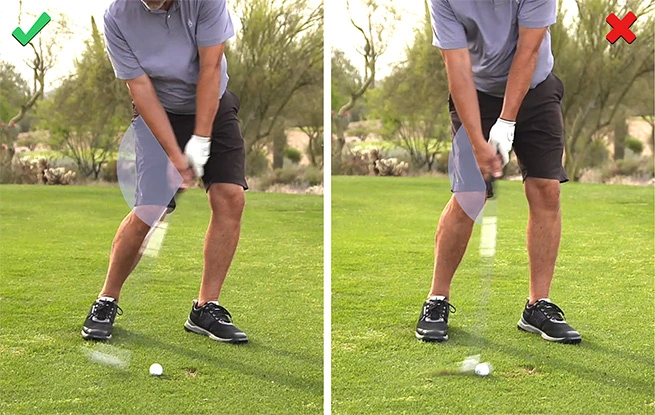
Lag in a golf swing means the angle between the club shaft and your lead arm during the downswing. It is the delay in releasing this angle until just before impact. This delay helps store energy, which can be released to hit the ball farther and straighter.
Many golfers do not fully understand lag. They either release the angle too early or fail to keep it during the swing. Proper lag improves control and power. It is a key factor in a strong golf swing.
The Role Of Lag In Power
Lag builds up power by creating tension in the wrists and arms. This tension acts like a spring that releases at impact. The later you release the lag, the more speed the clubhead gains. This extra speed translates to longer shots.
Without lag, the club loses speed before hitting the ball. This results in weaker shots and less distance. Lag helps golfers hit the ball with more force while maintaining accuracy.
Common Lag Mistakes
One common mistake is releasing the lag too early. This causes the club to lose speed before impact. Another mistake is holding the lag too long, which can lead to a poor strike.
Many players also struggle to keep their wrists firm during the downswing. This weakens the lag and reduces power. Some golfers try to force lag, which creates tension and ruins the swing flow.
Proper lag requires a relaxed but firm grip and good timing. Practice and drills help develop this skill. Avoid rushing the downswing or stiffening the arms to maintain lag.
Body Mechanics For Lag
Creating lag in a golf swing depends a lot on body mechanics. Proper body movement helps keep the club at the right angle for longer. This leads to more power and control. Focus on how your wrists, club angle, and forearms work together. These parts play a key role in building lag.
Wrist Positioning Tips
Keep your wrists firm but flexible during the backswing. Don’t let them break too early. Hold the club with a light grip to avoid tension. Your wrists should hinge naturally as you lift the club. This hinge creates the angle needed for lag. Practice holding this wrist position until it feels smooth.
Maintaining Club Angle
Keep the club shaft angled backward in the downswing. This angle stores energy like a spring. Avoid letting the club drop too fast near your body. Maintain the angle by turning your shoulders and hips properly. This control helps release the club with more speed at impact.
Using Forearm Strength
Your forearms control the club’s movement and speed. Use your forearm muscles to hold the wrist angle longer. Don’t let the wrists flip too early. Strong forearms help delay the release of the club. Build forearm strength with simple exercises to improve lag in your swing.
Drills To Build Lag
Building lag in your golf swing takes practice and patience. Using specific drills helps develop better wrist control and timing. These exercises train your muscles to hold the club in the right position longer. Regular practice improves your swing power and accuracy.
Slow-motion Swing Practice
Start by swinging the club very slowly. Focus on the angle between your wrists and the club. Keep this angle as long as possible during the backswing. Move smoothly and avoid rushing the motion. This helps your body feel the correct lag position.
Pump Drill For Wrist Control
Begin your backswing and stop halfway. Then, pump the club up and down a few times. Each pump keeps the wrist angle firm. After three pumps, complete the swing. This drill trains your wrists to hold lag longer.
Pause And Release Technique
Take your swing to the top and pause for one second. Hold the wrist angle steady during the pause. Then, release the club smoothly on the downswing. This method teaches control and timing for better lag.
Timing And Rhythm
Timing and rhythm are key to creating lag in your golf swing. They help you control the club and build power. Good timing means your body and club move in sync. Rhythm keeps your swing smooth and steady. Both work together to delay the release of the club. This delay creates lag, which adds speed and distance to your shot.
Sequencing Your Swing
Start your swing with your lower body. The hips lead the movement. Next, the torso rotates. Finally, the arms and hands follow. This order is important. It helps build lag naturally. If you use your hands too early, you lose lag. Practice this sequence slowly. It trains your body to move correctly.
Avoiding Early Release
Early release happens when you let go of the wrist angle too soon. This reduces lag and power. Keep your wrists firm during the downswing. Focus on turning your body first. The hands and club should follow last. Try to feel the tension in your wrists. This feeling helps keep lag until impact.
Using Tempo To Enhance Lag
Tempo is the speed of your swing. A steady tempo helps keep lag. Swing too fast, and you lose control. Swing too slow, and you lose power. Find a rhythm that feels natural. Count in your head or use a metronome. This practice improves your timing. Better timing means more lag and better shots.
Equipment And Grip
Creating lag in your golf swing depends a lot on your equipment and grip. The right club and a good grip help keep the wrists set. This makes your swing smoother and more powerful. Small changes here can make a big difference in your swing’s lag and control.
Choosing The Right Club
Select a club that feels comfortable in your hands. Clubs with the right shaft flex help you control the swing better. Too stiff or too soft shafts can reduce your ability to create lag. Pay attention to the club’s weight and length too. These factors affect how your wrists move during the swing.
Grip Pressure Tips
Hold the club firmly but not too tight. Tight grip pressure can stop wrist movement and kill lag. Too loose, and you lose control. Aim for a pressure that feels steady but relaxed. Try squeezing the club just enough to keep it steady. This balance helps your wrists hinge properly during the swing.
Adjusting For Better Control
Check your hand placement on the club. Move your hands slightly to find a grip that feels natural. A neutral grip often helps create better lag. Experiment with hand positions until your wrists feel free to move. Keep your grip consistent to maintain control throughout your swing.
Common Challenges And Fixes
Creating lag in your golf swing is a skill that many players find tricky. Various common problems can stop you from holding lag during your swing. Understanding these challenges helps you fix them and improve your shot.
Overcoming Tension
Tension in your hands and arms can kill lag quickly. Tight muscles make your swing stiff and slow. Try to relax your grip and arms before swinging. Practice slow swings focusing on smooth and loose movement. This helps build a natural lag and better control.
Dealing With Slicing
Slicing often happens when lag is lost early. The clubface opens too soon, sending the ball off course. Check your wrist angle during the downswing. Keep the lead wrist flat longer to maintain lag. Work on a more inside swing path to help square the clubface.
Improving Consistency
Many golfers struggle to create lag consistently. Timing and rhythm are key to hold lag every swing. Use drills that focus on the correct wrist hinge and release. Practice with slower swings to feel the lag. Gradually increase speed while keeping the same motion.

Frequently Asked Questions
What Is Lag In A Golf Swing?
Lag is the angle between the club shaft and the lead arm during the downswing. It stores power, creating more speed at impact.
How Do I Maintain Lag In My Golf Swing?
To maintain lag, start your downswing slowly, keep your wrists hinged, and avoid releasing the club too early.
Why Is Lag Important For Better Golf Shots?
Lag increases clubhead speed and power, resulting in longer, more accurate shots. It also improves control and consistency.
Can Beginners Learn To Create Lag Easily?
Yes, beginners can develop lag with practice drills focusing on wrist hinge and smooth transition during the downswing.
Conclusion
Creating lag in your golf swing takes practice and patience. Focus on keeping your wrists firm while your body turns. This helps store power for a strong release. Remember to maintain a smooth tempo and avoid rushing the swing. Small changes lead to better control and distance.
Keep practicing these steps regularly to see steady improvement. Lag adds power and consistency to every shot. Stay patient and keep your swing relaxed. Your golf game will benefit from these simple tips.