Are you ready to improve your golf game and hit the ball farther and straighter? Understanding the basics of a golf swing is the key to unlocking your true potential on the course.
Whether you’re a beginner or looking to refine your skills, mastering these simple but essential elements can make a huge difference. You’ll discover the core moves and tips that will help you swing with confidence and consistency. Keep reading to transform your swing and enjoy golf like never before!
Golf Swing Essentials
The golf swing is the foundation of every shot on the course. Understanding the essentials helps improve control and consistency. The basics start with how you hold the club, your stance, and your posture. These elements work together to create a smooth, powerful swing.
Grip Techniques
The grip controls the club and directs the shot. Hold the club firmly but not too tight. Place your left hand first, wrapping your fingers around the handle. The thumb should point down the shaft. Next, add your right hand, overlapping or interlocking fingers with the left. The grip must feel natural and comfortable.
Proper Stance
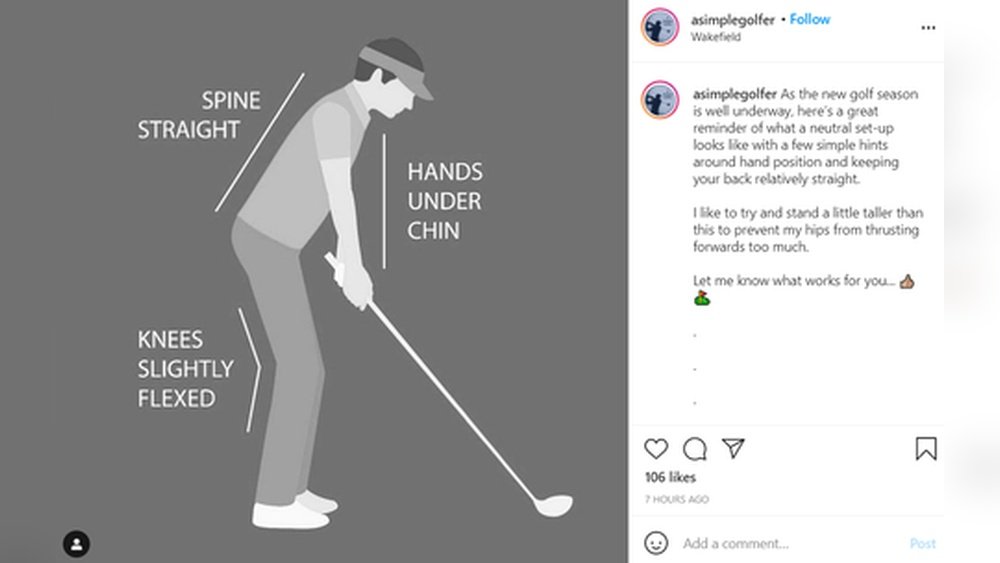
Stand with feet shoulder-width apart. Balance your weight evenly on both feet. Your knees should be slightly bent for flexibility. Position the ball in line with the middle of your stance for most shots. Keep your feet, hips, and shoulders parallel to the target line. A solid stance helps maintain stability during the swing.
Posture Tips
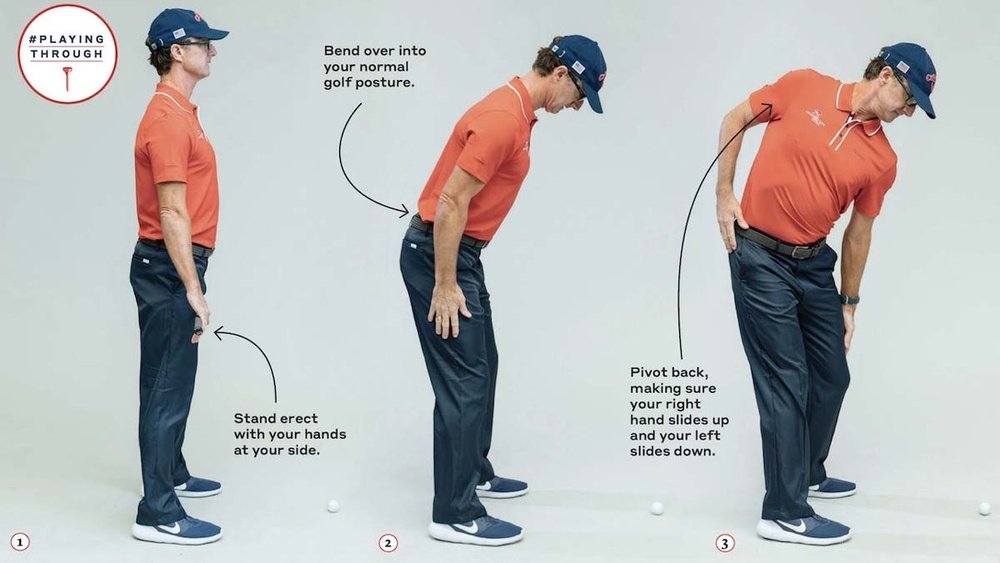
Bend forward from your hips, not your waist. Keep your back straight and chest up. Let your arms hang naturally down to the club. Your head should stay still, eyes focused on the ball. Good posture prevents strain and promotes a smooth swing path.
Swing Mechanics
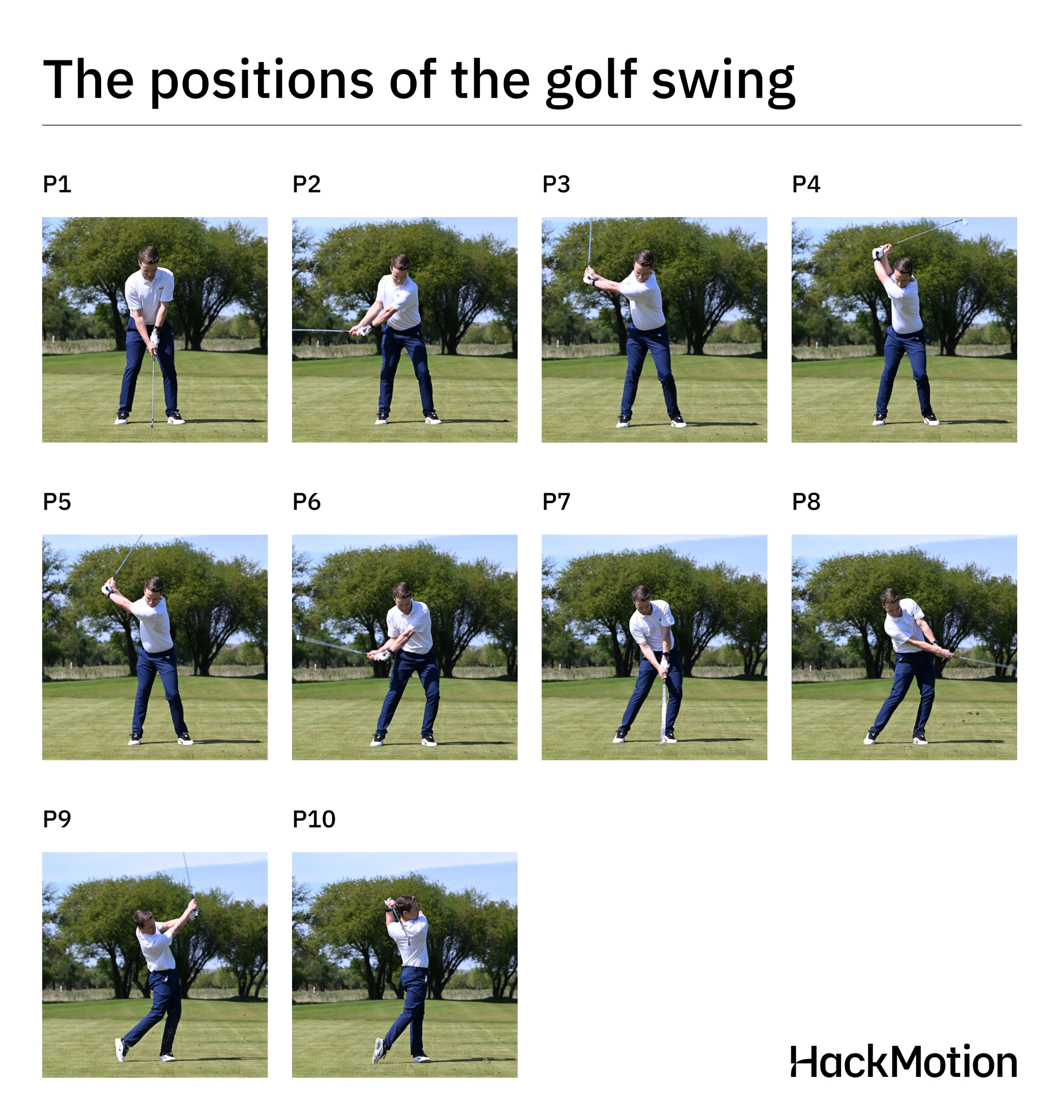
The golf swing is a smooth movement that requires good control and timing. Swing mechanics are the basic steps that help you hit the ball well. Understanding these steps helps you improve your accuracy and distance.
Each part of the swing has a special role. Learning the right motions helps you play better and enjoy the game more.
Backswing Movements
The backswing starts the swing by moving the club away from the ball. Your body should turn smoothly to the right (for right-handed players). Keep your arms and hands relaxed but firm. The club should rise in a straight line. This motion builds power for the shot.
Downswing Path
The downswing brings the club back toward the ball. Move your hips and shoulders forward to add force. The club should follow a controlled path, hitting the ball squarely. Keep your eyes on the ball to ensure good contact. This step decides the ball’s direction and speed.
Follow-through Steps
After hitting the ball, the follow-through finishes the swing. Your body should continue turning toward the target. The club moves high and around your body naturally. Balance is key here. A smooth follow-through helps with control and power for the next shot.
Body Alignment
Body alignment is key to a good golf swing. It sets the foundation for power and accuracy. Proper alignment helps your body move smoothly and hit the ball straight. Focus on how your feet, hips, and shoulders line up.
Foot Positioning
Feet should be shoulder-width apart. This stance offers balance and stability. Point your toes slightly outward. This helps with a full turn during the swing. Keep weight evenly spread on both feet.
Hip Rotation
Hips control the swing’s power. Rotate your hips back as you start the backswing. Then, swing them forward to drive the ball. Keep your hips level and avoid swaying side to side.
Shoulder Alignment
Shoulders should be parallel to the target line. This alignment guides the clubface direction. Keep your shoulders relaxed but steady. Proper shoulder angle helps maintain a smooth swing path.

Common Mistakes To Avoid
Understanding common mistakes in a golf swing helps improve your play. Avoiding these errors leads to better control and accuracy. Many beginners repeat the same errors without knowing their impact. Focus on correcting these common problems for a smoother swing.
Over-swinging
Over-swinging causes loss of balance. It makes your swing wild and hard to control. Keep your swing smooth and steady. Swinging too hard often reduces distance and accuracy. Control beats power in a good golf swing.
Poor Weight Transfer
Weight should move from back foot to front foot during the swing. Poor weight transfer leads to weak shots. Stay balanced and shift your weight correctly. This helps produce more power and better ball contact. Watch your feet and body movement closely.
Incorrect Grip Pressure
Grip pressure affects your swing control. Holding the club too tight causes tension and poor shots. A loose grip can cause the club to twist. Find a comfortable grip pressure. It should be firm but relaxed for best results.
Practice Drills
Practice drills are essential to improve your golf swing. They help build consistency and control. Regular practice strengthens your muscle memory. This makes your swing smoother and more natural. Below are some simple drills to focus on key parts of your swing.
Swing Tempo Exercises
Tempo is the rhythm of your swing. A steady tempo keeps the swing balanced and controlled. Try swinging with a metronome or counting out loud. For example, count “one-two” during your backswing and downswing. This helps keep your swing pace even. Practice swinging slowly, then gradually increase speed.
Balance Improvement
Good balance is vital for a strong golf swing. Stand on one foot and hold your position for 10 seconds. Switch feet and repeat. Use a balance board or cushion to challenge yourself. Practice slow swings while focusing on keeping your weight steady. Better balance leads to more power and accuracy.
Target Focus Drills
Focus on a specific target improves your aim. Pick a spot on the fairway or green to aim at. Practice hitting shots aiming at that spot. Use alignment sticks or clubs on the ground to guide your direction. Visualize the ball’s path before swinging. This trains your eyes and mind to lock on the target.

Equipment Basics
Understanding the basics of golf equipment helps improve your swing. The right tools make a big difference in how you play. This section covers important parts of golf gear. It explains how to pick clubs and balls that fit your style. Good equipment supports your practice and play.
Choosing The Right Club
Each golf club serves a different purpose. Drivers hit the ball far from the tee. Irons help with accuracy and distance control. Wedges are for short, precise shots near the green. Putters finish the hole by rolling the ball into the cup. Picking clubs that match your skill and strength helps your swing. Try different clubs to find what feels comfortable.
Club Fitting Importance
Club fitting adjusts clubs to fit your body and swing. Length, lie angle, and grip size all matter. Proper fit reduces strain and improves accuracy. A fitting session can reveal the best clubs for you. Custom-fitted clubs boost confidence and consistency. Avoid using clubs that are too long or short for you.
Golf Ball Selection
Golf balls vary in feel, spin, and distance. Beginners benefit from balls that fly straight and far. More advanced players may choose balls with more spin control. Soft balls feel better but may wear quickly. Harder balls last longer and offer more distance. Test different balls to see which suits your play style best.
Frequently Asked Questions
What Is The Proper Stance For A Golf Swing?
A proper golf stance includes feet shoulder-width apart and knees slightly bent. Balance your weight evenly for stability throughout the swing.
How Important Is Grip In A Golf Swing?
Grip controls the club and influences swing accuracy. Use a neutral grip to maintain control and avoid slicing or hooking the ball.
What Role Does Posture Play In A Golf Swing?
Good posture promotes a smooth swing and better ball contact. Keep your back straight and bend slightly at the hips for optimal alignment.
How Should I Time My Golf Swing?
Timing ensures power and accuracy. Start the backswing smoothly, then accelerate through the ball for consistent contact and distance.
Conclusion
A good golf swing starts with the basics. Focus on your grip, stance, and posture. Practice smooth, controlled movements. Keep your eyes on the ball and your body balanced. Small improvements lead to better shots. Stay patient and keep practicing often.
Golf is about consistency and control. Enjoy the process and have fun on the course. Your swing will improve step by step. Keep these basics in mind every time you play.