Are you ready to improve your game and choose the right golf clubs? Understanding the different types of golf clubs can make a huge difference in how you play and enjoy golf.
Whether you’re a beginner or looking to sharpen your skills, knowing which club to use and when can boost your confidence on the course. You’ll discover the key types of golf clubs, what each one does, and how they can help you hit better shots every time.
Keep reading, and you’ll soon feel more in control of your game than ever before.
Types Of Golf Clubs
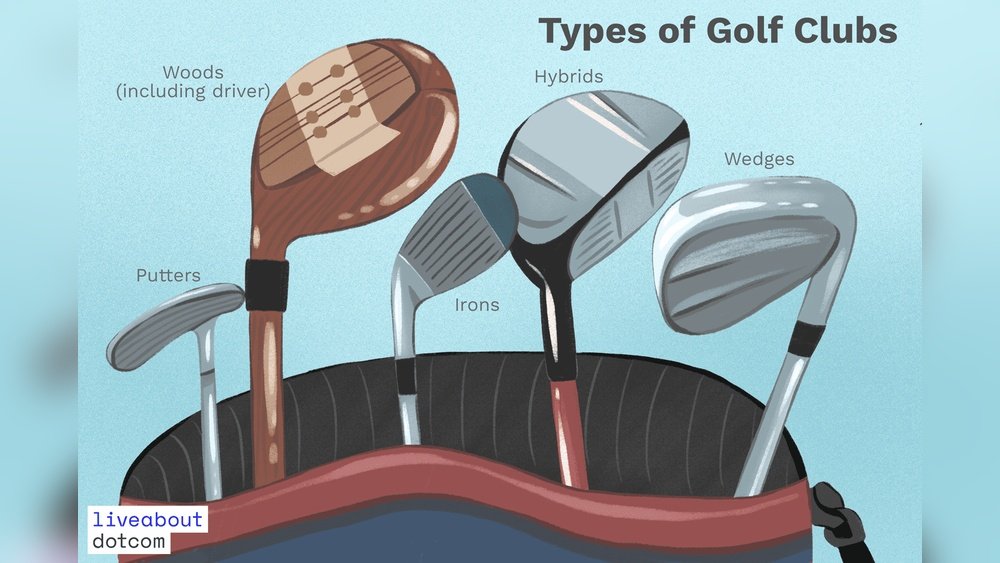
Golf clubs come in different types, each made for a specific purpose. Understanding these types helps improve your play. Every golfer uses a mix of clubs to handle different shots. Here is a simple guide to the main types of golf clubs.
Woods
Woods have large heads and long shafts. They are used for long-distance shots. The driver is the most common wood. It helps hit the ball far off the tee. Fairway woods are smaller and used for shots from the fairway.
Irons
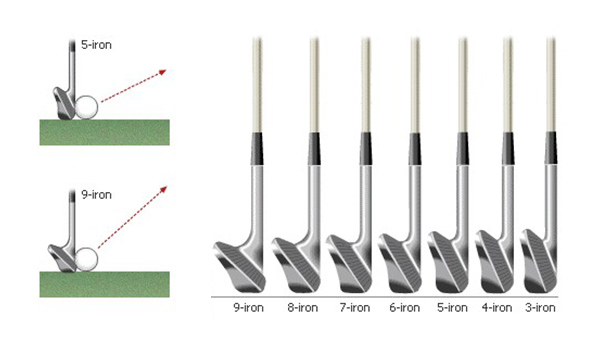
Irons have flat metal heads. They are numbered from 3 to 9. Lower numbers hit the ball farther. Irons are good for accuracy and control. They are used for medium to short shots.
Hybrids
Hybrids mix features of woods and irons. They are easier to hit than long irons. Hybrids work well for tricky lies and rough grass. Many golfers carry hybrids instead of hard-to-hit irons.
Wedges
Wedges have a high loft to lift the ball high. They help with short approach shots and chips. Types include pitching wedge, sand wedge, and lob wedge. Wedges are useful around bunkers and greens.
Putters
Putters have flat faces for rolling the ball on the green. They come in many shapes and sizes. A good putter helps sink the ball into the hole. Putting requires precision and a smooth stroke.
Woods Explained
Woods are a key part of any golf bag. They help players hit the ball far and straight. Woods are usually used for long shots from the tee or fairway. Understanding woods helps players choose the right club for each shot.
These clubs have large heads and long shafts. They are designed to give power and distance. Let’s explore the different types of woods and what makes them special.
Driver
The driver is the biggest wood in the bag. It has the largest head and longest shaft. It is mainly used for the first shot on long holes. The driver helps hit the ball the farthest. It is designed to launch the ball high and fast. Most players use the driver to reach the fairway quickly.
Fairway Woods
Fairway woods are smaller than the driver. They have smaller heads and shorter shafts. These clubs are used for long shots from the fairway or rough. Fairway woods offer more control and accuracy than the driver. Common types include 3-woods and 5-woods. They help players reach the green from a distance.
Material And Design
Woods are made from metal or composite materials. Most modern woods have titanium or steel heads. These materials make clubs lighter and stronger. The design of the clubhead affects ball flight. Some have adjustable features to change loft and lie. The shaft can be made from steel or graphite. Graphite shafts are lighter and help increase swing speed.
Irons Breakdown
Irons are an essential part of any golf bag. They help players hit the ball with control and precision. Understanding the different types of irons can improve your play. Each iron serves a unique purpose on the course.
This section breaks down irons into key groups. Knowing the differences helps choose the right club for each shot.
Long Irons
Long irons include the 2, 3, and 4 irons. They have lower lofts and longer shafts. This design helps hit the ball farther. Long irons are harder to control but offer distance. Many golfers replace them with hybrids for easier use.
Mid Irons
Mid irons are the 5, 6, and 7 irons. They balance distance and accuracy. These irons have more loft than long irons. They are easier to hit and good for approach shots. Mid irons help players reach the green with better control.
Short Irons
Short irons include the 8 and 9 irons plus the pitching wedge. They have the highest lofts and shortest shafts. This allows for precise shots and high ball flight. Short irons are perfect for shots near the green. They give golfers better stopping power on the green.
Blade Vs Cavity Back
Blades are thin and have a small sweet spot. They offer great control for skilled players. Blades require precise contact to perform well. Cavity back irons have a hollowed-out back. This design moves weight to the edges for forgiveness. Cavity backs help beginners and high-handicap golfers. They make it easier to hit straighter shots.
Hybrids Advantages
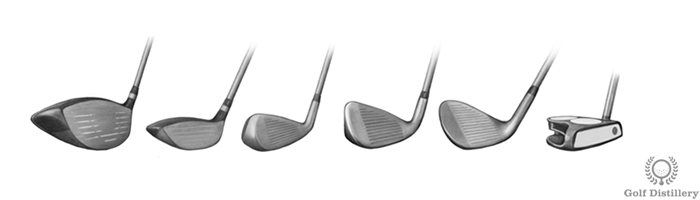
Hybrids offer a mix of benefits from irons and woods. They provide better control and more forgiveness on shots. Many golfers find hybrids easier to hit than long irons. The design helps lift the ball quickly into the air. This makes hybrids a popular choice for many skill levels.
When To Use Hybrids
Use hybrids on long shots from the fairway or rough. They work well for tricky lies and uneven ground. Hybrids help players reach the green on longer holes. They also perform well for tee shots on short par-4s. These clubs give confidence in many situations on the course.
Replacing Long Irons
Many golfers replace hard-to-hit long irons with hybrids. Hybrids have a wider sole and lower center of gravity. This design helps reduce fat and thin shots. They make long shots easier to control and more consistent. Switching to hybrids often improves distance and accuracy.
Popular Hybrid Models
Top brands offer hybrids with different features and styles. Some popular models include TaylorMade SIM2, Callaway Rogue, and Ping G425. These clubs vary in loft, forgiveness, and adjustability. Choosing the right hybrid depends on your swing and needs. Testing several models can help find the best fit.
Wedges Varieties
Wedges are essential clubs in any golf bag. They help with short, precise shots near the green. Different types of wedges serve different purposes. Each wedge has a unique loft and bounce angle. This variety helps players tackle various lies and situations on the course.
Pitching Wedge
The pitching wedge is the most common wedge. It usually has a loft between 44 and 48 degrees. This club is great for approach shots from 100 yards or less. It helps control distance and accuracy. The pitching wedge also works well for chip shots around the green.
Sand Wedge
The sand wedge has a loft between 54 and 58 degrees. It is designed for bunker shots and soft lies. The club has a wide sole to help glide through sand. It also helps lift the ball out of rough or thick grass. The sand wedge is perfect for tricky situations near the green.
Lob Wedge
The lob wedge is the highest lofted wedge, usually 60 to 64 degrees. It is used for very short, high shots. This club helps the ball stop quickly on the green. It is useful for shots over obstacles or tight pin placements. The lob wedge gives players more control in delicate situations.
Gap Wedge
The gap wedge fills the distance gap between pitching and sand wedges. It typically has a loft of 50 to 54 degrees. This club helps with shots that are too long for a sand wedge but too short for a pitching wedge. The gap wedge improves distance control and shot accuracy.
Putters Styles
Putters are essential for finishing each hole in golf. They help you roll the ball smoothly on the green. Different styles of putters suit different playing styles and preferences. Understanding these styles can improve your putting performance.
Each putter style offers unique features. Some focus on precision, while others emphasize stability. Knowing these types helps you pick the right one for your game.
Blade Putters
Blade putters have a simple, classic design. They are narrow and easy to control. Many golfers prefer them for their feel and precision. Blade putters work well for straight and smooth strokes.
Mallet Putters
Mallet putters have a larger and heavier head. This design provides more stability during the stroke. They help reduce twisting and increase forgiveness. Mallet putters suit players who want consistency on longer putts.
Counterbalanced Putters
Counterbalanced putters add extra weight to the grip end. This shifts the balance and improves control. They create a smoother, more balanced stroke. Golfers using these putters often feel less tension in their hands.
Choosing The Right Putter
Test different styles to find what feels best. Consider your stroke type and comfort. Weight, length, and balance affect how you putt. A good fit can boost your confidence and accuracy.
Selecting The Right Set
Selecting the right set of golf clubs is key to enjoying the sport and improving your play. The right clubs help you hit better shots and feel more confident on the course. Choosing clubs that fit your needs makes a big difference in your game.
Finding the perfect set involves thinking about your body, skill level, and budget. Not every club fits every player. You want clubs that suit your swing and style. This section covers how to pick the best set for you.
Custom Fitting
Custom fitting means adjusting clubs to fit your body and swing. Experts measure your height, arm length, and swing speed. This helps choose the right club length and shaft type. Fitted clubs feel easier to control and hit. Custom fitting can improve accuracy and distance. It is worth it for serious players.
Skill Level Considerations
Your skill level guides the type of clubs you need. Beginners benefit from forgiving clubs that help with off-center hits. Mid-level players want clubs that offer more control and workability. Advanced players often choose clubs for precision and shot shaping. Matching your skill to club type aids in steady progress.
Budget Tips
Golf clubs vary widely in price. Set a budget before shopping. Look for quality clubs that fit your budget range. Buying used clubs can save money without losing quality. Focus on key clubs like drivers and irons first. Spend wisely to get the best value for your money.

Maintaining Golf Clubs
Taking good care of your golf clubs helps them last longer and perform better. Proper maintenance keeps the clubheads clean, shafts in good shape, and grips comfortable to hold. Simple steps can protect your clubs from damage and wear over time.
Cleaning Techniques
Use a soft brush to remove dirt from clubheads after each round. Warm water and mild soap help clean stubborn grime. Avoid harsh chemicals that can damage the finish. Dry clubs completely before storing to stop rust and corrosion.
Storage Tips
Store clubs in a dry place away from extreme heat or cold. Use headcovers to protect clubheads from scratches. Keep them upright in a golf bag to prevent bending shafts. Avoid leaving clubs in a car trunk for long periods.
When To Replace Clubs
Replace clubs if the shaft is bent or cracked. Worn grips that feel slippery need changing for a better hold. Clubheads with deep dents or worn grooves affect your shots. Upgrading clubs every few years keeps your set effective.
Frequently Asked Questions
What Are The Main Types Of Golf Clubs?
Golf clubs include woods, irons, hybrids, wedges, and putters. Each type serves a different purpose on the course. Woods are for long-distance shots, irons for accuracy, hybrids combine features, wedges for short approaches, and putters for finishing on the green.
How Do Woods Differ From Irons In Golf?
Woods have larger heads and longer shafts for distance shots. Irons have smaller heads and shorter shafts for precision. Woods are mainly used off the tee, while irons are used for mid-range shots and approach shots to the green.
What Is A Hybrid Golf Club Used For?
Hybrids combine features of woods and irons. They are easier to hit than long irons and offer better control than woods. Hybrids are ideal for challenging lies and long shots from rough or fairway areas.
When Should I Use Wedges In Golf?
Wedges are used for short-distance, high-accuracy shots. They help with pitching, chipping, and bunker shots near the green. Different wedges include pitching, sand, gap, and lob wedges, each designed for specific shot types.
Conclusion
Golf clubs come in many types, each serving a special purpose. Drivers help you hit the ball far. Irons are great for control and accuracy. Wedges assist with short, tricky shots. Putters help you finish the hole. Knowing the differences makes choosing easier.
Practice with each club to find what fits best. Enjoy the process and keep improving your skills. Golf becomes more fun as you understand your clubs well. Keep playing and exploring the game step by step.


