Are you ready to start playing golf but feeling overwhelmed by all the clubs out there? You might be wondering, “What golf clubs do I need as a beginner?”
Choosing the right clubs can make a huge difference in how quickly you improve and enjoy the game. You’ll discover exactly which clubs you need to get started without spending a fortune or carrying around a heavy bag. By the end, you’ll feel confident picking the perfect set that fits your game and helps you play better from day one.
Let’s dive in and make your first steps in golf simple and fun!
Choosing Your First Set
Choosing your first set of golf clubs is an important step for beginners. The right clubs make learning easier and more fun. Knowing what types of clubs to use and how many to buy helps start the game well. This guide breaks down the basics for your first golf set.
Types Of Golf Clubs
Golf clubs come in three main types: woods, irons, and putters. Woods help hit the ball far, usually from the tee. Irons are for mid-range shots and have different numbers for distance. Putters are used on the green to roll the ball into the hole.
Number Of Clubs To Start With
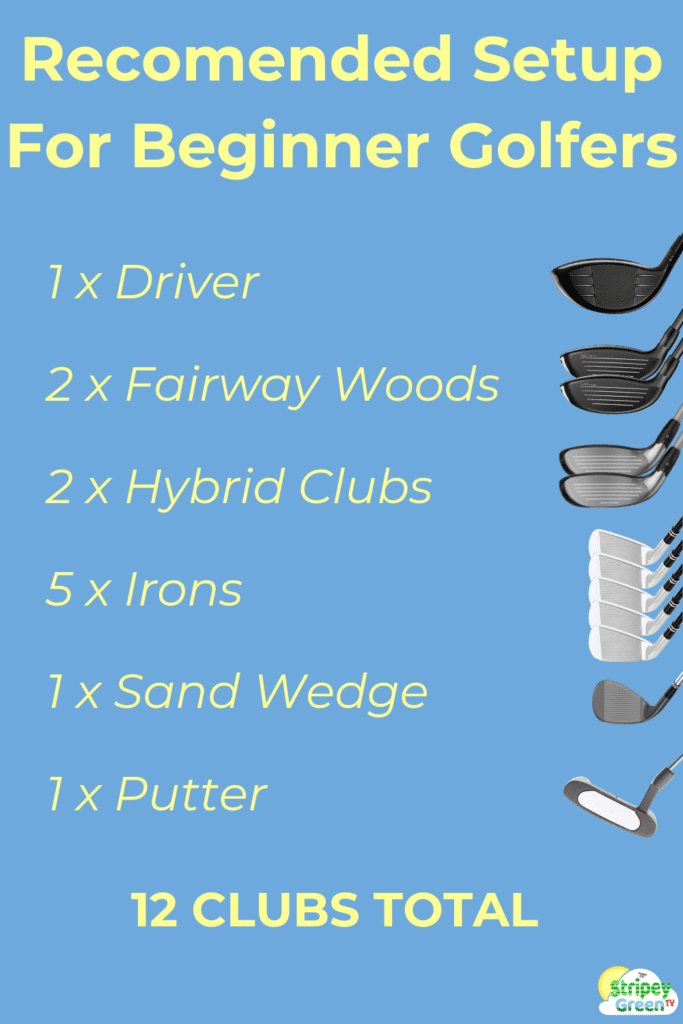
Beginners do not need a full set of 14 clubs. A simple set with 7 to 10 clubs is enough. Start with a driver, a few irons (5, 7, 9), a wedge, and a putter. This mix covers most shots on the course.
Club Sets Vs Individual Clubs
Buying a full club set is easier and often cheaper for beginners. Sets include woods, irons, and a putter matched for beginners. Individual clubs give more choice but cost more and need more knowledge. Sets are a good choice to start playing right away.
Essential Clubs For Beginners
Starting golf needs the right clubs. Beginners should focus on a simple set. This helps learning and enjoying the game. Essential clubs cover all parts of the course. Each club has a special role. Understanding these clubs helps beginners choose wisely.
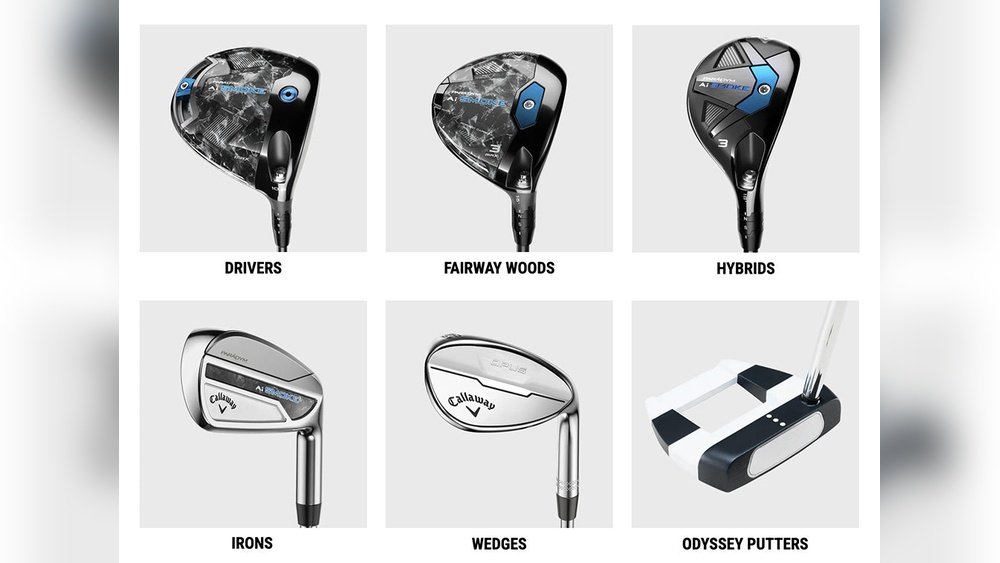
Driver
The driver hits the ball far from the tee. It has the largest head and longest shaft. Beginners use it to start each hole. It helps send the ball down the fairway. Choosing a driver with a larger sweet spot helps accuracy.
Fairway Woods
Fairway woods are for long shots after the tee. They have smaller heads than drivers. These clubs help reach the green from the fairway. They are easier to control than drivers. A 3-wood is a common choice for beginners.
Hybrids
Hybrids replace long irons for easier play. They mix features of woods and irons. Hybrids help hit from rough or tight lies. Beginners find hybrids forgiving and versatile. They improve confidence with tricky shots.
Irons
Irons are used for mid to short shots. They have flat faces and different numbers. Lower numbers hit farther, higher numbers are for accuracy. Beginners start with 6 to 9 irons. These clubs help approach the green well.
Wedges
Wedges are for short, precise shots near the green. They have high lofts to lift the ball quickly. Pitching wedge and sand wedge are essential for beginners. Wedges help escape bunkers and rough grass. They improve short game and scoring.
Putter
The putter is for rolling the ball on the green. It has a flat face to guide the ball smoothly. Beginners need a putter to finish each hole. Good putting saves many strokes. Practice with a putter builds confidence on the green.
How To Select Clubs
Selecting the right golf clubs is important for beginners. The right clubs help improve your swing and make the game more enjoyable. Some key factors affect your choice. These include club length, shaft flex, and clubhead design. Understanding these basics helps you pick clubs that fit your style and body.
Club Length And Fit
Club length affects your stance and swing. Clubs that are too long or short make hitting the ball harder. Your height and arm length guide the right club size. A proper fit helps you maintain balance and control. Testing different lengths can show what feels best.
Shaft Flex And Material
Shaft flex means how much the shaft bends during a swing. Beginners often do better with more flexible shafts. These help generate more power and accuracy. Shafts come in steel or graphite. Graphite shafts are lighter and reduce arm strain. Steel shafts offer more control but weigh more.
Clubhead Design
The clubhead design affects forgiveness and distance. Larger clubheads have a bigger sweet spot. This helps reduce mistakes on off-center hits. Cavity-back designs offer more forgiveness than blade types. For beginners, clubs with larger, forgiving heads work best.
Budget-friendly Options
Starting golf can be costly. Budget-friendly options help beginners play without spending too much. These choices make golf accessible and fun for everyone. Smart buying saves money and builds confidence on the course.
Buying Used Clubs
Used clubs offer great value. Many players sell clubs in good condition. You get quality gear for less money. Check clubs for wear and damage before buying. Look for trusted sellers or golf shops. Used clubs let beginners try different types without big costs.
Starter Sets
Starter sets include all basic clubs in one package. They usually have a driver, irons, a putter, and a bag. These sets are made for beginners. They come at a lower price than buying clubs separately. Starter sets save time and money. They help new players get ready quickly.
Rental Clubs
Rental clubs are perfect for those just trying golf. You rent clubs at golf courses or shops. No need to buy before you know if golf suits you. Rentals often come with different club sizes. This helps find the right fit. Renting keeps costs low and pressure off beginners.
Common Mistakes To Avoid
Choosing golf clubs as a beginner can be confusing. Many make simple mistakes that slow their progress. Avoiding these errors helps you enjoy the game more and improve faster. Here are some common mistakes beginners often make.
Overloading Your Bag
Many beginners carry too many clubs. This adds weight and confusion. A full bag has 14 clubs, but you do not need all of them. Start with a few key clubs like a driver, a couple of irons, a wedge, and a putter. Too many clubs can make your choices harder and your swing worse.
Ignoring Club Fitting
Using clubs that do not fit your height and strength causes problems. Clubs that are too long or short make it hard to swing correctly. Club fitting helps you find the right length, weight, and grip size. Proper fit improves your control and comfort on the course.
Choosing Based On Brand Alone
Many beginners pick clubs only because of the brand name. Famous brands are not always the best for you. Focus on how the club feels and fits your skill level. Cheaper clubs can work better if they match your needs. Test clubs before buying to find the right match.

Tips For Practice And Improvement
Improving in golf takes time and smart practice. Beginners should focus on simple, clear steps to get better. Using the right clubs and caring for them helps build confidence. Practice with purpose and learn from experts. Small efforts lead to steady progress.
Focusing On Key Clubs
Start by practicing with a few essential clubs. A driver, a 7-iron, a wedge, and a putter cover most shots. Spend time hitting each club to feel how they work. This focus helps you learn control and improve accuracy. Avoid using too many clubs at first.
Getting Professional Advice
Seek help from a golf coach or instructor. They can show you proper grip and swing techniques. Experts spot mistakes early and guide your practice. Lessons save time and prevent bad habits. Even a few sessions can boost your skills.
Regular Club Maintenance
Keep your clubs clean and in good shape. Dirt or rust affects how the ball flies. Wipe clubheads after each use and check grips for wear. Well-maintained clubs feel better and last longer. This care supports consistent practice and better results.
Frequently Asked Questions
What Golf Clubs Are Essential For Beginners?
Beginners need a driver, a few irons (5, 7, 9), a pitching wedge, and a putter. This set covers most shots and helps develop skills effectively.
How Many Clubs Should A Beginner Carry?
A beginner should carry 7 to 10 clubs. This number provides enough variety without overwhelming new players, following golf rules and encouraging practice.
Should Beginners Buy Game Improvement Clubs?
Yes, game improvement clubs are ideal for beginners. They have larger clubheads, forgiving designs, and help improve accuracy and distance easily.
Is It Necessary To Get Custom-fitted Clubs?
Custom fitting is helpful but not essential for beginners. Starting with standard clubs is fine; fittings can come later with skill improvement.
Conclusion
Choosing the right golf clubs helps you enjoy the game more. Start with a basic set: driver, irons, wedges, and a putter. These clubs cover most shots you will face. Practice often to feel comfortable with each club. Over time, you can add more clubs if needed.
Remember, golf is about patience and learning step by step. Keep it simple, play with confidence, and have fun on the course. Your good clubs make every swing better. Keep improving, one shot at a time.


