Choosing the right golf clubs can change the way you play the game. Imagine hitting the ball farther, straighter, and with more confidence every time you step on the course.
But with so many options out there, how do you know which clubs suit your style and skill level? This guide will help you cut through the noise and find the perfect set that feels like an extension of your swing.
Keep reading, and you’ll discover simple tips that can boost your performance and make golf more enjoyable from your very next round.

Types Of Golf Clubs
Golf clubs come in different types, each made for a specific purpose. Choosing the right clubs helps improve your play and makes the game more fun. Understanding the main types of golf clubs is the first step in picking the best set for you.
Woods
Woods are designed for long-distance shots. They have large heads and long shafts. These clubs help you hit the ball far, usually from the tee or fairway. Drivers are the most common wood and are used to start each hole.
Irons
Irons have smaller heads and shorter shafts than woods. They are good for medium to short distances. Irons help with accuracy and control. Numbers on irons show the loft angle; lower numbers mean longer shots.
Hybrids
Hybrids combine features of woods and irons. They are easier to hit than long irons. Hybrids work well from many places on the course. Beginners and experienced players use them for better shots.
Wedges
Wedges are special irons made for short and high shots. They help get the ball out of sand or rough areas. Wedges have different types, like pitching wedge and sand wedge, for various situations near the green.
Putters
Putters are used on the green to roll the ball into the hole. They have flat faces and short shafts. Putters focus on precision and control, making them vital for finishing each hole.
Assessing Your Skill Level
Choosing the right golf clubs starts with knowing your skill level. Your skill level affects which clubs fit your style and improve your play. Assessing your ability helps avoid frustration and speeds progress.
Golfers fall into three main categories: beginners, intermediate, and advanced players. Each group needs clubs that match their strengths and challenges. Understanding these needs makes buying clubs easier and more effective.
Beginner Needs
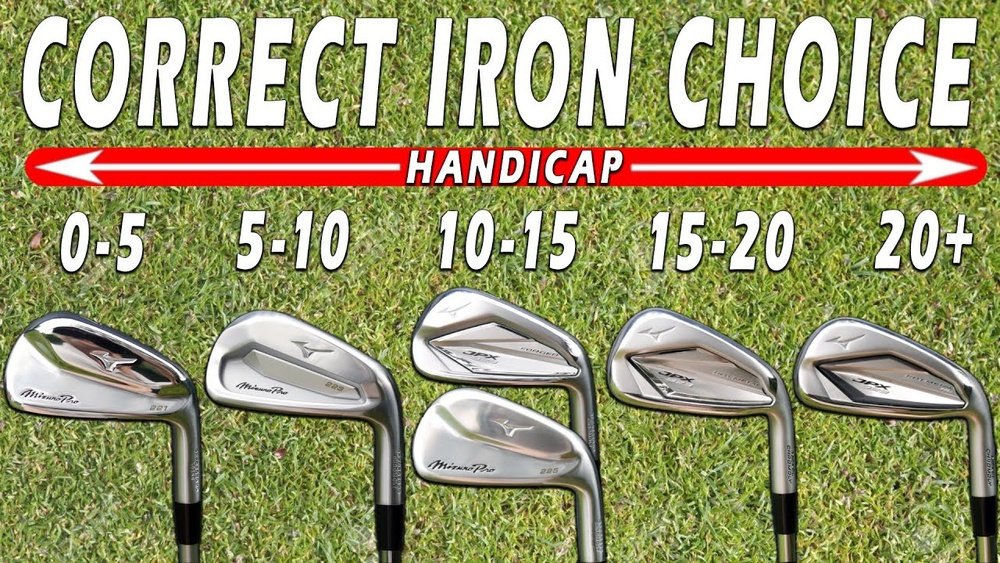
Beginners need clubs that help with control and forgiveness. Clubs with larger heads and wider soles reduce mistakes. These clubs make hitting the ball easier and straighter. Lightweight shafts help beginners swing smoothly. A full set with basic irons, woods, and a putter suits beginners well.
Intermediate Choices
Intermediate players benefit from clubs that offer more feedback and precision. These clubs balance forgiveness with control. Players at this level want irons with thinner faces and better feel. Hybrids can replace hard-to-hit long irons. Shafts may be a bit stiffer to match faster swings.
Advanced Player Options
Advanced players prefer clubs that provide maximum control and workability. Blades or muscle-back irons deliver precise shot shaping. These clubs have smaller heads and less offset. Shafts are usually stiff or extra stiff for power. Advanced players often customize clubs for exact preferences.
Fitting Clubs To Your Body
Choosing the right golf clubs means fitting them to your body. Clubs that match your size and style help you play better and feel comfortable. Proper fit improves your swing and control on the course. You avoid strain and get more consistent shots.
Height And Arm Length
Your height affects club length. Taller players need longer clubs. Shorter players need shorter ones. Arm length is also key. Measure your arms from shoulder to wrist. This helps find the right club size. Clubs that are too long or short hurt your swing. Proper length helps you stand correctly and swing smoothly.
Swing Speed
Swing speed changes the type of club you need. Faster swings often need stiffer shafts. Slower swings benefit from more flexible shafts. Flexibility helps control the club and ball flight. You can test your swing speed with a launch monitor. Matching shaft flex to speed improves distance and accuracy.
Grip Size
Grip size affects your control of the club. Small grips help players with small hands. Large grips suit players with bigger hands. Wrong grip size causes tension or slipping. Measure your hand from the wrist to the tip of your middle finger. Choose a grip that feels comfortable and secure. A good grip improves your hold and swing path.
Choosing The Right Shaft
Choosing the right shaft for your golf clubs affects your swing and ball flight. It helps control distance and accuracy. The shaft must fit your swing speed and style. Understanding shaft materials, flex, and weight helps you pick the best one.
Shaft Materials
Shafts come mainly in steel and graphite. Steel shafts are strong and offer more control. They feel heavier but provide consistent shots. Graphite shafts are lighter and can increase swing speed. They also reduce vibration, which is easier on your hands.
Flex Options
Shaft flex means how much the shaft bends during a swing. It affects ball trajectory and distance. Common flexes include extra stiff, stiff, regular, senior, and ladies. A faster swing needs a stiffer shaft for better control. Slower swings benefit from more flexible shafts to help launch the ball higher.
Weight Considerations
Shaft weight influences your swing speed and feel. Lighter shafts help increase swing speed and distance. Heavier shafts offer more control and accuracy. Choose a weight that feels comfortable and suits your strength. Test different weights to find what fits your swing best.
Selecting Clubhead Design
Selecting the right clubhead design plays a big role in your golf performance. The shape and material of the clubhead affect how the ball flies. Different designs suit different skill levels and playing styles. Understanding these options helps you choose clubs that feel right and improve your game.
Forged Vs Cast
Forged clubheads are made by shaping a single piece of metal. They offer better feel and control. Cast clubheads are made by pouring metal into a mold. They are usually cheaper and more durable. Beginners often prefer cast clubs for their forgiveness. Skilled players may choose forged clubs for precision.
Cavity Back Vs Blade
Cavity back clubs have a hollowed-out back. This design spreads weight around the edges. It makes the club more forgiving on off-center hits. Blade clubs have a thin, solid back. They provide better control and workability. Blade clubs suit players who hit the ball consistently well.
Adjustable Features
Many modern clubs come with adjustable parts. You can change loft, lie angle, or weight settings. These features let you fine-tune the club for your swing. Adjustable clubs offer flexibility as your skills grow. They help you adapt to different course conditions.
Budget And Brand Factors
Choosing the right golf clubs involves careful thought about budget and brand. These factors affect your overall satisfaction and performance on the course. Knowing how much to spend and which brands to trust helps you make a smart choice.
Price Range
Golf clubs come in many price ranges. Entry-level sets can be affordable for beginners. Mid-range clubs offer better materials and design. High-end clubs are more expensive but may provide extra features. Decide how much you want to spend before shopping. A clear budget helps narrow down your options quickly.
Top Golf Brands
Some brands are well known for quality and reliability. Brands like Callaway, TaylorMade, and Titleist have strong reputations. They invest in research and technology to improve clubs. Other trusted names include Ping and Cobra. Choose a brand that fits your skill level and style. Brand reputation often ensures better customer support too.
Value Vs Performance
More expensive clubs do not always mean better play. Sometimes, mid-priced clubs offer excellent value. Consider what matters most: durability, feel, or technology. Test clubs if possible to judge comfort and control. Balance your budget with the performance you need. Smart buying means getting the best club for your money.
Testing And Trialing Clubs
Testing and trialing golf clubs is a crucial step in finding the right set. Clubs feel different in your hands and affect your shots in unique ways. Trying them out helps you understand which clubs suit your swing and style best.
Spending time with various clubs can improve your confidence on the course. It also prevents buying clubs that don’t fit you. Testing lets you focus on what works and what doesn’t.
Demo Days
Demo days let you try new clubs at golf stores or courses. You can hit balls and feel how each club performs. These events usually offer many brands and models to test.
Bring your own golf balls and wear comfortable shoes. Take your time swinging and check how far and straight the ball flies. Demo days give a hands-on experience without any pressure to buy immediately.
Using Launch Monitors
Launch monitors measure data like ball speed, launch angle, and spin rate. They provide clear numbers on how each club affects your shots. This tech helps you see the exact differences between clubs.
You can compare clubs side by side with real stats. Launch monitors also show your swing path and impact location. Using this data leads to smarter choices in selecting golf clubs.
Seeking Professional Advice
Golf pros and club fitters offer expert advice during your trial. They watch your swing and suggest clubs that match your skill and body type. Their experience helps avoid common mistakes in club selection.
Professionals can adjust club length, lie, and shaft flex to fit you better. They explain how each feature impacts your performance. Trusting their guidance saves time and money.
Maintaining Your Clubs
Maintaining your golf clubs is key to keeping them in good shape. Well-kept clubs perform better and last longer. Simple care steps can protect your investment and improve your play.
Cleaning Tips
Clean your clubs after every round. Use a soft brush to remove dirt from the clubface. Wipe the shaft and grip with a damp cloth. Avoid harsh chemicals that can damage the club. Dry clubs completely before storing them. Regular cleaning keeps clubs looking new and working well.
Storage Best Practices
Store clubs in a dry place to avoid rust. Use a golf bag with dividers to prevent damage. Keep clubs away from extreme heat or cold. Avoid leaning clubs against hard surfaces. Proper storage helps maintain club shape and grip quality.
When To Replace Clubs
Replace clubs if the shaft bends or cracks. Change grips when they feel slippery or worn. Swap clubs that no longer suit your swing. Look for worn grooves on the clubface. Regular checks keep your set effective and safe.
Frequently Asked Questions
What Factors Determine The Best Golf Clubs For Beginners?
The best golf clubs for beginners depend on club length, weight, and forgiveness. Choose clubs with larger clubheads and flexible shafts. These features help improve swing accuracy and distance. Comfort and budget also matter when selecting beginner-friendly golf clubs.
How Do Shaft Flex And Material Affect Golf Club Performance?
Shaft flex influences control and distance. Stiffer shafts offer better accuracy for faster swings. More flexible shafts generate greater distance for slower swings. Shaft material, like graphite or steel, affects weight and feel. Choose based on your swing speed and personal preference.
Why Is Club Fitting Important When Choosing Golf Clubs?
Club fitting ensures clubs match your height, swing, and strength. Properly fitted clubs improve accuracy, distance, and consistency. It reduces injury risk and enhances overall performance. Custom fitting tailors club length, lie angle, and grip size to your needs.
How Many Golf Clubs Should I Carry In My Bag?
Most golfers carry 12 to 14 clubs. This includes a driver, fairway woods, irons, wedges, and a putter. Carrying the right mix allows versatility for different shots. Check local rules for club limits before selecting your set.
Conclusion
Choosing the right golf clubs takes time and care. Think about your skill level and playing style first. Test different clubs to find what feels best in hand. Don’t forget to consider club length and weight for comfort. Remember, the right clubs help you play better and enjoy the game more.
Keep practicing with your chosen set to improve steadily. Golf is fun when you have the right tools. Take your time, and enjoy every swing.


