Have you ever wondered what makes a perfect golf shot? The answer often lies in the golf clubs you choose.
But what exactly are golf clubs, and why do they matter so much to your game? Whether you’re just starting out or looking to improve, understanding golf clubs is key to unlocking better swings and lower scores. Keep reading, and you’ll discover how these essential tools can change the way you play—and why picking the right ones could be your secret weapon on the course.
Types Of Golf Clubs
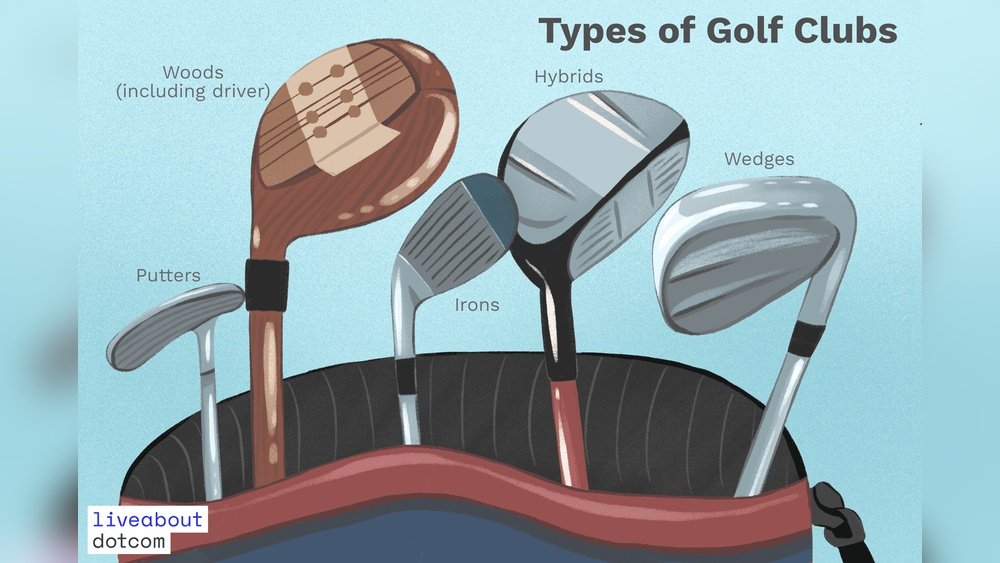
Golf clubs come in different types, each made for specific shots. Knowing these types helps players choose the right club for every situation on the course. Each type has unique features and uses. Understanding them improves your play and confidence.
Woods
Woods are used for long-distance shots. They have large heads and long shafts. These clubs hit the ball far from the tee or fairway. Modern woods are made of metal, not wood. Drivers are the most common woods, designed for power.
Irons
Irons have smaller heads and shorter shafts. They help with precision and control. Irons are used for shots from the fairway or rough. Lower-numbered irons hit the ball farther. Higher-numbered irons offer better accuracy for shorter shots.
Hybrids
Hybrids combine features of woods and irons. They are easier to hit than long irons. Hybrids work well from difficult lies and rough areas. Many players replace long irons with hybrids. They offer more forgiveness and distance.
Wedges
Wedges are specialized irons for short, high shots. They help with chips, pitches, and bunker shots. Wedges have a steep angle to lift the ball quickly. Common types include pitching, sand, and lob wedges. Each wedge suits different close-range shots.
Putters
Putters are used on the green to roll the ball into the hole. They have flat faces for smooth contact. Putters vary in shape and weight. They focus on accuracy, not distance. A good putter improves your score significantly.

Golf Club Components
Golf clubs have three main parts. Each part plays a role in how you hit the ball. Understanding these parts helps you choose the right club.
Clubhead
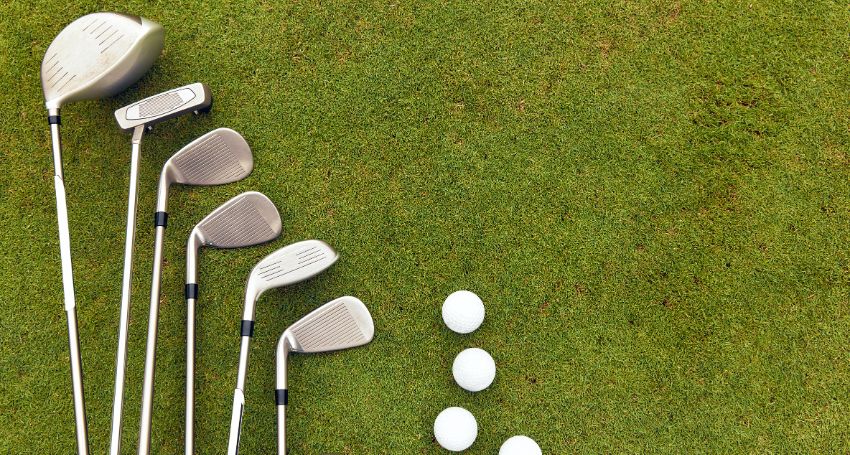
The clubhead is the part that strikes the ball. It comes in different shapes and sizes. Drivers have large clubheads to hit far. Irons have smaller heads for control. The face of the clubhead affects ball flight. It can be flat or slightly curved. The material also matters. Steel and titanium are common for durability and weight.
Shaft
The shaft connects the clubhead to the grip. It can be made from steel or graphite. Steel shafts are heavier but more durable. Graphite shafts are lighter and help increase swing speed. Shaft length varies by club type. Flexibility of the shaft affects accuracy. Stiffer shafts suit stronger players. More flexible shafts help beginners.
Grip
The grip is where you hold the club. It is made of rubber or synthetic materials. Grips come in different thicknesses. Choosing the right size helps control the club. A worn-out grip can cause slipping. Replacing grips improves feel and performance. Proper grip pressure is key to a good swing.
Choosing The Right Club
Choosing the right golf club is key to playing well. Each club is designed for specific shots and distances. Picking the correct one helps improve your swing and score. Understanding the factors behind your choice makes a big difference on the course.
Distance And Accuracy
Clubs vary in how far they hit the ball. Drivers send the ball far but may lack precision. Irons offer more control but less distance. Choose a club based on how far you need the ball to go. Accuracy matters on tight fairways and near hazards.
Player Skill Level
Your experience shapes the club choice. Beginners benefit from clubs with larger heads and wider soles. These make hitting easier and reduce mishits. Skilled players often prefer clubs with less forgiveness but better control. Match the club to your comfort and skill.
Course Conditions
The golf course affects which club to use. Soft ground calls for clubs that prevent the ball from digging in. Windy days may need lower ball flights, so choose clubs that help keep shots low. Adjust your club choice based on the course layout and weather.
How To Use Each Club
Each golf club has a special use. Knowing how to use each club helps improve your play. Different clubs help you hit the ball in different ways. This guide explains how to use woods, irons, hybrids, wedges, and putters.
Driving With Woods
Woods are for long shots from the tee. They have large heads and long shafts. Use a wood to hit the ball far down the fairway. Stand wide and swing smoothly for more power. Keep your eye on the ball to hit it clean.
Approach Shots With Irons
Irons are for mid-range shots to the green. They have thinner heads and shorter shafts. Choose an iron based on how far you need to hit. Swing steadily and aim for the center of the clubface. Control the ball’s direction and height with irons.
Versatility Of Hybrids
Hybrids combine features of woods and irons. They are easier to hit than long irons. Use hybrids for long shots from tough spots like rough or fairway. Keep your stance balanced and swing smoothly. Hybrids help with distance and accuracy.
Short Game With Wedges
Wedges are for short, precise shots near the green. They have high loft to lift the ball quickly. Use wedges for chips, pitches, and bunker shots. Open the clubface for softer shots. Focus on control and touch rather than power.
Putting Techniques
Putters are for rolling the ball on the green. Use a putting stroke that is smooth and controlled. Keep your eyes over the ball and swing the club like a pendulum. Aim for a straight line to the hole. Practice helps improve your putting skills.
Golf Club Maintenance Tips
Golf clubs need care to last long and perform well. Proper maintenance keeps them clean, safe, and ready for play. Small efforts protect your investment and improve your game.
Cleaning Your Clubs
After each round, clean the clubheads with warm water and mild soap. Use a soft brush to remove dirt from grooves. Dry clubs thoroughly with a towel to stop rust. Clean grips by wiping them with a damp cloth. Clean clubs help you hit the ball better and avoid damage.
Checking For Damage
Look at clubheads for cracks or dents. Check shafts for bends or rust spots. Examine grips for wear or tears. Damaged clubs can affect your swing and cause injury. Fix or replace damaged parts quickly to keep clubs safe.
Proper Storage
Store clubs in a dry place to avoid rust. Use a golf bag with dividers to stop clubs from banging. Avoid leaving clubs in hot or cold places like a car trunk. Proper storage keeps clubs in shape and ready to use anytime.
Frequently Asked Questions
What Are The Different Types Of Golf Clubs?
Golf clubs are mainly divided into woods, irons, wedges, and putters. Each type serves a specific purpose during play. Woods are for long-distance shots, irons for accuracy, wedges for short approach shots, and putters for rolling the ball on the green.
How Many Golf Clubs Are Allowed In A Set?
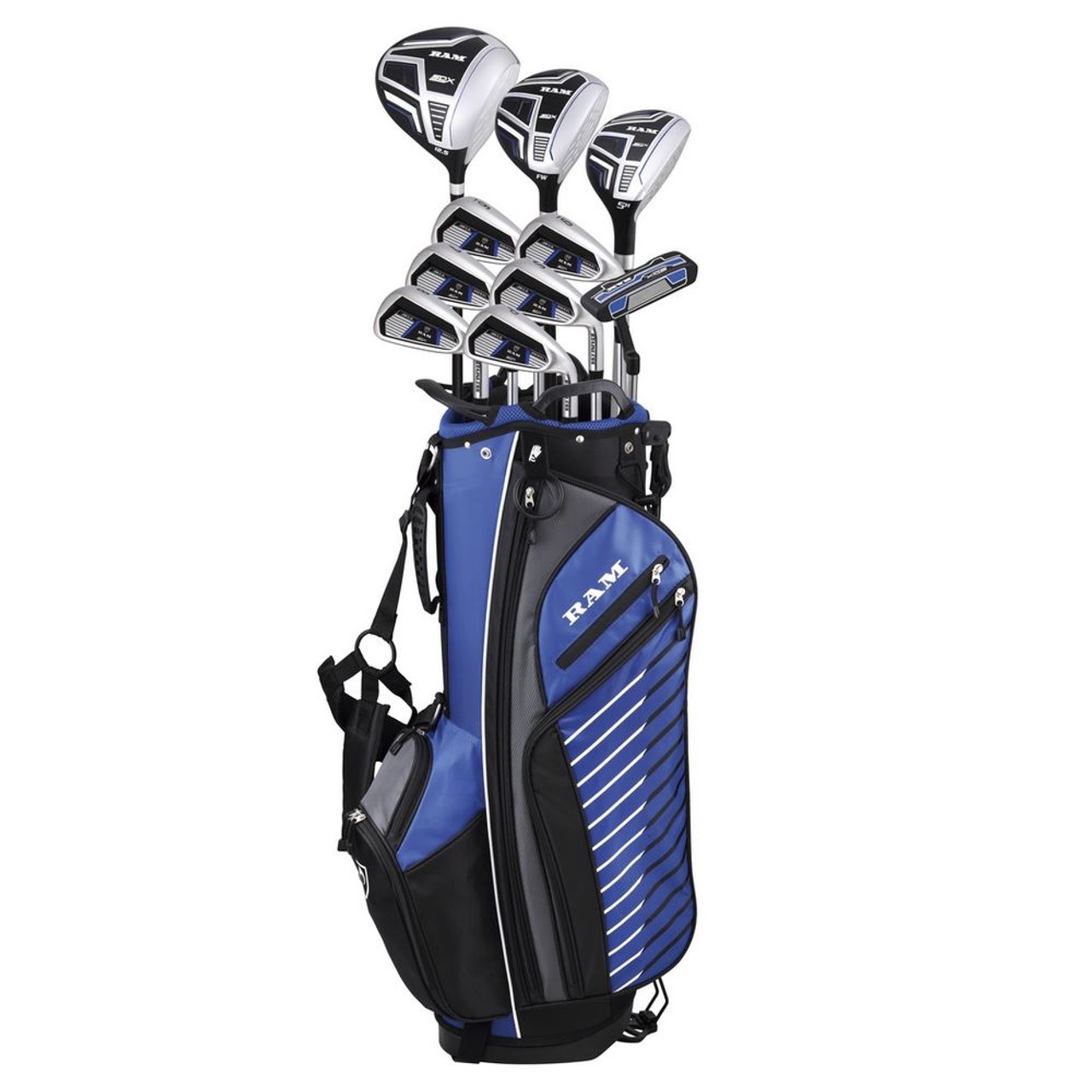
A standard golf set can have up to 14 clubs. This includes a mix of woods, irons, wedges, and a putter. Players choose clubs based on distance and shot type to improve their game strategy.
What Materials Are Golf Clubs Made From?
Golf clubs are typically made from steel, graphite, or a combination. Steel shafts offer durability and control, while graphite shafts are lighter and help increase swing speed. Clubheads vary from metal alloys to titanium for better performance.
Why Are Golf Clubs Numbered And Named?
Golf clubs are numbered to indicate loft and distance. Lower numbers mean less loft and longer shots, while higher numbers give more loft and shorter distances. Names like “driver” or “pitching wedge” describe their primary use on the course.
Conclusion
Golf clubs are essential tools for playing golf well. Each type serves a special purpose on the course. Knowing their names and uses helps you play better. Practice with different clubs to find what suits you best. Choosing the right club can improve your swing and accuracy.
Golf becomes more fun when you understand your equipment. Keep learning about clubs to enjoy the game more. Simple steps lead to steady progress in golf skills. Try using your clubs often to gain confidence and control.


