Are you struggling to get the perfect swing on the golf course? One hidden reason might be your golf clubs aren’t fitted properly for you.
When your clubs match your body and playing style, every shot feels easier and more precise. Imagine hitting the ball farther, straighter, and with more confidence—sounds great, right? You’ll discover simple steps to fit your golf clubs correctly. By the end, you’ll know exactly what to look for and how to make your clubs work for you, not against you.
Ready to improve your game? Let’s dive in!

Choosing The Right Club Length
Choosing the right club length is key to playing better golf. Clubs that fit your body help you swing smoothly. The right length improves your control and accuracy. Too long or too short clubs make it hard to hit the ball well.
Finding the perfect length depends on your height and body shape. Also, your swing style affects the ideal club length. Measuring your body and understanding your swing help pick the best clubs for you.
Measuring Your Height And Wrist-to-floor Distance
Start by measuring your height without shoes. Stand straight against a wall for an accurate reading. Write down your height in inches or centimeters.
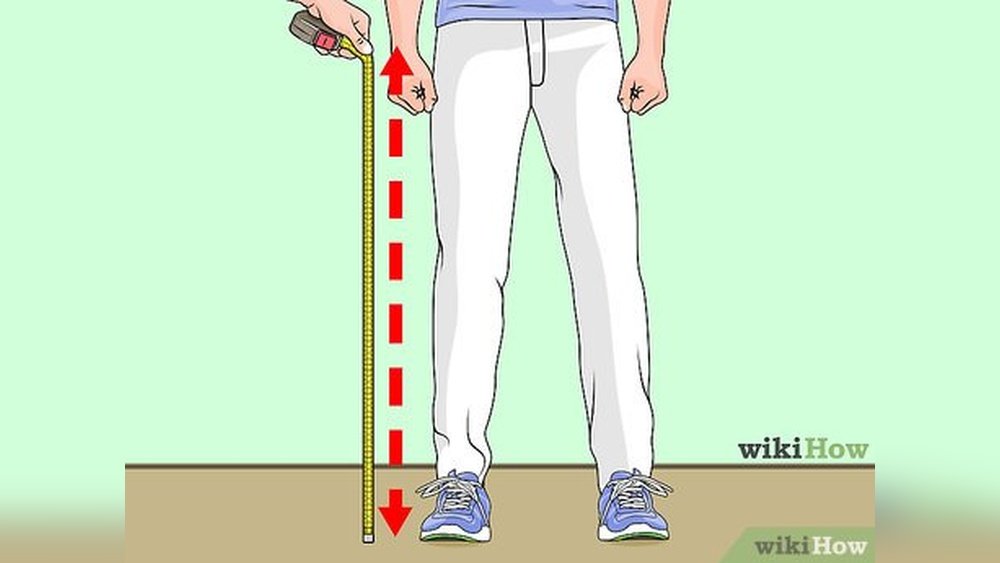
Next, measure your wrist-to-floor distance. Stand straight, arms at your sides. Measure from the wrist bone to the floor. This helps find clubs that match your arm length and posture.
These two measurements create a good base for choosing club length. Golf fitting charts use them to suggest the right size.
Adjusting Length For Swing Style
Your swing style affects the club length you need. Players with a steep swing may need shorter clubs. Those with a flatter swing might use longer clubs.
Test different lengths to see what feels best. A good fit lets you swing freely and hit the ball solidly.
Customizing length based on swing style leads to better shots. This adjustment makes your clubs more comfortable and effective.

Selecting The Proper Shaft Flex
Choosing the right shaft flex is key to fitting golf clubs properly. The shaft flex affects how the club feels and performs during your swing. It can help you hit the ball straighter and farther. A shaft that is too stiff or too flexible can cause poor shots. Understanding your swing speed helps pick the correct shaft flex. This section explains how to match shaft flex to swing speed and the differences between common flex types.
Matching Flex To Swing Speed
Shaft flex depends mostly on your swing speed. Faster swings need stiffer shafts. Slower swings benefit from more flexible shafts. Swing speed is the speed of your clubhead when it hits the ball. Use a launch monitor or ask a pro to measure your swing speed. For example, a swing speed under 85 mph usually needs a regular flex. Swing speeds above 95 mph often require stiff or extra stiff shafts. Matching your flex to swing speed helps improve control and distance.
Differences Between Regular, Stiff, And Extra Stiff Shafts
Regular flex shafts bend more during the swing. They suit golfers with slower swings. They provide better feel and help get the ball in the air. Stiff shafts bend less and work well for medium to fast swing speeds. They offer more control and reduce shot dispersion. Extra stiff shafts bend the least. They are for players with very fast swings. These shafts give maximum control but can feel harsh for slower swingers. Picking the right flex improves consistency and comfort.
Determining The Correct Lie Angle
Determining the correct lie angle is essential for fitting golf clubs properly. The lie angle is the angle between the club’s shaft and the ground when the club is held in a normal position. A proper lie angle helps ensure solid contact and accurate ball flight. It affects how the clubhead meets the ground at impact, influencing the direction of the shot.
Impact Of Lie Angle On Ball Flight
The lie angle directly affects the ball’s flight path. If the lie angle is too flat, the club’s toe will dig into the ground. This causes the ball to veer right for right-handed golfers. If the lie angle is too upright, the heel touches the ground first. This often sends the ball to the left. Correct lie angle keeps the clubface square at impact. It helps the ball fly straight and true.
Methods To Measure Lie Angle
Measuring lie angle is simple with the right tools. One method uses lie boards, which show where the clubhead touches the ground. Another tool is a lie angle machine, which measures the angle precisely. A professional club fitter often uses these tools. They watch your swing and check the lie angle in real time. This ensures the clubs fit your unique swing style.
Choosing The Right Grip Size
Choosing the right grip size is key to fitting golf clubs properly. The grip connects your hands to the club. It affects your control, comfort, and swing. A grip that is too big or too small can cause problems. It can lead to poor shots and hand pain. Finding the right grip size helps you play better and feel good while playing.
Measuring Hand Size For Grip Selection
Start by measuring your hand size. Use a ruler or tape measure. Measure from the tip of your middle finger to the base of your palm. Write down the length in inches or centimeters. This number helps determine the best grip size for you. Most golf shops have charts to match hand size to grip size. You can also measure the circumference of your hand around the knuckles. Both measurements guide you to the right grip.
How Grip Size Affects Control And Comfort
A grip that fits well gives you better control of the club. It lets your hands move naturally during the swing. A grip too small makes your hands work too hard. It may cause your wrists to bend more. This can lead to slicing or hooking the ball. A grip too large limits wrist movement. It can cause pushes or blocks. The right size feels comfortable. Your hands relax, and your shots improve.
Customizing Clubhead Options
Customizing clubhead options is a key step in fitting golf clubs properly. The clubhead affects your control, distance, and feel. Choosing the right type and adjusting its features can improve your swing and accuracy. Understanding the options helps you pick a club that suits your style and skill level.
Selecting Between Blade And Cavity Back
Blade clubheads are small and thin. They offer better control and feel for skilled players. These clubs demand precise hits but reward with accuracy.
Cavity back clubheads have a hollowed-out back. They provide more forgiveness on off-center hits. These clubs are ideal for beginners or high handicappers. They help keep the ball straighter and longer.
Choose blade clubs for control and cavity backs for forgiveness. Your choice depends on your skill and swing consistency.
Adjusting Weight And Balance
Weight and balance influence the club’s swing path and speed. Heavier clubheads create more momentum, helping with distance. Lighter heads allow faster swings and better control.
Adjusting the balance point changes how the club feels in your hands. A forward balance offers more control and lower ball flight. A back balance helps launch the ball higher and with more forgiveness.
Test different weights and balance settings. Find the combination that feels comfortable and matches your swing style.
Testing Clubs For Fit
Testing clubs for fit is a key step in finding the right golf clubs. It helps you see how clubs perform with your swing. This step ensures comfort and better shots on the course.
Testing involves tools and expert advice. These help check if the clubs match your style and strength. Proper testing saves money and improves your golf experience.
Using Launch Monitors And Impact Tape
Launch monitors measure ball speed, launch angle, and spin. They give clear data on how the ball flies. This data shows if the club fits your swing.
Impact tape shows where the ball hits the clubface. It helps find the sweet spot or off-center hits. You can adjust your grip or club choice based on this.
Both tools work together. They provide facts, not guesswork. Testing clubs with these tools helps pick clubs that suit your game.
Getting Feedback From A Professional Fitter
A professional fitter watches your swing closely. They notice small details you might miss. Fitters use their experience to suggest the best club options.
They ask about your comfort and feel with each club. Your feedback guides their recommendations. This makes sure the clubs match your needs.
Working with a fitter boosts your confidence in club choice. It also helps avoid common fitting mistakes. Their advice leads to better results on the course.
Making Adjustments Over Time
Fitting golf clubs is not a one-time task. Your swing and body change over time. Your clubs must adjust too. Regular checks keep your clubs matching your style and strength. Small tweaks can improve your comfort and performance.
Reassessing Fit With Skill Improvement
As your skills grow, your swing may become faster or smoother. This can affect how your clubs feel. A club that once felt right might feel off now. Testing your clubs every few months helps find the best fit. Changes in grip size, shaft flex, or club length may be needed. This reassessment keeps your game sharp and comfortable.
Seasonal And Physical Changes Affecting Fit
Weather and body changes can affect your golf swing. Cold weather can make muscles tighter and swings shorter. Hot weather might make swings longer and faster. Your body weight or flexibility may also shift. These changes impact how clubs perform for you. Adjusting your clubs for seasons and physical changes helps maintain control and power. Pay attention to how your clubs feel throughout the year.
Frequently Asked Questions
How Do I Measure My Height For Golf Club Fitting?
Measure your height standing straight without shoes. Use this height to determine the correct club length. Proper height measurement ensures better swing and control.
Why Is Lie Angle Important In Golf Clubs?
Lie angle affects the clubhead’s contact with the ground. A correct lie angle improves accuracy and shot consistency. It helps prevent slicing or hooking the ball.
How Can Grip Size Affect My Golf Swing?
Grip size impacts your hand comfort and control. Too large or small grips cause tension and poor swings. Proper grip size enhances swing power and accuracy.
When Should I Get My Golf Clubs Professionally Fitted?
Get fitted before buying new clubs or if your game stalls. Professional fitting adapts clubs to your swing style. It improves performance and confidence on the course.
Conclusion
Fitting golf clubs properly helps improve your swing and accuracy. It saves you from using the wrong club size or weight. Custom fit clubs feel more comfortable and boost your confidence. Take time to measure your height, arm length, and swing style.
Visit a professional fitter for the best results. Good fitting clubs make playing golf more fun and less frustrating. Remember, the right clubs help you play your best. Practice with fitted clubs to see steady progress on the course.


