
Are you struggling to add more speed to your golf swing? You’re not alone.
Many golfers wonder if using a golf swing trainer can really make a difference. Imagine hitting the ball farther and with more control—sounds great, right? But how do these trainers actually work, and can they help you boost your swing speed?
Keep reading to discover the truth behind golf swing trainers and find out if they’re the key to unlocking your full potential on the course.
How Swing Speed Impacts Your Game
Swing speed is a key factor in golf. It affects how far and how fast the ball travels. A faster swing can mean longer drives. This can lead to shorter shots to the green. Many golfers want to increase their swing speed to improve their score.
But swing speed is not just about power. It also influences control and accuracy. A controlled, fast swing helps players place the ball better. Understanding how swing speed impacts your game can guide your practice and training.
Benefits Of Increased Swing Speed
Higher swing speed often leads to longer shots. This means fewer strokes on long holes. It can help you reach the green in fewer hits. Increased speed also adds more energy to the ball. This can improve distance and roll after landing.
Improved swing speed can boost confidence. Players feel stronger and more capable. This confidence can improve other parts of the game. Faster swings also help compete better on longer courses.
Common Challenges In Boosting Speed
Building swing speed is not easy. Many golfers struggle with timing and control. Too fast a swing can cause loss of accuracy. It can also lead to poor contact with the ball.
Physical limits like strength and flexibility affect swing speed. Some players find it hard to increase speed without injury. Practice and proper technique are needed to improve safely. Consistency can be difficult during this process.
Types Of Golf Swing Trainers
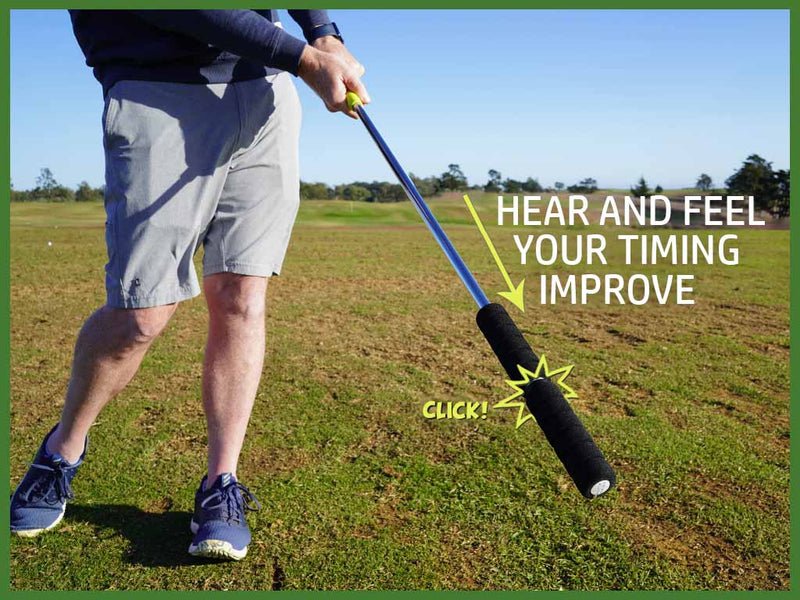
Golf swing trainers come in different types. Each type helps improve your swing speed in unique ways. Choosing the right trainer depends on your needs and goals. Here are some common types of golf swing trainers that many players use.
Weighted Clubs And Their Role
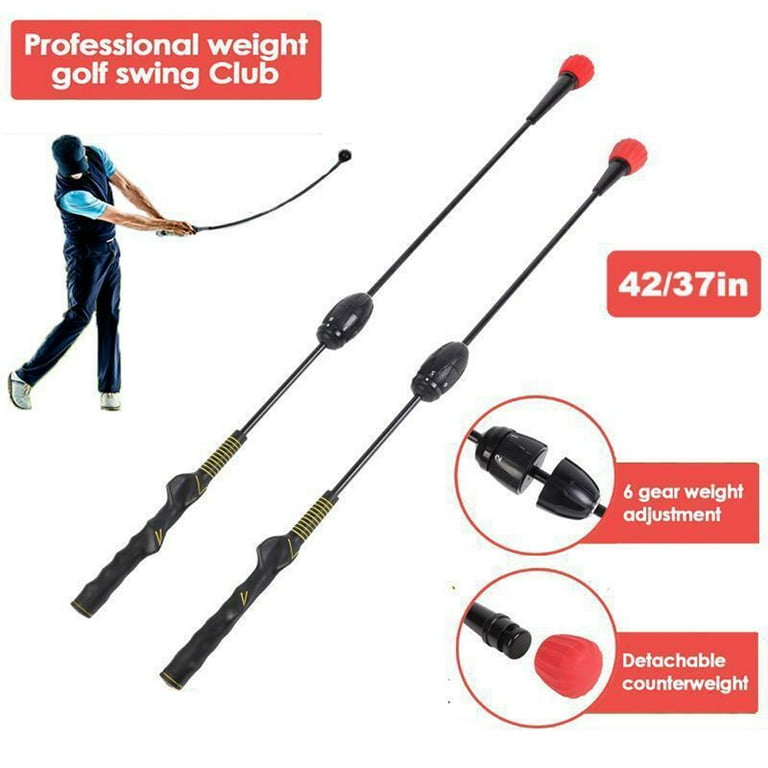
Weighted clubs add extra weight to your swing practice. This helps build strength in your arms and wrists. Using these clubs regularly can increase your swing speed over time. They also help improve your timing and control. Start with lighter weights and increase gradually to avoid injury.
Swing Speed Radar Devices
Swing speed radar devices measure how fast you swing the club. They give instant feedback after every shot. This helps you track your progress and make adjustments. Many devices are portable and easy to use on the golf course or at home. Using radar devices can motivate you to improve your swing speed consistently.
Resistance Bands And Training Aids
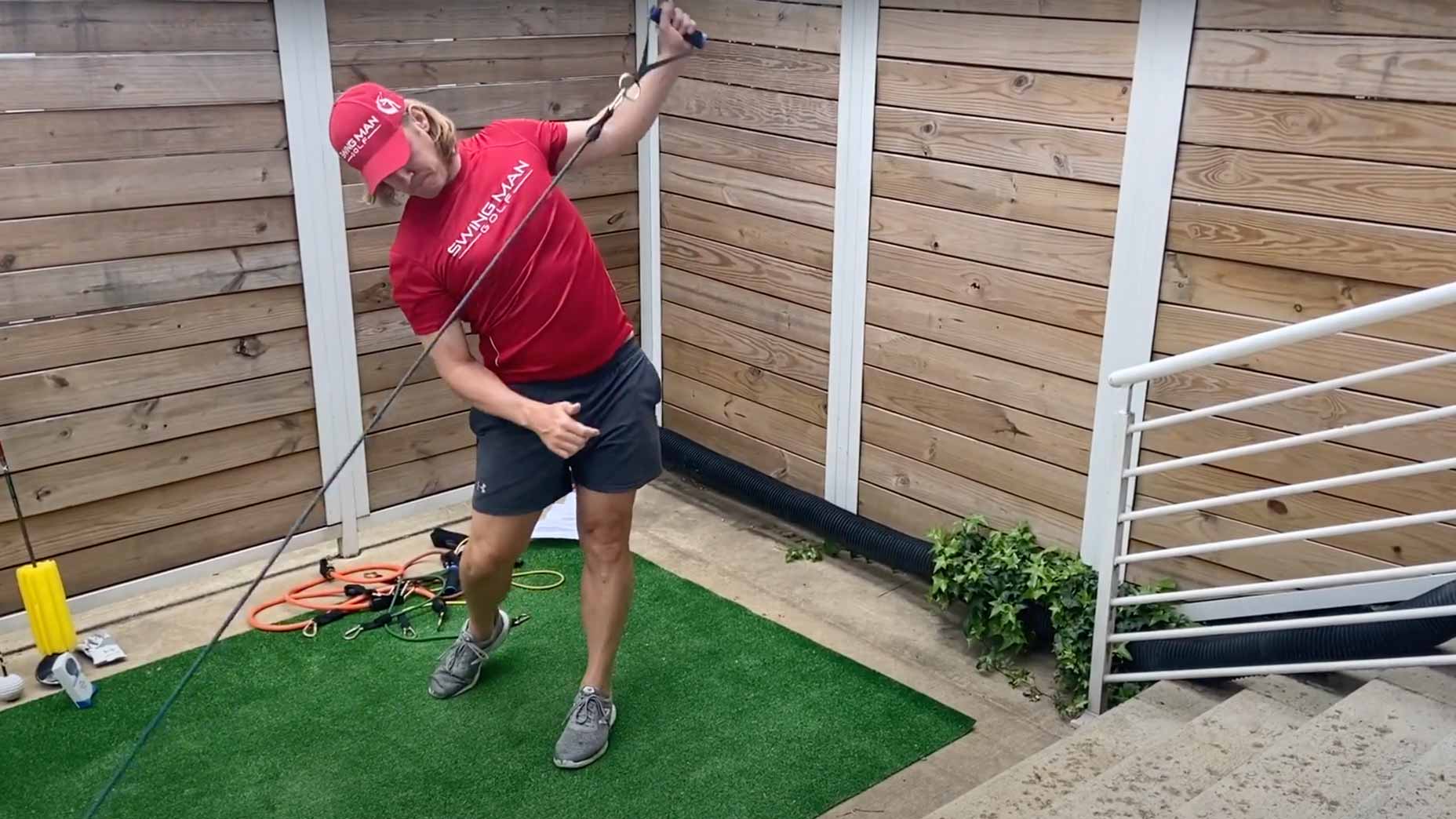
Resistance bands create tension during your swing practice. This builds muscle strength and flexibility. Training aids with resistance bands help you practice the correct swing path. They also improve your body rotation and balance. Regular use of these aids can lead to faster and more controlled swings.
Mechanics Behind Swing Trainers
Golf swing trainers help golfers improve their swing by focusing on key physical and technical aspects. These tools guide the body to move correctly and build skills step by step. The mechanics behind swing trainers involve training muscles, timing, and flexibility. Each part plays a role in making the swing faster and more efficient.
Muscle Memory Development
Muscle memory forms by repeating the same swing motions. Swing trainers help by creating consistent practice patterns. This repetition trains muscles to react automatically. Over time, the swing feels natural and smooth. Muscle memory reduces mistakes and builds confidence.
Improving Timing And Coordination
Timing is critical to a fast and strong golf swing. Swing trainers help golfers learn when to start and stop each movement. They also improve hand-eye coordination. Better timing means hitting the ball with more power. Coordination between arms, hands, and body improves swing flow.
Enhancing Strength And Flexibility
Strength and flexibility increase swing speed and control. Swing trainers often add resistance or stretch muscles during practice. This builds key muscles used in swinging. Flexible muscles allow a wider range of motion. Strong and flexible bodies create faster, more powerful swings.
Scientific Studies And Data
Scientific studies and data provide important insight into how golf swing trainers affect swing speed. Research helps separate facts from opinions. It shows what works and what does not. The data comes from tests, measurements, and real practice results. This section explores key findings from scientific research on golf swing trainers.
Research On Swing Speed Gains
Studies measure how much swing speed improves after training with golf swing trainers. Some research shows a small but clear increase in swing speed. This happens because trainers help golfers improve muscle strength and timing. Tests use devices to track speed before and after training. Results vary by age, skill level, and trainer type.
Comparing Different Training Methods
Researchers compare swing trainers with other training methods. Methods include weight training, flexibility exercises, and video analysis. Swing trainers often show faster gains in swing speed. Yet, combining trainers with other exercises may work best. Data points to a balanced approach for better results in swing speed and control.
Long-term Effects On Performance
Long-term studies track golfers over months or years. They find that regular use of swing trainers helps maintain or slowly increase swing speed. Consistent practice with trainers can also improve accuracy and strength. Without ongoing training, gains tend to fade. The data supports steady, long-term effort for lasting improvement.
User Experiences And Testimonials
User experiences and testimonials offer real insights into golf swing trainers. They reveal how these tools impact swing speed and overall performance. Hearing from actual users helps you understand benefits and challenges.
These stories come from amateurs and professionals alike. Each group shares unique views on what works and what does not. Learning from their experiences can guide your own training journey.
Success Stories From Amateurs
Many amateur golfers report noticeable improvements in swing speed. Regular use of trainers builds muscle memory and timing. Some say their drives have gained 5 to 10 miles per hour.
Users often mention increased confidence on the course. The trainers help develop a smoother, faster swing. Small, consistent practice sessions deliver steady progress.
Professional Golfer Insights
Professional players use swing trainers for fine-tuning their skills. They praise the devices for improving tempo and control. Pros highlight the importance of combining trainers with coaching.
Many pros stress that trainers alone don’t guarantee speed gains. They recommend focused drills and proper technique alongside the tool. This combined approach leads to better results.
Common Pitfalls To Avoid
Some users rush into training without clear goals. This causes frustration and minimal improvement. Overuse or incorrect use of trainers may lead to poor habits.
Ignoring professional guidance can slow progress. It’s vital to practice with correct form and patience. Avoid expecting instant results; swing speed builds over time.
Choosing The Right Trainer For You
Choosing the right golf swing trainer can make a big difference in your practice. The right tool fits your needs and helps you improve swing speed effectively. Each golfer has unique goals and skill levels. That means one trainer might suit one person but not another. Knowing what to look for helps you pick the best one.
It is important to find a trainer that matches your current skill and budget. The right trainer should feel comfortable and easy to use. It should also help you build better habits. With the right choice, practice becomes more fun and productive.
Factors To Consider
Think about your skill level before buying a trainer. Beginners need simple tools that guide basic swings. Advanced players might want trainers that measure speed or provide feedback. Size and weight are important too. A heavy trainer may slow your swing instead of helping.
Also, check if the trainer fits your usual practice space. Some trainers need more room to use safely. Look for designs that match your style of play. A good trainer should feel like a natural extension of your swing.
Budget-friendly Options
Golf swing trainers come in many price ranges. You can find effective models without spending a lot. Basic trainers focus on timing and rhythm. They help build muscle memory at a low cost. Some budget trainers use simple weights or resistance bands.
Look for products with good reviews from other users. Affordable does not mean poor quality. Many low-cost trainers offer great value for beginners. Set a budget and find options within it to avoid overspending.
Integrating Trainers Into Practice
Using a trainer regularly boosts its benefits. Start each session with warm-up swings using the trainer. This prepares your muscles and mind for better speed. Use it for short drills focused on swing tempo and control.
Do not rely on the trainer all the time. Mix practice with and without the tool. This helps you apply what you learn in real swings. Consistency matters most. Regular practice with the right trainer leads to steady improvement.
Maximizing Results With Swing Trainers
Maximizing results with swing trainers requires more than just using the device. It involves a smart approach that combines training, fitness, and tracking. This helps golfers improve their swing speed effectively and safely. Using swing trainers regularly can build muscle memory and enhance coordination.
To see real progress, focus on how you train and measure your improvement. This section covers key ways to get the most from your swing trainer.
Combining Physical Conditioning
Physical fitness plays a big role in increasing swing speed. Strength in the core, arms, and legs supports faster swings. Stretching improves flexibility and range of motion. Exercises like medicine ball throws and resistance training build power. A strong body helps you swing harder without losing control.
Consistent Practice Routines
Regular practice is key to making gains with swing trainers. Short, focused sessions work better than long, infrequent ones. Practice different swing speeds and movements to build control. Repeat drills to develop muscle memory. Consistency trains your body and brain to perform better over time.
Tracking Progress Effectively
Measuring your swing speed helps track improvement and stay motivated. Use apps or devices that record swing data. Note your speed before and after training periods. Keep a journal of feelings and physical changes. Tracking progress shows what works and where to adjust training.
Frequently Asked Questions
Do Golf Swing Trainers Really Increase Swing Speed?
Yes, golf swing trainers are designed to improve swing speed. They help build muscle memory and strength, which leads to faster swings and better ball contact.
How Long Does It Take To See Results With Trainers?
Typically, golfers notice improvements within 4 to 6 weeks of consistent use. Regular practice with swing trainers enhances speed and overall swing mechanics.
Can Beginners Benefit From Golf Swing Trainers?
Absolutely, beginners gain better control and faster swing development. Trainers guide proper technique and build confidence early in the learning process.
Are Swing Trainers Effective For All Skill Levels?
Yes, swing trainers suit beginners to advanced players. They offer adjustable resistance and drills that match different skill requirements.
Conclusion
Golf swing trainers can help increase your swing speed with practice. They build strength and improve your technique step by step. Consistent use leads to better control and faster swings. Remember, improvement takes time and patience. Using these tools along with regular practice can make a difference.
Keep practicing, and you will see progress in your swing speed.


