
Are you struggling to improve your golf swing but don’t know where to start? Choosing the right golf swing trainer can make all the difference in your game.
With so many options available, it’s easy to feel overwhelmed and unsure which one suits your needs. This guide will help you cut through the noise and find the perfect trainer that fits your skill level and goals. Keep reading, and you’ll discover simple, effective tips to boost your swing and lower your scores faster than you thought possible.
Benefits Of Using A Golf Swing Trainer
Using a golf swing trainer offers clear benefits. It helps players improve their skills faster. Practice becomes more effective and focused. This tool supports better control and confidence on the course.
Golf swing trainers guide players to develop good habits. They correct common mistakes early. Regular use leads to noticeable progress in technique. This creates a stronger foundation for all skill levels.
Improving Swing Mechanics
A golf swing trainer helps fix swing errors. It shows the right path to swing the club. Players learn to move their body correctly. This prevents bad habits from forming. Better mechanics lead to more powerful and accurate shots.
Building Consistency
Consistent swings mean better results on the course. Trainers help repeat the same motion every time. This builds muscle control and balance. Regular practice with a trainer creates steady performance. Consistency reduces mistakes during play.
Enhancing Muscle Memory
Muscle memory makes good swings feel natural. Trainers help your body remember the right moves. Repeated practice rewires muscles for correct form. This means less thinking and more smooth action. Over time, swings become automatic and fluid.
Types Of Golf Swing Trainers
Choosing the right golf swing trainer helps improve your swing faster. Different types of trainers suit different needs. Understanding these types makes it easier to pick the best one for you. Here are the main kinds of golf swing trainers.
Mechanical Trainers
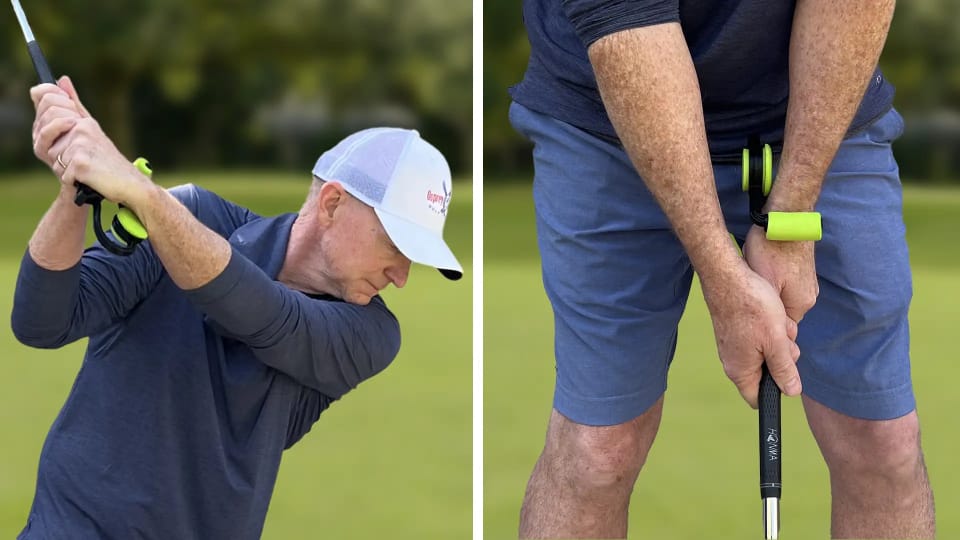
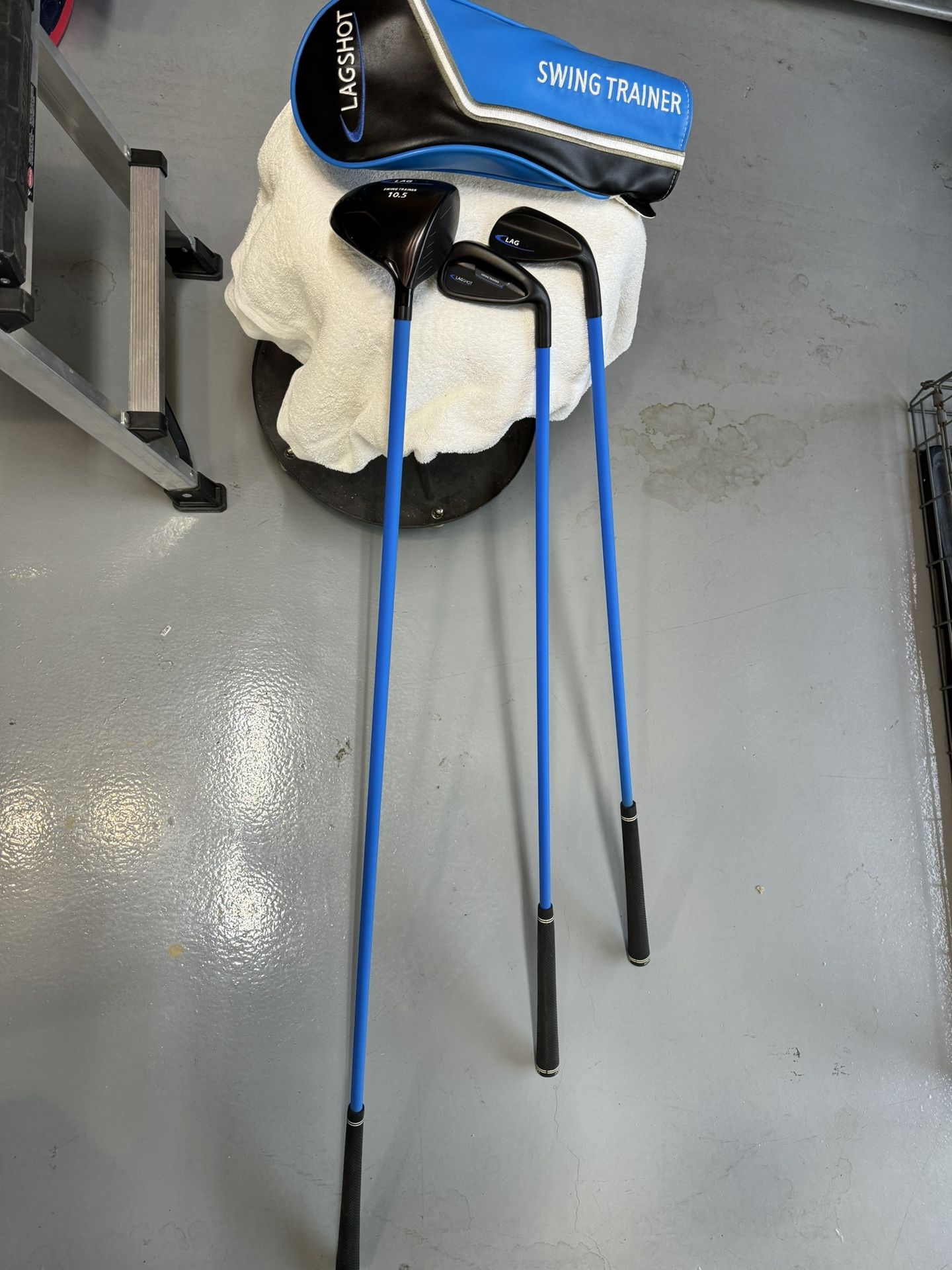
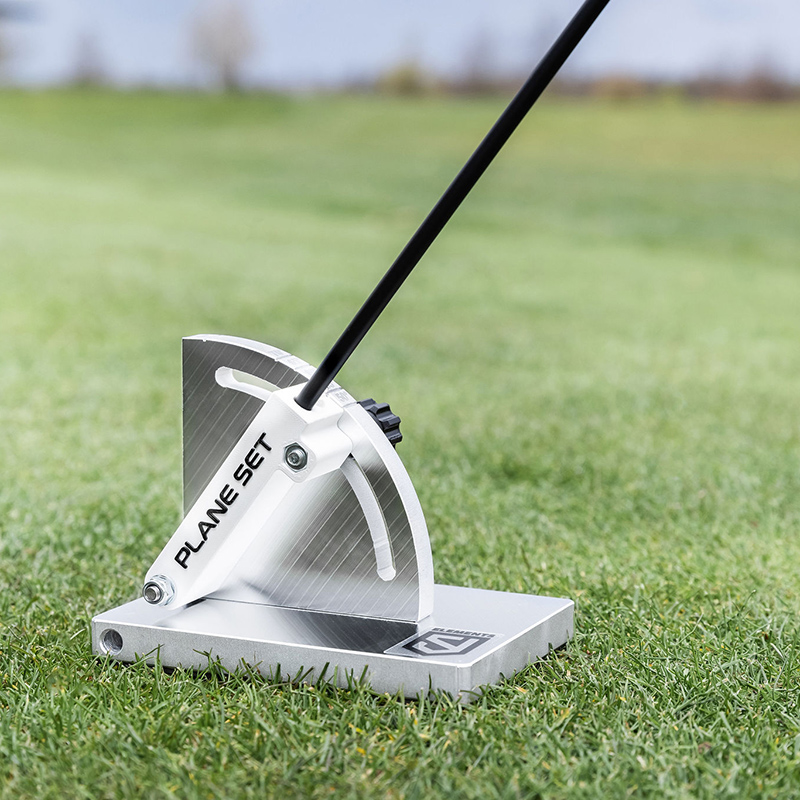
Mechanical trainers use physical parts to guide your swing. They help with swing path and tempo. Many have adjustable settings for different skill levels. These trainers often include weighted clubs or swing arms. They provide strong feedback by forcing your body to move correctly.
Digital And Smart Trainers
Digital trainers use sensors and software to track your swing. They give instant feedback on speed, angle, and position. Some connect to apps for detailed analysis. These trainers help spot small mistakes easily. They are great for tech lovers who want data-driven training.
Portable And Compact Options
Portable trainers are easy to carry and use anywhere. They are usually small and lightweight. Perfect for practice at home, office, or travel. These trainers focus on key swing elements like grip and swing plane. Great for golfers with busy schedules or limited space.
Key Features To Look For
Choosing the right golf swing trainer makes a big difference in your practice. The trainer must fit your needs and skill level. Certain features help you get the best results and improve your swing faster. Focus on these key features before buying.
Adjustability And Customization
A good trainer should adjust to your height and swing style. Custom settings let you practice different types of swings. You can change angles, resistance, or length. This flexibility helps you learn better and avoid injury. Choose a trainer that adapts as you improve.
Feedback And Analysis Tools
Feedback is essential to track progress. Some trainers have sensors or apps that show your swing speed and path. Real-time feedback helps correct mistakes quickly. Look for tools that are easy to use and understand. Clear data keeps you motivated and focused.
Durability And Build Quality
A sturdy golf trainer lasts longer and handles regular use. Check the materials and construction before buying. Metal parts and strong plastics resist wear and tear. A durable trainer saves money and keeps your practice consistent. Avoid cheap models that break easily.
Choosing The Right Trainer For Your Skill Level
Choosing the right golf swing trainer depends on your skill level. Different trainers suit different players. A good fit helps improve your swing effectively. Picking the right one saves time and effort. It makes practice more enjoyable and productive.
Beginners
Beginners need simple trainers that teach basic swing mechanics. Look for trainers that guide your grip, stance, and tempo. Lightweight and easy-to-use trainers help build confidence. Avoid complex devices with many settings. Focus on developing consistent and smooth swings first.
Intermediate Players
Intermediate players benefit from trainers that focus on swing path and angle. Choose trainers with feedback features to correct mistakes. Tools that help improve timing and rhythm work well. Trainers that challenge your current skills keep you motivated. Look for options that track progress over time.
Advanced Golfers
Advanced golfers require detailed trainers that analyze swing speed and power. High-tech devices with sensors provide precise data. Trainers that simulate real course conditions offer great practice. Select trainers that help fine-tune every part of your swing. Focus on tools that enhance control and consistency.
Budget Considerations
Choosing the right golf swing trainer depends on your budget. Knowing how much you want to spend helps narrow your choices. Trainers come in many price ranges. Each offers different features and benefits. Planning your budget first saves money and stress later.
Affordable Options
Affordable golf swing trainers suit beginners and casual players. They usually cost less than $50. These trainers focus on basic swing mechanics. They help improve timing and rhythm. Many are simple to use and carry. Perfect for those who want to practice at home or park.
Premium Trainers
Premium trainers cost over $100 and offer advanced features. Some include sensors and apps for feedback. They track swing speed, angle, and tempo. These tools help serious players analyze their swings deeply. Premium models often come with detailed instructions and videos. Ideal for golfers aiming to improve fast.
Value Vs. Cost
Choosing a trainer means balancing value and cost. A cheap trainer might lack useful features. An expensive one might offer more than needed. Think about your skill level and goals first. Decide what features matter most to you. Spend money on what improves your swing effectively. This way, your purchase stays smart and satisfying.
Tips For Effective Practice With A Swing Trainer
Using a golf swing trainer helps improve your skills faster. Practice with focus and clear plans. Small, steady steps bring better results. Follow these tips for effective practice with your swing trainer.
Setting Realistic Goals
Start with simple goals. For example, aim to improve your swing speed or accuracy in one week. Avoid setting goals that are too hard. Realistic goals keep you motivated and reduce frustration. Change goals as you improve to keep progress steady.
Incorporating Trainer Into Routine
Use the swing trainer regularly. Add it to your daily or weekly practice. Short, frequent sessions work better than long, rare ones. Practice at the same time each day to build a habit. Balance trainer use with real golf practice for best results.
Tracking Progress
Keep a practice journal or use a simple app. Write down what you worked on and your results. Note any changes in your swing or comfort level. Tracking progress shows improvement and areas needing work. It helps adjust your practice for steady growth.
Common Mistakes To Avoid
Choosing a golf swing trainer can greatly improve your skills. Avoiding common mistakes helps you get the best results. Many golfers make errors that slow their progress. Knowing what to avoid saves time and effort.
Overreliance On Technology
Some golfers depend too much on gadgets. Technology can give helpful data but does not replace practice. Focus on feeling your swing and making adjustments. Use devices as tools, not crutches.
Ignoring Proper Technique
Good trainers teach correct form and fundamentals. Avoid using a trainer without learning the right technique. Practicing wrong moves leads to bad habits. Always prioritize proper grip, stance, and swing path.
Neglecting Physical Conditioning
Golf needs strength, flexibility, and balance. Skipping fitness can limit your swing power and control. Include exercises that improve your core and legs. A strong body supports a better golf swing.
Frequently Asked Questions
What Features Should I Look For In A Golf Swing Trainer?
Look for adjustable resistance, real-time feedback, and durability. Ensure it fits your skill level and offers clear swing path guidance. Portability and ease of use also matter for consistent practice sessions.
How Does A Golf Swing Trainer Improve My Swing?
It helps develop muscle memory, corrects swing flaws, and improves timing. Regular use builds consistency and confidence. Trainers provide instant feedback to adjust your swing effectively.
Can Beginners Benefit From Golf Swing Trainers?
Yes, beginners gain better control, balance, and form. Trainers guide proper technique and prevent bad habits early. They make learning swings easier and faster.
Are Golf Swing Trainers Suitable For All Skill Levels?
Absolutely. Trainers come with various difficulty settings. Both amateurs and pros can customize practice to their needs. This versatility ensures ongoing improvement.
Conclusion
Choosing the right golf swing trainer takes some thought. Focus on what fits your skill level and goals. Check for ease of use and clear instructions. Durability and comfort matter during practice. Price should match your budget without sacrificing quality.
Try to pick a trainer that helps you improve steadily. Practice regularly and watch your swing get better. The right trainer supports your journey to play golf well. Keep it simple, stay patient, and enjoy the progress.


