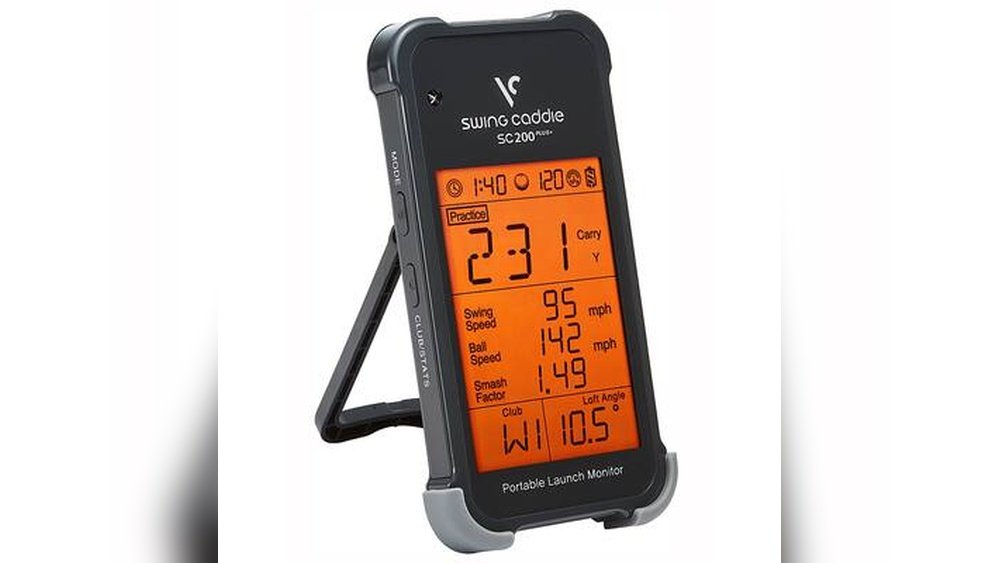
Are you looking to improve your golf swing but unsure if electronic swing trainers can really help? You might be wondering, do these devices actually track your swing data accurately?
Understanding how these trainers work and what kind of information they provide could be the key to boosting your game. Keep reading to discover how electronic swing trainers capture your swing details and why that matters for your progress. This knowledge will help you choose the right tool to sharpen your skills faster and smarter.

How Electronic Swing Trainers Work
Electronic swing trainers help golfers improve by tracking their swings. They use smart tools to collect data about each swing. This information helps players see their strengths and weaknesses. Understanding how these devices work makes it easier to use them well.
Sensors And Technology Used
Most swing trainers have sensors that catch motion and speed. These sensors include accelerometers, gyroscopes, and magnetometers. They measure the angle, tempo, and force of the swing. Some devices also use cameras or infrared technology. These tools capture detailed movement and position.
Many trainers connect to smartphones or tablets. This lets users see real-time data and videos. The technology is designed to be light and easy to wear. It fits on the club or the golfer’s body.
Data Collection Methods
Sensors collect raw data during each swing. This data is sent to an app or device for analysis. The software processes the information to show swing speed, path, and timing. Some trainers break down each phase of the swing.
Users get feedback in numbers, charts, or videos. This helps them understand what to improve. Data is stored over time to track progress. The system also allows sharing data with coaches or friends.
Types Of Swing Data Tracked
Electronic swing trainers track many types of swing data. This information helps golfers improve their technique. The devices provide clear numbers and feedback to guide practice. Understanding the key data types explains how these trainers work.
Swing Speed And Tempo
Swing speed measures how fast the club moves during the swing. It shows power and distance potential. Tempo tracks the rhythm between backswing and downswing. A smooth tempo helps create better shots. Electronic trainers give real-time speed and tempo readings.
Swing Path And Angle
Swing path shows the direction of the club’s travel. It reveals if the club moves inside, outside, or straight. Swing angle measures the tilt of the clubface and shaft. These details affect shot direction and ball flight. Trainers help spot flaws in path and angle.
Clubface Position
Clubface position tracks how the clubface points at impact. It can be open, closed, or square to the target. This affects ball spin and shot accuracy. Electronic trainers provide data on clubface angle for better control. Golfers use this to correct their aim and improve shots.
Accuracy Of Data Measurement
Electronic swing trainers capture data about your golf swing. Their accuracy matters a lot. Accurate data helps players improve by showing real strengths and weaknesses. This section explores how accurate these devices are and what affects their measurements.
Factors Affecting Accuracy
Several factors influence the accuracy of swing data. Sensor quality plays a key role. Higher-quality sensors collect more precise information.
Placement of the device also matters. Incorrect placement can cause errors in data reading. Environmental conditions like lighting and interference impact the sensors too. User movement consistency affects results as well.
Comparisons With Professional Equipment
Professional golf trainers use advanced technology for precise data. These systems often use multiple cameras and sensors. Electronic swing trainers for home use offer good data but with limits.
They cannot match the fine detail of pro equipment. Still, they provide enough accuracy for casual players. This makes them helpful tools for practice and improvement.
Benefits Of Using Electronic Swing Trainers
Electronic swing trainers offer valuable help for golfers of all levels. They collect data on your swing and give clear information. This helps you understand your strengths and weaknesses quickly. These tools make practice more focused and effective.
Using an electronic swing trainer can speed up your learning process. You get exact details about your swing that you might not see otherwise. This data helps you adjust your technique step by step.
Real-time Feedback
Electronic swing trainers provide feedback instantly during your swing. You see data on speed, angle, and path right away. This allows you to correct mistakes as you practice. Immediate feedback helps you make quick improvements. It keeps your training sessions more productive and engaging.
Improving Swing Consistency
Consistency is key for better golf swings. Electronic trainers track each swing with precision. They help you notice patterns and repeated errors. By using the data, you can work on making your swing more uniform. This leads to better shots and lower scores over time.
Limitations To Consider
Electronic swing trainers offer valuable data for improving your swing. Still, they have some limits. Knowing these helps you use the device better and avoid mistakes. Below are key factors that may affect the accuracy and reliability of swing data.
Environmental Influences
Weather conditions can affect sensor performance. Rain or strong wind may cause errors in data collection. Bright sunlight can interfere with optical sensors. Uneven ground or obstacles near the sensor also reduce accuracy. These factors can lead to less reliable swing data.
Device Calibration And Maintenance
Proper calibration is essential for accurate readings. Without regular calibration, the device may give wrong data. Dirt, dust, or damage to the sensors can affect performance. Cleaning and checking the device often helps keep it working well. Neglecting maintenance lowers data quality and device lifespan.

Choosing The Right Swing Trainer
Choosing the right swing trainer matters a lot. It affects how you learn and improve. Not all swing trainers offer the same features or suit every player. Picking one that fits your needs helps you get better faster.
Features To Look For
Some swing trainers track your swing data. They measure speed, angle, and tempo. This data helps you understand your swing better. Other trainers focus on form and muscle memory. Look for trainers with clear feedback and easy setup. Portability and durability also matter. The best trainers feel comfortable and fit your style.
Budget And User Level
Price varies from basic to advanced models. Beginners may want simple, affordable options. Experienced players might prefer detailed data and extra features. Think about how much you want to spend. Choose a trainer that matches your skill level. This way, you avoid paying for tools you don’t need. A good fit helps you practice effectively.
User Experiences And Reviews
User experiences and reviews offer real insight into how electronic swing trainers perform. Many users share their thoughts on accuracy, ease of use, and overall value. These reviews help others decide if the device meets their needs. Reading a variety of opinions reveals common strengths and weaknesses.
Common Praise
Many users appreciate the detailed swing data these devices provide. They like how easy it is to connect the trainer to smartphones or tablets. The instant feedback helps golfers understand their swing better. Users often mention improved practice sessions thanks to clear metrics. The portability of these trainers also receives positive comments.
Reported Issues
Some users report occasional difficulties with data accuracy. A few mention trouble syncing the trainer with their apps. Battery life can be a concern for others, especially during long practice times. Some find the device’s setup confusing at first. A small number feel the data can be overwhelming without guidance.

Frequently Asked Questions
Do Electronic Swing Trainers Accurately Track Swing Data?
Yes, most electronic swing trainers use sensors to capture precise swing data like speed, angle, and tempo. This helps golfers analyze and improve their swings effectively.
What Types Of Swing Data Do These Trainers Record?
They typically record metrics such as swing speed, club path, face angle, tempo, and sometimes impact position. These insights help refine your technique and consistency.
Can Electronic Swing Trainers Improve My Golf Performance?
Absolutely. By providing instant feedback on swing mechanics, they help identify flaws and track progress. Consistent use leads to better control and power in your swing.
Are Swing Data Readings Reliable Across Different Devices?
While accuracy varies, high-quality trainers offer consistent and reliable data. It’s best to choose devices with good reviews and proven sensor technology for precise measurements.
Conclusion
Electronic swing trainers do track swing data to help improve skills. They record important details like speed, angle, and tempo. This data shows where your swing is strong and where it needs work. Using these trainers regularly can help you practice smarter, not harder.
They offer clear feedback without confusing numbers or jargon. Swing trainers make tracking progress simple and easy. Whether beginner or experienced, they provide useful information. This helps keep training focused and effective. Overall, these devices support steady improvement in your swing.


