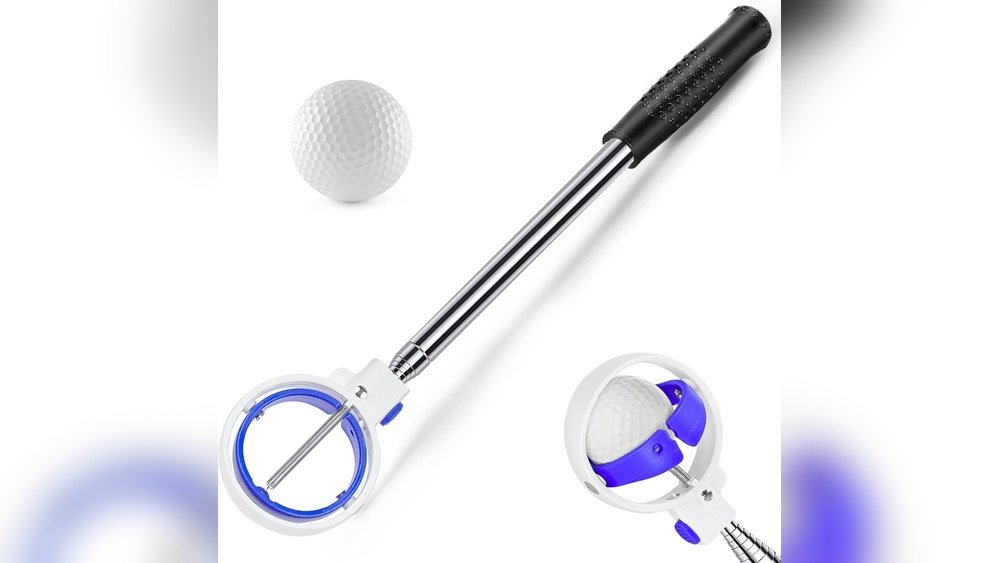
Have you ever lost a golf ball in a pond or a tricky spot and wished you had an easy way to get it back? That’s where telescopic golf ball retrievers come in.
But before you buy one, you might be wondering: are these retrievers actually durable? You want a tool that won’t break the first time you use it, right? You’ll discover what makes a telescopic golf ball retriever strong and reliable.
By the end, you’ll know exactly what to look for to get the best one for your game—and save your balls without hassle. Keep reading to find out if these handy gadgets can stand the test of time.
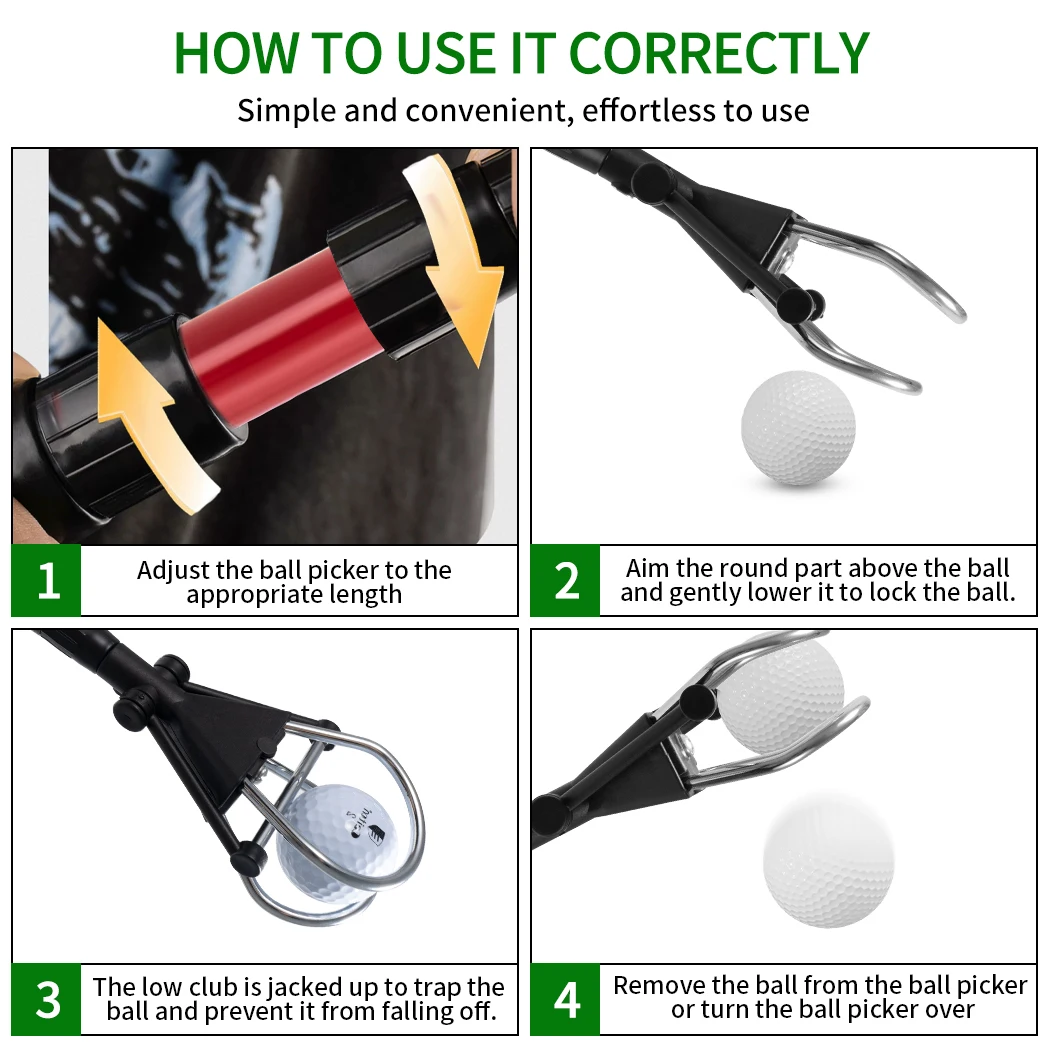
Telescopic Golf Ball Retriever Basics
Telescopic golf ball retrievers help golfers recover lost balls from water or hard-to-reach places. They extend in length by sliding sections out. This makes reaching deep spots easier without bending or wetting clothes. The retriever is lightweight and easy to carry in a golf bag.
Most retrievers have a scoop or a small basket at the end. This holds the ball firmly during retrieval. They come in different lengths to suit various needs. Some models also fold or collapse for compact storage.
Key Features
Telescopic retrievers have a few important features. The extendable shaft allows reaching far distances. The handle offers a good grip for control. The scoop or basket securely holds the golf ball. Some retrievers have a locking system to keep the length fixed. Many designs focus on being lightweight yet strong. Portability is key, so most retrievers collapse to a small size.
Materials Used
Most telescopic retrievers use aluminum for the shaft. Aluminum is light and resists rust. Some models use stainless steel, which is heavier but very strong. The scoop or basket often uses plastic or rubber. These materials protect the ball from scratches. Handles are usually covered with foam or rubber for comfort. Quality materials increase the retriever’s lifespan and durability.
Durability Factors To Consider
Durability is a key factor when choosing a telescopic golf ball retriever. This tool needs to last through many rounds and tough conditions. Understanding what makes a retriever strong helps you pick the right one. Three main points affect its durability: build quality, joint strength, and corrosion resistance.
Build Quality
The material used in a retriever affects its strength and weight. High-quality aluminum or stainless steel offers a good balance of durability and lightness. Cheap plastic parts can break easily and reduce the tool’s lifespan. Solid construction means the retriever can handle rough use on the course.
Joint Strength
Telescopic retrievers have several joints that extend and collapse. Strong joints keep the retriever stable and prevent wobbling. Weak joints may loosen or break after repeated use. Look for retrievers with reinforced locking mechanisms to ensure firm, reliable extension.
Corrosion Resistance
Golf courses are often wet or dewy, so corrosion resistance is crucial. Materials like stainless steel resist rust and keep the retriever working smoothly. Coatings or anodizing on metal parts add extra protection. A rust-free retriever lasts longer and stays easy to use.
Common Durability Issues
Telescopic golf ball retrievers help golfers recover balls from hard-to-reach places. Despite their usefulness, these tools face durability challenges. Understanding common durability issues can help users choose and maintain retrievers better.
Weak Connections
Connections between sections often weaken over time. Joints may loosen with repeated extending and collapsing. Weak connections cause the retriever to feel unstable or bend easily. Poorly made joints can break during use, especially under pressure.
Wear And Tear
Frequent use causes wear on moving parts. The telescoping mechanism can get stuck or slide poorly. Repeated pulling and pushing wears down materials. Scratches and dents may appear on the surface. These signs reduce the retriever’s lifespan and performance.
Rust And Corrosion
Exposure to water and moisture leads to rust and corrosion. Many retrievers have metal parts vulnerable to these problems. Rust weakens the metal, making it brittle and less reliable. Corrosion can jam the telescoping sections, making extension difficult. Regular cleaning and drying help prevent these issues.

Top Brands And Their Durability
Top brands in telescopic golf ball retrievers focus on durability and ease of use. These brands use strong materials that last long, like aluminum and stainless steel. Their products resist rust and bending, even after many uses. Quality control helps keep the parts working smoothly. Many golfers trust these brands for reliable performance during play.
Choosing a durable retriever means fewer replacements and better value. These brands also design their products to fold or extend easily. This makes carrying and storage simple. The right brand gives confidence on the course with a sturdy retriever that works every time.
Brand Comparisons
Some top brands include Callaway, Pinemeadow, and PGM. Callaway uses strong metal and secure grips. Their retrievers extend smoothly and lock firmly. Pinemeadow offers lightweight models that still feel tough. PGM focuses on rust-proof coatings for wet conditions. Each brand has unique features but all prioritize lasting materials. Comparing weight, length, and locking mechanisms helps find the best fit. Durability tests show most last through hundreds of uses without damage.
Customer Reviews
Users often praise Callaway for solid build quality and long life. Many say their retrievers resist bending and rust well. Pinemeadow gets high marks for easy handling and good durability at a lower price. PGM reviews highlight its performance in damp weather and strong frame. Some users note minor issues with locking parts, but these are rare. Overall, reviews confirm these brands produce reliable, durable retrievers that meet golfers’ needs.
Tips To Extend Lifespan
Extending the lifespan of telescopic golf ball retrievers helps save money and keeps them working well. Simple care and smart storage make a big difference. Follow these tips to keep your retriever strong and reliable for many rounds of golf.
Proper Maintenance
Clean the retriever after each use. Remove dirt, grass, and sand from the pole and scoop. Use a damp cloth and mild soap. Dry it fully to stop rust or mold.
Check for loose parts or damage before every game. Tighten screws and fix small problems quickly. This prevents bigger issues later. Lubricate the joints lightly to keep the extension smooth. Avoid heavy oil that attracts dirt.
Storage Recommendations
Store the retriever in a dry place. Keep it away from moisture and direct sunlight. A golf bag or closet shelf works well. Avoid leaving it in a wet car trunk or outside.
Retract the pole fully before storing. This protects the sections from bending or breaking. Use a soft cover or pouch for extra protection. Proper storage prevents wear and extends the retriever’s life.
When To Replace Your Retriever
Knowing when to replace your telescopic golf ball retriever helps keep your game smooth. Over time, wear and tear can reduce its usefulness. Regular checks ensure you don’t struggle during a round. Recognizing the signs helps you decide the right time to get a new one.
Signs Of Damage
Look for cracks or bends in the retriever’s frame. Loose joints or broken locking mechanisms also signal damage. Rust on the metal parts means the retriever is weakening. A damaged net or ball holder reduces its ability to catch balls. These problems can make the retriever unreliable on the course.
Performance Decline
Notice if the retriever does not extend or retract smoothly. Difficulty in locking the retriever at the right length affects use. If it struggles to hold the ball firmly, performance is down. Frequent slipping or dropping of balls shows decline. Such issues slow down your game and cause frustration.
Frequently Asked Questions
Are Telescopic Golf Ball Retrievers Made Of Strong Materials?
Yes, most telescopic golf ball retrievers use durable materials like stainless steel or aluminum. These materials resist rust and wear, ensuring long-lasting use on the golf course.
How Long Do Telescopic Golf Ball Retrievers Typically Last?
A quality telescopic retriever can last several years with proper care. Regular cleaning and storage prevent damage, maintaining its durability over time.
Can Telescopic Golf Ball Retrievers Withstand Rough Handling?
Yes, many models are designed to handle rough use. Their sturdy construction and reinforced joints help them resist bending or breaking during retrieval.
Do Telescopic Golf Ball Retrievers Resist Rust And Corrosion?
Most premium retrievers have rust-resistant coatings or are made from corrosion-proof materials. This feature helps maintain their strength in wet or humid conditions.
Conclusion
Telescopic golf ball retrievers often last through many rounds of play. Their metal build helps resist bending and breaking. Some models use strong materials like aluminum or stainless steel. Proper care also keeps them working well longer. They fold small, so carrying is easy and safe.
Durability depends on quality and how you use them. Most golfers find them reliable for retrieving balls from water or rough spots. Choosing one with good reviews helps ensure a lasting tool. Overall, these retrievers offer practical durability for everyday golf needs.


