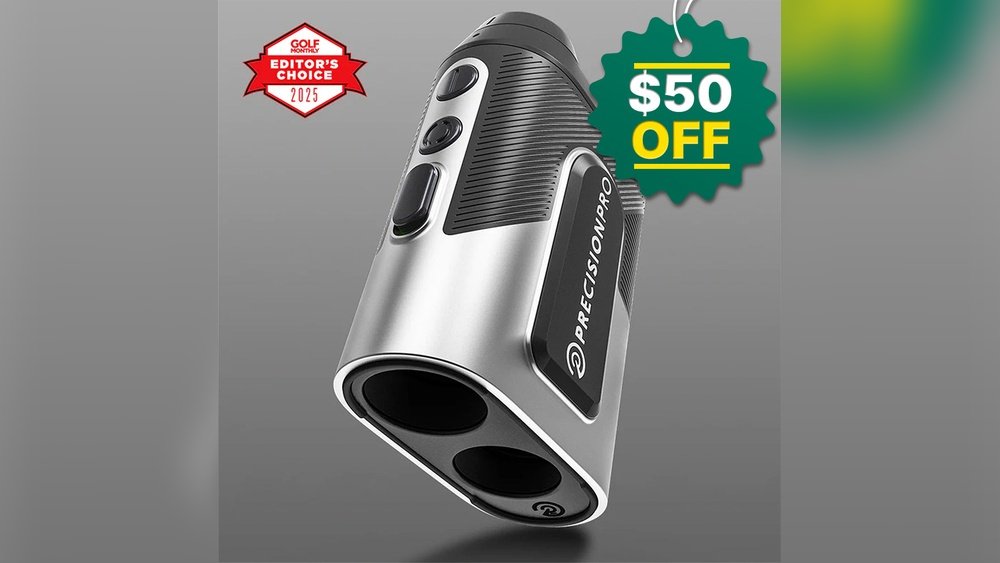
Have you ever wondered how golfers know the exact distance to the flag or hazard? That’s where a golf rangefinder comes in.
This simple device can change the way you play by giving you precise measurements on the course. Imagine hitting your shots with confidence, knowing exactly how far you need to go. If you want to improve your game and lower your scores, understanding what a golf rangefinder is and how it works is the first step.
Keep reading to discover how this tool can become your best companion on the green.

Golf Rangefinder Basics
Golf rangefinders help golfers measure distance on the course. They provide accurate readings to improve shot choices. Understanding the basics of golf rangefinders helps players use them well. This section explains what a rangefinder does and the common types available.
What A Rangefinder Does
A golf rangefinder measures the distance from a golfer to a target. Targets can be the flag, hazards, or other points on the course. It uses lasers or GPS technology to find the exact yardage. This helps golfers choose the right club for each shot. Rangefinders save time and reduce guesswork during play.
Types Of Golf Rangefinders
Two main types of golf rangefinders exist: laser and GPS. Laser rangefinders use a laser beam to measure distance to specific targets. They are precise and work well on clear days. GPS rangefinders use satellite data to show distances to hazards and greens. They often include course maps and can track your position. Some devices combine both laser and GPS features for added convenience.
How Rangefinders Improve Accuracy
Rangefinders help golfers play better by giving clear, exact distances. This tool cuts guesswork. It shows how far the ball is from the target. Accuracy improves by knowing the exact range. This helps choose the right club and swing power.
Measuring Distance To The Target
Rangefinders use laser or GPS to find the distance. Point the device at the flag or target. It quickly shows the distance in yards or meters. This removes errors from guessing or pacing. Players can focus on their shot with confidence.
Adjusting For Slope And Elevation
Some rangefinders include slope measurement. They calculate the rise or fall of the land. This helps adjust the shot for uphill or downhill lies. Elevation changes affect the ball’s flight and distance. Knowing this helps pick the right club and swing strength.
Choosing The Right Rangefinder
Choosing the right golf rangefinder can improve your play and confidence on the course. Picking a tool that fits your needs makes a big difference. Consider what features matter most and how much you want to spend. This guide helps you find the best rangefinder for your game.
Key Features To Consider
Accuracy is the top feature. A good rangefinder gives precise distance readings. Look for models with clear displays for easy reading. Some rangefinders offer slope measurements to adjust for hills. Check battery life to avoid running out during play. Size and weight matter for comfort and ease of use. Waterproof or weather-resistant devices handle all conditions better.
Budget Vs. Performance
Rangefinders come in many price ranges. Basic models cost less but may lack advanced features. Higher-priced ones offer better accuracy and extra functions. Decide what features you need before spending more. Sometimes mid-range devices provide good balance between cost and quality. Avoid buying the cheapest model if accuracy is crucial. Spending a bit more often means better performance and durability.

Using A Golf Rangefinder Effectively
Using a golf rangefinder effectively helps improve your distance estimates on the course. It gives clear measurements to targets like the flag, bunkers, or hazards. Accurate distance helps pick the right club and make better shots.
Learning how to aim properly and adjust for different course conditions makes your rangefinder more useful. Small changes in how you use the device can lead to better results and lower scores.
Proper Aiming Techniques
Hold the rangefinder steady and line up the target clearly. Use the viewfinder to focus on the flag or desired object. Press the button to lock the distance. Avoid aiming at trees or other objects near the target. Take a few seconds to get a stable reading. Keep both eyes open to maintain depth perception. Practice aiming to get quick and accurate distances during play.
Tips For Different Course Conditions
On sunny days, glare can affect your view. Use your hand or a hat to block bright light. In fog or rain, wait for a clear line of sight. Rough or tall grass might hide the flag, so aim at visible landmarks nearby. On hilly courses, remember the rangefinder shows straight-line distance, not uphill or downhill. Adjust your club choice based on the slope. Wind does not affect the rangefinder but changes your shot, so factor that in separately.
Common Mistakes To Avoid
Using a golf rangefinder can improve your game, but mistakes can cause problems. Avoiding common errors helps you get the most from your device. Simple care and attention make your rounds easier and more fun.
Misreading Distances
One common mistake is misreading the numbers on the rangefinder. This can happen if you rush or do not aim carefully. Always take your time to focus on the target. Double-check the distance shown before choosing your club.
Another issue is confusing yards and meters. Make sure your rangefinder is set to the unit you prefer. Using the wrong unit leads to poor shots and lost strokes.
Ignoring Course Rules
Some golf courses have rules about using rangefinders. Ignoring these rules can cause trouble with other players or officials. Always ask or check the local guidelines before playing. Respect the rules to keep the game fair and friendly.
Using a rangefinder where it is not allowed may result in penalties. Follow the course’s instructions to avoid this. Knowing the rules shows good sportsmanship and keeps the game enjoyable for everyone.
Popular Rangefinder Models
Golf rangefinders help players measure distances on the course. They improve accuracy and speed up play. Many models exist, each with unique features. Choosing the right one depends on skill level and budget.
This section covers popular rangefinder models. It shows options for beginners and advanced players. Find a model that fits your needs and style.
Top Picks For Beginners
Beginner rangefinders are simple and easy to use. They offer clear readings without too many buttons. Affordable prices make them a smart choice for new golfers.
Some models include basic distance measurement and slope adjustment. These features help players learn the game better. Lightweight designs make carrying comfortable during rounds.
Popular beginner models often come with a clear display. They provide quick results for yardage to the flag. These tools help build confidence on the course.
Advanced Options For Pros
Advanced rangefinders offer more precise measurements and extra functions. They include features like pin-seeking technology and wind speed data. Pros use these tools for better shot planning.
Many models have vibration alerts and angle compensation. These help players adjust shots on uneven terrain. High-end rangefinders also offer longer battery life and rugged builds.
These devices are made for serious golfers who want detailed feedback. They enhance the playing experience with accurate and fast readings. Professionals trust them for competitive play.
Maintenance And Care
Taking care of your golf rangefinder helps keep it accurate and lasts longer. Regular maintenance prevents damage and ensures clear readings. Simple steps protect your device from dirt, dust, and moisture.
Cleaning Tips
Use a soft cloth to wipe the lens gently. Avoid using rough materials that can scratch it. Clean the body with a damp cloth, not too wet. Never use harsh chemicals or solvents on the device. After cleaning, dry the rangefinder with a dry cloth. Check for dirt inside the lens and blow it out carefully.
Storage Recommendations
Store your rangefinder in a cool, dry place away from direct sunlight. Keep it in a protective case to avoid drops and bumps. Remove batteries if you won’t use it for a long time. Avoid leaving the device in hot cars or damp areas. Proper storage helps keep the battery and electronics safe.
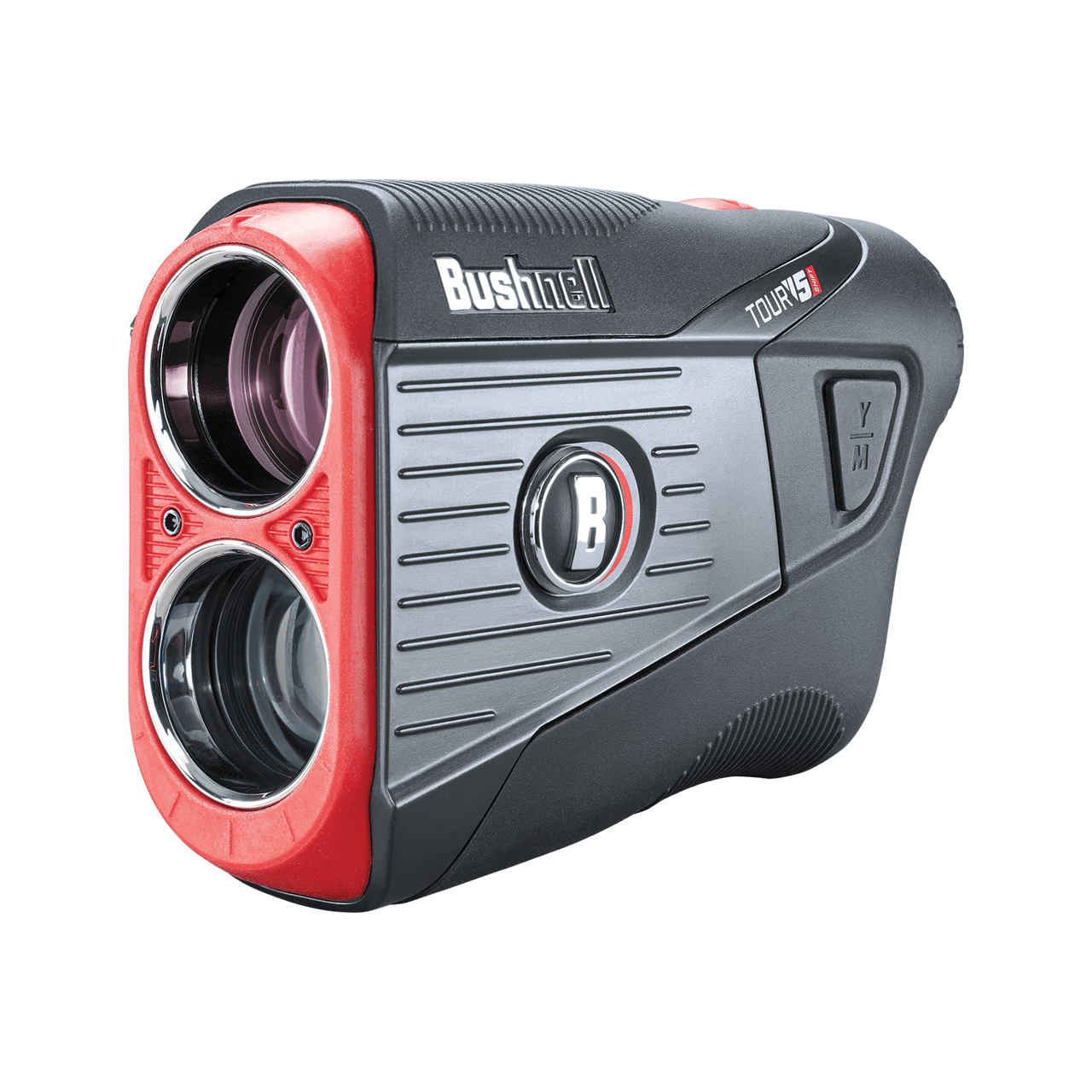
Frequently Asked Questions
What Is A Golf Rangefinder Used For?
A golf rangefinder measures the distance between you and the target. It helps improve shot accuracy. Golfers use it to select the right club and plan their shots better.
How Does A Golf Rangefinder Work?
A golf rangefinder uses laser or GPS technology to calculate distance. Laser models send a beam to the target and measure reflection time. GPS models use satellite data for precise yardages.
Are Golf Rangefinders Legal In Tournaments?
Most golf rangefinders are allowed if they only measure distance. Devices with slope or wind adjustments may be banned in official play. Always check tournament rules before using one.
What Types Of Golf Rangefinders Exist?
There are two main types: laser and GPS rangefinders. Laser models provide exact distances to specific targets. GPS models offer yardages for the whole course and hazards.
Conclusion
A golf rangefinder helps you measure distances on the course. It gives quick, clear information to improve your shots. Using one can boost your confidence and accuracy. Many golfers find it easy to carry and use. Understanding how it works can make golf more fun.
Try a rangefinder to see how it fits your play. Small tool, big help.