Have you ever lost a golf ball in a water hazard and wished you could just grab it without risking a soak or a costly replacement? You’re not alone.
Many golfers wonder if a golf ball retriever can actually reach those tricky spots in the water. If you’ve faced the frustration of watching your ball disappear and felt stuck, this article is for you. Keep reading, and you’ll discover how to get your golf balls back safely and easily, saving you time and money on the course.

Golf Ball Retriever Basics
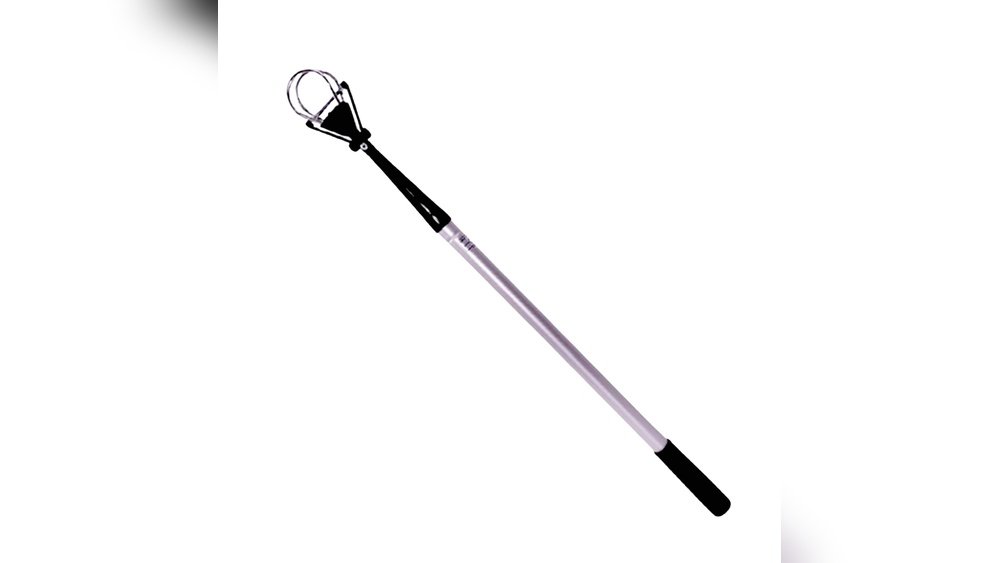
A golf ball retriever is a handy tool for golfers. It helps recover balls lost in tricky spots. Water hazards are common trouble areas on golf courses. A good retriever can reach into these hazards safely. Understanding the basics of golf ball retrievers makes a big difference.
This section explains the types of retrievers and their key features. Knowing this helps choose the right tool for the water hazards you face.
Types Of Retrievers
Many types of golf ball retrievers exist. Some have a simple scoop at the end. Others come with a claw or basket to grab balls. Telescoping retrievers extend to reach far distances. Some models float on water to prevent sinking. Each type serves a different purpose on the course. Choose one that fits the hazards you often encounter.
Common Lengths And Materials
Retrievers come in different lengths. Most extend from 6 feet to over 16 feet. Longer retrievers reach deeper into water hazards. Shorter ones are lighter and easier to carry. Materials vary too. Aluminum is popular for being light and rust-proof. Fiberglass offers strength and resists bending. Some use plastic parts to reduce weight. A good retriever balances length and material for your needs.

Challenges Of Water Hazards
Water hazards on golf courses present unique challenges for retrieving lost balls. These hazards vary in size and shape, making it tough to predict how far a golf ball retriever can reach. Retrieving balls from water needs patience and the right tools. Understanding the limits helps golfers plan better and avoid frustration.
Depth And Reach Limitations
Most golf ball retrievers have a fixed length, often between 6 and 12 feet. Deep water hazards can exceed this length, making retrieval impossible. The deeper the water, the harder it is to see and grab the ball. Some retrievers have extendable poles, but they still have limits. Water depth and pole length create a natural boundary for ball retrieval.
Obstacles In Water
Water hazards often contain plants, mud, and rocks. These obstacles can block the retriever’s path. Sticks and debris may tangle with the retriever’s net or scoop. Murky water reduces visibility, making it tough to spot the ball. Moving water, like streams, can push the ball out of reach. All these factors add difficulty to retrieving golf balls from water hazards.
Expert Tips For Using Retrievers
Using a golf ball retriever can save time and frustration. Knowing expert tips helps you use it better. These tips improve your chances of reaching water hazards safely and effectively. Focus on simple steps that make retrieval easier and safer.
Techniques For Effective Retrieval
Extend the retriever fully before reaching out. This helps you reach balls deeper in water. Lower the retriever slowly to avoid splashing. Move the tool gently to catch the ball without losing it. Check the ball’s position from different angles. Use steady, slow movements to grab the ball firmly. Practice with your retriever in easy spots. This builds confidence for harder water hazards.
Safety Precautions
Always watch your footing near water hazards. Wet grass and mud can be very slippery. Avoid leaning too far over the water’s edge. Use a buddy to help watch your safety. Wear shoes with good grip to prevent slips. Do not enter deep water to retrieve balls. Use the retriever tool to keep yourself dry and safe. Stay aware of nearby golfers to avoid accidents.
Innovations In Retriever Design
Golf ball retrievers have evolved greatly over the years. New designs make it easier to reach balls in tough spots. Water hazards no longer mean lost balls. Modern retrievers are practical and user-friendly.
Extendable Poles
Extendable poles allow golfers to reach far distances. These poles can stretch several feet long. They help grab balls from deep water or thick bushes. Lightweight materials keep the poles easy to carry. Some models lock in place for stability.
Floating Features
Floating retrievers prevent the device from sinking. This feature is vital for water hazards. The retriever stays on the water surface for easy use. Foam or special plastics are common materials. Floating helps golfers retrieve balls faster and safer.
Alternatives To Retrieving From Water
Retrieving golf balls from water hazards can be tough and risky. Sometimes, using a retriever pole is not enough. Water may be too deep or full of plants. There are safer and smarter ways to get your ball back. These options reduce danger and save effort. They also protect the environment and keep your game smooth.
Using Drones Or Remote Devices
Drones offer a new way to find golf balls in water. They fly over hazards and spot balls from above. Some drones have cameras that zoom in for a clear view. Remote-controlled devices can reach deep or hard spots. These tools help avoid wet clothes or slipping. They also work fast and can cover wide areas.
When To Let Go
Not every ball is worth the risk. Sometimes, leaving it behind is the best choice. If the water is deep or dangerous, do not try to retrieve it. Losing one ball is better than losing safety. Know when to walk away and keep playing. This saves time and avoids injuries. The game is more important than one ball.

Frequently Asked Questions
Can A Golf Ball Retriever Reach Deep Water Hazards?
Most golf ball retrievers can extend up to 12 feet, allowing them to reach many shallow water hazards. However, very deep hazards may require specialized or longer retrievers for effective ball retrieval.
Are Telescopic Golf Ball Retrievers Effective In Water?
Yes, telescopic retrievers are designed to extend and retract easily, making it simple to reach balls in water hazards. Their lightweight, waterproof materials enhance usability and durability during water retrieval.
What Materials Make Golf Ball Retrievers Suitable For Water?
Golf ball retrievers made from corrosion-resistant materials like aluminum and stainless steel work best in water. These materials prevent rust and increase the tool’s lifespan, ensuring reliable performance near or in water hazards.
How Do I Safely Use A Golf Ball Retriever In Water Hazards?
Extend the retriever slowly and avoid sharp or heavy debris in the water. Always check the depth and water conditions before attempting to retrieve to prevent accidents or damage.
Conclusion
Golf ball retrievers can often reach water hazards, depending on their length. Most retrievers extend enough to grab balls near the edge. Deep or wide water hazards may be harder to reach safely. Always choose a retriever that suits your needs and course layout.
Using one helps save money and keeps the game fun. Practice using the tool to avoid accidents or damage. Overall, a retriever is a useful tool for many golfers. It makes retrieving balls easier and safer around water hazards.


