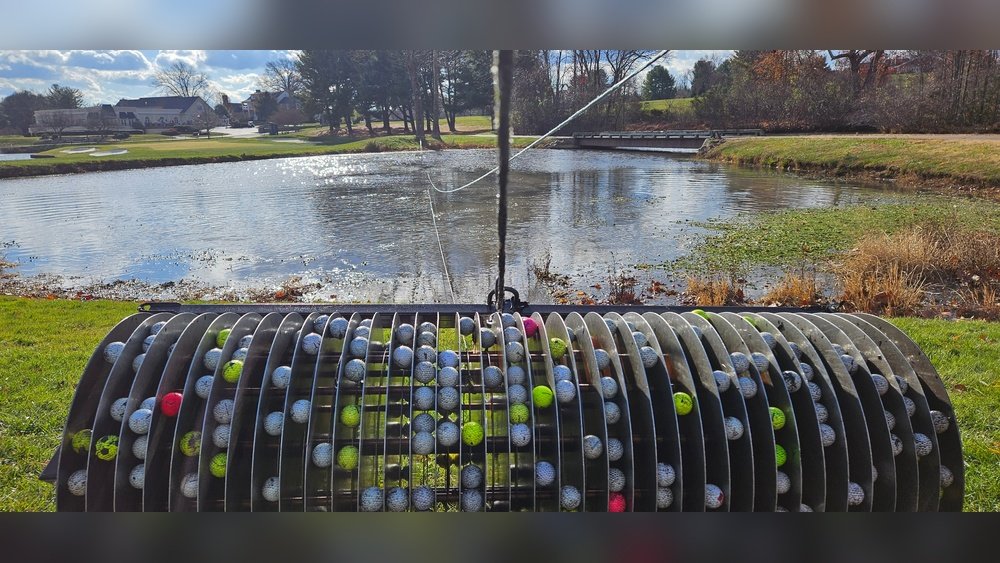
Are you tired of your golf ball retriever getting stuck or breaking just when you need it most? Keeping your retriever in top shape can save you time, money, and frustration on the course.
In this guide, you’ll discover simple and effective ways to maintain your golf ball retriever so it works smoothly every time you reach for it. Whether you’re a casual player or a golf enthusiast, these easy tips will help you extend the life of your tool and improve your game experience.
Keep reading to learn how to care for your golf ball retriever like a pro!
Choosing The Right Retriever
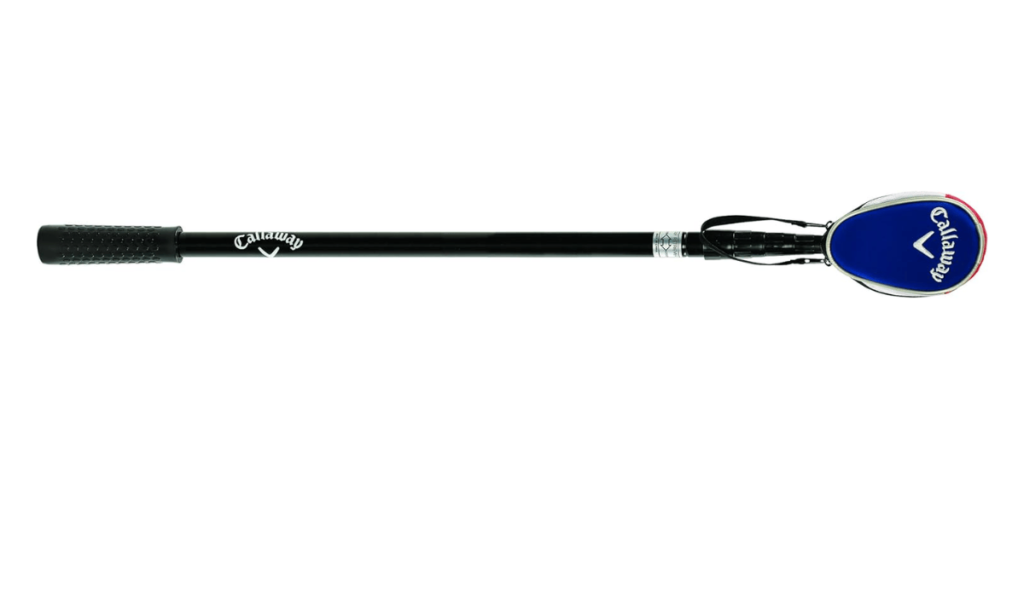
Choosing the right golf ball retriever is important for easy and quick retrieval. The right retriever saves time and effort on the golf course. It also lasts longer and works better in different situations.
Materials And Build Quality
Good materials make the retriever strong and light. Stainless steel and aluminum are common choices. They resist rust and bending. Plastic parts should be durable and thick. Check for solid joints and smooth finishes. A well-built retriever feels sturdy in your hands.
Types Of Retrievers
There are different types for different needs. Telescopic retrievers extend to reach far balls. Collapsible ones are easy to carry in your bag. Some have a scoop design to grab balls quickly. Choose a type that fits your usual golf style.
Features To Consider
Look for a retriever with a comfortable handle grip. A locking mechanism keeps the retriever at the right length. Lightweight models reduce arm fatigue during use. Some retrievers float, useful for water hazards. Simple designs often work better than complex ones.
Cleaning Your Retriever
Cleaning your golf ball retriever keeps it working well and lasts longer. Dirt, sand, and grass can build up on the retriever. This can make it hard to use and reduce its life. Regular cleaning removes these elements and keeps the retriever smooth and ready.
Removing Dirt And Debris
Start by shaking off loose dirt and grass. Use a soft brush to clean tight spots. Avoid hard scrubbing that can damage the retriever’s surface. Rinse with water to wash away remaining dirt. Check for stuck debris and remove it carefully by hand.
Using Mild Cleaning Agents
Use mild soap or dish detergent mixed with water. Avoid harsh chemicals that can harm the retriever’s material. Dip a cloth or sponge in the soapy water. Gently wipe the retriever to remove grime. Rinse thoroughly with clean water to remove soap residue.
Drying Techniques
Dry your retriever with a soft towel after cleaning. Let it air dry completely before storing. Avoid direct sunlight to prevent material damage. Ensure no moisture stays trapped to stop rust or mold. Store the retriever in a dry, cool place for best care.
Storing For Durability
Proper storage is key to keeping your golf ball retriever in good shape. It helps avoid damage and extends its life. Store it carefully to make sure it works well each time you need it.
Ideal Storage Conditions
Store the retriever in a cool, dry place. Avoid areas with high heat or cold. Keep it away from clutter to prevent bending or breaking. Use a dedicated spot to find it easily and keep it safe.
Avoiding Moisture Damage
Moisture causes rust and weakens parts. Dry the retriever fully before storing. Use a cloth to wipe off water or dirt. Store it where humidity is low to keep metal parts strong.
Protecting From Sun Exposure
Sunlight can damage plastic and fade colors. Keep the retriever out of direct sunlight. Choose a shaded area or inside storage. This prevents cracking and keeps it looking new longer.
Maintaining Moving Parts
Maintaining the moving parts of your golf ball retriever is key to keeping it in good working order. Moving parts face the most stress and wear during use. Proper care helps avoid breakdowns and extends the tool’s life.
Regular checks and simple maintenance keep the retriever smooth and easy to use. Pay close attention to joints, extensions, and other parts that move or fold. Clean and treat these areas regularly to prevent rust and stiffness.
Lubricating Joints And Extensions
Apply lubricant to all joints and sliding extensions. Use a light oil or silicone spray for best results. Lubrication reduces friction and allows parts to move freely. Avoid heavy grease as it can attract dirt and dust. Lubricate after cleaning to keep parts smooth and quiet.
Checking For Wear And Tear
Inspect all moving parts for signs of damage or wear. Look for cracks, bends, or rust spots. Check if the extensions slide easily without sticking. Replace any worn parts to prevent failure during use. Early detection saves repair costs and keeps the retriever safe.
Tightening Loose Components
Check screws, bolts, and connectors for tightness. Loose parts cause wobbling and reduce effectiveness. Use a screwdriver or wrench to secure all fasteners firmly. Avoid over-tightening as this can strip threads or break parts. Tight components ensure stable and reliable operation.
Handling And Usage Tips
Handling and using your golf ball retriever correctly helps it last longer. Proper use also makes retrieving balls easier and safer. Follow these tips to keep your retriever in good shape and get the best results on the course.
Proper Extension Techniques
Extend the retriever slowly and carefully. Avoid quick or jerky movements. Make sure the pole locks firmly in place. This prevents slipping or collapsing during use. Only extend the retriever as far as needed. Overextending puts stress on the joints and can cause damage.
Avoiding Excessive Force
Use gentle pressure when reaching for balls. Do not push or pull hard against objects. Excessive force can bend or break the retriever. If a ball is stuck, try changing the angle. Pulling too hard can also damage the locking mechanism.
Using Retrievers In Different Terrains
Adjust your approach based on the terrain. On muddy or wet ground, clean the retriever after use. Sand and dirt can cause wear over time. On rocky or uneven areas, move carefully to avoid bending the pole. Use the retriever slowly to keep control and avoid damage.

Troubleshooting Common Issues
Troubleshooting your golf ball retriever keeps it working well. Small problems can stop you from retrieving balls easily. Finding issues early saves time and money. Learn simple fixes to common problems.
Fixing Stuck Extensions
Extensions may stick after dirt or rust builds up. Clean the poles with a soft cloth. Use mild soap and water to remove grime. Dry the parts completely before use. Lightly apply silicone spray to the joints. Avoid oil-based lubricants that attract dirt. Gently pull and push the sections to loosen them. Repeat cleaning if needed until the extension moves smoothly.
Repairing Minor Damages
Minor cracks or bends can occur during use. Use strong tape to cover small cracks temporarily. Straighten bent poles by applying gentle pressure. Check the ball holder for cracks or broken parts. Replace broken rubber tips to avoid slipping. Tighten loose screws or bolts with a screwdriver. Regular inspection prevents damage from getting worse.
When To Replace Your Retriever
Replace the retriever if it no longer extends properly. Cracked or broken poles that cannot be fixed need replacement. If the ball holder is damaged beyond repair, buy a new one. Frequent repairs may cost more than a new retriever. Choose a retriever with durable materials for longer use. A good replacement saves frustration on the golf course.
Frequently Asked Questions
How Often Should I Clean My Golf Ball Retriever?
You should clean your golf ball retriever after every use. Wipe down the pole and scoop to remove dirt and debris. This prevents rust and keeps the retriever functioning smoothly. Regular cleaning extends the tool’s life and ensures optimal performance on the course.
What Is The Best Way To Dry A Golf Ball Retriever?
After cleaning, dry your golf ball retriever with a soft cloth. Avoid leaving it wet to prevent rust and corrosion. Air drying in a shaded area also works well. Proper drying keeps the metal parts in good condition and maintains durability.
How Do I Prevent Rust On A Golf Ball Retriever?
To prevent rust, always dry your retriever after use. Apply a light coat of lubricant on metal parts periodically. Store it in a dry place, away from moisture. These steps protect the retriever from rust and extend its lifespan.
Can I Use Wd-40 To Maintain My Golf Ball Retriever?
Yes, WD-40 is effective for protecting metal parts from rust. Spray a small amount on joints and metal surfaces after cleaning. It helps lubricate and prevents corrosion. Use WD-40 sparingly to maintain smooth operation of your retriever.
Conclusion
Maintaining your golf ball retriever keeps it working well. Clean it after each use to avoid dirt buildup. Check for damage regularly and fix small problems fast. Store it in a dry place to stop rust. Simple care extends the life of your retriever.
This helps you enjoy golf without interruptions. A well-kept retriever saves time and effort. Keep these tips in mind for best results. Your golf days stay smooth and stress-free.


