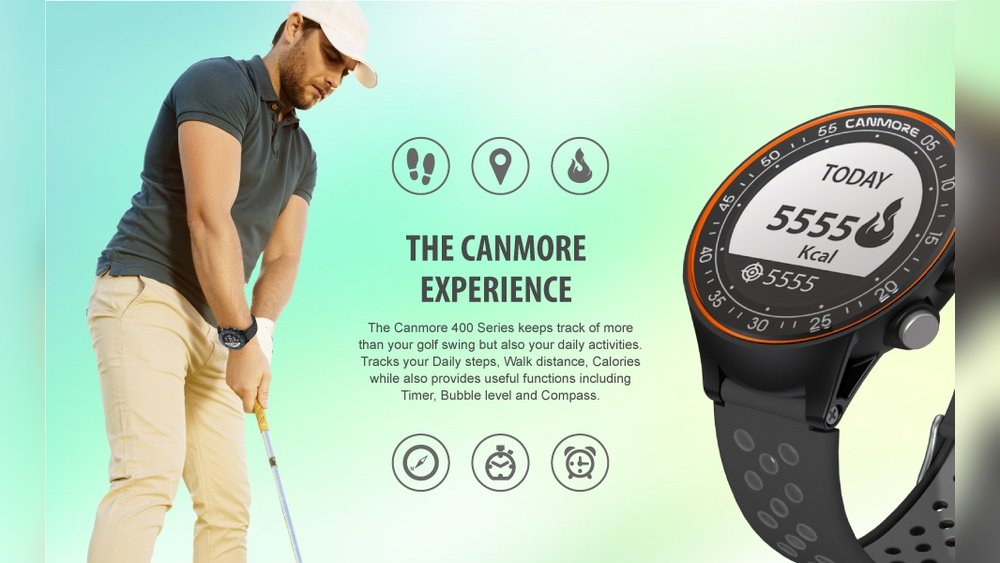
Are you curious if your GPS golf watch can do more than just track your game? Imagine having a single device that not only helps you improve your swing but also keeps an eye on your steps and heart rate throughout the day.
Knowing these extra details could change how you approach both your golf game and your overall health. If you want to discover whether your golf watch can double as a fitness tracker, keep reading. This article will reveal what your GPS golf watch really measures and how it can help you stay active and healthy on and off the course.
Gps Golf Watch Features
GPS golf watches offer many features designed for golf players. They provide useful data on the golf course. These watches help players improve their game. Besides golf, they often track health and fitness too.
Understanding the features of these watches helps users get the most out of them. Let’s explore the core functions and extra tracking capabilities they offer.
Core Functions For Golfers
GPS golf watches show distances to the green and hazards. They provide accurate yardage on each hole. Many include detailed course maps for thousands of golf courses worldwide. Players get real-time data to choose the right club.
Shot tracking is a popular feature. It records where shots land and measures shot distances. Some watches offer digital scorecards to keep track of scores easily. These tools assist players in making smarter decisions on the course.
Tracking Capabilities Beyond Golf
Most GPS golf watches also measure daily steps. This feature encourages users to stay active off the course. Heart rate monitoring is common, helping players track fitness levels. Some models include sleep tracking to improve overall health.
Many watches support other sports like running or cycling. They offer basic fitness tracking features. This makes the device useful beyond just golf. Users can monitor their health anytime, anywhere.

Step Counting Accuracy
Step counting accuracy is important for users of GPS golf watches. These devices track your daily activity, including how many steps you take. Accurate step counts help you monitor fitness and health better. Golf watches use sensors to detect movement and record steps. The quality of these sensors affects how precise the step count is.
How Steps Are Measured
GPS golf watches use built-in accelerometers to measure steps. These sensors detect motion by sensing changes in speed and direction. Every time your arm swings while walking, the watch counts it as a step. The watch filters out other movements to avoid false steps. Some golf watches combine GPS data to improve step counting during outdoor activities.
Factors Affecting Step Tracking
Step count accuracy depends on wrist movement and sensor sensitivity. Walking with a slow or uneven pace can reduce accuracy. Holding objects or pushing a cart may confuse the sensors. The watch’s position on your wrist also affects step detection. Firmware updates can improve step tracking algorithms over time.
Heart Rate Monitoring
Heart rate monitoring is a key feature in many GPS golf watches. It helps players track their fitness and stress levels during a round. Knowing your heart rate can improve your training and overall health.
Golf involves walking and some physical effort. A watch that monitors your heart rate keeps you informed about your body’s response. This data can guide better pacing and rest times.
Built-in Sensors And Technology
Most GPS golf watches include optical heart rate sensors. These sensors use light to measure blood flow under the skin. This method is non-invasive and works continuously during your game.
Some watches also use electrocardiogram (ECG) technology for precise readings. The sensors are built into the back of the watch face. This design keeps the watch comfortable and easy to wear all day.
Reliability During Physical Activity
Accuracy can vary based on movement and watch fit. A snug fit improves sensor contact with your skin. This helps deliver more reliable heart rate data while walking the course.
Strong sunlight or cold weather might affect sensor performance. Still, most golf watches provide consistent heart rate tracking during normal play. This makes them useful tools for monitoring your health on the course.
Benefits For Golf And Fitness
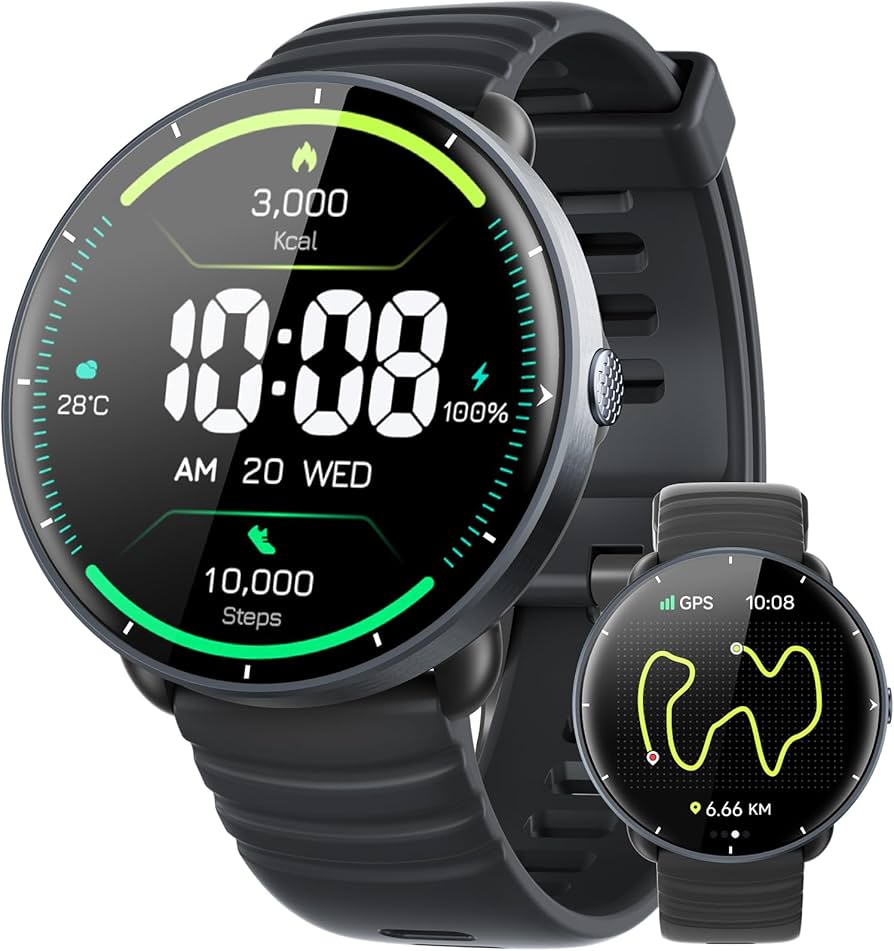
GPS golf watches do more than just track your location on the course. They also measure steps and heart rate. These features bring benefits for both golf and fitness. Understanding these advantages helps players improve their health and game.
Tracking steps shows how much you move during a round. Monitoring heart rate reveals how your body reacts to physical effort. Combining this data offers useful insights for players of all levels.
Improving Game Performance
Step tracking helps golfers see how far they walk on each hole. This information guides better pacing and energy use. Staying aware of heart rate helps manage stress during play. Keeping a steady heart rate can improve focus and shot accuracy. These watches give instant feedback, helping players adjust in real-time. Regular use can lead to smarter decisions on the course.
Health And Wellness Insights
Counting steps encourages players to stay active beyond golf. It promotes daily movement, which supports overall health. Heart rate monitoring shows fitness levels and recovery speed after exercise. Users can track progress and set realistic health goals. This data motivates users to improve both physical and mental well-being. Golf becomes part of a balanced, healthy lifestyle.
Choosing The Right Golf Watch
Choosing the right golf watch can improve your game and health tracking. Many golf watches now offer step counting and heart rate monitoring. These features help you stay active and understand your fitness during play. Picking the best watch depends on what features matter most to you.
Essential Features To Consider
Look for accuracy in GPS tracking and step counting. Heart rate sensors should work well during movement. Battery life is key for long rounds on the course. The watch should be easy to read and use. Waterproof or water-resistant models last longer outdoors. Compatibility with your smartphone helps sync data smoothly. Comfort matters; choose a watch that fits well on your wrist.
Popular Models With Step And Heart Rate Tracking
Garmin Approach S62 offers precise GPS and heart rate tracking. It also counts steps and tracks activity all day. The Bushnell Excel Golf GPS Watch combines step counting with golf features. It has a clear display and long battery life. SkyCaddie LX5 provides detailed course maps and fitness tracking. These models balance golf needs and health monitoring well.
Frequently Asked Questions
Can A Gps Golf Watch Track Steps Accurately?
Yes, most GPS golf watches include built-in step counters. They use accelerometers to measure your movement during play and walking, providing reliable step tracking for daily activity monitoring.
Do Gps Golf Watches Monitor Heart Rate Continuously?
Many GPS golf watches have optical heart rate sensors. They offer continuous heart rate monitoring to help track your fitness and stress levels on and off the course.
How Accurate Is Heart Rate Data On Golf Gps Watches?
Heart rate accuracy depends on sensor quality and fit. Most models provide reasonably precise readings suitable for general fitness and golf performance tracking.
Can I Use A Golf Gps Watch For Everyday Fitness Tracking?
Yes, golf GPS watches often double as fitness trackers. They measure steps, heart rate, and calories, making them useful beyond just golf rounds.
Conclusion
A GPS golf watch can track both steps and heart rate well. It helps golfers stay aware of their activity and health. These watches combine golf features with fitness tracking in one device. You don’t need extra gadgets on the course.
This makes them handy for players who want simple, clear data. Choosing a watch with these functions adds value to your golf routine. It supports better fitness and helps monitor your game progress. So, a GPS golf watch can do more than just golf tracking.


