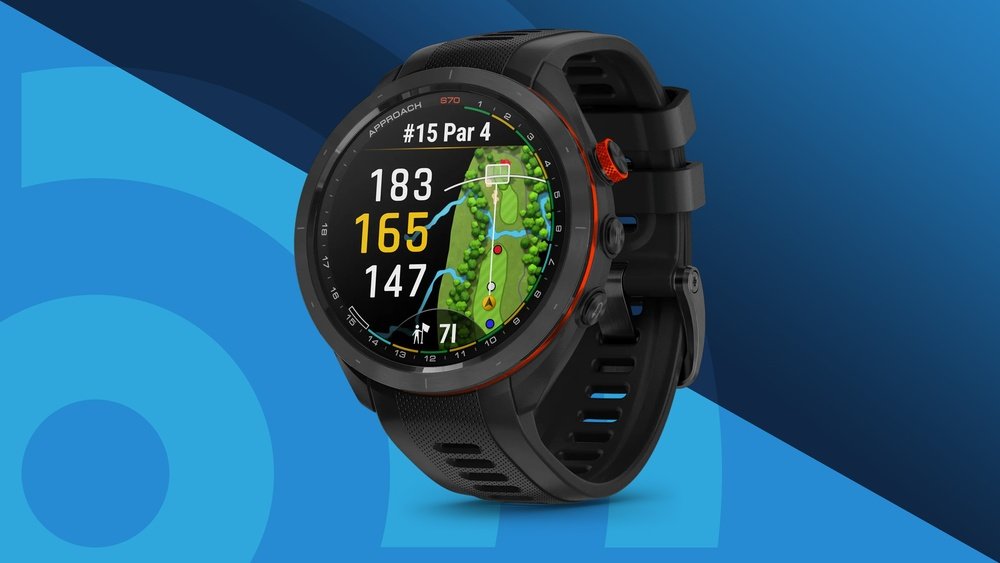
Are you wondering how long your GPS golf watch will truly last? Whether you’re a casual player or a serious golfer, knowing the lifespan of your device can save you money and frustration.
You rely on your GPS watch for accurate distances, course layouts, and game stats—but how durable is it over time? You’ll discover what affects your watch’s longevity, how to make it last longer, and when it might be time for an upgrade.
Keep reading to get the answers you need to protect your investment and improve your game.
Battery Life Expectations
Battery life is a key factor when choosing a GPS golf watch. It affects how long you can use the watch during your game and other activities. Understanding what to expect from the battery helps you plan better and avoid surprises on the course.
Average Battery Duration
Most GPS golf watches last between 10 and 20 hours on a single charge. This time is enough for a full round of golf. Some models offer longer battery life, up to 30 hours, especially in GPS mode. If you use the watch for everyday activities, the battery can last several days.
Factors Affecting Battery Life
Battery life depends on several things. Using GPS continuously drains the battery faster. Bright screen settings and frequent notifications also reduce battery time. Cold weather can lower battery performance. How often you use features like heart rate monitoring changes how long the battery lasts.
Charging Cycles And Battery Health
Each battery has a limited number of charging cycles. Over time, the battery holds less charge and runs out faster. Proper charging habits help keep the battery healthy. Avoid letting the battery die completely before charging. Regularly charging before full depletion extends battery life.
Durability And Build Quality
The durability and build quality of GPS golf watches greatly affect their lifespan. A watch that is well-made lasts longer and works better over time. The materials used, resistance to water and shocks, and how it handles daily use all matter. Understanding these factors helps you choose a watch that stays reliable on the course and beyond.
Materials Used In Gps Golf Watches
Most GPS golf watches use strong materials like stainless steel, aluminum, or plastic. Stainless steel is tough and resists scratches. Aluminum is lightweight yet sturdy. Plastic models are lighter and often less expensive but may wear faster. The watch screen often has glass or sapphire crystal. Sapphire crystal is very scratch-resistant and lasts longer. Good materials keep the watch safe from damage and help it last many years.
Water And Shock Resistance
Water resistance protects the watch from rain, sweat, and splashes. Many golf watches have water resistance ratings from 5 to 10 ATM. This means they can handle being wet without breaking. Shock resistance is important for protecting the watch from drops or hits. Golf swings can cause strong vibrations. Watches with shock resistance absorb these shocks and prevent internal damage. Watches with both water and shock resistance last longer under tough conditions.
Impact Of Daily Wear And Tear
Daily wear and tear include scratches, bumps, and exposure to sunlight. Watches used every day face constant small damages. A durable watch has a strong strap and case that resist breaking. Some straps are made of rubber or silicone, which are flexible and last longer. The watch face needs to resist scratches to stay clear and readable. Dirt and sweat can also affect the watch’s performance. Cleaning the watch regularly helps it stay in good condition. Durable watches handle daily use better and last many years.
Software Support And Updates
Software support and updates play a big role in how long GPS golf watches last. These updates fix bugs, add new features, and improve accuracy. A watch with good software support stays useful for many years. Without updates, it can become slow or stop working well.
Frequency Of Firmware Updates
Manufacturers release firmware updates at different times. Some watches get updates every few months. Others may only receive updates once a year or less. Regular updates help keep the watch running smoothly. They also fix problems users find after buying the device.
Effect On Performance And Longevity
Updates improve the watch’s performance over time. They can fix errors that cause slow response or wrong distance readings. Well-supported watches usually last longer. Without updates, the software may become outdated. This can make the watch less accurate or harder to use.
Compatibility With New Golf Courses
Golf courses change and new ones open often. Software updates add new course maps to the watch. This keeps the watch useful on different courses. A watch without updates may miss new courses. It limits the watch’s usefulness for golfers who travel or play new courses.

Usage Patterns And Their Impact
How long a GPS golf watch lasts depends a lot on how you use it. Different habits can change the battery life and the device’s overall durability. Understanding these patterns helps you get the most from your watch. It also helps you plan when to charge or replace it.
Intensive Vs. Casual Use
Intensive use means playing golf every day or using the watch for other activities. This drains the battery faster. The watch will need charging more often and may wear out sooner. Casual use, like playing golf once a week, puts less strain on the battery. The watch will last longer between charges and may have a longer lifespan overall.
Effect Of Gps And Sensor Usage
GPS and sensors use a lot of power. Constant GPS tracking shortens battery life quickly. Turning on sensors like heart rate monitors or swing analyzers also uses more energy. Using these features only when needed can save power. This helps the watch last longer during each round of golf and over time.
Power-saving Modes And Settings
Many GPS golf watches include power-saving modes. These reduce battery use by limiting GPS updates or turning off some sensors. Adjusting settings like screen brightness and vibration can also save power. Using these features helps extend battery life and makes the watch last longer between charges.
Maintenance Tips For Extended Life
Taking good care of your GPS golf watch helps it last longer. Simple maintenance steps keep it working well. These tips protect the battery and screen. They also prevent damage from dirt and moisture.
Proper Cleaning Techniques
Wipe the watch regularly with a soft cloth. Use a damp cloth to remove dirt gently. Avoid harsh chemicals or abrasive materials. Clean the sensor area carefully to keep it accurate. Dry the watch fully after cleaning to stop rust.
Safe Charging Practices
Charge the watch with the original charger only. Avoid overcharging by unplugging once full. Do not use damaged cables or chargers. Keep the charging port clean and dry. Charge in a cool, dry place to protect the battery.
Storage Recommendations
Store the watch in a cool, dry spot. Avoid places with high heat or humidity. Remove the watch if not used for a long time. Charge it halfway before storage to save battery life. Use a protective case to prevent scratches and dust.
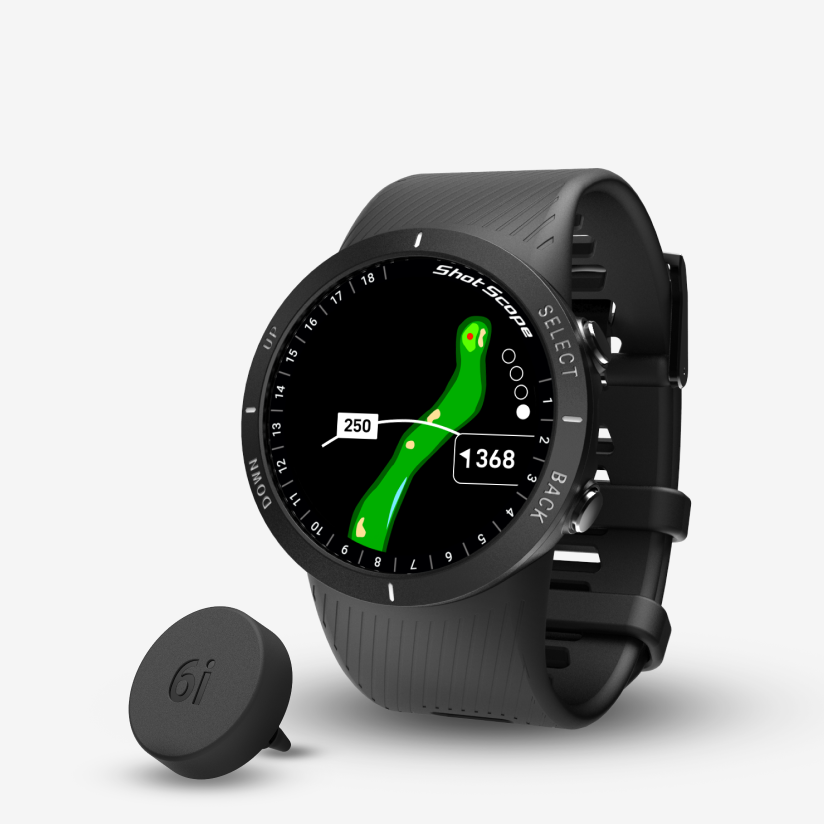
Signs Your Gps Golf Watch Needs Replacement
Knowing when your GPS golf watch needs replacement helps avoid interruptions during play. Watches wear down over time, losing accuracy and speed. Some issues signal that your device may not serve you well anymore.
Recognizing these signs early can save you frustration and money. Pay attention to how the watch performs daily. Here are the main signs that show your GPS golf watch might need replacing.
Declining Battery Performance
Battery life shortens with use. Your watch may need frequent charging. It might die quickly during a round of golf. This limits its usefulness on the course. Poor battery life is a clear sign of aging hardware.
Unresponsive Or Lagging Software
The watch may freeze or respond slowly. Menus and apps take longer to open. GPS signals might not update in time. Software glitches affect the watch’s accuracy. These issues can disrupt your game and score tracking.
Physical Damage And Wear
Scratches, cracks, or broken buttons reduce usability. Water damage or worn-out straps cause discomfort. Physical damage can block sensors or screens. This lowers the watch’s reliability and function. A damaged watch often needs replacement for best results.

Frequently Asked Questions
How Long Does A Gps Golf Watch Battery Last?
Most GPS golf watch batteries last 10 to 20 hours in GPS mode. Battery life varies by model and usage. Regular charging extends overall battery lifespan and performance.
What Factors Affect Gps Golf Watch Durability?
Durability depends on build quality, water resistance, and usage frequency. High-end models offer stronger materials and better protection. Proper care increases lifespan significantly.
Can Software Updates Extend Gps Golf Watch Life?
Yes, software updates improve functionality and fix bugs. Regular updates ensure optimal performance and compatibility with golf courses. Update your watch promptly for best results.
How Often Should I Replace My Gps Golf Watch?
Typically, GPS golf watches last 3 to 5 years. Replacement depends on battery wear, outdated features, or physical damage. Upgrading ensures better accuracy and new functionalities.
Conclusion
GPS golf watches usually last several years with proper care. Battery life depends on use and brand quality. Regular updates help keep the device working well. Charging habits also affect how long the watch lasts. Choosing a trusted brand can improve durability.
Simple maintenance extends the watch’s lifespan. Think about your needs before buying. A good golf watch can support your game for many rounds. Small steps make a big difference in how long it serves you.


