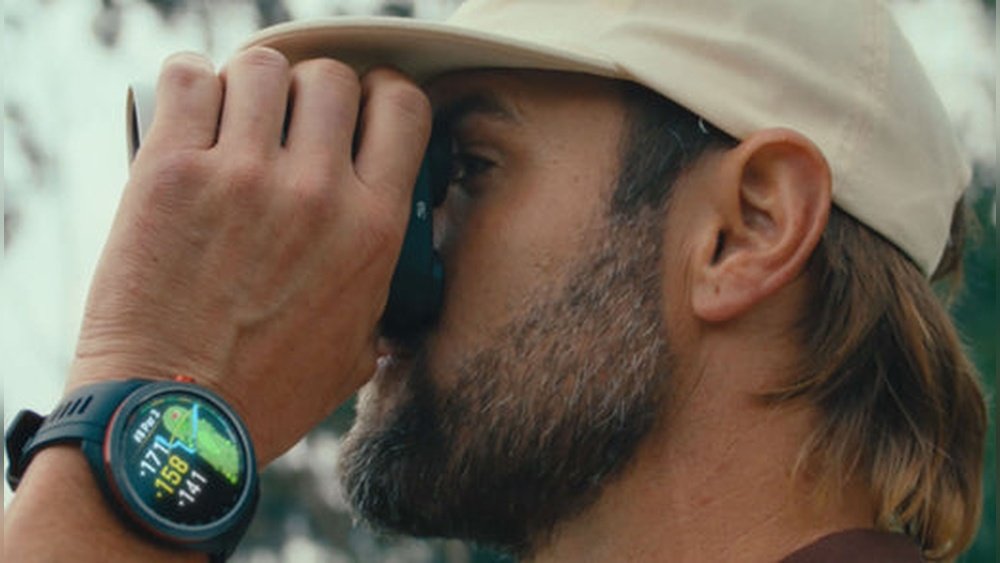
When you’re out on the golf course, every shot counts. Choosing the right tool to measure distances can make a big difference in your game.
You might be wondering: should you go for a GPS golf watch or a rangefinder? Both promise to help you improve, but which one truly fits your style and needs? You’ll discover the key differences, benefits, and drawbacks of each.
By the end, you’ll know exactly which device will give you the edge you’re looking for. Keep reading to find out what’s better for your game—because your next great shot could depend on it.

Gps Golf Watch Features
GPS golf watches offer many useful features for players on the course. They provide quick access to important information. These devices help golfers improve their play with easy-to-read data. Each feature focuses on making golf more fun and less stressful.
Let’s explore the key features of GPS golf watches. Understanding these will help you see their value.
Distance Measurements
GPS watches show exact distances to the green and hazards. They use satellites to give accurate yardages. This helps golfers pick the right club every time. Quick distance checks save time and reduce guesswork.
Course Maps And Updates
Many watches come with detailed course maps preloaded. These maps cover thousands of golf courses worldwide. Players can update maps easily through apps or USB. Updated maps ensure accuracy for new course layouts.
Shot Tracking And Statistics
Some models track shots automatically during play. They record data like shot distance and location. This helps golfers analyze their game over time. Tracking stats can reveal strengths and weaknesses.
Battery Life And Durability
Battery life varies but often lasts several rounds on one charge. Durable designs resist water, sweat, and minor impacts. This makes them reliable for outdoor use in all weather. Long battery life means less worry on the course.
Additional Smart Features
Many watches include extras like digital scorecards and hazard alerts. Some connect with smartphones for notifications and updates. Others have fitness tracking features like step counting. These add convenience and more value to the device.

Rangefinder Features
Rangefinders are popular tools in golf, known for their precise distance measurements. They help golfers aim better and choose the right club. Understanding key features of rangefinders can help you decide if they suit your game.
These devices often offer unique functions that improve your golfing experience. Let’s explore the main features of rangefinders.
Accuracy And Precision
Rangefinders use laser technology to measure distances accurately. They provide exact yardage to targets like flags or hazards. This precision helps golfers make better shots and improve scores. Most rangefinders have a margin of error of just one yard.
Pin-seeking Technology
Many rangefinders include pin-seeking technology. This feature locks onto the flagstick even with background distractions. It reduces errors caused by trees or other objects. Pin-seeking makes aiming easier and saves time on the course.
Usability In Different Conditions
Rangefinders work well in most weather and lighting conditions. Some models handle bright sunlight or low light better than others. They often have clear displays for easy reading. Water-resistant designs protect them from rain or dew.
Size And Portability
Rangefinders are compact and easy to carry. Most fit comfortably in a pocket or golf bag. Their lightweight design means they don’t add extra bulk. Portability allows golfers to use them anytime without hassle.
Battery And Power Options
Rangefinders use rechargeable or replaceable batteries. Battery life varies but usually lasts several rounds. Some models offer quick charging or power-saving modes. Reliable power ensures the device works throughout your game.
Performance Comparison
Comparing the performance of GPS golf watches and rangefinders helps golfers choose the right tool. Both devices measure distances but work differently on the course. Understanding their strengths and weaknesses can improve your play and save time.
This section breaks down key aspects of performance. It covers ease of use, speed, impact on strategy, and reliability across terrains.
Ease Of Use On The Course
GPS golf watches are simple to wear and use. They show distances on your wrist without needing to carry extra gear. Rangefinders require aiming carefully at the target. This can be tricky for some players. Watches often provide more information like hole layout and hazards. Rangefinders focus mainly on distance measurement.
Speed Of Distance Calculation
Rangefinders give instant distance after a quick scan. This saves time for precise shots. Golf watches take a moment to calculate distance using GPS signals. They might be slower but offer continuous updates. Speed matters during fast play or tournaments. Rangefinders have the edge here for quick reads.
Impact On Game Strategy
Golf watches offer more data to plan each shot. They show yardage to hazards, doglegs, and greens. This helps with club selection and risk management. Rangefinders focus on exact distance to a target. They help with accuracy on specific shots. Both tools improve strategy but in different ways.
Reliability In Various Terrains
Rangefinders work well on hilly or wooded courses. They measure distance using laser, unaffected by terrain changes. GPS watches may lose signal in dense trees or steep areas. Signal loss can cause inaccurate readings. Rangefinders have an advantage in tough landscapes. Watches perform best on open, flat courses.
Cost And Value
Choosing between a GPS golf watch and a rangefinder often comes down to cost and value. Both tools help improve your game but differ in price and upkeep. Understanding these differences helps you pick the best option for your budget and needs.
Initial Purchase Price
GPS golf watches usually cost less than rangefinders. Basic models start around $100. More advanced watches with extra features can cost up to $400. Rangefinders start near $200. High-end models may reach $600 or more. Price depends on brand, accuracy, and features.
Maintenance And Upkeep
GPS watches need charging after several rounds. They require software updates to stay accurate. Rangefinders use batteries that need replacement. They need careful handling to avoid damage. Both devices require some care, but watches may need more frequent attention.
Long-term Investment Benefits
GPS watches offer multiple functions like tracking steps and heart rate. This adds extra value beyond golf. Rangefinders focus on distance measurement only. Watches can improve overall fitness and health. Rangefinders give precise distance, helping with shot accuracy. Consider what benefits matter most to you over time.
User Preferences
User preferences play a big role in choosing between a GPS golf watch and a rangefinder. Different golfers want different features and benefits. Some want simplicity, while others want precision or tech features. Understanding these choices helps pick the best tool for each player.
Casual Golfers
Casual golfers prefer easy-to-use devices. They want quick distance checks without fuss. A GPS golf watch fits well here. It shows distances clearly and tracks scores. Casual players enjoy less focus on exact measurements.
Competitive Players
Competitive players need precise distance readings. They want tools that improve their shots. A rangefinder offers accurate yardage to pins. It helps make better club choices. Speed and accuracy are key for these golfers.
Tech-savvy Users
Tech-savvy users like advanced features and data. A GPS golf watch offers statistics and course maps. They enjoy smart alerts and Bluetooth connections. This group prefers gadgets with many functions.
Traditionalists
Traditionalists trust old-fashioned methods. They prefer simple, reliable tools without many bells. Rangefinders appeal to these players. They focus on the basics of distance and aim. Tradition guides their equipment choices.
Choosing The Right Device
Choosing between a GPS golf watch and a rangefinder depends on your needs. GPS watches offer easy distance info, while rangefinders provide precise measurements to targets. Both help improve your game in different ways.
Assessing Your Playing Style
Think about how you play golf. Do you prefer a fast pace or taking your time? GPS golf watches give quick distance info and keep you moving. Rangefinders require you to aim carefully at targets. They help with precise shots but can slow your game. Choose a device that fits how you enjoy golf.
Budget Considerations
Price matters. GPS watches often cost less and offer many features. Rangefinders can be pricier, especially models with advanced optics. Decide how much you want to spend. Remember, a higher price does not always mean better for your needs.
Desired Features
List what features you want. GPS watches show distances, track scores, and connect to apps. Rangefinders focus on measuring exact yardage to the flag or hazards. Some watches include heart rate monitors and step counters. Choose features that help your game and match your style.
Compatibility With Other Devices
Check if the device works with your phone or golf apps. GPS watches often sync with smartphones easily. Rangefinders usually work alone but some connect via Bluetooth. Matching your device with your phone or gadgets makes it easier to track progress.
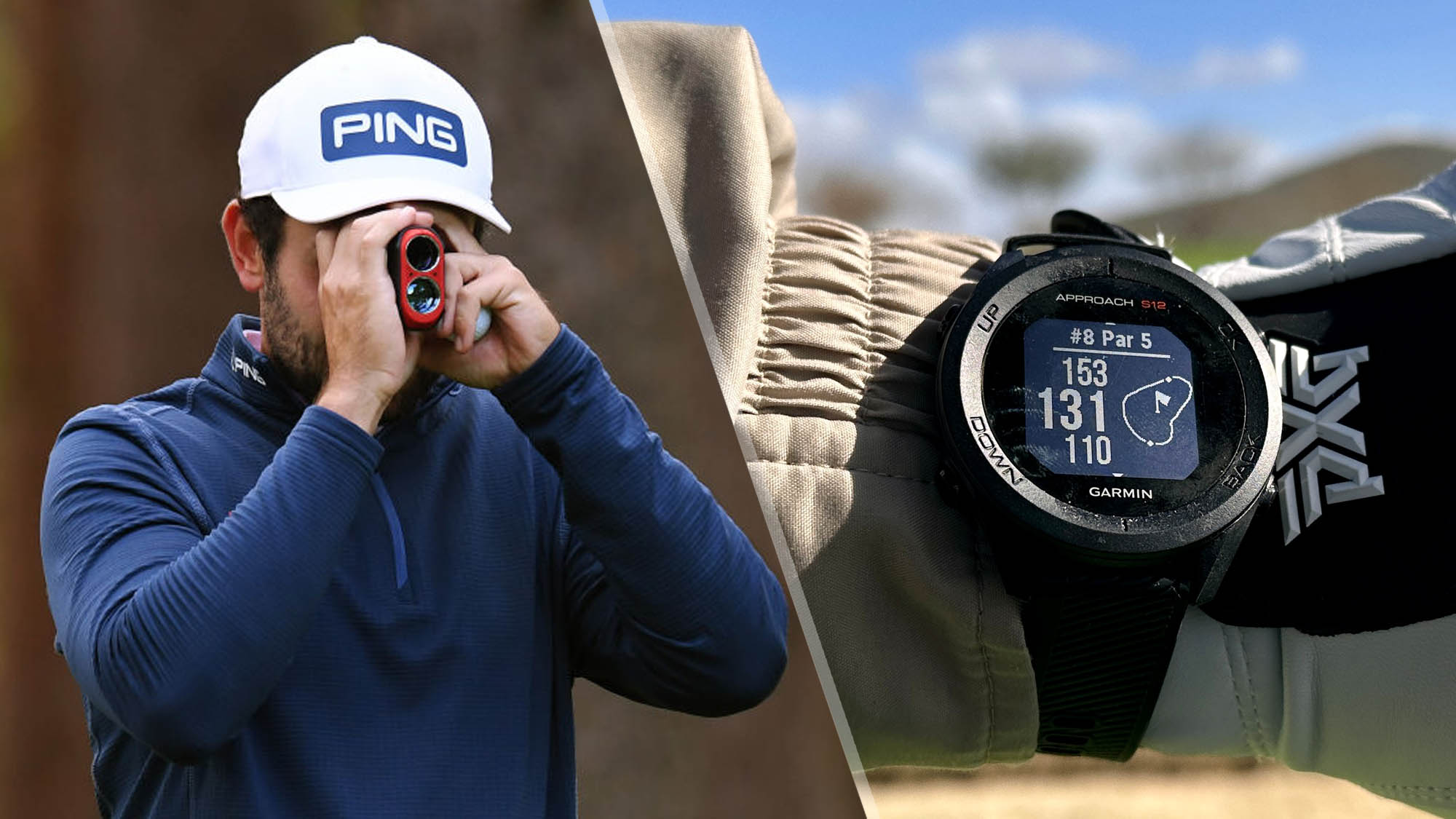
Frequently Asked Questions
What Are The Main Differences Between Gps Watches And Rangefinders?
GPS watches provide distance using satellite data, while rangefinders use laser technology to measure exact yardage. GPS watches offer course mapping and shot tracking. Rangefinders excel in precision for specific targets like flags. Both serve golfers differently based on needs.
Which Is More Accurate: Gps Golf Watch Or Rangefinder?
Rangefinders are generally more accurate, measuring distances within a yard. GPS watches offer estimated distances with slight variations. For pinpoint targeting, rangefinders are preferred. GPS watches provide broader data like hazard distances and course layouts.
Can Gps Golf Watches Replace Rangefinders On The Course?
GPS watches offer convenience with hands-free use and course data. However, rangefinders provide superior precision for critical shots. Many golfers use both for different situations. The choice depends on personal preference and playing style.
Are Gps Golf Watches Better For Beginners Than Rangefinders?
Yes, GPS watches are user-friendly and provide helpful course insights. Beginners benefit from automatic distance updates and hazard warnings. Rangefinders require more skill to use accurately. GPS watches help novices learn course management.
Conclusion
Choosing between a GPS golf watch and a rangefinder depends on your needs. A GPS watch offers convenience and quick distance info. A rangefinder gives precise measurements to specific targets. Both tools help improve your golf game. Think about your budget, playing style, and course type.
Use the device that fits your routine best. Either way, you gain better course awareness and confidence. This choice can make your rounds more enjoyable and focused. Try both to see which one feels right for you.


