Are you wondering if your GPS golf watch will work no matter which course you play? You’re not alone.
Many golfers rely on these devices to improve their game, but questions about their accuracy and compatibility often come up. Imagine stepping onto a new course with confidence, knowing your watch will guide every shot. You’ll discover how GPS golf watches really work across different courses and what you need to know to make the most of your device.
Keep reading to find out if your watch is ready for your next round.

How Gps Golf Watches Track Courses
GPS golf watches use advanced technology to help golfers navigate courses. They provide distance measurements to key points like the green or hazards. These watches rely on satellite signals and detailed course data. Understanding how they track courses reveals their accuracy and limits.
Satellite Technology Basics
GPS golf watches connect to satellites orbiting Earth. These satellites send signals to the watch. The watch uses the signals to calculate its exact location. This process is called triangulation. The watch receives signals from at least three satellites. It then determines the watch’s position on the golf course. This location data updates in real time as you move.
Strong satellite signals are important for accuracy. Trees, buildings, and weather can affect signal strength. Better satellite connection means more precise distance readings. Watches often use multiple satellite systems like GPS and GLONASS. This improves location tracking on all types of courses.
Course Mapping Methods
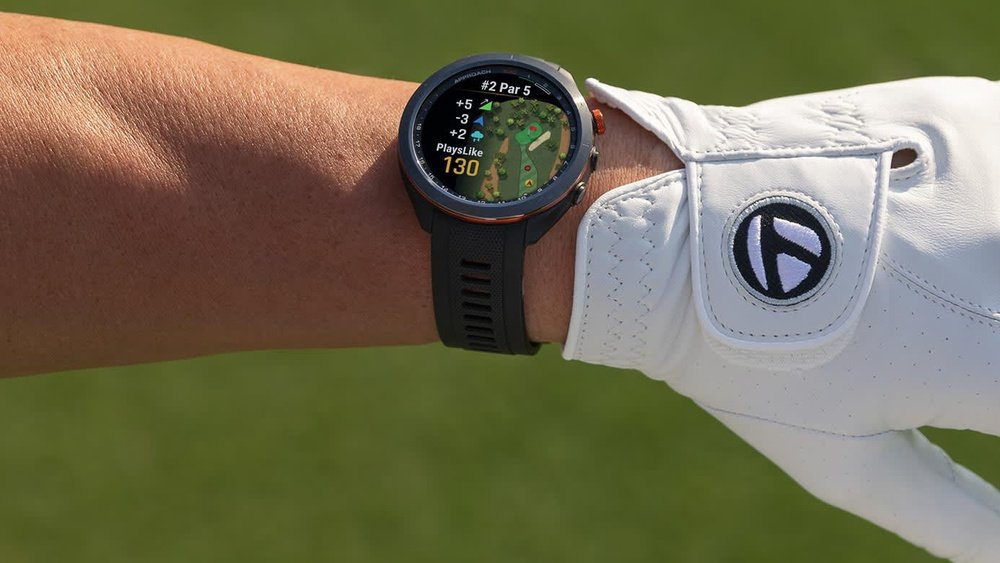
Golf courses are mapped into the watch’s software before play. Course designers or companies collect GPS data on each hole. They mark locations of tees, greens, bunkers, and hazards. This data forms a digital map stored in the watch. When the watch knows your location, it compares it to the map.
The watch calculates distances to key points on the course. It shows these distances on the screen for easy reading. Some watches allow updates to add new courses or changes. The accuracy of course mapping depends on how well the course was scanned. Well-mapped courses give more reliable distance info.

Compatibility With Different Golf Courses
GPS golf watches aim to work on many golf courses worldwide. Their ability to do so depends on how well they match with different courses. Compatibility matters for accurate distances and useful features. Golfers want a watch that shows correct data for the course they play.
Preloaded Course Libraries
Most GPS golf watches come with preloaded course libraries. These libraries include thousands of golf courses from many countries. Watches can recognize the course you are playing automatically. This feature saves time and helps you focus on your game. Some watches support more courses than others. Check if your watch covers the courses you visit often.
Updating Course Data
Golf courses change layouts and hazards over time. GPS watches need updates to keep data accurate. Regular updates fix errors and add new courses. Updates happen through apps on your phone or computer. Without updates, distances may be wrong or features may not work well. Make sure your watch supports easy updates and connect it often.
Limitations Of Gps Golf Watches
GPS golf watches offer many benefits for players. They provide distances, hazards, and course layouts. Still, these devices have limits that affect their performance. Knowing these limits helps you use the watch better and avoid surprises on the course.
Coverage In Remote Locations
GPS golf watches rely on satellite signals to work. In remote or forested areas, signals may weaken or drop. Some courses in rural places might not have full GPS coverage. This causes inaccurate distance readings or no data at all. Players should check the course location and signal strength before relying on the watch.
Impact Of Course Changes
Golf courses change over time. New holes, moved hazards, or updated layouts happen often. GPS watches use stored maps, which may not update quickly. This means the watch might show old course data. Players may get wrong distances or miss new hazards. Regular updates from the watch maker help but might not be instant.
Factors Affecting Accuracy
GPS golf watches help golfers by showing distances on courses. Their accuracy depends on many factors. Knowing these factors helps you trust your watch’s readings and improve your game.
Signal Interference
GPS watches rely on satellite signals. Trees, tall buildings, and hills can block these signals. When signals are weak or lost, distance readings become less accurate. Weather conditions like heavy clouds or storms can also affect signal strength. Open courses with clear skies offer the best signal reception.
Watch Hardware Quality
Not all GPS watches are built the same. High-quality watches have better chips and antennas to catch satellite signals. These watches update course maps more often and have faster processors. Cheaper models may lag or give wrong distances. A reliable watch has better accuracy across different golf courses.
User Experiences Across Various Courses
Golfers around the world share their thoughts on GPS golf watches. Their experiences vary based on the courses they play. These watches often help with distances and hazards. Yet, some differences appear depending on the course layout and location. Understanding these user experiences can guide new buyers.
Popular Courses And Watch Performance
Many users test their GPS watches on well-known courses. These courses have clear maps and stable signals. Most watches perform well here. They provide accurate yardages and easy-to-read displays. Users report that their watches help them plan shots better. Some watches struggle with complex greens or unusual hole designs. Still, on popular courses, the overall feedback is positive.
Feedback From Different Regions
Golfers in different countries report mixed results. In some regions, GPS watches work perfectly. Signal strength and course data match well. Other areas have weaker GPS signals or fewer course updates. This causes less accuracy and delays. Some users also note that older watch models show errors on newer courses. Regional differences affect how well a GPS golf watch functions. Watching user reviews from your area can help choose the right watch.

Tips For Maximizing Gps Watch Effectiveness
Using a GPS golf watch can improve your game. To get the best results, you need to use it right. Small steps help your watch give accurate data and work well on all courses. Here are some simple tips to make your GPS watch more effective.
Regular Software Updates
Keep your GPS watch updated with the latest software. Updates fix bugs and add new course maps. Without updates, the watch may show wrong distances. Check for updates often, especially before playing a new course. Updated software helps your watch run smoothly and stay accurate.
Manual Course Selection
Choose the golf course manually on your watch before you start playing. This helps the watch connect to the right course map. Automatic detection can sometimes pick the wrong course or hole. Selecting the course yourself ensures the watch shows correct hole layouts and distances. This simple step improves your game data.
Frequently Asked Questions
Do Gps Golf Watches Work Worldwide On All Courses?
Yes, most GPS golf watches have global course databases. They work on thousands of courses worldwide, ensuring accurate distance measurements everywhere you play.
Can Gps Golf Watches Update New Golf Courses?
Yes, GPS golf watches regularly receive updates. Manufacturers add new courses and improve accuracy through software updates to keep your watch current.
Are Gps Golf Watches Accurate On All Course Terrains?
GPS golf watches provide precise distances on various terrains. They use satellite signals to measure distances accurately, regardless of course layout or obstacles.
Do All Gps Golf Watches Include Course Maps?
Most GPS golf watches include detailed course maps. These maps help golfers navigate hazards and plan shots effectively on every hole.
Conclusion
GPS golf watches work well on most courses worldwide. Some very new or private courses might not be included yet. Regular updates help keep the watch accurate. Always check if your watch supports the course you play. These devices save time and help plan shots better.
They offer easy access to distance info on your wrist. For many players, a GPS golf watch is a useful tool. It makes the game smoother and more enjoyable. Choose one that fits your needs and course availability.


