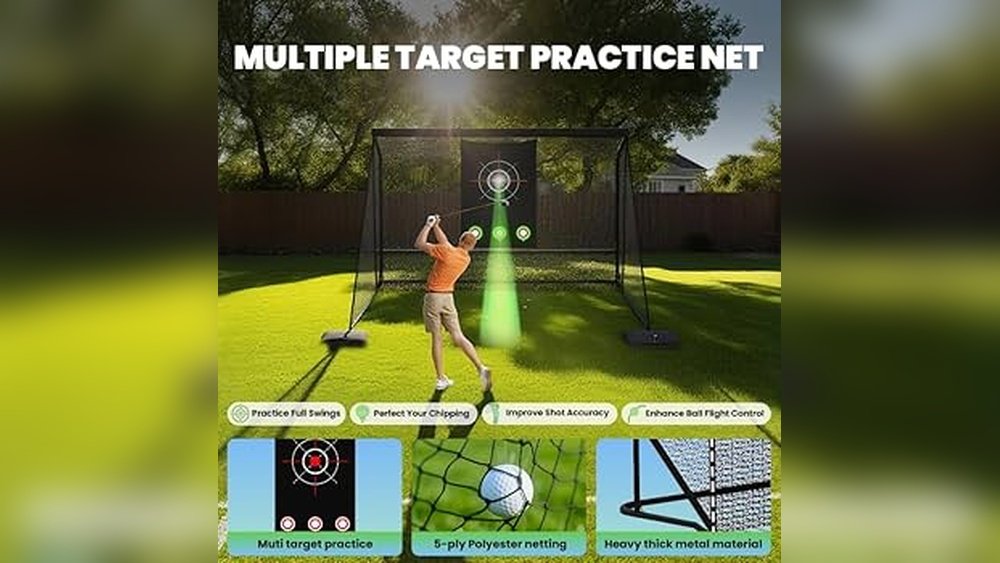
Every golfer, from beginner to pro, knows the value of practice. A good golf practice net makes it possible to work on your swing at home, rain or shine. But not all golf nets are the same. The real difference? The material. Pick the wrong one and you might end up with torn nets, stray golf balls, or wasted money. Choose well, and you’ll have a safe, durable, and satisfying practice experience for years. This guide breaks down everything you need to know about the best materials for golf practice nets, so you can make a confident decision and avoid common mistakes.
Why Material Matters For Golf Practice Nets
The right material is not just about how long your net will last. It also affects:
- Safety (stopping balls reliably)
- Noise level (some materials are quieter)
- Easy storage and setup
- Weather resistance (crucial for outdoor nets)
- Ball feedback (how the net returns or absorbs balls)
Many golfers focus only on price or size. But material can mean the difference between a net that stops a 100 mph drive and one that tears after a few wedges. Let’s look at the most common materials and how they compare.
Main Materials Used In Golf Practice Nets
1. Nylon
Nylon is one of the most popular choices for golf nets. It’s strong, flexible, and can stretch without breaking. That makes it good at absorbing the energy of a fast-moving golf ball.
Key Features:
- High tensile strength
- Good elasticity
- Resistant to abrasion
Downsides:
Nylon does not like the sun. UV rays can weaken it over time, causing yellowing or brittleness. For outdoor nets, untreated nylon is not the best choice.
Where It Works Best:
Indoor nets or outdoor nets with UV protection coating.
2. Polyester
Polyester is another strong synthetic fiber. It’s not as elastic as nylon, but it is better with sun and rain.
Key Features:
- Good UV resistance
- Holds up well in wet weather
- Lower stretch than nylon (stays in shape)
Downsides:
Polyester can be a little stiffer, so it sometimes makes more noise when struck.
Where It Works Best:
Outdoor practice nets, especially when left up for long periods.
3. Polyethylene (pe)
Polyethylene is a plastic-based material common in nets for many sports.
Key Features:
- Excellent weather resistance
- Does not absorb water (won’t rot or mildew)
- Very cost-effective
Downsides:
PE is not as strong as nylon or polyester in thin strands. Cheap PE nets may tear with hard shots unless they use thick twine.
Where It Works Best:
Budget-friendly outdoor nets, or larger nets where cost is a concern.
4. Knotless Netting
This is not a material but a netting style. Knotless nets use weaving rather than tied knots. They are usually made from nylon or polyester.
Key Features:
- Smoother surface (less wear and tear)
- Even energy distribution
- Often stronger than knotted nets of the same thickness
Downsides:
Knotless nets can be more expensive.
Where It Works Best:
Premium golf practice nets, commercial setups, or if you want the best durability.
5. High-density Polyethylene (hdpe)
HDPE is a tougher version of standard PE. It offers better strength and UV resistance.
Key Features:
- High impact resistance
- Good for all-weather use
- Light but strong
Downsides:
HDPE costs a bit more than regular PE, but less than top-end nylon.
Where It Works Best:
Outdoor nets, especially for players with high swing speeds.
6. Blended Materials
Some nets use a mix of fibers. For example, nylon core with a polyester jacket. This aims to combine the best features—stretch of nylon, sun resistance of polyester.
Key Features:
- Balanced performance
- Tailored for specific needs
Downsides:
Blends can cost more, and quality varies between brands.
Where It Works Best:
High-end nets or custom setups.
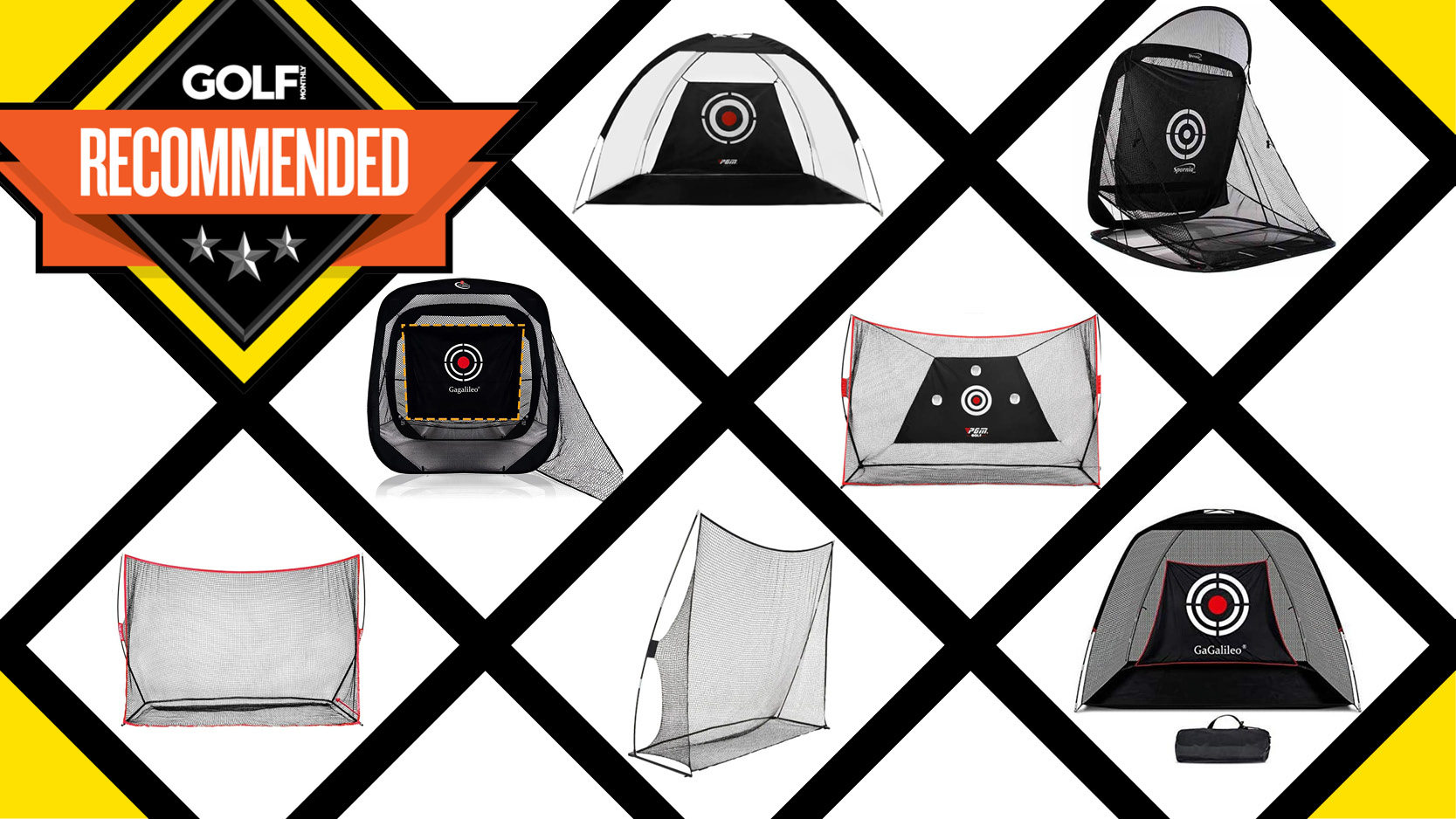
Comparing Key Material Properties
To help you see the main differences, here is a side-by-side look at the most important features.
| Material | Strength | UV Resistance | Weather Resistance | Elasticity | Cost |
|---|---|---|---|---|---|
| Nylon | Very High | Low/Medium | Medium | High | $$ |
| Polyester | High | High | High | Medium | $$ |
| Polyethylene | Medium | High | Very High | Low | $ |
| HDPE | High | Very High | Very High | Low | $$ |
| Blends | High | Varies | Varies | Medium | $$$ |
Non-obvious insight: Many golfers miss that elasticity (how much a net stretches) is important. Too little stretch means the net can rip or return balls dangerously. Too much, and balls can bounce back fast.
Mesh Size And Twine Thickness
Material is only half the story. How the net is constructed also matters.
- Mesh size: For golf, the mesh (hole) should be small enough to stop a ball. Standard is 3/4 inch to 1 inch. Larger mesh may let balls squeeze through or damage the net faster.
- Twine thickness: Thicker twine (1.8mm or more) lasts longer and can take more impact. Thin twine saves money but wears out faster.
Here’s a quick look at how twine thickness impacts durability:
| Twine Size | Expected Use | Durability |
|---|---|---|
| 1.5 mm | Light practice, juniors | Low |
| 1.8 mm | Amateur adults | Medium |
| 2.5 mm | Frequent/hard hitters | High |
Tip: If you have a fast swing or use real golf balls, go for thicker twine and smaller mesh.
Weatherproofing And Coatings
Many top nets come with extra coatings to handle sun, rain, and mildew. UV protection is especially important for outdoor nets. Water-repellent coatings prevent mold and keep the net light, even after rain.
If you see a net labeled as “UV stabilized” or “weatherproof,” it usually means it’s treated with a special finish. This can add a few years to your net’s life.
Best Material For Different Needs
The “best” material depends on how, where, and how often you practice.
For Indoor Use
Nylon is hard to beat. It’s strong and flexible, and you don’t have to worry about sun damage indoors.
For Outdoor Use
Polyester or HDPE is best. Both stand up to UV rays and rain. If you leave your net outside all year, these materials will last longer than nylon.
For Budget Shoppers
Polyethylene (PE) is the way to go. It’s not as strong as the others, but it’s affordable and works well for casual or beginner use.
For Heavy Hitters
Look for knotless netting made from high-quality polyester or HDPE, with thick twine and a small mesh.
For Portability
Lightweight PE or thinner polyester nets are easier to move and set up, but check reviews to be sure they still last.
Real-world Examples
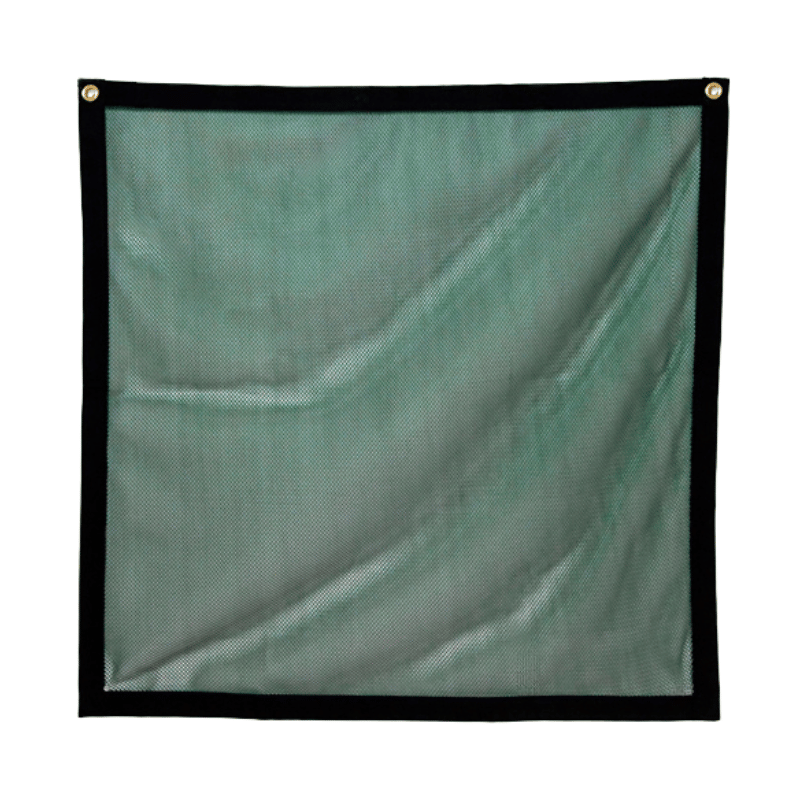
- The Rukket Sports Haack Net uses knotless polyester. It’s known for durability and weather resistance.
- GoSports Golf Practice Net uses a reinforced nylon blend, better for indoor or covered outdoor spaces.
- Cheap “Amazon special” nets often use thin PE. They’re fine for chipping but tear quickly with real drivers.
Non-obvious insight: Read reviews about customer support. Even the best net can break, and a good warranty or customer service can save you money and hassle.
Common Mistakes When Choosing Net Material
- Ignoring UV resistance: Outdoor nets need sun protection, or they’ll break down fast.
- Underestimating swing speed: If you hit hard, thin PE nets may not last a week.
- Picking large mesh: Small mesh is safer. Larger holes can let balls through, especially if the net stretches.
- Choosing the cheapest option: Saving $20 may cost you more in the long run if you need to replace the net often.
- Overlooking warranty and support: Durability is not just about material. A good company stands behind its net.
Maintenance Tips By Material
- Nylon: Keep out of direct sun when possible. Store indoors if not using for long periods.
- Polyester/HDPE: Hose off dirt and let dry fully to avoid mildew.
- PE: Check regularly for tears, especially after hard practice sessions.
Tip: Rotate your net (switch top/bottom) every few months to even out wear.
Making Your Final Choice
Think about your practice style, space, and budget. For most golfers, knotless polyester or HDPE with UV protection offers the best mix of safety, durability, and value. If you only practice indoors, high-quality nylon is excellent.
If you want deeper technical info on synthetic fibers, the Wikipedia synthetic fiber page gives a detailed breakdown.

Frequently Asked Questions
What Mesh Size Is Best For A Golf Practice Net?
For safety, a mesh size of 3/4 inch to 1 inch is ideal. This will reliably stop all standard golf balls, even at high speed.
Can I Leave My Golf Practice Net Outside All Year?
If your net is made from polyester or HDPE and labeled weatherproof or UV stabilized, it can stay outside. Still, storing it indoors during harsh winter or storms will make it last longer.
Is Nylon Or Polyester Better For A Golf Net?
Polyester is better for outdoor use because it handles sun and rain well. Nylon is stronger and more elastic, but only if used indoors or with UV protection.
Will Thicker Net Twine Make My Net Last Longer?
Yes. Thicker twine (2mm or more) resists tearing and stretching, especially with hard hitters. Thicker twine is a smart investment for frequent or powerful practice.
Are Cheap Polyethylene Nets Worth Buying?
Cheap PE nets are fine for light chipping or juniors. For adult drivers or frequent use, they may tear quickly. Consider spending a bit more for better materials if you want durability.
Choosing the right material for your golf practice net is about balancing your needs, budget, and how you plan to use it. With the right knowledge, you’ll avoid common mistakes and enjoy safe, effective practice at home for years to come.


