Can You Use A Golf Practice Net Indoors
Golfers often look for ways to improve their game, even when the weather or time does not allow for a trip to the course. One popular solution is the golf practice net. But can you actually use a golf practice net indoors? Many players wonder if it’s safe, practical, or effective to hit real golf balls inside their home or garage. The answer is yes—if you set up correctly and understand what to expect. This article will help you decide if indoor practice nets are right for you, how to use them safely, and what to consider before swinging away inside.
What Is A Golf Practice Net?
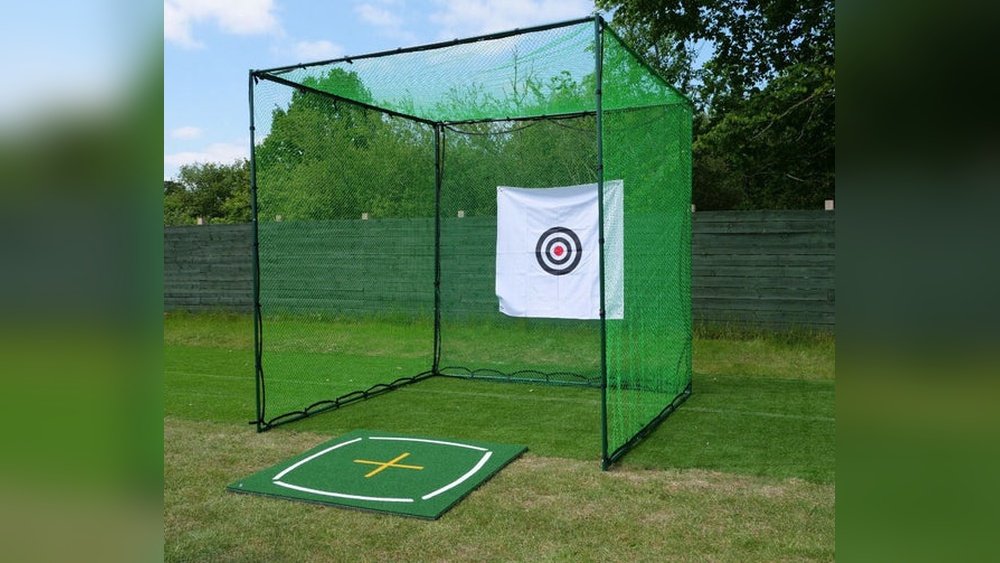
A golf practice net is a specially designed net that catches golf balls when you hit them. It allows you to practice your swing in a limited space, without worrying about breaking windows or losing balls. These nets come in many sizes and types, from basic pop-up nets to large, sturdy frames with side barriers.
Golf nets are often used for:
- Full swings with drivers, irons, or wedges
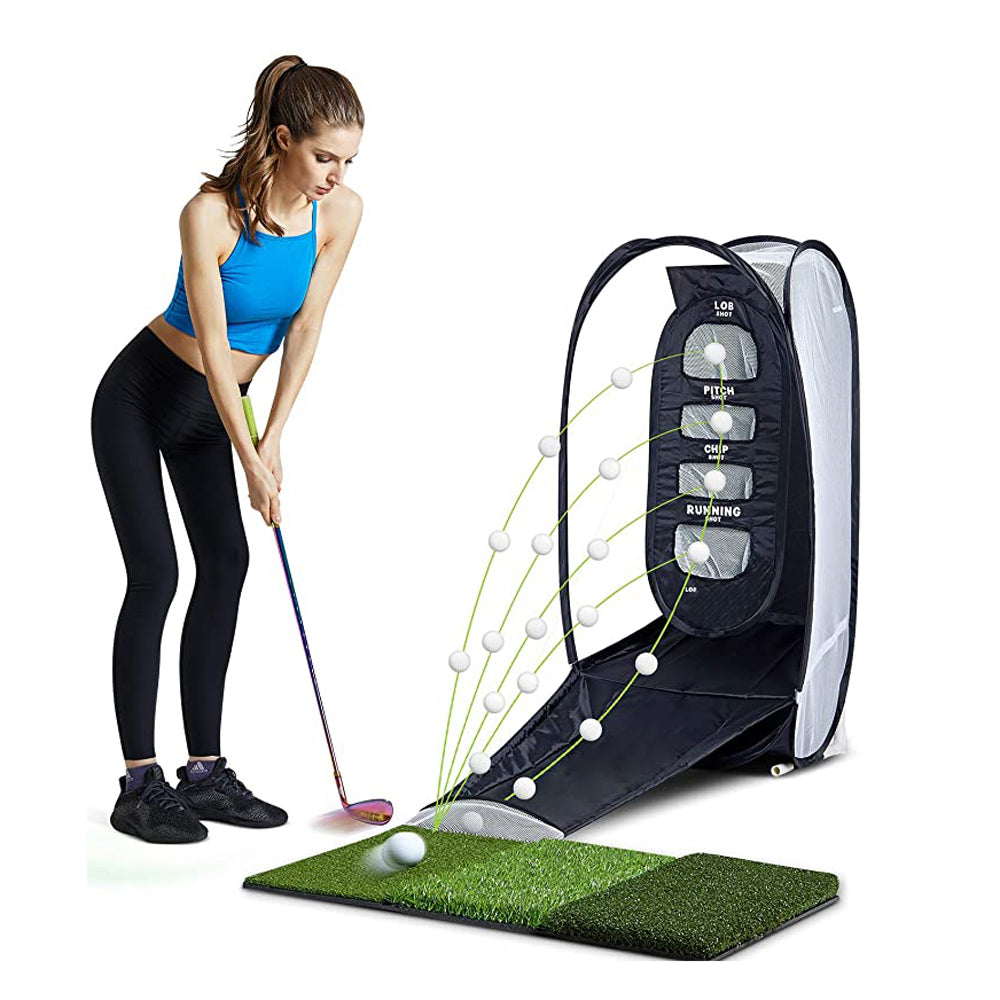
- Chipping and short game practice
- Indoor and outdoor use, depending on the design
Some advanced nets can also pair with technology like launch monitors or swing analyzers to give feedback.
Is It Safe To Use A Golf Net Indoors?
Safety is the first thing to consider. Hitting real golf balls at high speed inside your house can be risky if you do not prepare carefully. However, with the right net and setup, it is possible to practice safely.
Key Safety Points
- Choose a net made for indoor use. Look for nets with strong materials and reinforced seams.
- Check the space. You need enough room for your full swing and follow-through. Measure ceiling height and width.
- Protect walls and floors. Use mats under the net and consider extra padding on nearby surfaces.
- Keep breakables away. Remove anything valuable from the practice area.
- Never hit towards windows. Even the best nets can fail if used incorrectly.
Many golfers use practice nets in garages, basements, or spare rooms. Some even set up in living rooms, but only when the space is large enough.
How Much Space Do You Need?
The amount of space you need depends on your swing and the type of net. As a general rule:
- Ceiling height: At least 9 feet (2.7 meters) for most players. Taller golfers or those with big swings may need 10 feet or more.
- Width: 10 feet (3 meters) gives enough space for the net and some margin on the sides.
- Depth: 6-8 feet (1.8-2.4 meters) behind the net for safety, and a few feet in front for your stance.
Here is a quick comparison of common room sizes and their suitability for indoor golf nets:
| Room Type | Ceiling Height | Typical Width | Suitable for Golf Net? |
|---|---|---|---|
| Garage (1-car) | 8-10 ft | 12 ft | Usually Yes |
| Basement | 7-8 ft | 10-15 ft | Sometimes (check ceiling) |
| Spare Room | 8-9 ft | 10-12 ft | Often Yes |
| Living Room | 8-10 ft | 12-18 ft | Depends on layout |
Non-obvious tip: Remember to check for ceiling lights, fans, or hanging fixtures that could get in the way or be damaged.
Types Of Golf Nets For Indoor Use
Not all golf nets are suitable for indoor use. Some are too large, heavy, or designed only for outdoor weather. Here are the main types you’ll find:
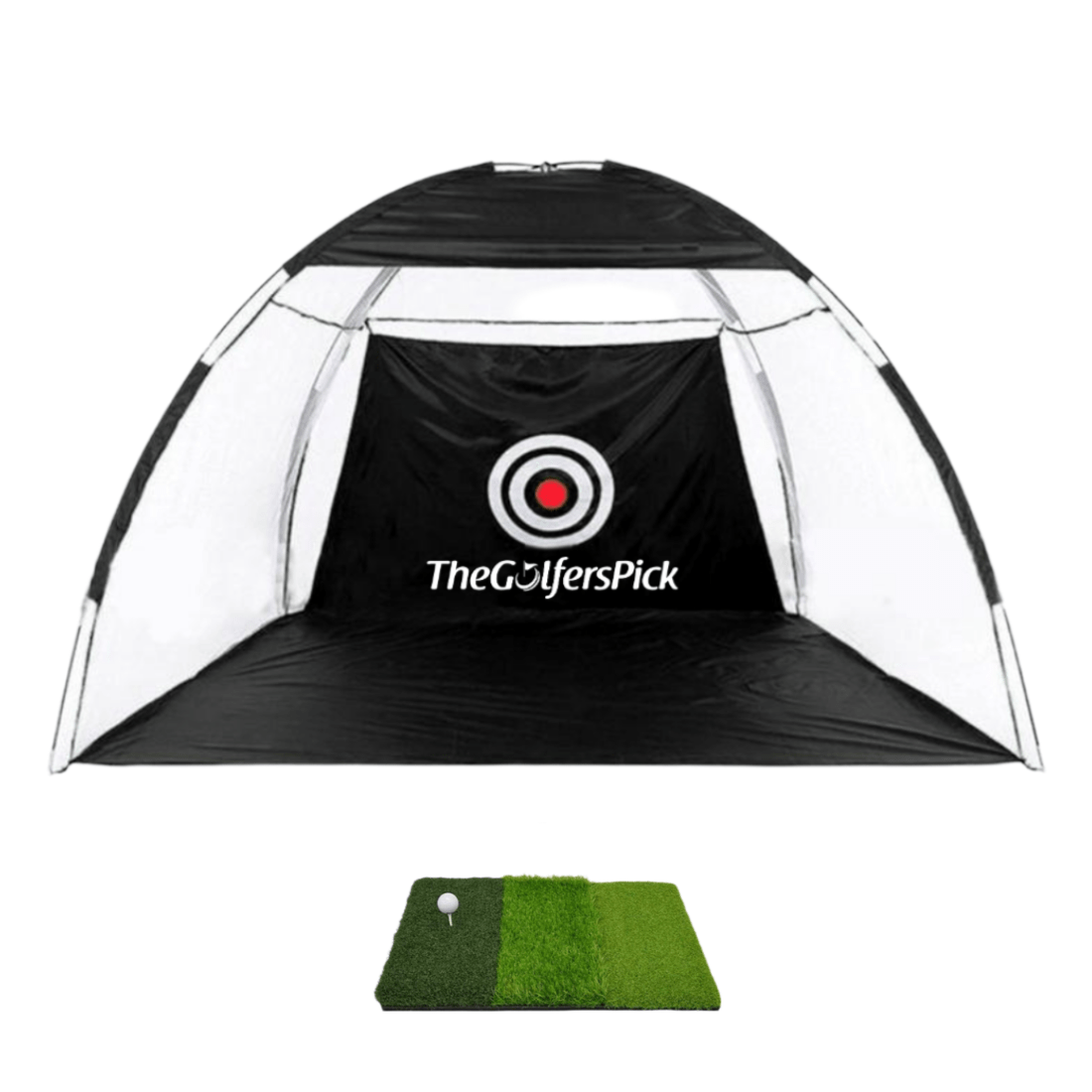
Pop-up Nets
- Lightweight and portable
- Easy to set up and fold down
- Best for chipping or short shots
- May not handle high-speed drives
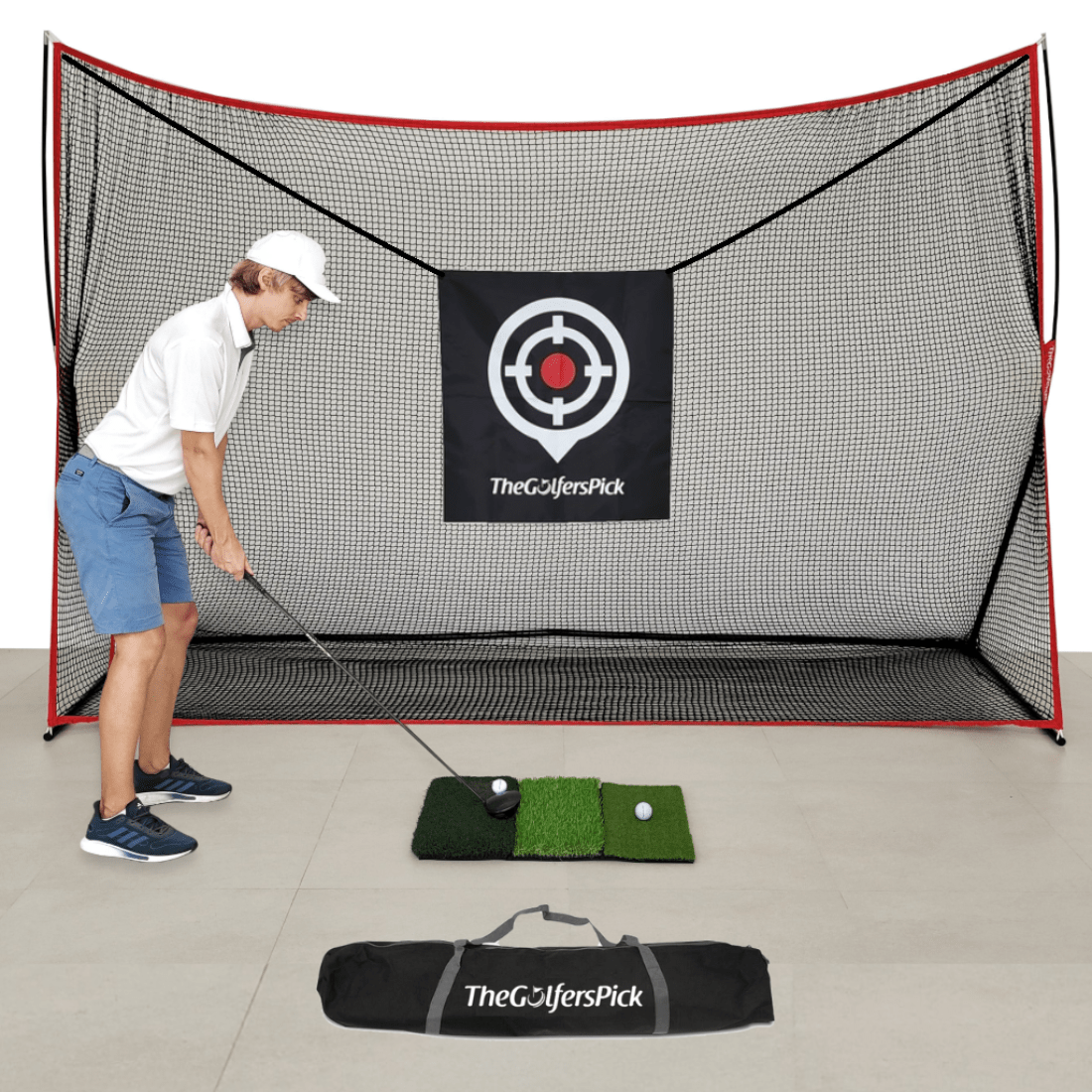
Frame Nets
- Strong metal or fiberglass frame
- Can take full shots with any club
- Heavier and less portable
- Good for regular indoor use
Enclosure Nets
- Netting on sides and top for extra safety
- Ideal for small spaces or powerful swings
- Often more expensive
Comparison: Indoor Golf Net Types
| Type | Best For | Portability | Handles Full Swing? | Price Range |
|---|---|---|---|---|
| Pop-Up | Chipping, beginners | High | No | Low |
| Frame | Full shots, regular use | Medium | Yes | Medium |
| Enclosure | Safety, advanced practice | Low | Yes | High |
Insight: Many beginners buy a pop-up net, but quickly outgrow it if they want to practice real swings. Think about your long-term needs before buying.
Setting Up Your Indoor Golf Net
A correct setup is crucial for safety and performance. Here’s how to do it right:
- Clear the area of furniture, decorations, and fragile items.
- Place a hitting mat in front of the net to protect the floor and simulate real turf.
- Anchor the net properly, following the manufacturer’s instructions. Some nets can be weighted or attached to walls for extra security.
- Add side barriers if possible, especially if you are not confident in your aim yet.
- Check the net’s condition each time before use. Look for holes or loose stitching.
Protecting Your Home
If you’re worried about damage, consider these extra steps:
- Hang old blankets or foam panels behind and beside the net.
- Use practice balls (foam or plastic) until you trust your setup.
- Place a rug or mat under the net to catch balls and reduce bounce.
Can You Use Real Golf Balls Indoors?
Many people wonder if it’s okay to hit real golf balls inside. The answer depends on your net and your space.
Most high-quality indoor nets are made to handle real golf balls and full swings. However, you need to trust your net’s strength and make sure your setup is safe. Cheap or old nets can tear, which is risky indoors.
If you are a beginner or have limited space, start with foam or plastic practice balls. These are much lighter and less likely to cause damage, but they feel very different from real balls. Serious golfers often want to hit real balls for true feedback.
Non-obvious insight: Real golf balls can bounce back with surprising force if the net is too tight or the ball hits the frame. Always stand a safe distance away and wear shoes.
The Benefits Of Using A Golf Practice Net Indoors
There are many good reasons to use a golf net inside your home:
- Practice anytime: Weather and daylight do not matter.
- Save time: No driving to the range.
- Consistency: Regular practice leads to faster improvement.
- Privacy: You can work on your swing without distractions.
- Year-round training: Keep skills sharp in winter or rainy seasons.
Some golfers say they practice more when their net is always ready to use. Even short daily sessions can make a big difference over time.
Common Mistakes To Avoid
Many people make errors when using indoor golf nets for the first time. Here are some key mistakes to watch out for:
- Underestimating space needs: Not measuring carefully can lead to damaged walls or ceilings.
- Buying a weak net: Cheap nets may not stop a fast-moving golf ball.
- Ignoring safety for others: Children and pets should never be near the practice area.
- Skipping maintenance: Nets can wear out. Check for damage often.
- Not using a hitting mat: Swinging from carpet or hard floors can cause injuries and damage clubs.
- Not anchoring the net: A moving net can cause balls to escape.
Expert tip: Even if you’re confident in your aim, always plan for the occasional mishit.
Can You Use Launch Monitors Or Simulators With Indoor Nets?
Yes, many golfers combine a practice net with launch monitors or golf simulators for more feedback. These devices measure ball speed, launch angle, spin, and more. Some popular models include SkyTrak, Garmin Approach, and FlightScope Mevo.
To use them indoors:
- Make sure your hitting area is well-lit.
- Place the device at the correct distance from the ball (follow instructions).
- Use a net that can handle repeated impacts.
Some simulators can project a virtual golf course onto a screen behind your net. This setup can cost thousands of dollars, but it provides a true indoor golf experience.
For more about golf technology, see this guide from Golf Digest.
Cost And Value: Is It Worth It?
The price of indoor golf nets ranges from less than $50 for basic models to $500 or more for professional setups. Most casual golfers spend between $100 and $250 for a quality net and mat.
Consider these factors before buying:
- How much will you use it? Frequent practice justifies a better net.
- Do you want to hit full shots? Spend more for strength and size.
- Do you plan to upgrade? Some nets can be expanded with side barriers or tech.
While the upfront cost may seem high, many golfers find that the convenience and practice benefits are worth it. Compared to the cost of driving range visits, a net can pay for itself in a few months.
Real-world Examples And Stories
Many golfers have shared their experiences with indoor practice nets. For example, one amateur golfer in Canada set up a net in his basement to practice during long winters. After a year, he reported cutting his handicap by four strokes, mostly thanks to regular short game practice.
Another family used a net in their garage and made it a fun activity for everyone, even teaching their children to swing safely.
A common insight: The biggest improvement comes from frequent, short practice sessions—often just 10-15 minutes a day.
Frequently Asked Questions
What Type Of Golf Net Is Best For Indoor Use?
Choose a net that fits your space and practice goals. For small rooms or beginners, a pop-up net is easy to set up. For full swings and serious practice, look for a sturdy frame or enclosure net. Make sure it’s designed for indoor use and can handle real golf balls if needed.
How Do I Know If My Ceiling Is High Enough?
Measure from the floor to the lowest part of the ceiling. Most golfers need at least 9 feet (2. 7 meters) for a comfortable swing. Taller players or those with a steep swing may need more. Always test with slow practice swings before hitting real balls.
Can I Use A Golf Net In An Apartment?
Yes, if you have enough space and can protect the walls and floors. Use foam balls if noise or damage is a concern. Always check your lease or building rules to avoid problems.
How Do I Prevent Damage To My Home?
Use a hitting mat, add padding behind and beside the net, and keep breakables away. Start with foam balls until you are sure your setup is safe. Check your net for wear and tear often.
Is Indoor Practice As Effective As Outdoor Practice?
Indoor nets are great for working on swing mechanics and consistency. You may miss the feedback of seeing full ball flight, but many golfers see real improvement with regular indoor practice. Using a launch monitor can add more feedback for serious training.
Using a golf practice net indoors is not only possible, but it can be a safe and valuable tool for golfers at any level. By understanding your space, choosing the right net, and setting up carefully, you can enjoy year-round practice and improvement from the comfort of your own home.


