
Golf is a sport that requires practice, patience, and the right equipment. For many players, finding time to visit a driving range is not always possible. This is why backyard golf practice nets have become popular. They promise convenience and a safe way to practice swings at home.
But are these nets truly safe for backyard use? Let’s take a closer look at their safety, what to consider before buying, and how to get the most from your at-home training—without unwanted accidents.
What Are Golf Practice Nets?
Golf practice nets are designed to catch golf balls after you hit them. They come in different shapes and sizes, but the main goal is always the same: to stop the ball safely and allow you to practice your swing, chipping, or driving without leaving your home. Most nets are made from durable synthetic materials like nylon or polyester. They can be portable or fixed, and some even have special features like target zones or return systems.
Understanding The Main Safety Concerns
Safety is a top priority when using any sports equipment at home. With golf practice nets, several key risks must be considered:
- Ball Escape: If a net is poorly designed or set up incorrectly, balls might fly through or over it, damaging property or injuring someone.
- Net Failure: Old or low-quality nets may tear or break, especially after many hard drives.
- Frame Stability: A weak or lightweight frame can tip over or move during use, creating hazards.
- Surrounding Area: Stray balls can cause damage to windows, cars, neighbors’ property, or even harm pets and children.
These are not just theoretical risks. There have been real reports of golf balls breaking windows, denting cars, or even causing injuries when nets failed. Understanding these concerns helps you make informed decisions about backyard practice.
Key Factors That Affect Safety
Not all golf practice nets are created equal. Several factors play a role in how safe they are for backyard use.
Net Strength And Material
The material must be strong enough to stop high-speed golf balls. Look for high-denier nylon or polyester nets, as these resist tearing. Cheap nets with thin mesh often fail after repeated use. The thickness of the netting (measured in denier) is a good indicator of strength.
Size And Coverage
A common mistake is choosing a net that is too small. The net should be wide and tall enough to catch off-center hits and mishits. Most experts recommend at least 10 feet wide by 7 feet high for drivers. If your space allows, go bigger—oversized nets add a layer of safety.
Frame Stability
Light frames may tip over, especially in windy conditions or after a powerful shot. Steel frames are more stable than lightweight fiberglass. Some nets come with ground stakes or sandbags to prevent movement. Always secure the net well, especially if children play nearby.
Setup And Placement
Where you place the net matters. Never set up close to windows, cars, or areas where people walk. Allow several feet behind the net for extra safety, as balls can sometimes bounce back or push the net backward. A clear, flat area is best.
Ball Type
Using real golf balls adds realism but increases risk if something goes wrong. Many golfers use practice balls made of foam or plastic, which are less likely to cause damage. Consider what type of ball is safest for your space and skill level.
Common Safety Features In Modern Nets
Manufacturers have worked to make golf practice nets safer for home use. Here are some features to look for:
- Double-net layers: Extra netting behind the main net adds strength and backup protection.
- Ball return systems: Channels or slopes that return the ball to you, reducing the chance of balls escaping.
- Shock-absorbing frames: Flexible corners or poles that absorb energy, keeping the net from tipping.
- Ground anchors: Stakes or sandbags for added stability.
Paying attention to these features can prevent most accidents.
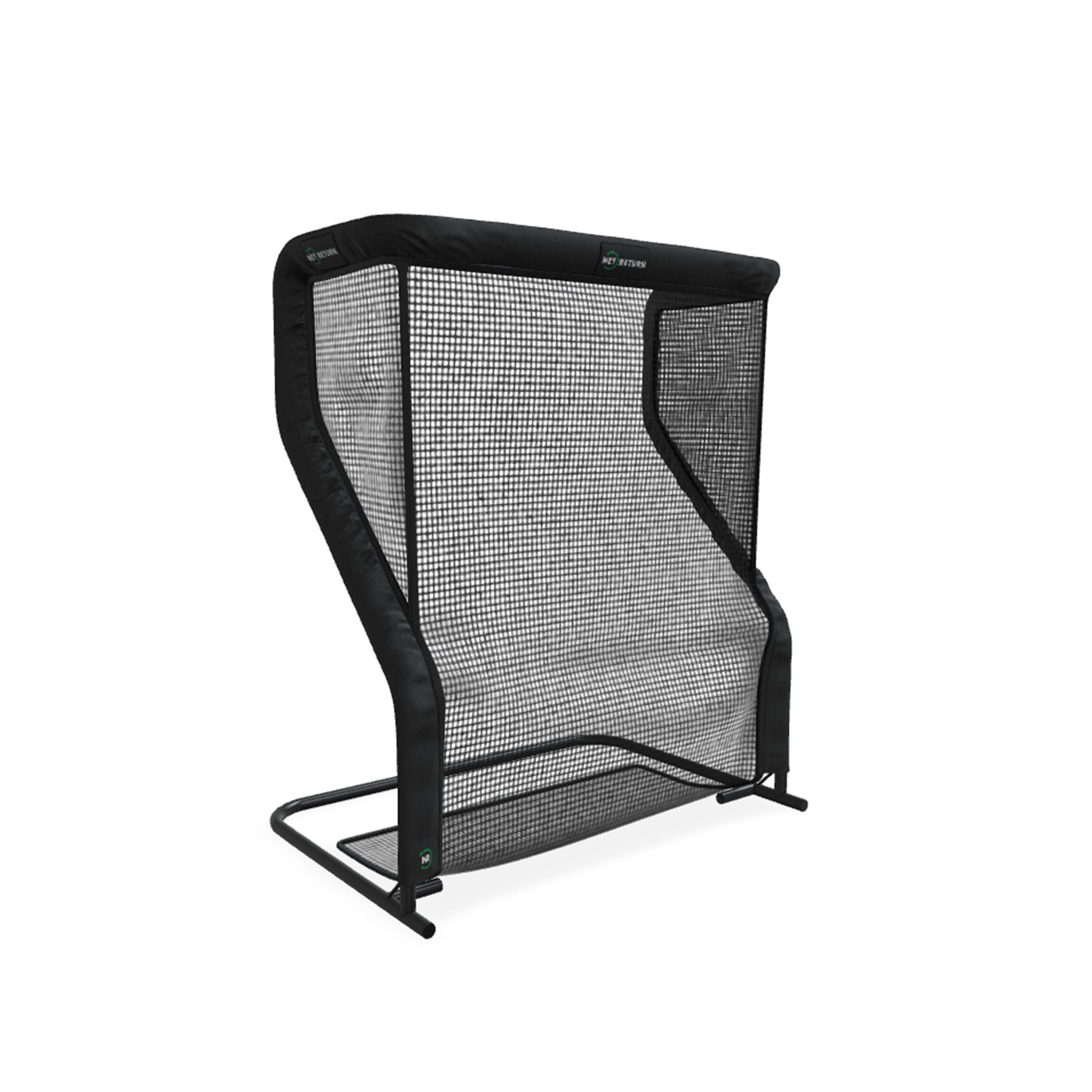
Comparing Popular Golf Practice Nets
To help you see the differences, here is a comparison of three common backyard golf nets:
| Model | Net Material | Size (W x H) | Frame Type | Special Features |
|---|---|---|---|---|
| Rukket Haack Net | High-denier polyester | 10′ x 7′ | Steel/fiberglass combo | Ball return, double net |
| GoSports Golf Net | Nylon mesh | 10′ x 7′ | Steel base | Reinforced edges, easy setup |
| Galileo Practice Net | Polyester | 7′ x 7′ | Fiberglass | Target zone, quick fold |
As you can see, size, material, and frame type vary widely. Choose based on your space, needs, and safety concerns.
How To Set Up A Golf Net Safely In Your Backyard
Proper setup is crucial for safety. Here’s how to do it right:
- Choose a safe area: Pick a flat, open spot away from windows, doors, and cars. If possible, avoid aiming toward neighbors’ homes or public spaces.
- Check space: Make sure you have room not just for the net, but also for your swing and a “safety zone” around it.
- Secure the frame: Use ground stakes, sandbags, or weight plates if your net comes with them.
- Follow instructions: Assemble according to the manual. Double-check connections, especially at joints and corners.
- Test with soft balls first: Hit a few foam or plastic balls to check for weak spots or movement.
- Supervise children: Never let kids play near the net when practicing, and store balls and clubs safely.
Backyard Golf Net Safety: Real-world Examples
Let’s look at some scenarios:
- Case 1: A golfer set up a net too close to his window. A mishit sent the ball through the side, shattering glass. The net was too narrow for his swing pattern.
- Case 2: A family used a cheap net that tore after a few weeks, letting balls hit the neighbor’s car. Switching to a double-layer net solved the problem.
- Case 3: Someone placed their net on uneven ground. A strong drive made the frame tip, nearly hitting a child. Using ground anchors and moving to a flat area prevented future accidents.
These examples show that proper setup and quality equipment are just as important as the net itself.
Risks And Precautions Most People Overlook
Many golfers think any net is safe if it “looks strong.” But here are two insights many beginners miss:
- Sun and Weather Damage: UV rays and rain can weaken net material over time. A net that feels strong today might break tomorrow if left outside for months. Check nets for wear often and store indoors when not in use.
- Rebound Risk: Some nets are too tight, causing balls to bounce back with speed. This can lead to injuries. Look for nets with some “give” or shock absorption, and always stand at a safe distance.
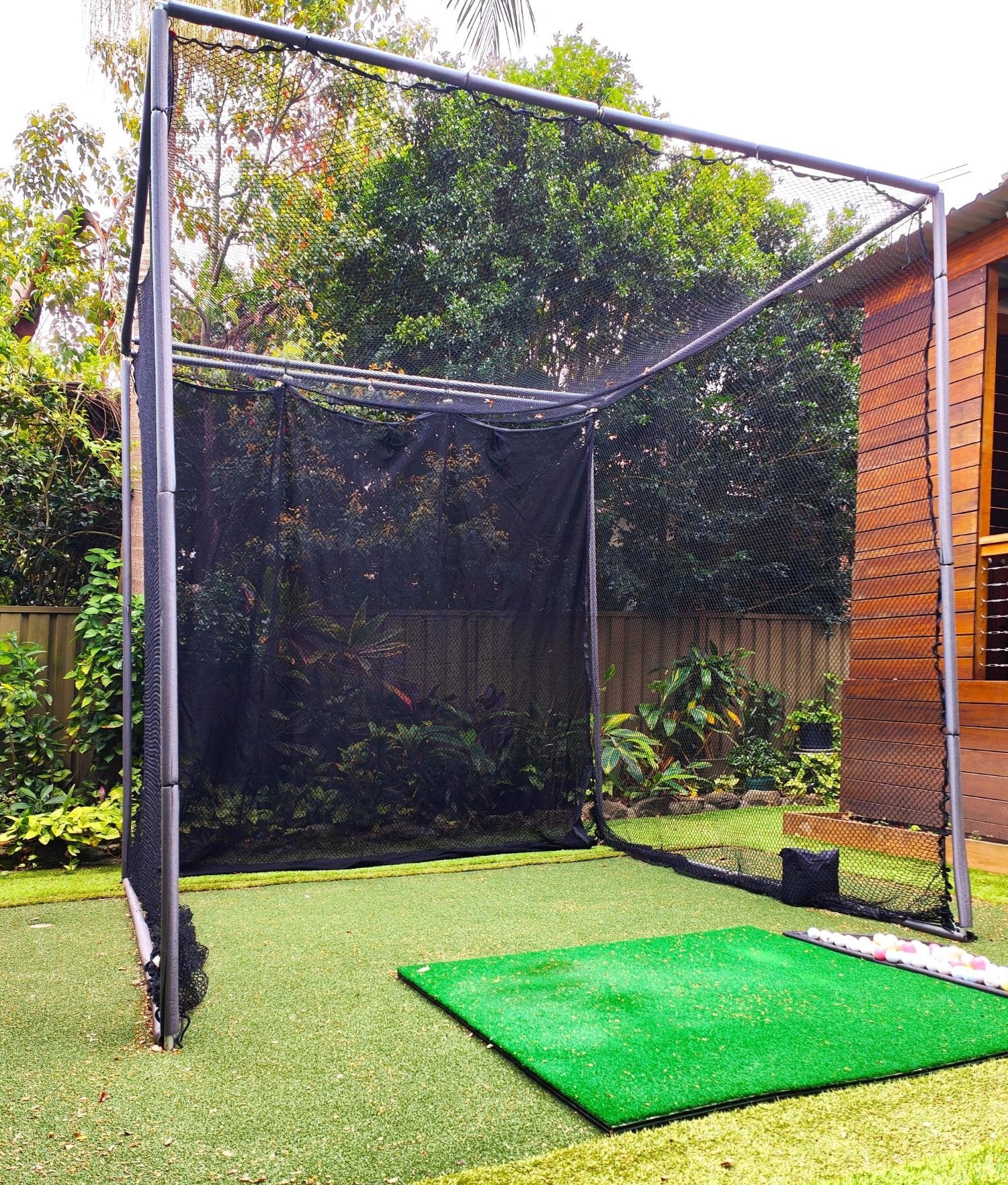
Pros And Cons Of Using Golf Practice Nets In Your Backyard
It’s important to weigh the good and the bad before setting up a golf net at home.
| Pros | Cons |
|---|---|
| Practice anytime | Potential property damage if not used correctly |
| Improve swing and accuracy | Risk of injury if net fails |
| Convenient and cost-effective | Exposure to weather can reduce net lifespan |
| Safe for kids with supervision and foam balls | Noisy for neighbors if used frequently |
How To Choose The Right Net For Maximum Safety
Choosing the right net isn’t just about price. Consider:
- Size: Go larger if possible.
- Material strength: Look for high-denier nylon or polyester.
- Frame: Steel is best for stability.
- Double netting: Adds backup protection.
- Reviews: Check for reports of failures or escapes.
- Warranty: A good warranty signals quality.
Avoid nets with very thin mesh or no anchoring system. These are more likely to cause problems.
Maintenance Tips To Keep Your Net Safe
A net is only safe if it’s in good condition. Follow these tips:
- Inspect regularly for holes, tears, or loose joints.
- Store indoors during bad weather or when not in use.
- Clean gently with a soft brush or cloth to remove dirt.
- Replace worn parts before they fail.
A little care goes a long way toward long-term safety.
When Golf Practice Nets Are Not Safe
There are some situations where using a golf net in your backyard is not a good idea:
- Your yard is too small, and you can’t place the net a safe distance from windows or property lines.
- You cannot secure the net properly due to hard ground or uneven surfaces.
- The net is damaged, old, or made from weak materials.
- You plan to use real balls in a crowded neighborhood with little buffer space.
- Children or pets often play unsupervised in the area.
In these cases, it’s better to practice at a driving range or use indoor training aids.

Alternatives For Safe Practice At Home
If a net is not suitable, try these options:
- Foam practice balls: Much safer for small areas.
- Chipping mats: For short game work with less risk.
- Indoor golf simulators: More expensive, but highly safe for indoor use.
These alternatives allow you to keep practicing while reducing risk.
Expert Opinions And Safety Standards
Organizations like the National Golf Foundation recommend using certified nets and following all manufacturer instructions. Some nets are tested for ball speeds up to 200 mph. Always check for safety certifications or independent reviews.
For official guidance, you can also visit the USGA website.
Frequently Asked Questions
How Often Should I Check My Golf Practice Net For Damage?
Inspect your net every few weeks if used regularly. Look for holes, tears, or loose fittings. After storms or heavy use, check again before practicing.
Can I Use Real Golf Balls In My Backyard Net?
Yes, but only if your net is designed for them and your space is safe. If unsure, use foam or plastic balls to reduce risk.
What Is The Best Place To Set Up A Golf Net In My Backyard?
Choose a flat, open area far from windows, cars, and walkways. Leave extra space behind the net and avoid aiming toward neighbors’ homes.
How Do I Keep My Net From Blowing Over In The Wind?
Use ground stakes, sandbags, or weight plates. Steel frames are heavier and less likely to tip. Take the net down in strong winds.
Are There Legal Issues With Using A Golf Net At Home?
In some areas, local rules or homeowners’ associations may restrict golf practice in yards. Check local regulations before setting up your net.
Backyard golf practice nets can be safe if chosen and used wisely. Take your time to pick quality equipment, set it up correctly, and inspect it often. This way, you can enjoy your practice with peace of mind and avoid unwanted surprises.


