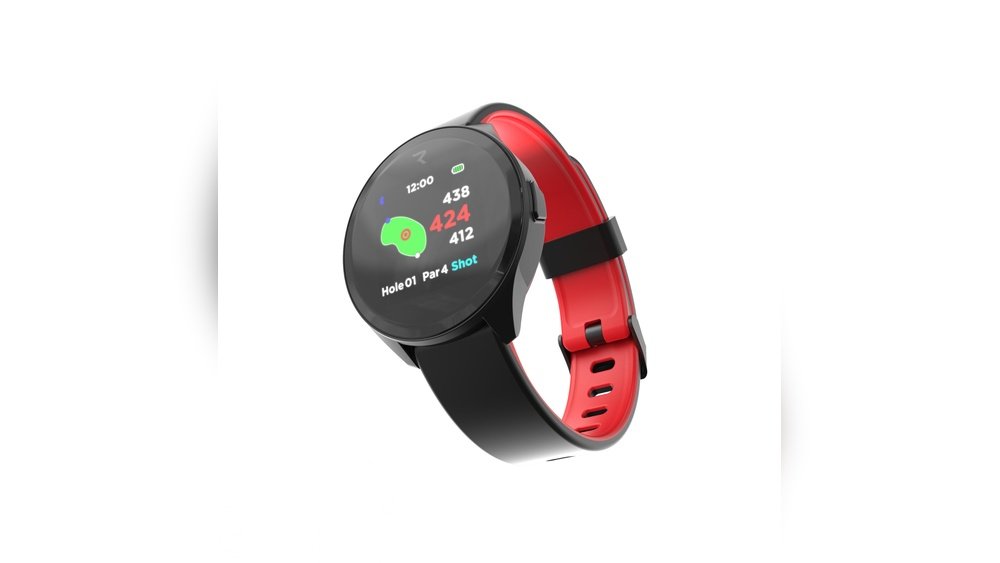
Are you tired of guessing where the hazards lie on the golf course? Imagine having a tool that guides you past bunkers, water traps, and tricky spots with ease.
A GPS golf watch might be exactly what you need to improve your game and lower your scores. But can it really track hazards accurately and help you make smarter shots? Keep reading to discover how this handy device can change the way you play and give you the confidence to tackle every hole like a pro.

How Gps Golf Watches Work
Understanding how GPS golf watches work helps you see how they track hazards on the course. These watches use satellite signals to find your exact position. Then, they calculate distances to various points, including hazards like bunkers and water. This technology lets golfers make better decisions during play.
Basic Technology Behind Gps Watches
GPS golf watches receive signals from satellites orbiting the Earth. The watch picks up signals from at least four satellites. It uses these signals to find your exact location on the golf course. The watch has a built-in map of the course with marked hazards and landmarks. This helps it show distances to hazards and other important spots.
Data Collection And Processing
The watch collects GPS data continuously while you play. It processes this data to update your position in real-time. The watch compares your location to the course map. It then calculates the distance to hazards like water, bunkers, and trees. This data helps golfers avoid trouble and plan shots better.
Accuracy And Limitations
GPS golf watches are usually accurate within a few yards. Trees, tall buildings, or bad weather can affect signal strength. This may cause small errors in distance measurements. The watch relies on preloaded course maps, which might not have recent changes. It’s important to use the watch as a guide, not an exact measurement tool.

Tracking Hazards On The Course
Tracking hazards on the golf course helps players avoid trouble spots. A GPS golf watch shows where dangers like water, sand, and rough areas lie. This helps you plan each shot carefully. Knowing hazard locations saves strokes and improves confidence.
Many GPS golf watches come with detailed course maps. These maps highlight common hazards and give distances to them. Players can see hazards clearly without guessing. It makes navigating the course easier and safer.
Identifying Water Hazards
Water hazards often cause lost balls and penalty strokes. A GPS golf watch marks ponds, lakes, and streams on the map. It shows how far these hazards are from your current spot. This information helps you avoid risky shots near water.
Some watches even warn you when approaching water hazards. This alert gives time to choose safer club or direction. Knowing water hazard positions helps keep your ball in play.
Locating Sand Bunkers
Sand bunkers slow down your game and add difficulty. GPS golf watches mark bunker locations clearly on the course map. You see how close bunkers are to your ball and hole. This helps you decide the best path to avoid them.
By tracking sand bunkers, you can plan safer shots. It reduces chances of getting stuck in the sand. GPS watches make it easier to stay out of bunkers.
Mapping Out Rough And Trees
Rough areas and trees block easy shots and cause trouble. GPS golf watches highlight rough patches and tree lines on the map. You know where to avoid or aim your shot around obstacles.
Tracking rough and trees helps you choose the right club. It also improves your shot accuracy. GPS watches give a clear view of tricky parts of the course.
Features For Hazard Tracking
Golf GPS watches offer useful features for tracking hazards on the course. These features help golfers avoid trouble and plan shots better. Understanding how these tools work can improve your game and lower your scores.
Course Mapping And Layouts
Golf GPS watches come with detailed course maps. These maps show the full layout of each hole. You can see where bunkers, water hazards, and rough areas lie. The watch updates maps regularly for accuracy. This feature helps you know what lies ahead before your shot.
Distance Measurements To Hazards
Distance measurements give exact yards to hazards. The watch calculates how far you are from bunkers or water. This information guides your club choice and shot direction. It reduces guesswork and helps avoid costly mistakes. Distance data updates as you move on the course.
Real-time Alerts And Notifications
Some golf GPS watches send alerts about nearby hazards. These notifications warn you when you get close to danger zones. Alerts can be visual or vibrate on your wrist. They keep you aware without distracting you from the game. This feature helps you stay focused and safe.
Popular Gps Golf Watches For Hazard Tracking
Popular GPS golf watches help players track hazards easily. These devices show distances to bunkers, water, and other obstacles. They help golfers plan shots and avoid trouble on the course. Many models offer detailed course maps and hazard alerts. This section covers top models, user feedback, and price comparisons.
Top Models And Their Features
Garmin Approach S62 offers large color maps and hazard views. It shows distances to front, middle, and back of hazards. Bushnell Ion Edge has a slim design and fast GPS. It tracks up to 36,000 courses worldwide. SkyCaddie LX5 provides precise yardages and hazard info. It features touchscreen and detailed course layouts.
User Reviews And Feedback
Users praise Garmin for clear maps and reliable data. Many find Bushnell easy to use with quick GPS fixes. SkyCaddie gets high marks for accuracy and screen quality. Some users mention battery life limits during long rounds. Others wish for simpler menus on advanced models.
Price Vs. Functionality
Garmin Approach S62 is mid-range, balancing cost and features. Bushnell Ion Edge costs less but offers fewer extras. SkyCaddie LX5 is pricier due to advanced mapping. Basic hazard tracking is available at lower prices. Higher cost often means better screens and more data.
Benefits Of Hazard Tracking
Tracking hazards on a golf course helps players avoid trouble spots. A GPS golf watch shows exact locations of bunkers, water, and rough areas. This feature gives clear information to make smart decisions.
Hazard tracking saves time and helps players stay focused. Knowing where hazards lie prevents unnecessary risks. It supports better planning and improves confidence on the course.
Improving Course Strategy
Knowing hazard positions helps plan each shot carefully. Players can choose safer routes around bunkers and water. This reduces chances of hitting into trouble. A smart strategy leads to better scores.
Reducing Unnecessary Shots
Hazard alerts stop players from hitting bad shots. Avoiding hazards means fewer penalties and lost balls. Players save strokes by staying clear of danger zones. This keeps the game smooth and less frustrating.
Enhancing Overall Performance
Tracking hazards helps players focus on their strengths. Confidence grows with clear course information. Better shot choices improve accuracy and consistency. Overall, performance improves with fewer mistakes.
Challenges And Drawbacks
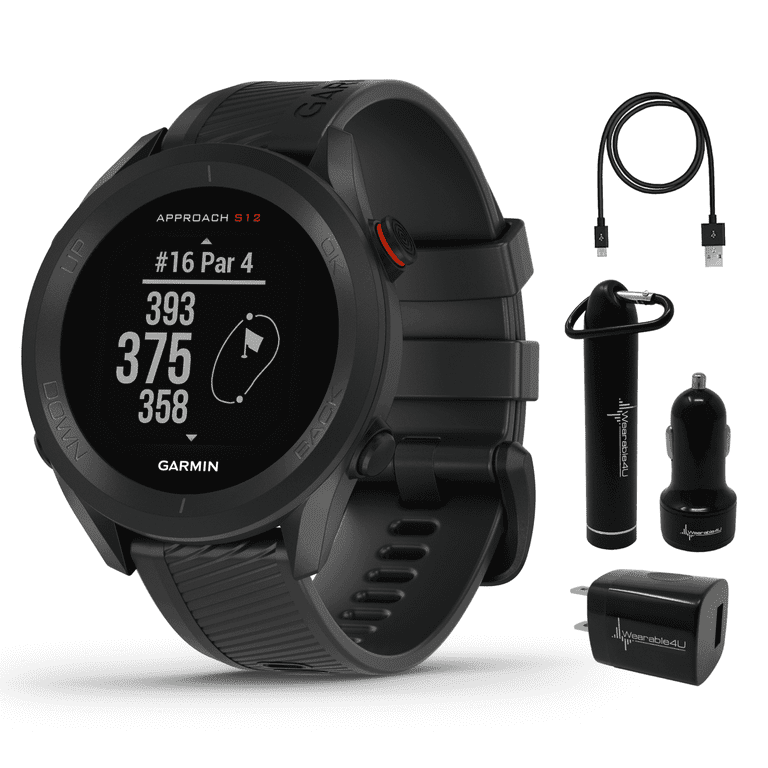
Using a GPS golf watch to track hazards offers many benefits. Still, some challenges and drawbacks come with the technology. Understanding these limits helps you decide if this tool fits your needs on the course.
Gps Signal Issues
GPS watches rely on satellite signals to work. Trees, tall buildings, or cloudy weather can block these signals. This may cause inaccurate hazard locations or delays in updates. Signal loss can frustrate users during critical shots.
Battery Life Concerns
Golf rounds take several hours to complete. GPS watches use a lot of power during this time. Battery life may not last through long games or multiple rounds. Running out of battery means losing hazard tracking and distance data.
Learning Curve For New Users
New users often find GPS golf watches tricky at first. Menus and features can be confusing. Learning to read the screen and use hazard alerts takes practice. Some may feel overwhelmed without clear instructions or guidance.
Tips For Maximizing Gps Golf Watch Use
Using a GPS golf watch can improve your game by helping you track hazards. To get the most from your device, follow some simple tips. These tips ensure accurate data and better performance on the course.
Small actions can lead to big improvements in your golf rounds. Stay updated, customize alerts, and connect with other apps for a smoother experience.
Regular Software Updates
Keep your watch software up to date. Updates fix bugs and improve accuracy. They also add new course maps and features. Check for updates often, especially before a round. Updated software means better hazard detection and smoother operation.
Customizing Hazard Alerts
Set alerts to fit your style of play. Choose which hazards to track closely. Adjust alert distances to avoid distractions. Personalized alerts help you focus on important dangers. This keeps your attention on the course and your game.
Integrating With Other Golf Apps
Connect your GPS watch to other golf apps. Sync scores, stats, and course info easily. Some apps offer detailed analysis and tips. Linking devices gives a fuller picture of your game. Use this data to find weak spots and improve.
Frequently Asked Questions
Can Gps Golf Watches Show Hazard Locations Accurately?
Yes, GPS golf watches provide precise hazard locations on the course. They use satellite data to map bunkers, water, and other hazards, helping golfers avoid trouble spots and plan shots effectively.
Do All Gps Golf Watches Track Course Hazards?
Most modern GPS golf watches include hazard tracking features. However, the accuracy and detail vary by brand and model. Always check product specs to ensure it covers hazard mapping.
How Does Hazard Tracking Improve Golf Performance?
Tracking hazards helps golfers make informed shot decisions. It reduces risks by avoiding trouble areas and improves overall course management, leading to better scores and enhanced gameplay.
Can Gps Golf Watches Update Hazard Data Regularly?
Yes, many GPS golf watches receive regular course updates. These updates include new or changed hazards, ensuring players have the latest course information for accurate navigation.
Conclusion
A GPS golf watch helps you see hazards clearly on the course. It shows distances to bunkers, water, and other dangers. This information lets you plan your shots better and avoid trouble. The watch saves time and keeps you focused on your game.
It works well for beginners and experienced golfers alike. Using one can make your rounds smoother and more fun. In short, a GPS golf watch is a useful tool for tracking hazards. It helps you play smarter and enjoy golf more.


