Leather gloves feel tackier and softer; synthetics last longer and handle sweat.
If you want the best pick for your game, you are in the right place. I have tested and fitted hundreds of gloves for golfers from beginners to scratch players. In this guide, I break down Leather Golf Gloves vs Synthetic Gloves with real course notes, simple tips, and data you can use today.
What sets leather golf gloves apart
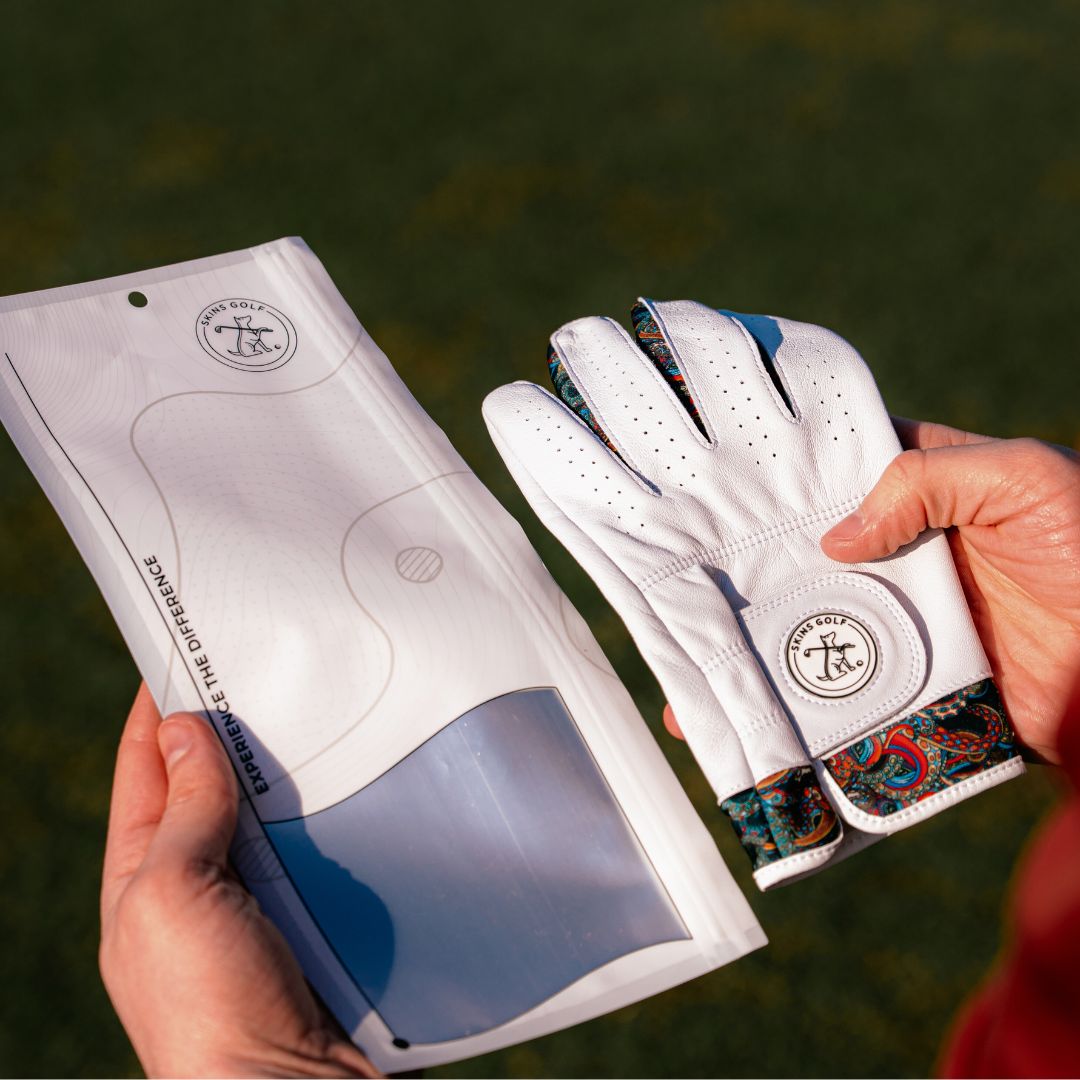
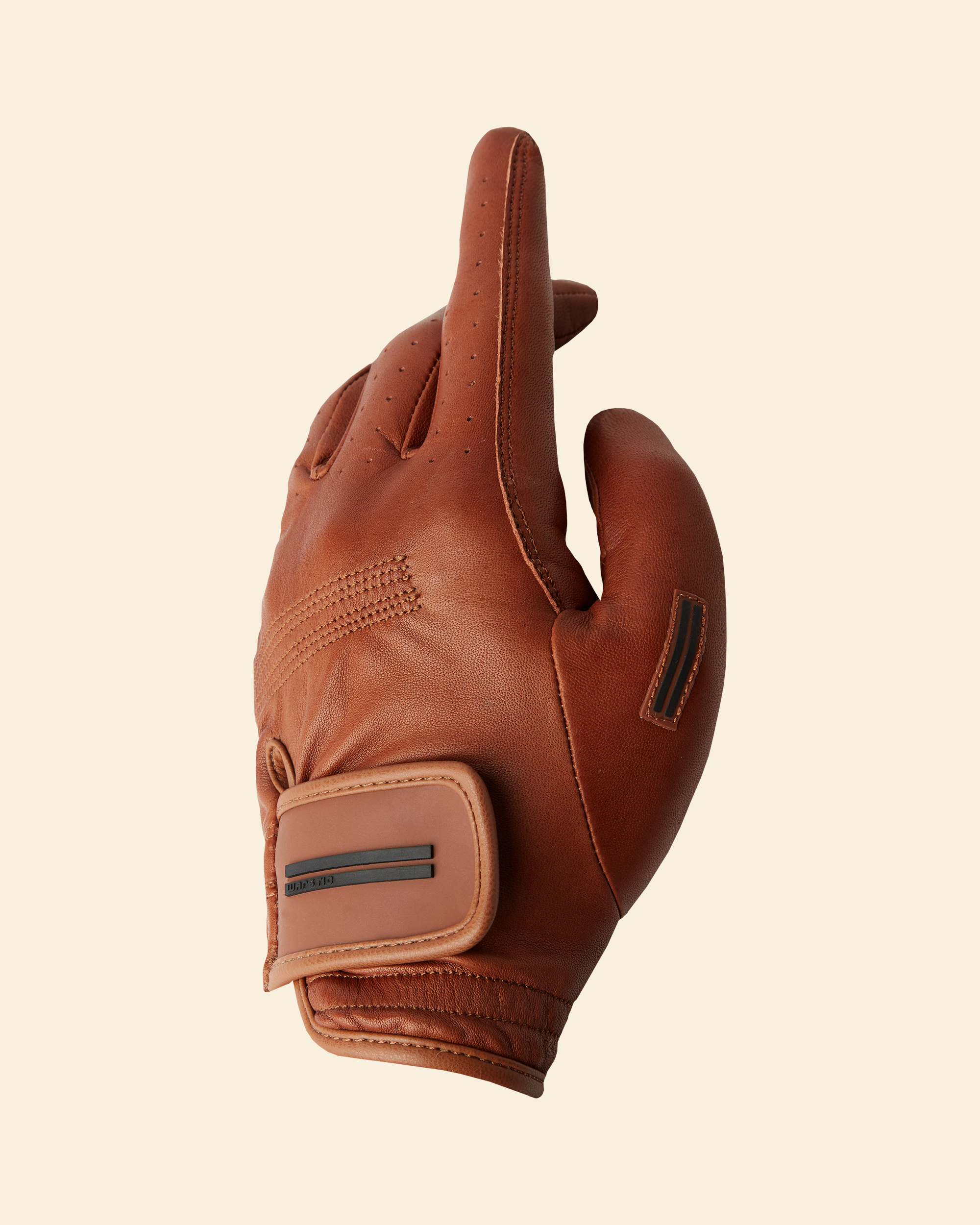
Leather, often cabretta, gives top feel. The palm molds to your hand. The grip is tacky without strain. You can hold the club light and still feel secure.
Leather breathes well. It releases heat and moisture faster than many blends. That helps reduce slip from sweat. It also keeps your hands calm under pressure.
But leather can wear faster. It does not love heavy range use or soaked rounds. With care and rotation, a good leather glove can last many rounds and keep that soft touch. In Leather Golf Gloves vs Synthetic Gloves, this is the feel king.

What makes synthetic golf gloves different
Synthetic gloves use engineered fibers. They stretch, resist tears, and often include mesh panels. They stay stable in shape and do not need break-in.
Most synthetics handle sweat well. Many are labeled as all-weather. They dry quick and often work better in humid heat. They can be machine washable, which is great for travel and busy weeks.
The tradeoff is feel. They can be less supple than leather. The grip is good, yet the feedback can feel muted to some players. In Leather Golf Gloves vs Synthetic Gloves, synthetics win on value and uptime.
Leather Golf Gloves vs Synthetic Gloves: head-to-head comparison
- Grip and feel. Leather feels more alive in your hands. It gives cleaner feedback on face contact and grip pressure. Synthetics grip well but feel a bit firm.
- Durability. Synthetics often last longer. Many players see two to three times the rounds. Leather can last if you rotate and dry it right.
- Weather. Leather shines in mild and dry days. Synthetics handle heat, sweat, and drizzle better. For heavy rain, use rain gloves built for water.
- Fit and comfort. Leather molds to you with a snug fit. Synthetics keep shape and stretch for easy on and off. Both can fit great when sized right.
- Maintenance. Leather needs gentle care. Air dry flat. Never bake it in a car. Synthetics are low care and sometimes washable.
- Cost per round. Leather can cost more per round if you pound range balls. Synthetics give solid value for frequent practice.
- Eco notes. Leather is animal based. Synthetics are petroleum based. Longevity, care, and rotation affect footprint more than material alone.
From my fittings, many low handicap players choose leather for feel on scoring shots. Many high practice players use synthetic for value and sweat control. Your choice in Leather Golf Gloves vs Synthetic Gloves depends on your goals.

Fit, sizing, and break-in tips
Fit is everything. A glove should be snug with no palm folds. The Velcro tab should close near the center.
Here is a quick process I use with players.
- Measure your hand at the widest point. Check a size chart for a start point.
- Try both regular and cadet. Cadet has shorter fingers with a wider palm.
- Check finger length. Fingertips should not bunch. No extra space.
- Make a few soft grips. The glove should not twist when you swing.
- For leather, expect a tiny stretch. For synthetic, expect little change.
For Leather Golf Gloves vs Synthetic Gloves, leather needs a snugger start. Synthetic can match exact size since it holds shape.

Care and maintenance
A clean glove lasts longer and feels better. Small habits go a long way.
- After each shot, air your glove. Hook it to your bag for a minute.
- Rotate two to three gloves in a round if you sweat. This keeps tack.
- For leather, wipe gently with a damp cloth. Air dry flat on a form or a ball.
- For synthetic, some models allow a gentle wash. Air dry only.
- Never leave gloves in a hot trunk. Heat kills grip and shape fast.
In Leather Golf Gloves vs Synthetic Gloves, care narrows the gap. A well kept leather glove can rival synthetic on life.

Weather conditions and performance
Hot and humid days test any glove. Synthetics hold up well to sweat and keep grip steady. Leather can get slick if soaked, but rotates back with a dry towel and air.
Cool and dry days favor leather. It stays tacky and gives crisp touch. The feedback helps with wedge distance and pace on chips.
For rain, use a rain glove pair. They grip better when wet by design. Keep a leather or synthetic glove dry in your bag for the back nine if the sun comes out. Leather Golf Gloves vs Synthetic Gloves is less key in heavy rain. Use tools built for water.
Budget and value
Let’s talk numbers. These are ranges I see in real play.
- Leather gloves. Often last 10 to 20 rounds with rotation and care.
- Synthetic gloves. Often last 20 to 40 rounds, even with range time.
- Price. Leather is usually higher per unit. Synthetics often cost less.
Cost per round matters if you practice a lot. For daily range work, synthetic can be the smart buy. For league play or tournaments, a fresh leather glove can be your edge. Many golfers mix both in Leather Golf Gloves vs Synthetic Gloves to match the day.

Who should choose what
Match the glove to your game and habits.
- The feel seeker. If you love shot feedback, pick leather for play days.
- The range grinder. If you hit buckets often, use synthetic to save cost.
- The heavy sweater. Synthetic or all-weather models will keep grip safe.
- The traveler. Synthetic packs easy, dries fast, and needs little care.
- The mixed user. Keep one leather for rounds and one synthetic for practice.
In Leather Golf Gloves vs Synthetic Gloves, mixing can give you the best of both worlds.
Common mistakes and how to avoid them
- Buying too big. Extra palm fabric causes blisters and slips. Go snug.
- Over tightening. If you need to yank the tab, the glove is too big.
- Wrong glove for weather. Use rain gloves when it pours. Save leather for dry.
- Poor storage. Do not crumple in a pocket. Dry flat to keep shape.
- No rotation. One glove all day gets soaked. Rotate to keep tack.
These small fixes make any choice in Leather Golf Gloves vs Synthetic Gloves work better.
How I test gloves on the course
I test with three nine hole loops. One in dry morning air. One in midday heat. One at dusk with dew. I track grip slip, comfort, and score.
I also measure sweat by feel and by weight change. I rotate gloves every three holes. Leather shines on touch shots and putting. Synthetic keeps hands calm on full swings in heat. In Leather Golf Gloves vs Synthetic Gloves, both can win if used at the right time.
A final tip. Log when you open a glove. Count rounds. Replace before a big match. Fresh tack can save a stroke when it counts.
Frequently Asked Questions of Leather Golf Gloves vs Synthetic Gloves
Are leather gloves better for low handicaps?
Many low handicaps prefer leather for feel and feedback. It helps with distance control and soft grip pressure.
Do synthetic gloves work in the rain?
They work better than leather in light rain. In heavy rain, use a true rain glove for best grip.
How often should I replace my glove?
Replace when you see palm shine, holes, or slips with light grip. Many golfers swap every 10 to 20 rounds for leather, and 20 to 40 for synthetic.
Can I wash my golf glove?
Some synthetic gloves can be washed on gentle and air dried. Leather should be wiped with a damp cloth and air dried flat.
Should I wear a glove on both hands?
Use one glove on your lead hand for most play. Use rain gloves on both hands only in wet rounds.
Which is better for sweaty hands?
Synthetic or all-weather gloves are better for heavy sweat. Rotate gloves and use a towel to keep tack.
Do pros use leather or synthetic?
Most tour players use cabretta leather for feel. They also change gloves often and keep them dry.
Conclusion
The right glove is a simple edge you feel on every swing. Leather boosts touch and calm grip. Synthetic boosts uptime, value, and sweat control. In the real world of Leather Golf Gloves vs Synthetic Gloves, the best move is to match the glove to your day, your hands, and your goals.
Try this plan. Use leather for rounds where feel matters. Use synthetic for practice or hot days. Track your wear, rotate often, and size snug. Ready to dial in your glove game? Share your pick or questions in the comments and subscribe for more gear tips.