Low spin balls fly straighter; high spin balls stop faster and grip.
If you want to choose the right ball, you need to know how spin works. In this guide on Low Spin vs High Spin Golf Balls, I’ll share what years of fittings and launch monitor sessions have taught me. We will compare flight, feel, control, and cost. I’ll show real tests, simple tips, and a clear way to pick the best ball for your game.

How spin works in simple terms
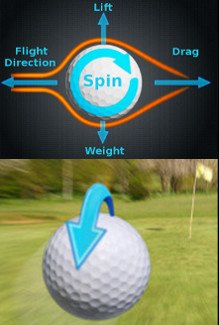
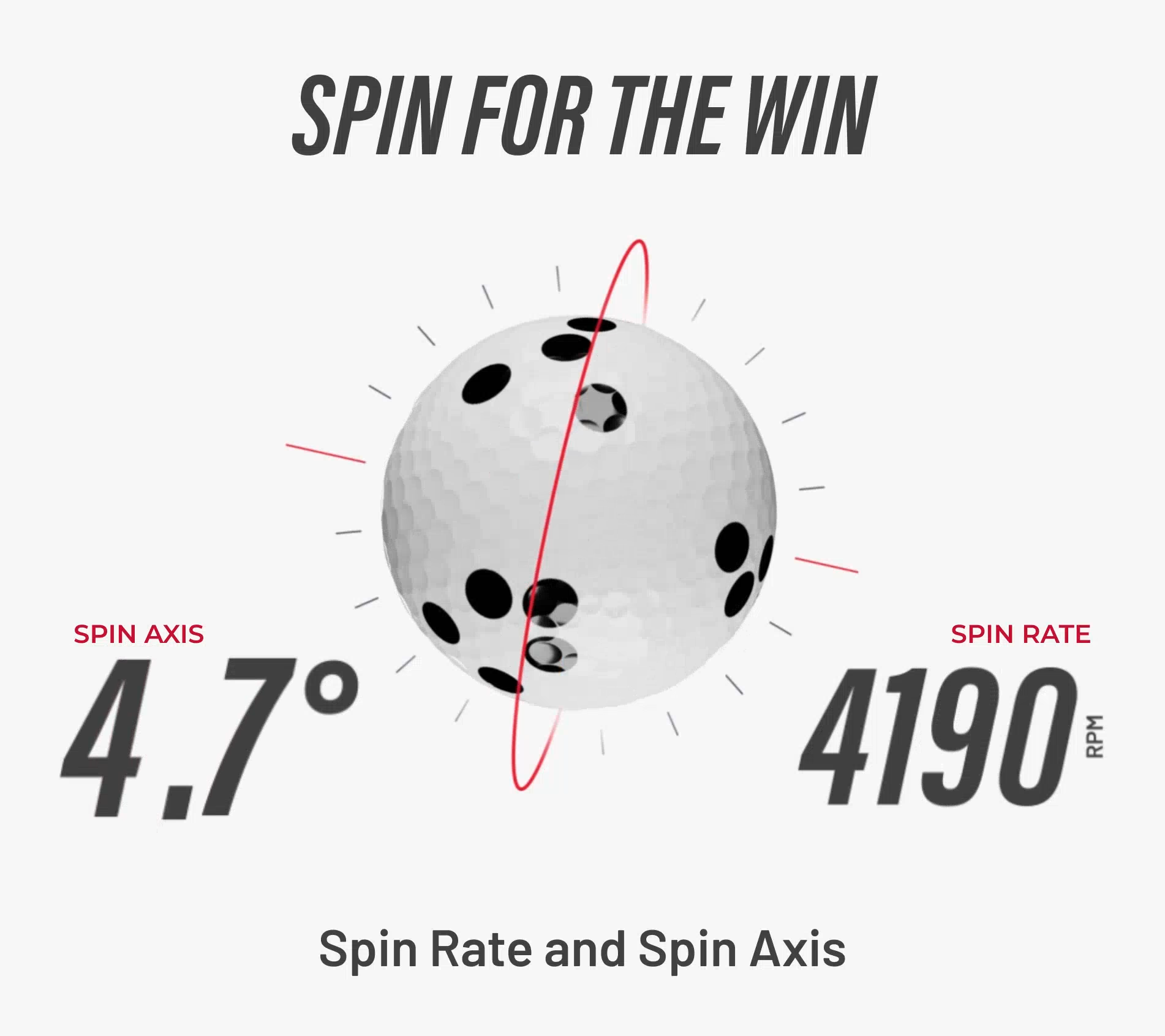
Spin is like the steering wheel of the golf ball. Backspin creates lift. Side spin makes the ball curve.
Low spin reduces lift and curve. That can boost distance off the tee and keep the ball on line. High spin creates more lift and bite. That helps iron shots stop and wedges check on tight pins.
Dimples shape the air around the ball. A smooth cover would fly like a rock. The right dimple pattern can lower or raise spin in wind and change peak height. That is why two balls with the same speed can fly very different.
Low Spin vs High Spin Golf Balls: key differences
Comparing Low Spin vs High Spin Golf Balls is not about right or wrong. It is about matching the ball to your shots.
Key traits you will notice:
- Driver flight: Low spin flies lower with less curve. High spin flies higher and can balloon in wind.
- Irons and wedges: Low spin runs out more on greens. High spin lands softer and stops sooner.
- Feel: Many high spin balls use a urethane cover and feel soft on chips. Many low spin balls use ionomer covers and feel a bit firmer.
- Misses: Low spin reduces the curve of a slice or hook. High spin can make side spin show up more.
- Durability: Ionomer covers tend to be tougher. Urethane covers can scuff sooner but give better greenside control.
In my fittings, golfers who fight a slice gain control with a low spin model off the tee. Better players who want to attack firm pins often score lower with a high spin urethane ball.

Who should use Low Spin vs High Spin Golf Balls
Think about your goals and typical misses. Here is a simple match-up for Low Spin vs High Spin Golf Balls.
Low spin may suit you if:
- You slice or hook and need a straighter tee ball.
- You want more roll out and a flatter flight in wind.
- You play soft courses where the ball will still stop.
High spin may suit you if:
- You want iron shots to hold firm greens.
- You like to hit low spinners and chips that check.
- You can control curve and strike the center often.
Swing speed matters, but it is not the only factor. I have seen a 90 mph driver swing use a high spin urethane ball and shoot a personal best because wedges were dialed in. The best choice fits your most common shots, not a number alone.

Performance by shot type
Low Spin vs High Spin Golf Balls behave in clear ways across the bag. Use this view when you test.
Driver
- Low spin: More roll, less curve, lower peak. Great in wind.
- High spin: Higher flight, more carry, more curve if the face is open or closed.
Irons
- Low spin: Longer run out. You may need to land it shorter.
- High spin: Lands steeper and holds greens better.
Wedges
- Low spin: More release. Safer for bump-and-run shots.
- High spin: More grab on one-hop-and-stop shots.
Putting
- Low spin vs high spin feel differs by cover and compression. Urethane often feels softer and helps some players with pace. Ionomer often feels firmer and can help on slow greens.
Data from launch monitor testing
Here is what I have seen in real tests with mid and fast swing players. Numbers are typical ranges, not lab claims. I run tests with a clean face and new balls to keep it fair.
Driver, 95 mph player
- Low spin ball: 2,000–2,200 rpm, 14 degrees launch, 235–245 carry, straighter dispersion.
- High spin ball: 2,600–2,900 rpm, 13 degrees launch, 225–235 carry, more curve on misses.
Driver, 110 mph player
- Low spin ball: 1,900–2,200 rpm, 12–13 degrees launch, 280–295 carry, tight window in wind.
- High spin ball: 2,400–2,700 rpm, 12 degrees launch, 270–285 carry, higher peak, more shape.
Full wedge, 75-yard shot with a clean urethane cover
- Low spin ionomer: 6,000–7,000 rpm, more release.
- High spin urethane: 8,000–9,500 rpm, quicker stop.
These trends echo what many fitters see. The exact spin window and carry depend on strike. Small face contact changes can swing spin by 500–1,000 rpm. That is why you should test more than one swing.
Course conditions and wind
Course setup shifts the Low Spin vs High Spin Golf Balls choice more than people think.
- Firm greens: Favor high spin so irons hold. A urethane cover shines.
- Soft greens: Low spin can still stop due to soft turf. You gain tee distance without losing control.
- Heavy wind: Low spin reduces ballooning and drift. Keep the flight down and the ball on line.
- Thick rough: High spin helps recover shots stop near the green.
- Cold weather: Spin drops and the ball feels harder. A softer high spin ball can help.
- Hot weather: The ball flies more and spins a touch less. Low spin might get very hot off the tee, so watch roll-out.

Price, durability, and construction
Ball build shapes spin and feel. This matters for Low Spin vs High Spin Golf Balls.
- Cover: Urethane covers give high spin on chips and wedges. Ionomer covers lower greenside spin and boost life.
- Layers: More layers can tune driver spin down while keeping wedge spin up. That is how some tour balls stay long and still stop.
- Compression: It affects feel and speed transfer. High compression can suit faster swings. Low compression can help slower swings keep speed and feel.
- Price: Urethane tour balls cost more. Many mid-price urethane balls now offer strong spin with better value.
Test durability too. If a wedge chews the cover after two swings, it may not fit a budget or a long round.

How to choose: a simple decision framework
Use this fast plan to pick between Low Spin vs High Spin Golf Balls.
- Define your goal. More fairways, more green hold, or lower scores on short shots.
- Pick two to three models. Include one lower spin ionomer and one higher spin urethane.
- Test tee shots first. Track carry, roll, and curve on at least five good strikes.
- Test 7-iron next. Note peak height, land angle, and how far it stops.
- Test 50-yard and 10-yard chips. Watch first bounce and total roll.
- Play nine holes. Drop a second ball on approach shots when pace allows and compare.
- Choose the ball that saves the most strokes in your weak area. Keep it for at least one month before changing.
Testing tips and mistakes to avoid
I learned these the hard way while running on-course and bay tests for Low Spin vs High Spin Golf Balls.
- Clean grooves and ball before every shot. Dirt can drop spin by a large amount.
- Use the same club and target. Change one thing at a time.
- Do not judge by one hero shot. Look at averages and dispersion.
- Beware range balls. Use new sleeves for real results.
- Mark balls with a dot so you do not mix models.
- Check feel on the green at the end. Pace control is part of scoring.
Frequently Asked Questions of Low Spin vs High Spin Golf Balls
Do low spin balls go farther?
They can go farther off the tee because they fly straighter with more roll. The gain depends on your launch, strike, and wind.
Will high spin balls make my slice worse?
They can show more curve if you add side spin at impact. A square face and centered strike matter more than the ball alone.
Can beginners use high spin balls?
Yes, if they need help stopping shots on the green. Many new players still prefer low spin for straighter drives.
Is compression the same as spin?
No. Compression affects feel and how energy moves to the ball. Spin is shaped by cover, dimples, loft, and strike.
Are mid spin balls a good compromise?
They are a smart middle ground for many golfers. You get some tee help and better greenside control without tour prices.
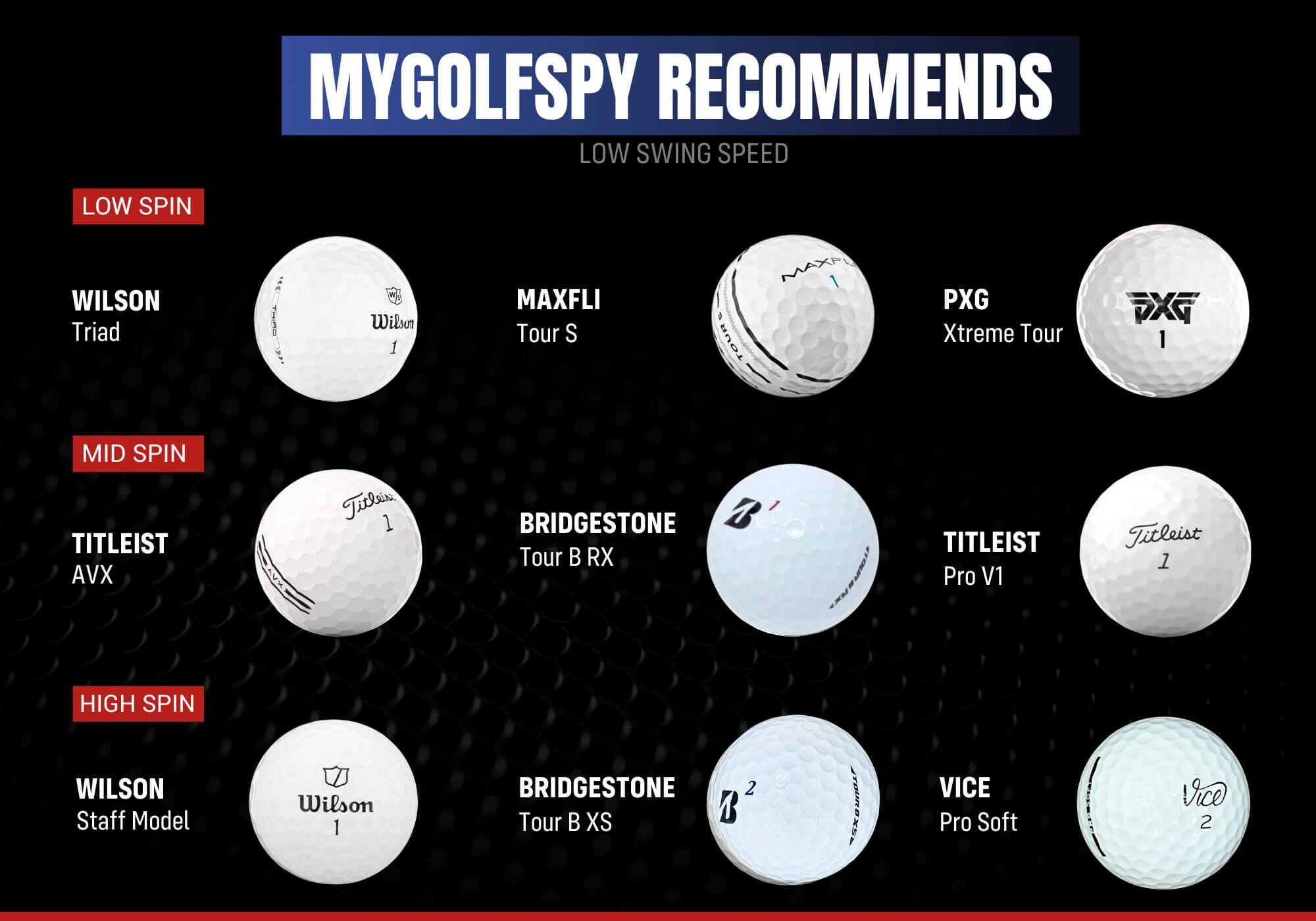
How do I tell if a ball is low or high spin?
Look at the cover and the brand’s wedge spin rating. Urethane covers tend to be higher spin, while ionomer is often lower.
Do soft feel balls always spin more?
Not always. Soft feel can mean low compression, but the cover and design still control wedge spin.
Conclusion
Spin is your control lever. Low Spin vs High Spin Golf Balls is not a debate to win, it is a fit to find. Use your goals, test on the course, and let the scorecard pick the winner.
Start with two models, track tee and wedge shots, and commit to the one that saves strokes. Ready to dive deeper? Explore more ball fitting guides, share your results, and subscribe for new test data and simple golf tips.