Electric trolleys save energy and pace; manual trolleys are cheaper and simple.
Choosing between an Electric Golf Trolley vs Manual Trolley comes down to how you play, how you feel over 18 holes, and what you value. I’ve walked hundreds of rounds using both, tested dozens for clients, and tracked wear, batteries, and pace data. In this guide, I break down Electric Golf Trolley vs Manual Trolley with clear facts, simple tips, and real course stories so you can pick with confidence.
What matters in the Electric Golf Trolley vs Manual Trolley debate
Both options move your bag. The gap is how they affect your body, pace, and focus. Electric saves energy and can handle hills with ease. Manual is light, simple, and friendly on budget.
Think about these core points in the Electric Golf Trolley vs Manual Trolley choice:
- Effort and fatigue
- Slope and terrain control
- Pace and rhythm across 18 holes
- Storage, weight, and transport
- Budget and long-term value
Over many rounds, I saw the biggest change in back and knee load. On hot days and hilly tracks, an electric model kept my swing fresh on the last five holes. That alone won me a few matches.
Electric golf trolley: pros, cons, and real use
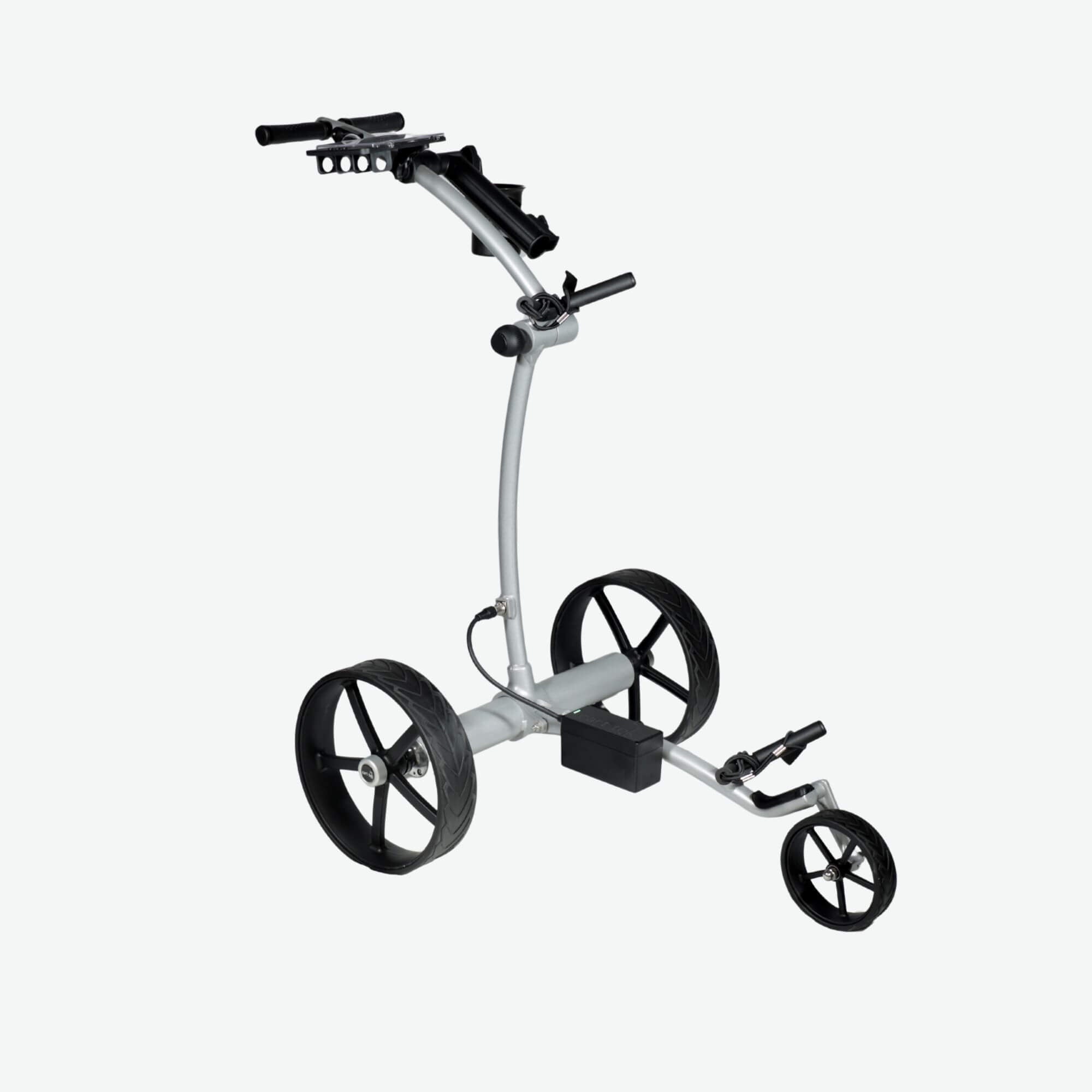
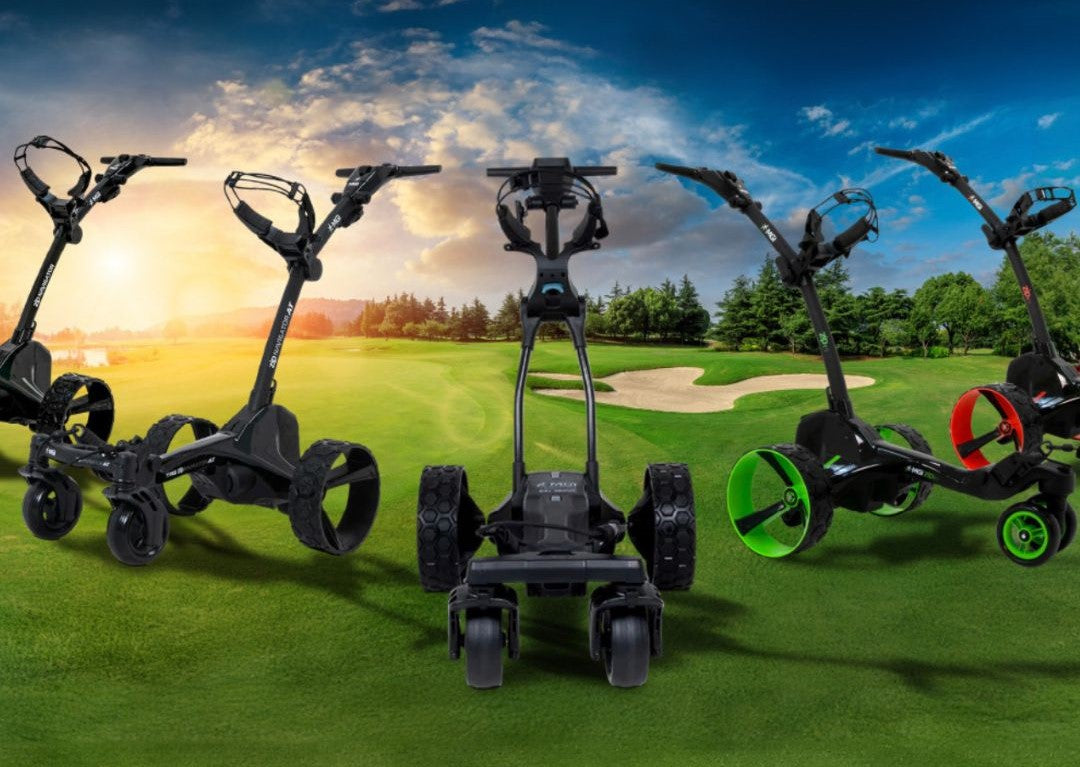
Electric stands out when you want to save energy and hold form. It keeps a steady pace and helps on hills. Remote options add hands-free ease on fairways.
Pros:
- Less strain on back, knees, and shoulders
- Slope and downhill control on better models
- Consistent pace for faster rounds
- Great for heat, wind, and wet turf
- Helpful for golfers with injuries or seniors
Cons:
- Higher upfront cost
- Battery care and charging needed
- Heavier to lift in and out of cars
- Repairs can cost more than manual parts
In my testing, I used an electric on a 6,600-yard course with big climbs. My heart rate stayed lower, and my swing path stayed stable late in the round. For many players, that is the key edge in the Electric Golf Trolley vs Manual Trolley debate.

Manual trolley: pros, cons, and real use
Manual keeps things simple. It costs less and needs almost no care. If your course is flat, it can be the best call.
Pros:
- Low price and near-zero upkeep
- Light and quick to fold
- No charging or cables to track
- Easy to store in small trunks
Cons:
- More effort on long days or big hills
- Can slow pace when the wind picks up
- Tougher on backs and knees over time
I love a three-wheel manual on local flat muni tracks. It is nimble and fast. But on steep holes, I felt my form fade on the back nine. That is where Electric Golf Trolley vs Manual Trolley feels most real.

Health, fitness, and fatigue: what does the data say?
Walking is great for health. You burn calories with both choices. With a manual, you burn a bit more, but strain can rise in the lower back and knees. With an electric, you keep the walk but cut the push and pull load.
Studies on walking golfers show better heart health and less risk than riding. Electric keeps your heart rate in a steady zone while easing joint stress. For those with past injuries, the Electric Golf Trolley vs Manual Trolley choice leans electric to reduce flare-ups. If you want a workout, manual can be fine on gentle courses.
Course conditions and terrain
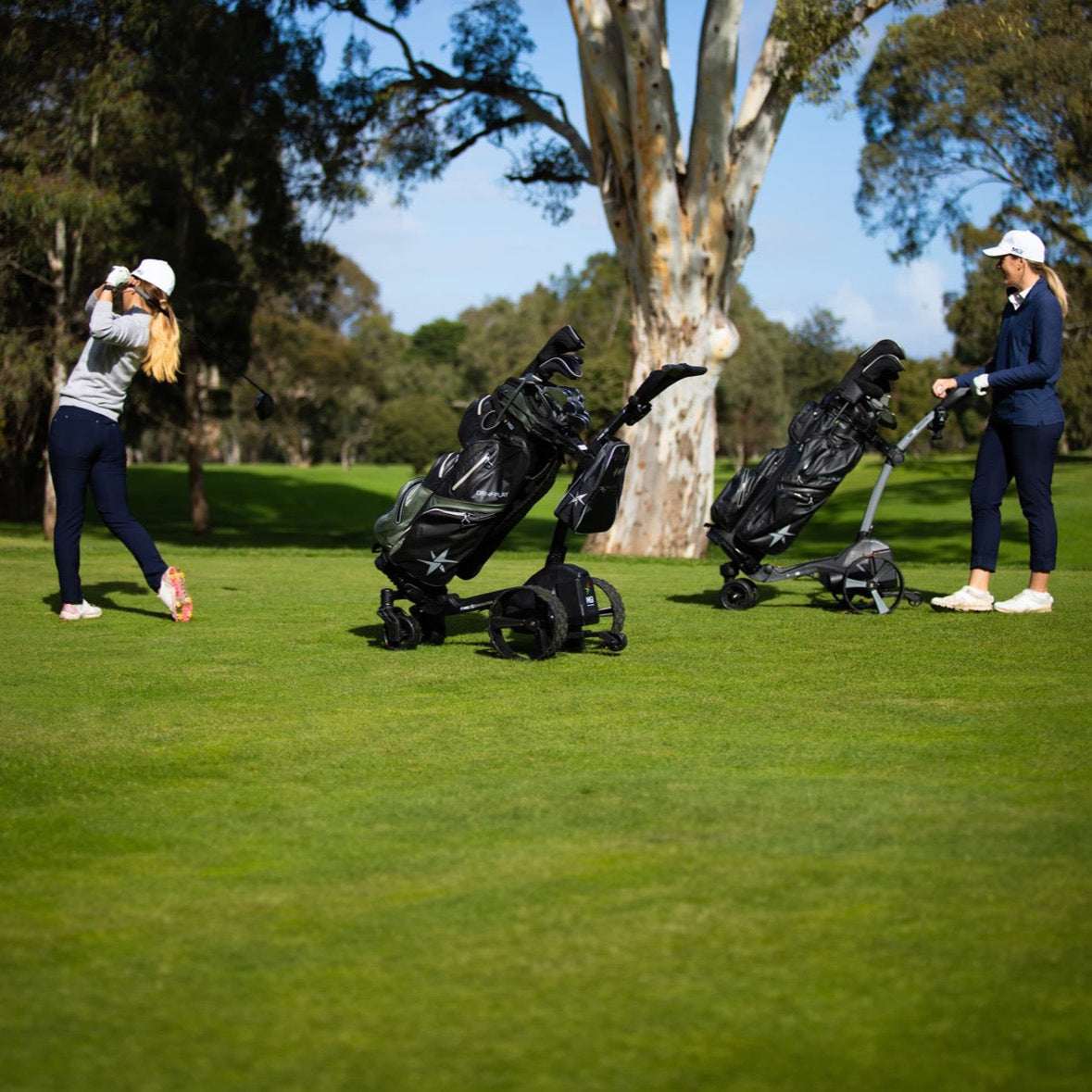
Your course profile can decide it. On flat and firm fairways, a manual flies. On hilly, wet, or windy days, electric wins with control and grip.
Key notes for the Electric Golf Trolley vs Manual Trolley call:
- Steep slopes: electric with downhill control holds speed and line
- Soft turf: electric torque helps; wide wheels add float
- Tight paths: manual turns fast and packs small
- Winter rules: electric minimizes strain when layers add weight
On coastal tracks with gusts, I found manual trolleys drift and slow. Electric kept a clean line into the wind.
Cost of ownership and value
Think beyond the price tag. Electric costs more up front but can add value in comfort and pace. Manual is budget-friendly with few long-term costs.
What to weigh in Electric Golf Trolley vs Manual Trolley:
- Electric upfront: often several hundred to over a thousand dollars
- Battery life: lithium can last 3 to 5 years with care
- Spares: wheels, straps, and chargers add small costs
- Manual upfront: low, with minimal parts to replace
- Resale: premium electric brands hold value better
A simple math check helps. If an electric trolley gives you two extra stress-free years of walking, and saves your back, that is real value you feel every round.

Battery basics, range, and charging tips
Modern electric trolleys use lithium for light weight and stable power. Many last 18 to 36 holes per charge, based on course and load. Heavy bags and steep slopes cut range.
Care tips I teach for Electric Golf Trolley vs Manual Trolley buyers:
- Charge after each round; avoid full drain
- Store cool and dry; do not leave in hot cars
- Top up monthly if stored long-term
- Check contacts for dirt or moisture
- Use a surge-protected outlet if you can
If range drops fast, check tire pressure, wheel alignment, and bag weight. A simple tune-up can restore a lot of life.
Features that matter in 2025 models
Electric options keep getting smarter. These features add real value you can feel on the course.
Electric features to look for:
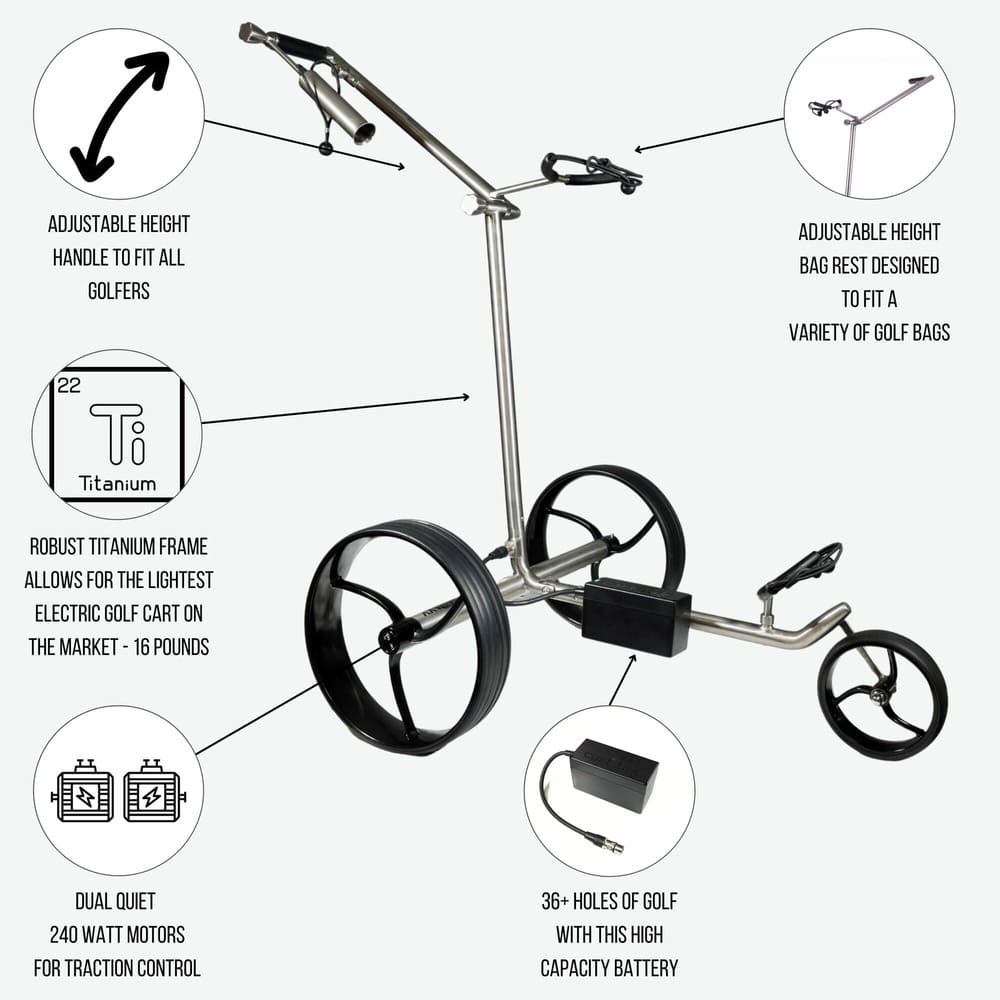
- Downhill speed control for safe slopes
- Remote or follow modes for hands-free use
- Quick-fold frames and light batteries
- USB or power ports for range finders
- Freewheel mode if the battery dies
Manual features to look for:
- Stable three or four-wheel frames
- Easy fold with one-step latches
- Foot or hand brakes for hills
- Strong straps that hold stand bags and carts bags
- Compact size to fit small trunks
Match features to needs in the Electric Golf Trolley vs Manual Trolley choice. Do not pay for tech you will not use.
Sustainability and noise
Manual trolleys have near-zero energy use and no battery waste. Electric uses power but far less than riding carts. Modern lithium packs can be recycled, which cuts impact.
On noise, both are quiet. Electric motors hum, but it is low. If you love silent fairways, both options keep the mood. For green goals, this is a low-impact choice either way, with a small edge to manual.
Who should pick which? Quick guide by golfer type
Here is how I coach players when we compare Electric Golf Trolley vs Manual Trolley.
- Seniors or players with knee or back pain: go electric for less strain and steadier pace.
- Budget-minded student: start with a solid manual; upgrade later if hills or pain show up.
- Competitive amateur: electric to preserve energy and focus for shots that matter.
- Winter golfer: electric with downhill control and wide wheels for grip and safety.
- Frequent traveler: manual for compact fold and easy car or flight logistics.
A good rule: if hills, heat, or pain are part of your rounds, electric pays off. If your course is flat and close, manual is the easy win.
How to test before you buy
Do a short test like a club fitting, but for trolleys. Ten minutes hands-on can reveal a lot.
Use this simple checklist for the Electric Golf Trolley vs Manual Trolley trial:
- Lift test: can you load it into your trunk with ease?
- Fold test: does it fold fast and fit your car?
- Slope test: does it track straight up and down hills?
- Bag match: does it hold your stand or cart bag with no wobble?
- Pace test: can you walk at your natural speed with no fuss?
Try a nine-hole loop if you can. Fatigue patterns often show up after hole six.
Frequently Asked Questions of Electric Golf Trolley vs Manual Trolley
Is walking with an electric trolley still good exercise?
Yes. You get the steps and fresh air without the push and pull strain. It is a smart balance of health and comfort.
How long do electric trolley batteries last?
Lithium batteries often last 3 to 5 years with care. Range drops if you use heavy bags, steep hills, or leave batteries in hot cars.
Are manual trolleys bad for your back?
Not by default. On flat courses and with a light bag, they are fine. Long hills and heavy bags can add strain over time.
Can electric trolleys handle rain and wet turf?
Most quality models are water-resistant and work in light rain. Dry the contacts after play, and store the battery in a dry place.
What is the ideal bag weight for either option?
Keep total bag weight under 25 to 30 pounds when you can. Lighter bags improve range on electric and reduce effort on manual.
Do electric trolleys need regular service?
A quick check helps: wheels, frame joints, and battery contacts. A yearly service can keep it smooth and extend life.
Will a manual trolley fit in a small car?
Many fold down to compact sizes that fit small trunks. Measure your trunk and compare to the folded size before you buy.
Conclusion
The Electric Golf Trolley vs Manual Trolley choice comes down to your body, your course, and your budget. Electric helps you finish strong on hills, in heat, and on busy days. Manual shines on flat tracks and for simple, low-cost walking.
Pick the path that keeps you playing more and hurting less. If you are unsure, test both on your home course and note how you feel on holes 14 to 18. Ready to take the next step? Share your course and goals in the comments, or subscribe for hands-on reviews and buyer guides.