Practice balls are for safe training; real balls give true distance and spin.
If you want clear answers on Practice Golf Balls vs Real Golf Balls, you’re in the right place. I’ve tested them on launch monitors, coached players on both, and learned what matters in real practice. This guide breaks down how each ball behaves, when to use them, and how to get the best results without wasting money.

What counts as a practice golf ball
Practice golf balls are made to be safe and forgiving. They fly shorter and are kinder to windows, neighbors, and nerves. They help you swing more and worry less.
Common types include:
- Foam balls Soft, safe, and quiet. Great indoors and in small yards.
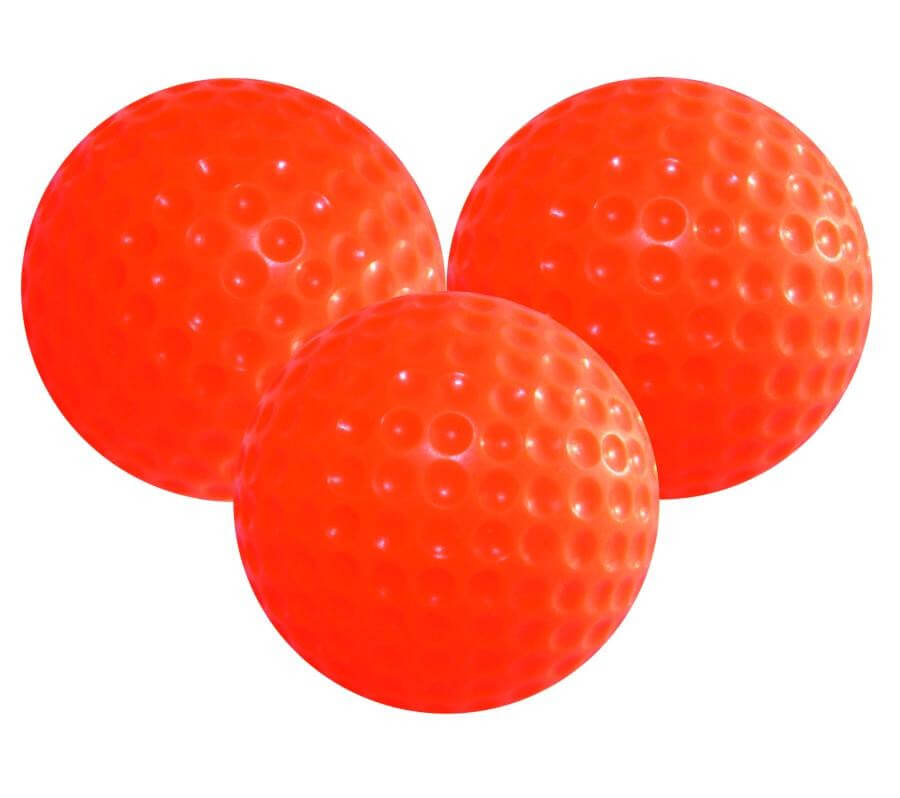
- Plastic airflow balls Hollow with holes. Very short flight and very light.
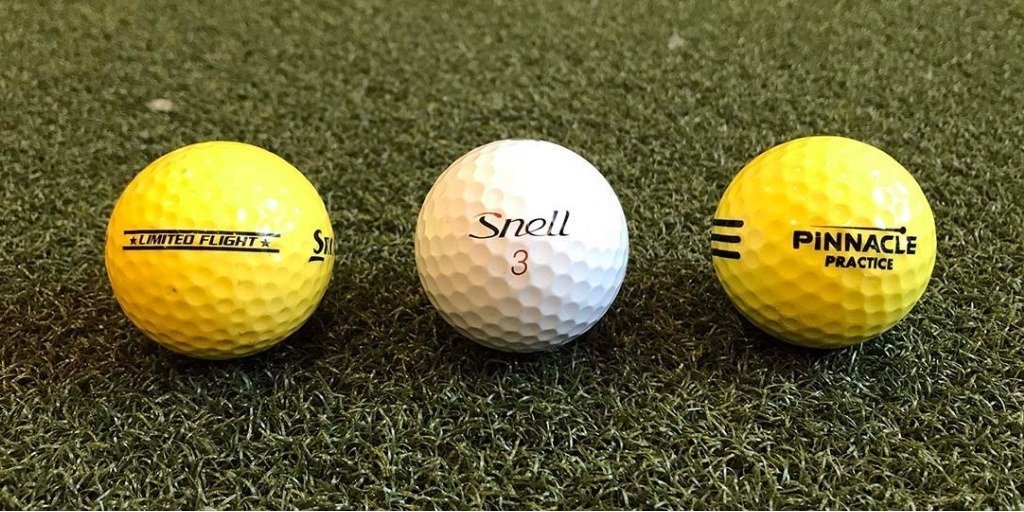
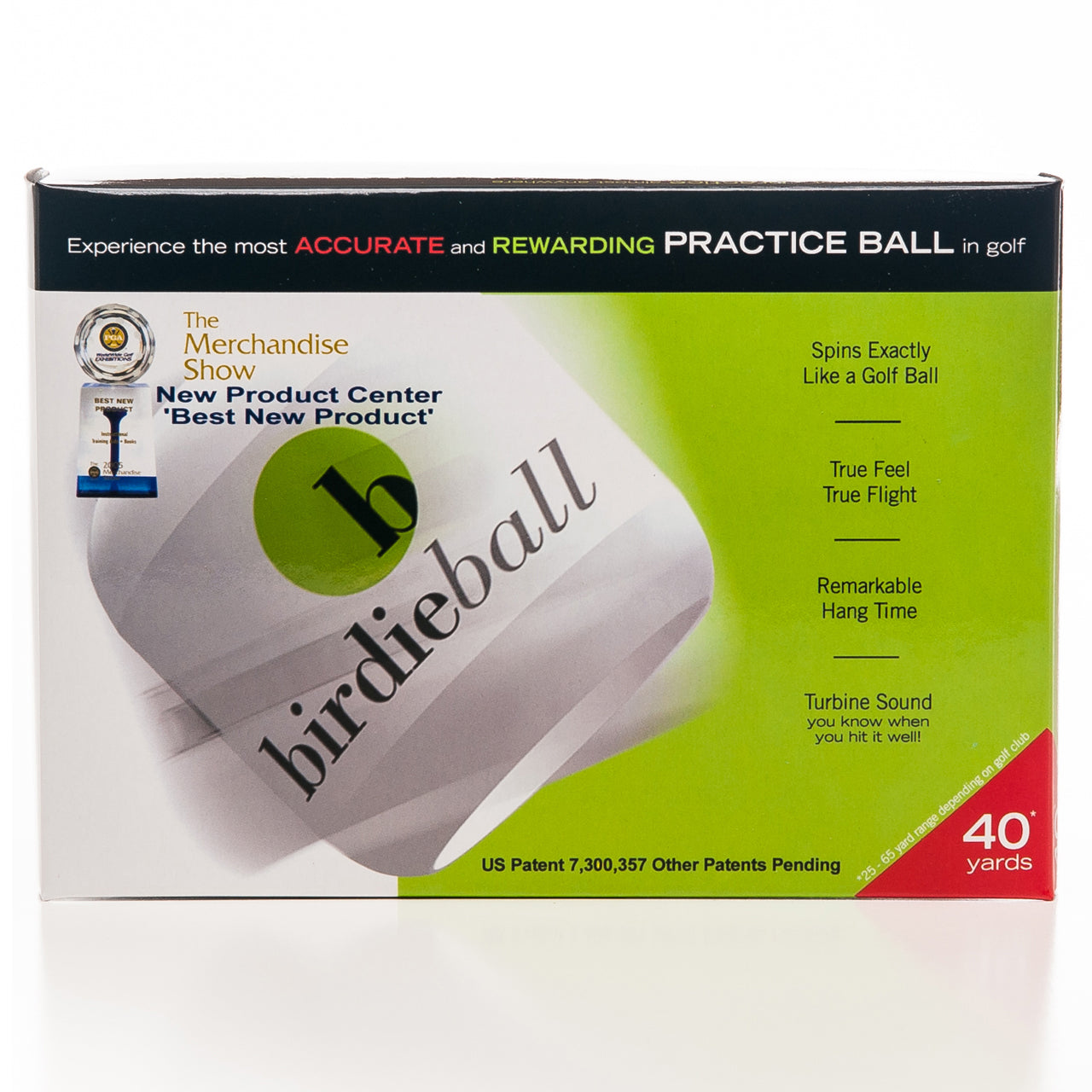
- Limited-flight balls Denser foam or polymer. Fly straighter and a bit farther than basic foam.
- Range balls Durable two-piece balls used at ranges. Often firmer and stamped PRACTICE.
Each type trades realism for safety and space. Foam and airflow balls are best for tight spots. Limited-flight and range balls are better when you have room and want truer feedback.
What makes a real golf ball
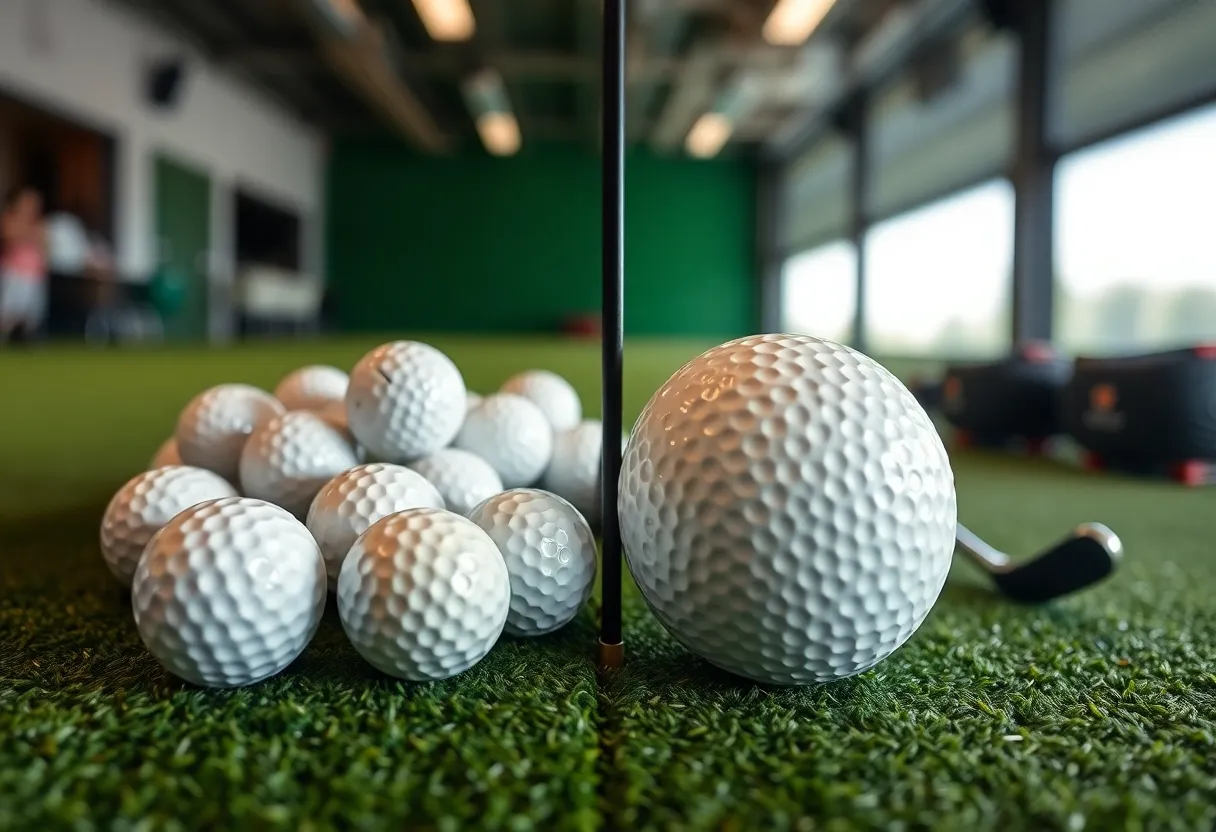
Real golf balls are built for performance and control. Most conform to USGA rules on size, weight, and distance. They use layered designs and dimple science to manage spin and speed.
Key traits to know:
- Core and layers The core sets speed and feel. Extra layers manage spin on iron and wedge shots.
- Cover Urethane covers grip the grooves and add spin on short shots. Ionomer covers are firmer and often longer for most golfers.
- Compression Lower compression helps slower swings. Higher compression suits faster swings.
- Dimples Dimples shape lift and drag. They keep the flight stable in wind.
Real balls tell the truth about contact, spin, and distance. That truth helps your game grow.
Practice Golf Balls vs Real Golf Balls: Key differences
The heart of Practice Golf Balls vs Real Golf Balls is how they fly, feel, and spin. Here is what you will notice most.
- Distance Foam and airflow balls can cut driver carry by 50 to 90 percent. Range balls can be 5 to 15 percent shorter than tour balls.
- Spin Real balls create more spin with wedges. Practice balls reduce spin to keep flight straight and safe.
- Flight Foam tends to fly higher and straighter. Real balls curve more based on your strike and path.
- Feel Real balls feel crisp off the face. Foam feels soft. Airflow feels light and hollow.
- Sound Foam is quiet. Real balls pop. Range balls sound firm.
- Durability Range balls last long. Foam can split over time. Airflow cracks with hard hits.
- Safety Foam and airflow are safest near homes. Real balls need space and a proper net.
- Price Practice balls are cheap per use. Premium urethane balls cost more but perform best.
If your goal is feedback, real balls win. If your goal is reps in tight spaces, practice balls win.

When to use each
You do not need to pick only one. Use both to match your space and your practice plan. This is how I coach players to split time.
- Indoor garage or apartment Foam or limited-flight. Short swings and tempo drills.
- Backyard with a net Limited-flight or range balls. Add real balls for wedge and gap testing.
- Short game in a yard Foam for safety. Real balls for chipping and putting feel.
- Speed training Foam for safety. Real balls in a net if you want true ball speed.
- New golfers Foam to build confidence. Real balls on the range to learn strike.
Practice Golf Balls vs Real Golf Balls is about fit, not faith. Make the ball match the job.

Performance insights and test data
I have tested Practice Golf Balls vs Real Golf Balls with a mid-90s mph driver speed. I used a basic launch monitor and a 10-foot net. Results vary by swing and ball type, but the patterns are steady.
Typical ranges I see:
- Driver with foam 40 to 60 percent less ball speed than real balls. Carry down by 50 to 80 percent.
- Irons with foam Launch higher, spin lower, and land shorter. Gaps blur.
- Wedges with foam Very low spin. Shots float and stop short.
- Range balls vs urethane 3 to 10 mph less ball speed for many players. Launch a touch lower. Spin can be lower on wedges but sometimes higher on drivers due to firmness.
These trends match what many fitters report and what ball makers publish. Conforming balls also follow USGA limits on distance. Expect real balls to tell you the truth on numbers. Expect practice balls to keep you safe and steady.
How practice balls affect your swing
Practice balls can help your swing or hide flaws. It depends on how you use them.
- Foam reduces fear You swing freer and find rhythm. Great for new moves and speed work.
- Feedback is softer Mishits feel less harsh. You may miss cues on face control.
- Curves look straighter Low spin hides slices and hooks. Use video or foot spray to track face.
- Short game feel changes Foam does not check like urethane. Do not judge chips by rollout alone.
When I switch a player from foam to real balls mid-session, tempo stays the same. Face control gets sharper because the ball answers back.

Buying guide: choosing the right practice balls
Pick based on space, goals, and noise. Practice Golf Balls vs Real Golf Balls is easier when you tie the ball to a clear task.
Best choices by use:
- Small indoor space Soft foam. Quiet and safe near walls and screens.
- Backyard net Limited-flight foam. Good balance of feel and safety.
- Open field Range-style practice balls. Durable and closer to real flight.
- Short game Real urethane for chips, pitches, and putts.
- Kids and beginners Foam or airflow. Keep it fun and safe.
What to check before you buy:
- Durability Will it split or crack fast
- Noise Will neighbors complain
- Price per use Will the set last a season
- Color and findability Bright colors help in grass
- Water resistance Some foams soak up water

Care, storage, and safety
Practice golf gear lasts longer with simple care. I learned this the hard way after leaving foam in a hot trunk.
- Keep out of heat Heat warps plastic and breaks down foam.
- Dry after wet Foam holds water. Let it dry to stop mildew.
- Use a proper net A good net with a target is worth it.
- Aim away from hard edges Misses love windows, grills, and planters.
- Replace worn balls Cracks change flight and make feedback worse.
Real balls also need care. Clean covers keep spin steady. Store them in a cool, dry place.
Common mistakes and pro tips
Avoid these traps when working through Practice Golf Balls vs Real Golf Balls.
- Practicing only with foam Then expecting course yardages to match. Mix in real balls weekly.
- Ignoring contact feedback Use face tape or foot spray to track strike.
- Skipping wedge work Always chip and putt with the ball you play.
- No plan for distances Test every 10 yards with real balls. Write your carry chart.
- Using airflow for swing speed Readings will be off. Use real balls or good limited-flight balls for speed.
Pro tips that help fast:
- Do block practice with foam. Do random practice with real balls.
- Film from face-on and down-the-line once a week.
- Test on a calm day. Wind hides differences.
- Count quality strikes, not just reps.
- Keep a practice log. Small notes make big gains.
Frequently Asked Questions of Practice Golf Balls vs Real Golf Balls
Are practice balls good for beginners
Yes. They cut fear and boost reps, which helps new golfers build confidence. Switch to real balls on the range to learn true strike and curve.
Can I use practice balls with a launch monitor
You can, but numbers will be off, especially spin and carry. Use limited-flight or range balls for closer results.
Do range balls hurt my swing
No, but they change feel and distance. Trust the swing work, and confirm numbers with the ball you play.
How many yards do foam balls lose
A lot. Driver carry can drop by half or more, and irons can fall short by many clubs.
Which is better for short game practice, practice or real balls
Real balls. You need true spin and feel for chips and putts. Use practice balls only when space is tight.
How often should I practice with real balls if I use foam at home
Aim for at least one real-ball session each week. This keeps your strike, spin, and distances honest.
Do practice balls affect swing speed training
They are safe for speed drills, but ball speed will read low. Confirm gains with real balls when possible.
Conclusion
Practice Golf Balls vs Real Golf Balls is a smart way to plan your training. Use foam or limited-flight when space is tight and safety matters. Use real balls for gapping, wedges, and any session where feedback must be exact. Mix both, track your strike, and let each ball do its job.
Try one change this week. Match the ball to your drill, write down results, and review in seven days. Want more guides like this Send your questions, subscribe for updates, and share your setup so we can help you dial it in.